Mateo 10
Tẹsitamenti Ikne n'Ọnu Ikwere · Toca un versículo para ver sus referencias cruzadas.
Ele izi nri nụ ẹbo
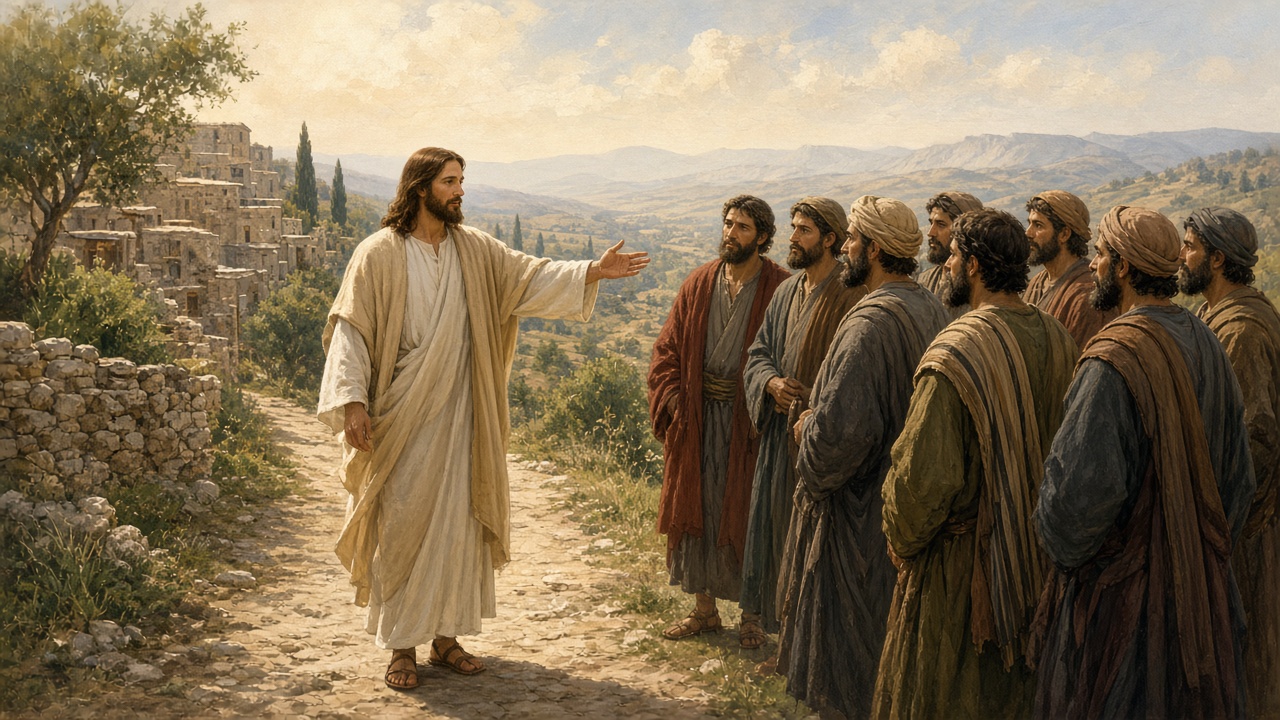
1Jizọsi sukwuru nri nụ badnụ lawụru wam ele sno apna a. O nyee be rikne be chịhala rẹnwu ọjo, gwọ masị kpakara nrịria nụ ẹhni igbugbu zị ọdo n'ọdo. 2Ka bụ rẹwhna ele izi nri nụ ẹbo wam, nye mbọm bụ Saịmoni, nye be nookwu Pita, nụ Anduru nwene a, nụ Jemisi nnwọ Zebidi nụ Jọni nwene a, 3Filipu nụ Batolomi, Tọmosi nụ Matiyu nye ọna ntụ, Jemisi nnwọ Alịfayosi nụ Tadịyosi, 4Saịmoni nye zị n'esilawụru ele noonwu bẹkwnu nụ mkpọma, nụ Judasị Isikarịoti, nye reru a.
Ẹrnu ele izi nri nụ ẹbo
5Jizọsi zihala nri nụ badnụ lawụru ka, dọ be aka nụ nsnị, kaa, “Anụ znékọ n'ẹli ele bụ́o ele Ju, mọbu nụ rime ẹli-ọhna ọbula ke ele Sameria. 6Kọvu anụ znekwnusi ele Izirẹli, ele nụ lele rụmu atnụrnu whuru owhu. 7Nga anụ neezne anụ kanụ be, ‘Ẹli-eze Chiokike zị ndụndu.’ 8Anụ gwọ ele nrịria, mee ele nwụrnu ọnwu be hi n'ẹnwu lizọ, anụ gwọ ele nchnịchna, anụ chịhala rẹnwu ọjo. Anụ nahịaru ewhu ewhu, anụ nyee n'ewhu ewhu. 9Anụ jí ịwai ọbula nụ rẹkpa anụ. 10Anụ jí rẹkpa n'izne anụ, mọbu iwo lawụru, mọbu okoro-ọchi, mọbu mkpara, kwnornu nụ nye ẹrnu kwesiri be nyee a wiri nụ hne ọ nọornu ẹrnu.
11“Ẹli-ọhna ọbula, mọbu mgbu ọbula anụ bnarnụ, anụ piohịa ezi badnụ nụ rime a, dazịri pịi tem anụ whọga. 12Nga anụ bnarnụ n'ọro wam, anụ kaa, ‘Udno zịnu anụ.’ 13Ọ bụru nụ ọro wam bụru ọma, udno anụ jaadazịnu a, kọvu nụ ọ bụru nụ ọro wam bụ́o ọma, udno anụ jeehiehnakwnusi anụ. 14Nye ọbula ke nábnanyana anụ, ke nụ́na ikwu-ọnu anụ, anụ jọowhoga n'ọro wam mọbu n'ẹli-ọhna wam, lịsnama ruznurnuznu ọchi anụ. 15N'ezi me naakanụ anụ, be jọodonu ẹli Sọdom nụ Gọmora obirizi n'ọbochi ikpe karụ ẹli-ọhna kị.
16“Le, m neezihala anụ lele atnụrnu n'esilawụru edu, anụ nwe akọ lele agwọ, kpa enwerne lele nduru.
17“Kọvu anụ ze ele badnụ, kwnornu nụ be jeegweru anụ nyee n'aka ele ikpe, be jaapnịa anụ nhne n'ọro ọgbako ele be. 18Be jookwuru anụ zne nụ ruwhnu ele risi ọchichi nụ ele eze kwnornu m, ma anụ kanụ be nhne gbasịri, ma ele bụ́o ele Ju. 19Kọvu nụ nga be jeegweru anụ nyee ele ikpe, mkpọma lákọ anụ mini kpa anụ jọogoru ọnu anụ mọbu nhne anụ jookwu, ige wam be jeenye anụ nhne anụ jookwu. 20Kwnornu nụ ọ bụ́o anụ nookwu ọka, kọvu ọ bụ Enine ke Nda anụ nookwu ọka nụ rime anụ.
21“Nwene jeegweru nwene a nyee ma be gbu a, nda jeegweru nnwọ a nyee, rụmu jeelizọ megidne ele mụrnu be, mee be nwụma. 22Kpakara ele badnụ joosno anụ irno kwnornu nụ rẹwhna m, Kọvu be jọoznohia nye ọbula ke jaaknata mkpọma dazịgidne dụ okwukwo kpakara nhne. 23Nga be kpagburu anụ n'otu ẹli-ọhna, anụ gbazne nụ ke berere. Me naakanụ anụ ezi ọka, anụ jáagazu kpakara ẹli-ọhna Izirẹli dụ nga Nnwọ ke Badnụ jaava.
24“Nye sno apna nye-zni-nhne jáaka nye zni a nhne. Ọhi jáaka nyenwe a. 25Ọ dụlam nga nye sno apna nye-zni-nhne jọonu lele nye zni a nhne, nụ ọhi ọ nụ lele nyenwe a. Ọ bụru nụ be sukwuru nda nwe ọro Bẹlizibolu, ọ bụ nụ be jóosukwu ele ọro a karụkwo?
Nye anụ jọotu ogwnu a
26“Anụ tụ́ko ogwnu be, kwnornu nụ ọ zá nhne be kpusnirni okpusni ke be jóokpume, mọbu nhne zị mgwụgwa ke be jáamahịa. 27Nhne me kannụ anụ n'ọchichiri, anụ kwu a n'iwhnehnie, nhne be tụkasiri nụ nsnị, anụ kwusa a n'olu ọro. 28Anụ tụ́ ogwnu ele noogbu anọ-ẹhni, ele nwée rikne gbu mkpọma. Kọvu anụ tụ ogwnu nye wam ke nwernu rikne gbu mkpọma nụ anọ-ẹhni nụ bẹkwnu ẹli rẹnwu. 29Be zá neere wọnzna lawụru otu mkpụru ịwai matị? Kọvu otu nụ rime be jáadna n'ẹli sụ Nda anụ kwéle. 30Kọvu nụ kpakara rukeri-ize ke zị anụ nụ risi gwnụrnu ọgwnu. 31Ogwnu tụ́ anụ, anụ zị okne ọnu ahịa karụ agịda wọnzna.
O kwuhịa nụ ọ jụ Karaịsi
32“Nye ọbula ke jookwuhịa m nụ ruwhnu ele badnụ, ọ bụ ya bụ nye me jookwuhịa nụ ruwhnu Nda m ke oligwe. 33Kọvu nye ọbula ke jọogonahoru m nụ ruwhnu ele badnụ, bụ nye me jọogonahoru nụ ruwhnu Nda m ke zị n'oligwe.
Ọ bụ́o udno // kọvu ama-ọgwnu
34“Anụ chékọ nụ m varụ m o gweya udno n'ọwa, m váge m o gweya udno, kọvu ama-ọgwnu. 35Kwnornu nụ m varụ m o kewa
‘nnwọ rukna nụ nda a,
nnwọ rinya nụ nne a,
nnwerne nnwọ nụ nne nzi a.
36Nye irno badnụ jọobu ele ezi-nụ-ọro a.’
37“Nye ọbula ke whnụrnu nda a mọbu nne a n'anya karụ m, kwésile m, nye whnụrnu nnwọ a rukna mọbu nnwọ a rinya n'anya karụ m, kwésile m. 38Nye ọbula ke vúrule ọgba a sno m n'aznụ, kwésile m. 39Nye ọbula ke noopio bụdnu a jootuwhu a, nye tuwhuru bụdnu a kwnornu m, joopohịa a.
Ọgwo ẹrnu
40“Nye ọbula ke nabnanyarnụ anụ, nabnanyarnụ m, nye nabnanyarnụ m, nabnanyarnụ nye ziyaru m. 41Nye ọbula ke nabnanyarnụ nye ọwhnurninya kwnornu nụ ọ bụ nye ọwhnurninya, jaanahịa masị ọgwo ẹrnu nye ọwhnurninya. Nye nabnanyarnụ nye mee mma kwnornu nụ ọ bụ nye mee mma, jaanahịa ọgwo ẹrnu nye mee mma. 42Nye ọbula ke jookwute otu nụ rime ele matị ka otu okiko mini jịri iyi kwnornu nụ ọ bụ nye sno apna m, owe, me naakanụ anụ ezi ọka, ọ jaanahịariri ọgwo ẹrnu a.”
¿Sabías que…?
Los doce enviados en misión
- Simón, llamado Pedro, y su hermano Andrés —la primera pareja nombrada entre los doce— eran pescadores de Betsaida, en la costa occidental del mar de Galilea. Santiago y Juan, mencionados a continuación, eran hijos de Zebedeo, un pescador de Galilea que tenía sus propias barcas y jornaleros.Fuentes: el propio texto bíblico · Simon Peter · Andrew · Zebedee
- Mateo, identificado en la lista como el recaudador de impuestos, era hijo de Alfeo y antes se conocía como Leví; cobraba impuestos en Capernaúm, y el nombre Mateo significa “don de Dios”. Tomás, nombrado junto a él, también era llamado Dídimo, el equivalente griego del nombre hebreo, que significa “gemelo”. Bartolomé significa “hijo de Tolmai” y, por lo general, se supone que es la misma persona que Natanael.Fuentes: el propio texto bíblico · Matthew · Thomas · Bartholomew
- Jesús advierte que el día del juicio será más tolerable para Sodoma y Gomorra que para un pueblo que rechace a los doce apóstoles. El Diccionario Bíblico de Easton (1897) describe esas ciudades de la llanura de Sidim como destruidas por fuego y proverbiales por su maldad, y las ubica, probablemente juntas, cerca del extremo norte de lo que hoy es el mar Muerto.Fuentes: el propio texto bíblico · Sodom · Gomorrah
Notas escritas con ayuda de IA a partir de fuentes abiertas (Theographic Bible Metadata, CC BY-SA 4.0; Easton’s Bible Dictionary, dominio público) y revisadas antes de publicarse.
Créditos y licencia de esta traducción
Tẹsitamenti Ikne n'Ọnu Ikwere
New Testament in Ikwere
copyright © 2010 Wycliffe
Language: Ikwere
Translation by: Wycliffe
Ikwerre – (ikw) Nigeria
The Iwerre language of Nigeria can also be spelled Ikwere and Ikwerri. This language is spoken primarily by the Ikwerre people who live in the Rivers State of Nigeria and is one of the many ethnic groups in the Niger Delta. There were more than 23,000 speakers of this language in 1973. There is also a considerable local interest in literacy and grammar.
Copyright Information
© 2010, The Nigeria Bible Translation Trust. All rights reserved.
This translation text is made available to you under the
terms of the Creative Commons License: Attribution-Noncommercial-No Derivative Works.
( http://creativecommons.org/licenses/by-nc-nd/3.0/ )
In addition, you have permission to port the text to different file formats, as long as you
do not change any of the text or punctuation of the Bible.
You may share, copy, distribute, transmit, and extract portions
or quotations from this work, provided that you include the above copyright
information:
You must give Attribution to the work.
You do not sell this work for a profit.
You do not make any derivative works that change any of the actual words or punctuation of the Scriptures.
Permissions beyond the scope of this license may be
available if you contact
us with your request.
Printed book ISBN 9789789076369
New
The New Testament
in Ikwere
© 2010, The Nigeria Bible Translation Trust. All rights reserved.
This translation is made available to you under the terms of the
Creative Commons Attribution-Noncommercial-No Derivatives license 4.0.
You may share and redistribute this Bible translation or extracts from it in any format, provided that:
You include the above copyright and source information.
You do not sell this work for a profit.
You do not change any of the words or punctuation of the Scriptures.
Pictures included with Scriptures and other documents on this site are licensed just for use with those Scriptures and documents.
For other uses, please contact the respective copyright owners.
2019-08-09
Fuente: http://ebible.org/ikwNT/ · eBible.org