Hebreos 3
Tẹsitamenti Ikne n'Ọnu Ikwere · Toca un versículo para ver sus referencias cruzadas.
Jizọsi kakwo Mozizi
1Kam kpayarụ, rụmu nda m, ele zị nsọ, ele vu osukwu ikwu oligwe, anụ rị ọriri nhne gbasịri Jizọsi, nye izi, nụ nye risi arịohna ke ọkwnata ovu aị. 2Ọ bụ nye kwesiri ọkwnata ovu nyee nye họhiaru a, lele kpa Mozizi bụri nye be tụkwasiri ovu nụ kpakara ẹrnu a n'ọro Chiokike. 3Jizọsi kwesiri o nwe igwugwu ke kakwo igwugwu Mozizi lele kpa nye wuru ọro nwernu igwugwu karụ ọro o wuru. 4Kwnornu nụ kpakara ọro nwernu nye wuru a, kọvu Chiokike wuru kpakara nhne. 5Mozizi, lele nnwọ izi be kwesiri ọ tụkwasi ovu nụ kpakara ọro a, gbarụ akebne nhne be jookwu nụ ruwhnu. 6Kọvu Karaịsi kwesiri ọkwnata ovu lele nnwọ n'ọro Nda a. A bụ ọro a, ọ bụru a bịta mkpọma siri rikne aị, gwuzosi masị rikne nụ nhne a neele anya a.
Ozukwa inwe ke rụmu // Chiokike
7Lele kpa Enine Nsọ karụ,
“Tna, ọ bụru nụ anụ nụrnu nkọli a,
8anụ mée ovu anụ si rikne,
lele kpa ele Izirẹli mernu nga be gwuzogidnernu Chiokike,
ige ọrnurna n'ẹli-ịkpa.
9Nga ele nda anụ ọknani kparụ m iru, kpahịa m,
be whnụrnu ẹrnu m nri awha ẹno.
10Ovu weru m ẹhni kwnornu ebiri kam,
m kaa, ‘Mkpọma be noowhu apna,
be kwége ọ bịta iwu m.’
11Kam kpayarụ, m ji m ovu owe ẹhni dụ risi, kaa,
‘Be jáabna hne me jeenye be ozukwa inwe.’ ”
12Rụmu nda m, anya dụ anụ ẹli, ọ zá nye ọbula n'esilawụru anụ ke jeenwe ovu mmehie ke kwé ekwe ke jeeme a ọ whọga nụ hne Chiokike ke zị bụdnu zị. 13Kọvu anụ kwnagidne ibne anụ hnebụko ọbochi be kwuru “Tna.” Ọ zá nye kwe aghịgho ke mmehie mee ovu a si rikne megidne Chiokike. 14Kwnornu nụ ọ bụru a jidne ọkwnata mkpọma a nwernu nụ mbọm dụ okwukwo, aị nụ Karaịsi jeekekọ nhne. 15Lele kpa be gbarụ n'ọkwukwo nsọ,
“Tna, ọ bụ nụ anụ nụrnu nkọli a,
anụ mékọ ovu anụ si rikne
lele kpa ele Izirẹli mernu nga be gwuzogidnernu Chiokike.”
16Ndaa ele nụrnu nkọli Chiokike mee risi rikne? Ọ bụ́o ele Mozizi hiri n'ẹli Ijipiti duhịa sa? 17Ndaa ele Chiokike wesanụ ovu ẹhni nri awha ẹno? Ọ bụ́o ele mehieru, bụ ele iznu be dnarnụ n'ẹli-ịkpa? 18Ndaa ele Chiokike dụru risi nụ be jáabna nụ hne o jeenye be ozukwa inwe? Ọ bụ́o ele bnóge nsnị? 19A whnụrnu nụ be bnáge hne o jeenye be ozukwa inwe kwnornu nụ ókwe ekwe be.
¿Sabías que…?
Mayor gloria que Moisés
- Hebreos pide a sus lectores que fijen la atención en Jesús, el apóstol y sumo sacerdote que confiesan. Fue fiel a quien lo designó, así como Moisés fue fiel en toda la casa de Dios, pero Jesús es considerado digno de mayor gloria que Moisés, como el constructor de una casa tiene más honra que la casa misma. Moisés fue fiel como siervo; Cristo es fiel como Hijo sobre la casa de Dios.Fuentes: el propio texto bíblico
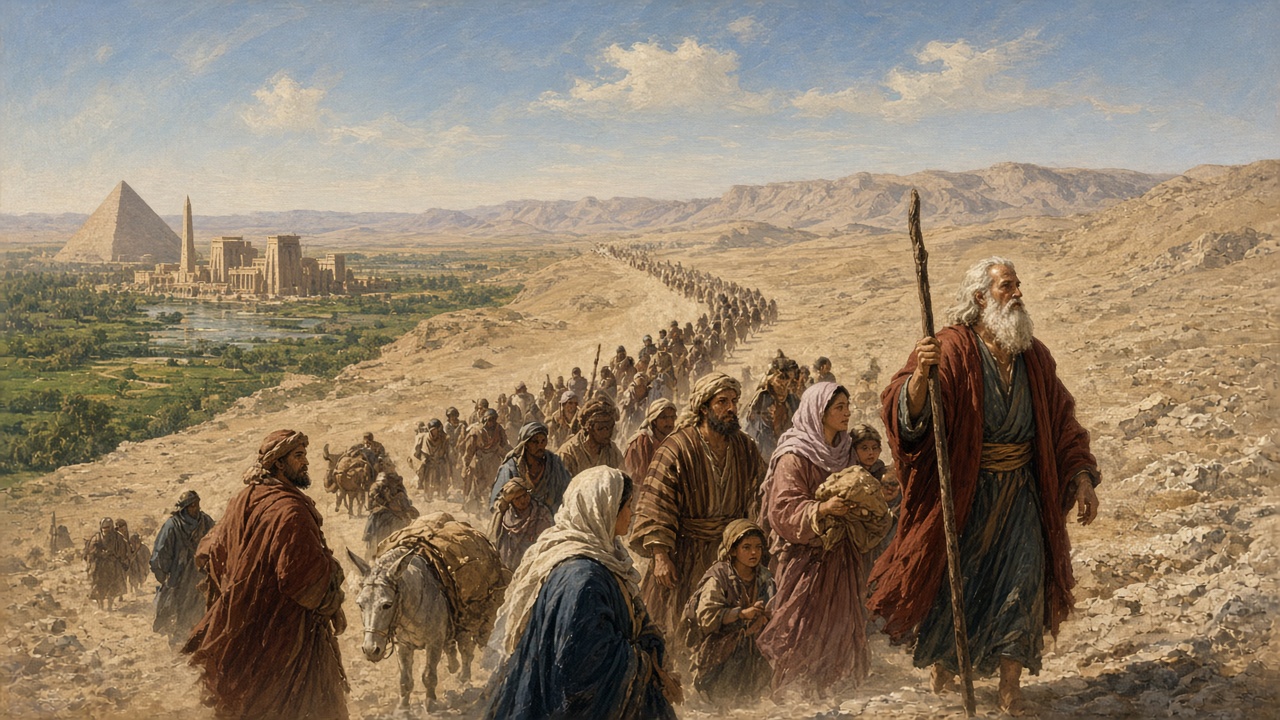
- La advertencia se vuelve hacia el pueblo que Moisés sacó de Egipto. Durante cuarenta años en el desierto pusieron a Dios a prueba; Dios estuvo enojado con aquella generación y juró que nunca entrarían en su descanso, y sus cuerpos cayeron en el desierto. El capítulo dice que la incredulidad les impidió entrar.Fuentes: el propio texto bíblico
- Egipto, la tierra que dejaron con Moisés, es la tierra del Nilo y de las pirámides. El diccionario bíblico de Easton (1897) explica el nombre Moisés como sacado, o lo vincula con la palabra egipcia mesu, que significa hijo.Fuentes: el propio texto bíblico · Egypt · Moses
Notas escritas con ayuda de IA a partir de fuentes abiertas (Theographic Bible Metadata, CC BY-SA 4.0; Easton’s Bible Dictionary, dominio público) y revisadas antes de publicarse.
Lugares de este capítulo
- Egypt · 30.129, 31.308 · versículo 16
Solo aparecen lugares identificados con alta confianza (90 % o más según las fuentes académicas reunidas por OpenBible). Mapa de la época: DARE (Digital Atlas of the Roman Empire), CC BY 4.0; mapa actual: © colaboradores de OpenStreetMap; lugares: OpenBible.info (CC BY 4.0).
Créditos y licencia de esta traducción
Tẹsitamenti Ikne n'Ọnu Ikwere
New Testament in Ikwere
copyright © 2010 Wycliffe
Language: Ikwere
Translation by: Wycliffe
Ikwerre – (ikw) Nigeria
The Iwerre language of Nigeria can also be spelled Ikwere and Ikwerri. This language is spoken primarily by the Ikwerre people who live in the Rivers State of Nigeria and is one of the many ethnic groups in the Niger Delta. There were more than 23,000 speakers of this language in 1973. There is also a considerable local interest in literacy and grammar.
Copyright Information
© 2010, The Nigeria Bible Translation Trust. All rights reserved.
This translation text is made available to you under the
terms of the Creative Commons License: Attribution-Noncommercial-No Derivative Works.
( http://creativecommons.org/licenses/by-nc-nd/3.0/ )
In addition, you have permission to port the text to different file formats, as long as you
do not change any of the text or punctuation of the Bible.
You may share, copy, distribute, transmit, and extract portions
or quotations from this work, provided that you include the above copyright
information:
You must give Attribution to the work.
You do not sell this work for a profit.
You do not make any derivative works that change any of the actual words or punctuation of the Scriptures.
Permissions beyond the scope of this license may be
available if you contact
us with your request.
Printed book ISBN 9789789076369
New
The New Testament
in Ikwere
© 2010, The Nigeria Bible Translation Trust. All rights reserved.
This translation is made available to you under the terms of the
Creative Commons Attribution-Noncommercial-No Derivatives license 4.0.
You may share and redistribute this Bible translation or extracts from it in any format, provided that:
You include the above copyright and source information.
You do not sell this work for a profit.
You do not change any of the words or punctuation of the Scriptures.
Pictures included with Scriptures and other documents on this site are licensed just for use with those Scriptures and documents.
For other uses, please contact the respective copyright owners.
2019-08-09
Fuente: http://ebible.org/ikwNT/ · eBible.org