Hechos 2
Tẹsitamenti Ikne n'Ọnu Ikwere · Toca un versículo para ver sus referencias cruzadas.
Enine Nsọ varụ // n'ọbochi Pẹntikosi
1Nga ọbochi Pẹntikosi zuru, kpakara be gbakọru n'otu ọro. 2Ngangam, imerne ke nụ lele okne ruwhere hiri n'oligwe va, jipịya kpakara ọro wam be zị. 3Be whnụrnu nhne nụ lele riro bẹkwnu ke dazịri n'olu risi be otu otu. 4Enine Nsọ mejihịaru be, be bete nookwu ọka nụ riro ele berere lele kpa Enine Nsọ wam nyernu be iknernema o kwu ọka.
5Agwna ele Ju ele nọotu ogwnu Chiokike wu nụ Jerusẹlem, ele hi nụ kpakara mba ke zị nụ mkpururu oligwe va. 6Nga be nụrnu mkpakpọ ka, be gbakọ, ọ tụru be n'anya kwnornu nụ be nụrnu kpa ele sno apna Jizọsi nookwu ọka nye ọbula nụ ikwu-ọnu ke a. 7Ẹhni nwụrnu be, be kaa, “Kpakara ele ka nookwu ọka, be bụ́o ele Galili sa? 8Ndaa kpa a nọonu be nookwu ọka n'ikwu-ọnu be jiri mụ aị? 9Ele Patịa, nụ Midia, ele Ẹlam, ele hi nụ Mesopotemia, Judiya nụ Kapadosia, nụ ele hi nụ Pọntosi nụ Esia, 10ele hi nụ Firigia nụ Pamfilia, ele hi nụ Ijipiti nụ ele hi agwna ẹli Libiya ke zị Sirini ndụndu, nụ agwna ele hi nụ Rom, 11ma ele Ju ma ele bnarnụ okpukpe ele Ju, ele Kiriti nụ ele Arabu, a nụrnu kpa be nookwu ọka n'ikwu-ọnu aị gbasịri ẹrnu ndu-ẹhni Chiokike.” 12Ọ gbagwojiri be anya, kpakara be nẹesikwa, “Ka bụ kịni?”
13Kọvu ele berere mernu be nhne mkparị, be kaa, “Manya noogbu ele ka.”
Pita kwunnu igbudu badnụ // ọka
14Pita gwuzoru ya nụ nri badnụ nụ otu wam bete nookwunu ele badnụ wam ọka n'okne nkọli, kaa,
“Ele Ju ibne m nụ kpakara anụ ele wu nụ Jerusẹlem, anụ bnote nsnị nụ nhne me nookwu gbasịri nhne anụ whnụrnu. 15Ọ zá manya noogbu ele rukna ka lele kpa anụ cheru, ọ bụ ọtnu-ige tolu ke ọsisi. 16Kọvu ka bụ nhne nye ọwhnurninya Juwẹli kwuru ọka gbasịri a,
17Chiokike karụ kpa,
‘Ka bụ nhne me jeeme n'ọbochi ipne-aznụ,
m jọowukwasi Enine m n'ẹhni kpakara ele badnụ,
rụmu anụ ele rukna nụ ele rinya jọokpo okwo ikwu-ọnu Chiokike,
rụmu ikoro anụ jọowhnu ọwhnurninya,
ele okno badnụ anụ jọoro mbọro.
18M jọowukwasi ele izi m rukna nụ rinya Enine m n'ọbochi wam,
be jọowhnu ọwhnurninya.
19M jeegesi ẹrnu ndu-ẹhni n'oligwe
nụ nhne elekema n'ọwa nụ mkpururu oligwe,
ọvnarna nụ bẹkwnu nụ okne rụnwurnu bẹkwnu.
20Ẹhnam jaagba ọchichiri,
ẹnwa jaachna ihie ihie lele ọvnarna,
ka jeeme sị okne ọbochi ke zị igwugwu ke Nyenwe aị va.
21Be jọoznohia nye ọbula ke noosukwu rẹwhna Nyenwe aị.’
22“Ele Izirẹli, anụ bnote nsnị n'ọka ka, Chiokike jiri kpakara ẹrnu ndu-ẹhni nụ nhne tụ n'anya nụ elekema ka n'esilawụru anụ gesi nụ ya ziyaru Jizọsi nye Nazarẹti. Kpakara anụ magwụ kpam. 23Chiokike marnụ ama kweru be gweru a nyega anụ, anụ gweru a nyee n'aka ele máa Chiokike, be kpọgidne a n'ọgba, gbu a. 24Kọvu nụ Chiokike mernu o hi n'ẹnwu lizọ, gweme nhne igbugbu ke ẹnwu kwnornu nụ ẹnwu nwée rikne nwụgwu a. 25Ka bụ nhne Devidi kwuru gbasịri a,
‘M whnụrnu m Nyenwe aị nụ ruwhnu m kpakara ige.
Ọ zị n'akarikwnunga m,
ovu jáala m mini.
26Ka kpayarụ ovu sọru m n'ọnu, riro m nwụdnarnu k'agịda,
anọ-ẹhni m jaazị bụdnu n'olile anya.
27Kwnornu nụ ị jẹ́esigbasi mkpụru ovu m n'ilili,
i jéekwe nye nsọ ke i ro oro.
28I gesiri m apna ke bụdnu,
ruwhnu i mernu snarnịma jihịa mkpọma m.’
29“Rụmu nda m, m nookwunu anụ ọka n'anya rikne nhne gbasịri nda aị ọknani bụ Devidi, ọ nwụrnu ẹnwu, be li a, ilili a zị hna dụ tna. 30Ọ bụ nye ọwhnurninya, ọ magwụ nụ Chiokike kwesiri a mkwna rikne nụ ọ jeeme otu nye hi nụ avnụrnu a dazịri nụ ngadna eze a. 31Ọ whnụrnu nụ hne zị nụ ruwhnu, o kwu ọka gbasịri olizọ n'ẹnwu Karaịsi, Chiokike jẹ́esigbasi a n'ilili, anọ-ẹhni a jóoro oro. 32Chiokike mernu Jizọsi ka hi n'ẹnwu lizọ. A bụ ele akebne ezi ọka ka. 33Be gwelizọru a olu n'akarikwnunga Chiokike, ọ nahịaru n'aka Nda a mkwna ke Enine Nsọ bụ ke ọ wụkwasiri aị, ke anụ whnụrnu, nụrnu masị. 34Devidi láge olu nụ rime oligwe, kọvu o kwuru,
‘Nyenwe aị kannụ Nyenwe m,
Dazịri ẹli n'akarikwnunga m,
35tem dụ nga me jaabịta ele irno i
lele nhne ị jọotukwasi ọchi ị lawụru.’
36“Kam kpayarụ, kpakara ele Izirẹli, anụ mahịa n'ezi ọka nụ ọ bụ Jizọsi ka, nye anụ kpọgidnernu n'ọgba bụ nye Chiokike mernu Nyenwe aị nụ Karaịsi.”
37Nga be nụrnu ka, o gburu be igbugbu k'agịda nụ mkpọma, be kanụ Pita nụ ele izi berere, “Rụmu nda aị, kịni bụ nhne a jeeme?”
38Pita kanụ be, “Nye ọbula hi nụ mmehie a tụhnasna, ma be wụ anụ mini nụ rẹwhna Jizọsi Karaịsi, ma Chiokike gbarụnu anụ mmehie anụ. Ige wam anụ jeenwehịa nkesi Chiokike ke bụ Enine Nsọ. 39Kwnornu nụ mkwna Chiokike ka zịnu anụ, nụ rụmu anụ, nụ kpakara ele zị ikere, ele Nyenwe aị Chiokike joosukwu.”
40Pita ji agịda ikwu-ọnu berere dọ be aka nụ nsnị, kaa, “Anụ gweme ẹhni anụ awhnụwhnu ke ebiri ọjo ka.” 41Be wụru ele kweru izi ọma ka mini. Be tụkwasinu be pokwu badnụ ẹto n'otu ọbochi.
Mmekọta ke // ele kweru ekwe
42Be dazịgidne nụ iznizni ele izi, snornu be mekọta nhne, ri wiri nụ neekpe okpukpe. 43Ele izi wam rnụrnu agịda ẹrnu ndu-ẹhni nụ elekema ke mernu ogwnu tụ ele badnụ. 44Kpakara ele kweru ekwe dazịkota n'otu, neekeri nhne n'otu. 45Be re ẹkwu be nụ ẹkwnu be nwernu, keme ịwai n'esilawụru be lele kpa mkpa kparụ nye ọbula. 46Be dazịgidne n'otu n'Ọro Nsọ Chiokike kpakara ọbochi. Be neezne n'ọro nụ ọro, gweru mkpọma zị rịchna neeri wiri n'otu nụ ovu ọso n'ọnu. 47Be naaznarnị Chiokike, neenwe ruwhnu ọma nụ hne ele badnụ zị. Nyenwe aị nọotukwasinu be ele badnụ n'ọbochi n'ọbochi ele be jọoznohia.
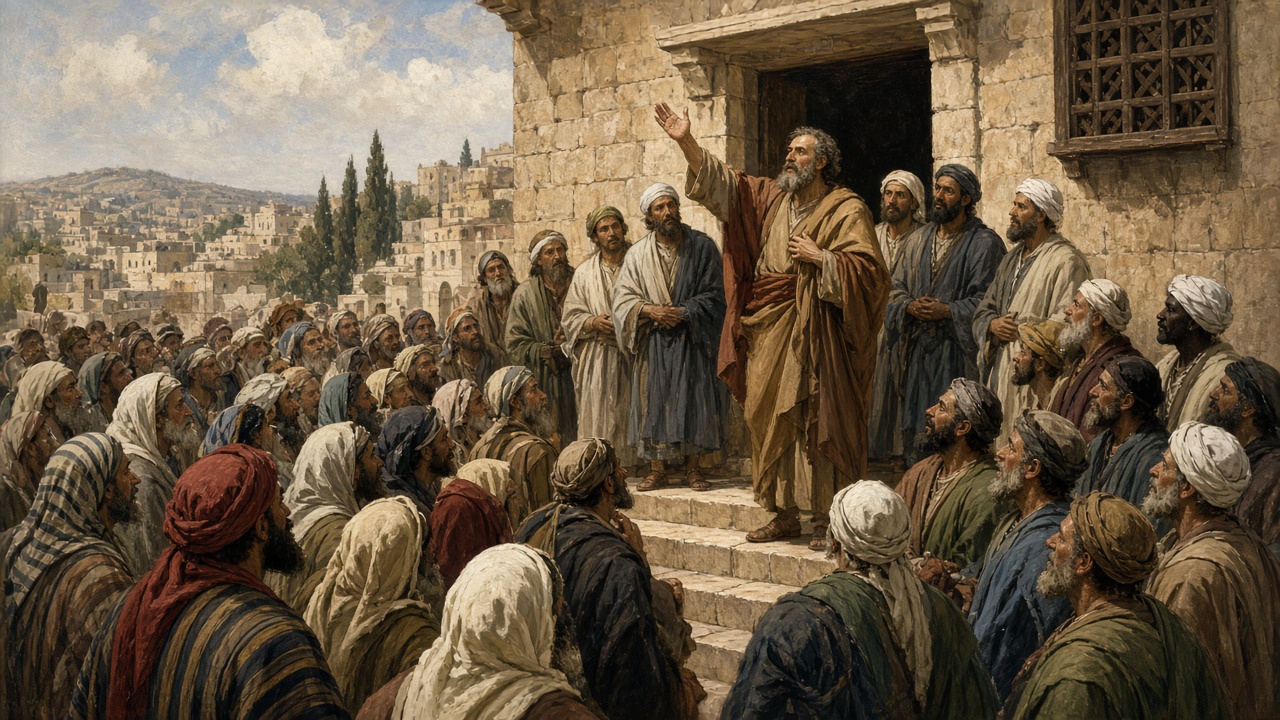
¿Sabías que…?
El Espíritu viene en Pentecostés
- Judíos temerosos de Dios, de todas las naciones bajo el cielo, ya vivían en Jerusalén cuando un sonido como el de un viento fuerte e impetuoso vino del cielo y llenó la casa, y los que hablaban comenzaron a proclamar las maravillas de Dios en otras lenguas. En este capítulo, “Asia” es la provincia romana de Asia Proconsular, en la parte occidental de Asia Menor, cuya capital era Éfeso, y no el continente de ese nombre. El Ponto, a lo largo de la costa sur del mar Euxino, era una provincia romana en tiempos de los apóstoles y un lugar frecuentado por muchos judíos de la Dispersión; Capadocia era la provincia más oriental y la más grande de Asia Menor.Fuentes: el propio texto bíblico · Asia · Pontus · Cappadocia
- La multitud quedó asombrada de que los que hablaban fueran galileos. Quien se puso en pie con los Once y les habló fue Simón Pedro, llamado antes Simón —es decir, Simeón, que significa “oír”—, un pescador de Betsaida, en la costa occidental del mar de Galilea, a quien su hermano menor, Andrés, llevó primero a Jesús.Fuentes: el propio texto bíblico · Simon Peter
- Pedro dijo que aquello era lo que había hablado el profeta Joel. Joel, el segundo de los doce profetas menores, era hijo de Petuel, y su historia personal solo se conoce por su libro. Pedro también citó a David, el octavo y el menor de los hijos de Isaí, de Belén, y dijo a la multitud que ese patriarca había muerto y había sido sepultado, y que su sepulcro aún estaba con ellos en Jerusalén.Fuentes: el propio texto bíblico · Joel · David
Notas escritas con ayuda de IA a partir de fuentes abiertas (Theographic Bible Metadata, CC BY-SA 4.0; Easton’s Bible Dictionary, dominio público) y revisadas antes de publicarse.
Lugares de este capítulo
- Jerusalem · 31.777, 35.234 · versículos 5, 14
- Galilee · 32.760, 35.527 · versículo 7
- Asia · 38.400, 28.300 · versículo 9
- Cappadocia · 38.671, 34.839 · versículo 9
- Judea · Hoy: Judea 1 · 31.777, 35.234 · versículos 9, 14
- Mesopotamia · Hoy: Aram-naharaim · 36.864, 39.033 · versículo 9
- Pontus · 40.680, 37.830 · versículo 9
- Cyrene · 32.821, 21.851 · versículo 10
- Egypt · 30.129, 31.308 · versículo 10
- Libya · 32.821, 21.851 · versículo 10
- Pamphylia · 37.000, 31.000 · versículo 10
- Phrygia · 39.000, 31.000 · versículo 10
- Rome · 41.892, 12.485 · versículo 10
- Nazareth · 32.702, 35.298 · versículo 22
Solo aparecen lugares identificados con alta confianza (90 % o más según las fuentes académicas reunidas por OpenBible). Mapa de la época: DARE (Digital Atlas of the Roman Empire), CC BY 4.0; mapa actual: © colaboradores de OpenStreetMap; lugares: OpenBible.info (CC BY 4.0).
Créditos y licencia de esta traducción
Tẹsitamenti Ikne n'Ọnu Ikwere
New Testament in Ikwere
copyright © 2010 Wycliffe
Language: Ikwere
Translation by: Wycliffe
Ikwerre – (ikw) Nigeria
The Iwerre language of Nigeria can also be spelled Ikwere and Ikwerri. This language is spoken primarily by the Ikwerre people who live in the Rivers State of Nigeria and is one of the many ethnic groups in the Niger Delta. There were more than 23,000 speakers of this language in 1973. There is also a considerable local interest in literacy and grammar.
Copyright Information
© 2010, The Nigeria Bible Translation Trust. All rights reserved.
This translation text is made available to you under the
terms of the Creative Commons License: Attribution-Noncommercial-No Derivative Works.
( http://creativecommons.org/licenses/by-nc-nd/3.0/ )
In addition, you have permission to port the text to different file formats, as long as you
do not change any of the text or punctuation of the Bible.
You may share, copy, distribute, transmit, and extract portions
or quotations from this work, provided that you include the above copyright
information:
You must give Attribution to the work.
You do not sell this work for a profit.
You do not make any derivative works that change any of the actual words or punctuation of the Scriptures.
Permissions beyond the scope of this license may be
available if you contact
us with your request.
Printed book ISBN 9789789076369
New
The New Testament
in Ikwere
© 2010, The Nigeria Bible Translation Trust. All rights reserved.
This translation is made available to you under the terms of the
Creative Commons Attribution-Noncommercial-No Derivatives license 4.0.
You may share and redistribute this Bible translation or extracts from it in any format, provided that:
You include the above copyright and source information.
You do not sell this work for a profit.
You do not change any of the words or punctuation of the Scriptures.
Pictures included with Scriptures and other documents on this site are licensed just for use with those Scriptures and documents.
For other uses, please contact the respective copyright owners.
2019-08-09
Fuente: http://ebible.org/ikwNT/ · eBible.org