1 Corintios 10
Tẹsitamenti Ikne n'Ọnu Ikwere · Toca un versículo para ver sus referencias cruzadas.
Ọ dọ aka nụ nsnị gbasịri // ọkwa rẹnwu
1Rụmu nda m, m pioru m anụ mahịa, nhne mernu ele nda aị ọknani ele snornu Mozizi kpa be zị nụ mkpururu erumeru, kpakara be gawheru Osimini Ihie. 2Be wụru be mini nụ rime erumeru nụ osimini ke neegesi nụ be sno Mozizi. 3Kpakara be riri otu wiri enine wam. 4Kpakara be nwọrnu otu mini enine wam, kwnornu nụ be nwọrnu mini enine ke hiri nụ rugwu wam snornu be, rugwu wam bụ Karaịsi. 5Kọvu nhne gbasịri agwna be sọ́ge Chiokike ovu n'ọnu, iznu be wụsaru n'ẹli-ịkpa wam.
6Kpakara nhne ka bụnnu aị nhne atụ ke nọodo aị aka nụ nsnị. Nhne ọjo gwnụ́ko aị lele kpa ọ gwnụrnu be. 7Anụ kwákọ rẹnwu lele kpa agwna be kwarụ, lele kpa ọkwukwo nsọ kwuru, “Ele wam dazịri ẹli ri nhne, nwọ nhne ọnwunwo, be lizọ tne eri.” 8A mékọ ọyi, lele kpa agwna be mernu, nri pokwu lawụru nụ pokwu ẹto nwụ otu ọbochi. 9A kpákọ Nyenwe aị iru, lele kpa agwna be mernu, agwọ tagbu be. 10Anụ támu, lele kpa agwna be tamụrnu, enine izi ke ẹnwu gbu be.
11Kpakara nhne ka mernu be nụ lele nhne atụ, be gba be n'ọkwukwo nsọ, ma be bụru nhne jeezni aị ezni, aị ele zị bụdnu n'okwukwo ọwa ka. 12Nye ọbula ke neeche nụ o gwuzogwu kwem, ledu anya, ọ zị ọ dna. 13Ọ zá ọrnurna ke vakwnusiri anụ ke vákwnusilele badnụ. Kọvu Chiokike kwesiri be kwnata a ovu, o jéekwe ọrnurna ke anụ nwée rikne gwuzoli vakwnusi anụ. Kọvu nga be naarna anụ ọrnurna, Chiokike jeenye anụ rikne o gwuzo, gbamanụ anụ apna anụ jeeji whụya nụ rime a.
14Nhne atụ ele ka neegesi, ele me whnụrnu n'anya, ma anụ ghanahọru ọkwa rẹnwu. 15M nookwunu anụ ọka lele ele nwernu akọniche, anụ tulekọm nhne me nookwu. 16Okiko Iriri Nsọ wam ke a nọotunu Chiokike mmamma, ọ bụ́o ọvnarna Karaịsi nhne a neekeri nga a nọonwo nhne hi n'okiko wam? Brẹdi wam a naanyawa, a zá neekeri anọ-ẹhni Karaịsi nga a neeri brẹdi wam? 17Kwnornu nụ otu brẹdi zịnu kpakara aị. Ọ bụ n'ezi nụ a zị agịda, kọvu a bụ otu anọ-ẹhni, a neeri otu brẹdi wam.
18Anụ tule ele Izirẹli, ele neeri nhne be jiri kwa arịohna, neekerikọta nhne n'otu n'ojo arịohna Chiokike. 19Ndaa nhne me nookwu? Ọ bụ nụ rẹnwu mọbu wiri be kwanụ rẹnwu arịohna bụ nhne ọbula? 20Ọ́za! Nhne me naakaa bụ nụ nhne ele naakwanụ rẹnwu kwarụ arịohna bụ nhne be kwannụ ele rẹnwu ọjo. Ọ bụ́o Chiokike. M chị́oge m anụ nụ ele rẹnwu ọjo neekeri nhne n'otu. 21Anụ jéenwe rikne nwọ okiko Nyenwe aị, nwọ kwno okiko ele rẹnwu ọjo. Anụ jéenwe rikne ri wiri n'ikpechi Nyenwe aị, ri kwno n'ikpechi rẹnwu ọjo. 22Anụ noopio o mee Nyenwe aị kwno awụwa? A nwernu iknernema karụ a sa?
23“A nwernu rikne mee kpakara nhne,” kọvu ọ bụ́o kpakara nhne bụru ọma. “A nwernu rikne mee kpakara nhne,” kọvu ọ bụ́o kpakara nhne nọowulizo badnụ olu lele ọro. 24Ọ zá nye lebna anya nụ nhne ke a, kọvu nụ nhne ọma ke jeenyinu ele berere aka.
25Anụ ri nhne ọbula be neere n'ahịa, anụ sị́kwa ajịji kwnornu mkpụru ovu anụ. 26Ọkwukwo nsọ kwuru, “Chiokike nwe ọwa nụ kpakara nhne zị nụ rime a.”
27Ọ bụru nụ nye kwé ekwe sukwuru anụ ma anụ ri wiri, ọ masị anụ o zne, anụ ri nhne ọbula ọ bịtaru nụ ruwhnu anụ, anụ sị́kwa ajịji ọbula kwnornu mkpụru ovu anụ. 28Kọvu ọ bụru nụ otu badnụ kanụ anụ, “Be jiri wiri ka kwanụ rẹnwu arịohna,” anụ ríkọ wiri wam kwnornu nụ nye wam kannụ anụ kpam, ma kwnornu masị mkpụru ovu. 29Ọ bụ́o kwnornu mkpụru ovu anụ, kọvu mkpụru ovu nye berere wam. Ndaa kpa rikne me nwernu o mee nhne jiri gbasị mkpụru ovu nye berere? 30Ọ bụru nụ me ri wiri tụnu Chiokike mmamma, kịni mernu nye berere jaama m ikpe nụ wiri me tụru mmamma?
31Kọvu, nhne ọbula anụ neeme, anụ neeri wiri mọbu anụ nọonwo mini, anụ mee kpakara nhne kwnornu igwugwu Chiokike. 32Anụ mékọ nye ọbula dna, mọbu nye Ju mọbu nye bụ́o nye Ju, mọbu ọgbako Chiokike, 33lele kpa me naagbalị o mee kpakara nhne jaamasị kpakara badnụ. M zá m neeche nhne gbasịri nhne ọma ke m, kọvu nhne ọma agịda badnụ ma be znọhia be.
¿Sabías que…?
Advertencias del desierto y la mesa del Señor
- Pablo dice que no quiere que los corintios ignoren que los antepasados estuvieron todos bajo la nube y pasaron todos por el mar, y que fueron bautizados en Moisés en la nube y en el mar. Todos comieron el mismo alimento espiritual y bebieron la misma bebida espiritual de la roca espiritual que los acompañaba, y él afirma que esa roca era Cristo.Fuentes: el propio texto bíblico
- Pablo dice que Dios no se agradó de la mayoría de ellos, pues fueron derribados en el desierto. Menciona la idolatría, la inmoralidad sexual en la que veintitrés mil murieron en un solo día, el poner a prueba a Cristo, que trajo muerte por serpientes, y las quejas, castigadas por el ángel destructor, y llama a esos hechos ejemplos escritos como advertencias.Fuentes: el propio texto bíblico
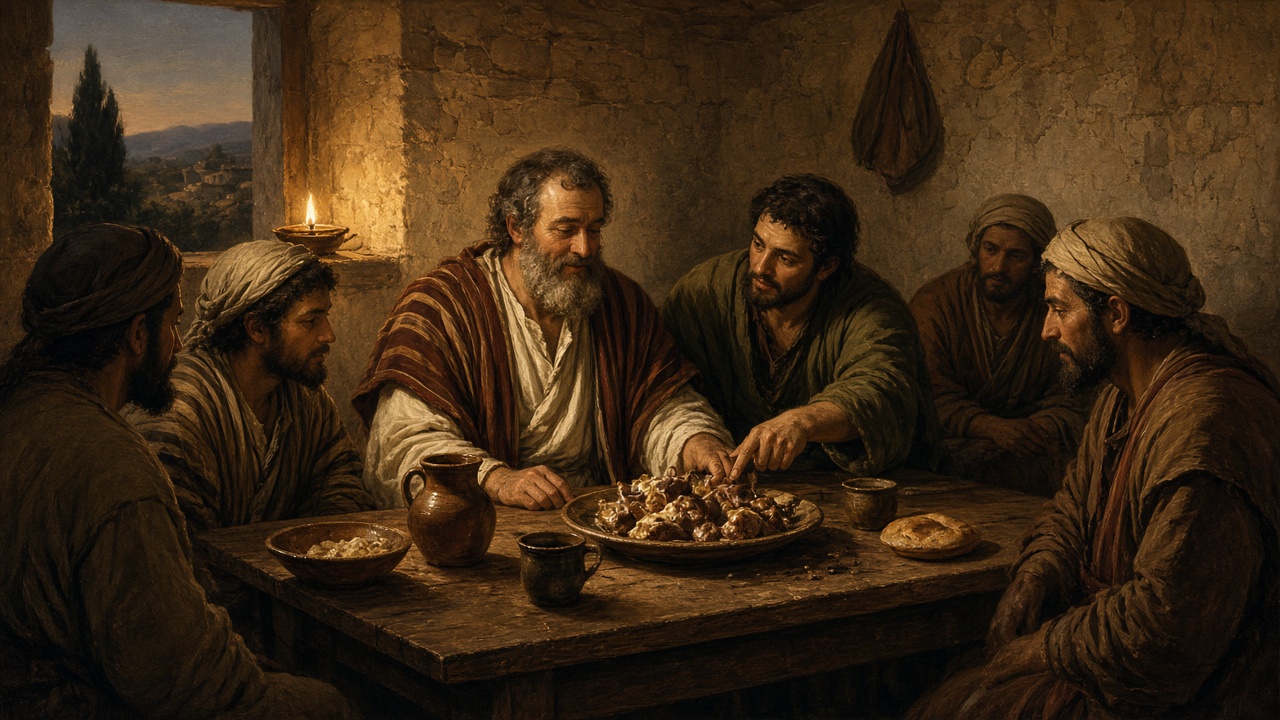
- Llama a la copa de bendición y al pan que se parte una participación en la sangre y el cuerpo de Cristo, y afirma que los sacrificios de los paganos se ofrecen a los demonios, no a Dios, de modo que las dos mesas no pueden compartirse. Lo que se vende en el mercado de carne puede comerse sin plantear cuestiones de conciencia, pues "Del Señor es la tierra y su plenitud", pero si alguien dice que fue ofrecido a los ídolos, conviene rechazarlo por la conciencia de esa persona.Fuentes: el propio texto bíblico
Notas escritas con ayuda de IA a partir de fuentes abiertas (Theographic Bible Metadata, CC BY-SA 4.0; Easton’s Bible Dictionary, dominio público) y revisadas antes de publicarse.
Créditos y licencia de esta traducción
Tẹsitamenti Ikne n'Ọnu Ikwere
New Testament in Ikwere
copyright © 2010 Wycliffe
Language: Ikwere
Translation by: Wycliffe
Ikwerre – (ikw) Nigeria
The Iwerre language of Nigeria can also be spelled Ikwere and Ikwerri. This language is spoken primarily by the Ikwerre people who live in the Rivers State of Nigeria and is one of the many ethnic groups in the Niger Delta. There were more than 23,000 speakers of this language in 1973. There is also a considerable local interest in literacy and grammar.
Copyright Information
© 2010, The Nigeria Bible Translation Trust. All rights reserved.
This translation text is made available to you under the
terms of the Creative Commons License: Attribution-Noncommercial-No Derivative Works.
( http://creativecommons.org/licenses/by-nc-nd/3.0/ )
In addition, you have permission to port the text to different file formats, as long as you
do not change any of the text or punctuation of the Bible.
You may share, copy, distribute, transmit, and extract portions
or quotations from this work, provided that you include the above copyright
information:
You must give Attribution to the work.
You do not sell this work for a profit.
You do not make any derivative works that change any of the actual words or punctuation of the Scriptures.
Permissions beyond the scope of this license may be
available if you contact
us with your request.
Printed book ISBN 9789789076369
New
The New Testament
in Ikwere
© 2010, The Nigeria Bible Translation Trust. All rights reserved.
This translation is made available to you under the terms of the
Creative Commons Attribution-Noncommercial-No Derivatives license 4.0.
You may share and redistribute this Bible translation or extracts from it in any format, provided that:
You include the above copyright and source information.
You do not sell this work for a profit.
You do not change any of the words or punctuation of the Scriptures.
Pictures included with Scriptures and other documents on this site are licensed just for use with those Scriptures and documents.
For other uses, please contact the respective copyright owners.
2019-08-09
Fuente: http://ebible.org/ikwNT/ · eBible.org