Mateo 5
Elu Ọhụn: Ẹkụkwọ-Nsọ (Azụụn Ọhụn rịn'a) · Toca un versículo para ver sus referencias cruzadas.
Nkuzi Jizọsị Nọ Elu Oke Kuzi
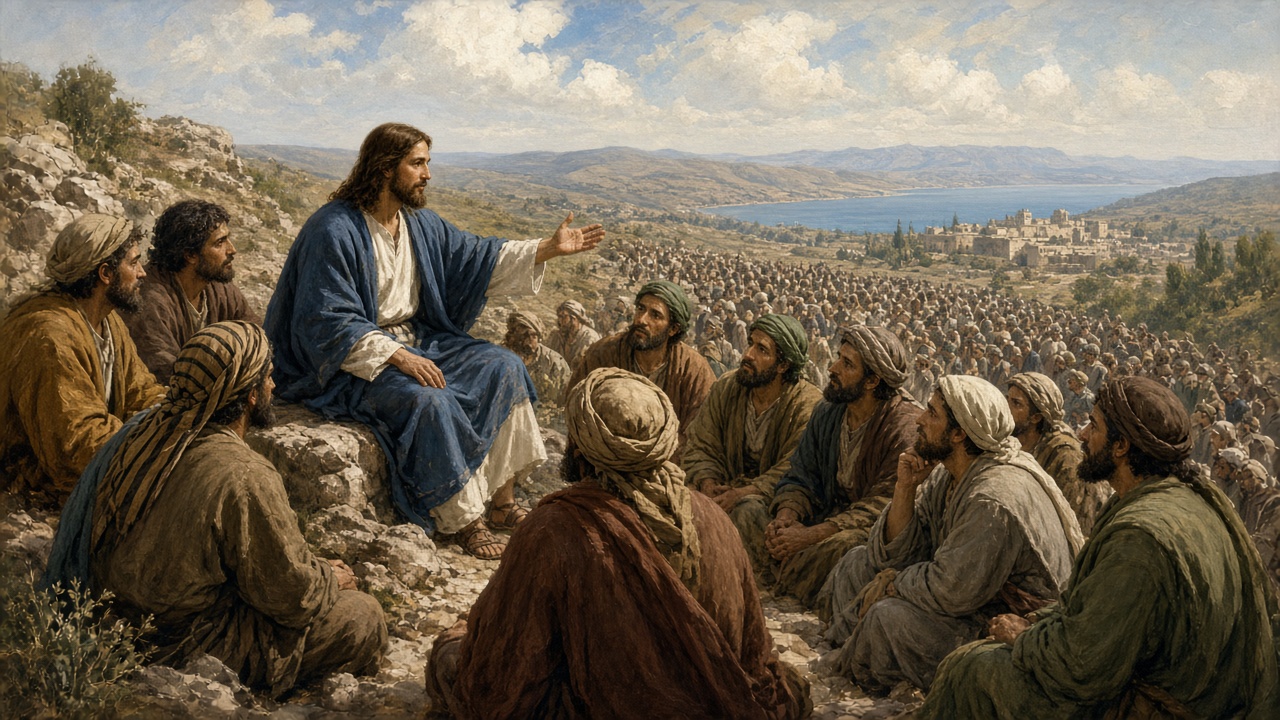
1Ogẹn Jesu gi hụn igunrun ịhịan hụ, ọ nọ si enu oke; ọ nọdịgụụ alị, 'ya ụmụ-azụụn a nọ bịa d'e kunrun ẹ.
Ndị Nke Wẹ Ka Mma
2Ọ nọ kuzimẹ wẹ, sị,
3“Ngọzi rị nị ndị la enwẹn wẹ tọnị Osolobuẹ imẹ mmọn,
makẹni Alị-eze elu-igwee wụ nke wẹ!
4Ngọzi rị nị ndị hụn rị a kwannị,
makẹni wẹ jẹnkọ d'a rọkọ wẹ obi.
5Ngọzi rị nị ndị hụn e welụa enwẹn wẹ alị,
makẹlẹ wẹ sikọ d'e nwọnrin ụwa ile.
6Ngọzi rị nị ndị ọ rị a gụn nị ihiẹn ile rị kẹ Osolobuẹ dọn chọ a,
a gụn wẹ kẹ ihiẹn-oriri lẹ ihiẹn-ọrịra —
makẹni, ẹfọ jẹnkọ d'e jun wẹ.
7Ngọzi rị nị ndị hụn e mẹ ebere,
makẹlẹ wẹ sikọ d'e mẹ ni wẹ ebere.
8Ngọzi rị nị ndị obi wẹ rị ọchan,
makẹni wẹ sikọ d'a hụn Osolobuẹ.
9Ngọzi rị nị ndị hụn e mẹ ni udọn rị,
makẹni wẹ sikọ d'a kpọ wẹ ụmụ Osolobuẹ.
10Ngọzi rị nị ndị wẹ rị e kpokpo makẹni wẹ rị e bi kẹ Osolobuẹ dọn chọ a,
makẹni Alị-eze elu-igwee wụ nke wẹ.”
11“Ngọzi wụ nke ọnụ wẹ gha a kpari ụnụ, e kpokpo ụnụ,
e gi ifiri m e buo ụnụ ụdị eje-ihiẹn ile rị ichẹn-ichẹn.
12Ghọghọ nị; ẹfọ 'ya sụọ ụnụ ụsụọ —
makẹlẹ ụgwọ-ọrụn ọnụ hi-ogbe imẹ elu-igwee!
Makẹni, ẹrịra kẹ wẹ dọn kpokpo ndị-amụma ndị hụn buni ụnụ ụzọ.”
Nnu Lẹ Ukpẹ
13“Ụnụ wụ nnu ụwa, kanị ọwụnị nnu asụọzịnị ụsụọ, ẹghanị k'o jẹnkọ d'a dọn sụọmazị ụsụọ? O nwọnzini ihiẹn ọwụlẹ wẹ gi ẹ e mẹ, kama, w'a ma a e tuhu, a zọgbumẹ w'ẹ.
14Ụnụ wụ ukpẹ ụwa. Obodo wẹ tụnye elu oke asaẹka zueri. 15Ọzọzị, ịhịan a ra mụnyezikwọ ukpẹ zuemẹ ẹ okpuru afẹrẹ, kama, w'e bu ẹ e che enu ihiẹn, kẹni ịhịan ile gi ẹ legha ụzọ. 16Mẹzikwọnị nị ẹrịra: nị nị ukpẹ ọnụ nwun hụn ịhịan e legha, kẹni wẹ hụn ọrụn-ọma ụnụ, gi ẹ ja Nẹdi ọnụ rị elu-igwee mma.”
Nkuzi Banyeni Iwu
17“Erokwọlẹ ni nị m bịa d'a kagbu Iwu Mozizi mọbụ ihiẹn ndị-amụma de. Abịanị m d'a kagbu wẹ, kama, m bịa d'e mẹzu wẹ. 18Makẹni, m rị a gwa ụnụ ezioku, d'e ru mgbe elu-igwee lẹ ụwa ghafe, o nwọnni mkpụrụ-ẹkụkwọ ọwụlẹ mọbụ ihiẹn wẹ vinyedẹ mkpụrụ-ẹkụkwọ, hụn rị imẹ Iwu, hụn jẹnkọ d'a ghafeni bụ o mẹzuni—kẹ hụn kachanrịn ntịn. 19'Ya wụ nị onyẹ ọwụlẹ dan iwu ohu imẹ iwu ndịnị, kuzi ndị ọzọ ẹrịra, wẹ sikọ d'a kpọ a onyẹ hụn kachanrịn ẹkẹrẹ imẹ Alị-eze elu-igwee. Kanị, onyẹ hụn e mẹni wẹ, a kuzi wẹ, wẹ sikọ d'a kpọ a okẹn-ịhịan imẹ Alị-eze elu-igwee. 20Ezioku kẹ m rị a gwa ọnụ, mmanị ụnụ ka ndị-nkuzi Iwu lẹ ndị Itu-Farisi uche Osolobuẹ e mẹ, ọnụ asaẹka banye Alị-eze elu-igwee.”
Nkuzi banyeni Ibu-olulu
21“Ọnụ a nụgụọ nị wẹ sị ndị akan, ‘Egbulẹ ni ọchụ; wẹ sikọ d'a ma onyẹ ọwụlẹ gbu-ọchụ ikpe.’ 22Kanị, mmẹ lẹ enwẹn m sị ọnụ nị wẹ sikọ d'a ma onyẹ ọwụlẹ buni nwẹnẹ ẹ olulu ikpe; onyẹ ọwụlẹ kpọ nwẹnẹ ẹ iyi jẹnkọ Ọgwa Ndị-isi; ọkụn-mmọn rị e che onyẹ ọwụlẹ kpọ nwẹnẹ ẹ ‘Onyẹ-nzuzu!’ ”
23“Yawụ, omẹni ị rị e ye oyiye i ebahụn w'a nọdị e ye oyiye, y'a nọ ebẹhụ nyanhan n'o nwọn ihiẹn i mẹ, hụn nwẹnẹ i gi bu iwe i obi, 24la oyiye i tọ ebẹhụ w'a nọ e ye oyiye, pụ, ịyụ lẹ nwẹnẹ i sụọkingụụ, i kebe kinhẹn d'e ye oyiye i.”
25“Ịyụ lẹ onyẹ-ikpe i sụọkin ẹgwa, ebe 'yụ lẹ 'ya kelẹni ru ọgwa, amamgbe o weri i ye ọka-ikpe, ọka-ikpe e weri i ye onyẹ ẹwuru-ogi, a tụ wẹ i ye ụlọ-ngan; 26M rị a gwa ị ezioku, y'a saẹka fụha d'e ru mgbe ị kụgụụ ịkọbọ ịkpazụụn wẹ be i.”
Nkuzi Banyeni Ughẹrẹ
27“Ụnụ a nụgụọ nị wẹ sị wẹ, ‘Aghẹrẹlẹ.’ 28Kanị mmẹ lẹ enwẹn m rị a gwa ọnụ nị onyẹ ọwụlẹ lee okpoho ẹnya, ọ la a ẹnya, e mẹọlẹ mgba a imẹ obi ẹ. 29Omẹni ẹnya ẹka-nni i a han ị e mẹ njọ, gụpụ a tuhu. Ọ ka ị mma nị mkpamkpa ẹhụ ị ohu arịzị a, karị nị wẹ tụ ẹhịụ ị ile ye ọkụn-mmọn. 30Omẹni ẹka-ihiẹn i a han ị e mẹ njọ, bepụ a tuhu. Ọ ka ị mma nị mkpamkpa ẹhụ ị ohu arịzị a, karị nị wẹ tụ ẹhụ ị ile ye imẹ ọkụn-mmọn.”
Nkuzi Banyeni Mkpechan
31“Wẹ sịzịkwọ, ‘Onyẹ ọwụlẹ kpechan nwunyẹ ẹ jẹnkọ d'e ye ẹ ẹkụkwọ ghọsị n'o kpechanọlẹ a.’ 32Kanị mmẹ lẹ enwẹn m rị a gwa ọnụ nị onyẹ ọwụlẹ kpechan nwunyẹ ẹ, wezụka nị nwunyẹ ẹ zọ ụkụ ye ọfịa, rị e mẹ ẹ n'ọ zọ ọkụ ye ọfịa. Onyẹ ọwụlẹ lụ okpoho wẹ kpechangụụ na nwunyẹ ịhịan.”
Nkuzi Banyeni Ikun-iyi
33“Ọzọ, ọnụ a nụgụọzị nị wẹ sị ndị akan, ‘Ekunlẹ Osolobuẹ tụ ntụ; i jẹnkọ d'e mẹ ni Di-nwọnni-ẹnyi ihiẹn i kunn'ẹ.’ 34Kanị mmẹ lẹ enwẹn m sị ụnụ, ekunkwọlẹ ihiẹn-ọwụlẹ, kaka. Ekunkwọlẹ elu-igwee, makẹni 'ya wụ ukpo Osolobuẹ; 35ekunlẹ ụwa, makẹlẹ 'ya wụ ihiẹn o gi a tụkwasị ụkụ a; ekunlẹ Jerusalẹm, makẹni 'ya wụ obodo Eze uku hụ; 36ekunkwọlẹ isi i, makẹni y'e ri-ẹka gbehutọ ntutu ohu n'ọ chanma ụchan mọbụ n'o gimẹ ngi. 37Sịhụ ‘Ẹghẹẹ’ mọbụ ‘Mba’; ihiẹn ọwụlẹ karị ọnwan gha ẹka Eje-onyẹ hụ bịa.”
Nkuzi Banyeni Mmẹgwarị
38“Ụnụ a nụgụọ nị wẹ sị, ‘Onyẹ tikpọ ịhịan ẹnya ohu, wẹ tikpọgwarị a ẹnya ohu; onyẹ tikwọn ịhịan eze ohu, wẹ tikwọngwarị a eze ohu.’ 39Kama, mmẹ lẹ enwẹn m sị ị emẹgwarịlẹ onyẹ mẹ i eje-ihiẹn. Kama, omẹni ịhịan a ma ị ọra nti ẹka-nni, y'e bu azụụn hụn-ẹbọ zimẹn'ẹ. 40Onyẹ chọ n'o kpe i narịn ị ẹwuru i yi imẹ, yezikwọ a hụn i yiye elu ẹ. 41Onyẹ waye i olu n'i jẹn maịlị ohu, y'e sọn ẹ jẹn maịlị ẹbụọ. 42Onyẹ ọwụlẹ rịọ ị ihiẹn, y'e ye ẹ; onyẹ ọwụlẹ chọ n'o zinarịn ị ihiẹn, ajụlẹ.”
Inwẹ Ihiẹn-ọsụsụọ Ndị-iṅẹnrẹn I
43“Ọnụ a nụgụọ nị wẹ sị, ‘I sikọ d'e nwẹrịrị ihiẹn-ọsụsụọ ndị-ọma ị, ze izize ndị-iṅẹnrẹn i.’ 44Kanị mmẹ lẹ enwẹn m sị ụnụ ‘E nwẹ ni ihiẹn-ọsụsụọ jẹnni ndị-iṅẹnrẹn ọnụ; e mẹ ni ni ndị rị e kpokpo ni ụnụ ekpere.’ 45Ọnwan sikọ d'a ghọsị nke-esi nị ọnụ wụ ụmụ Nẹdi ụnụ hụn rị elu-igwee. Makẹni o mẹ anwụn a e tikpu kẹ onyẹ-njọ kẹ onyẹ-ọma; o zi mirin e jẹnni ndị e mẹ ihiẹn ọ chọ lẹ ndị ghalẹni e mẹ ihiẹn ọ chọ. 46Makẹni, omẹlẹ ndị ihiẹn i a sụọ sụọ kẹ ihiẹn wẹ a sụọ ị, elee ụgwọ-ọrụn k'i k'e nwọnhẹn? Ẹlẹ ẹrịra kẹ ndị a na ụgwọ-isi, ndị hụ wẹ gi njọ marịn, e mẹ? 47Ọzọzị, omẹni ndị nke i sụọ kẹ y'e kele, k'i gi mẹkarị ndị ọzọ? Ẹlẹ ẹrịra kẹ ndị kwerilẹni e mẹ? 48Zu ni nwan oke kẹ Nẹdi ụnụ hụn rị elu-igwee dọn zu oke.”
¿Sabías que…?
El Sermón del Monte
- Al ver a las multitudes, Jesús subió al monte, se sentó y comenzó a enseñar a sus discípulos. Ese discurso se conoce como el Sermón del Monte. Una nota cronológica sitúa su inicio en el año 28 d. C. y le asigna una duración de un día.Fuentes: el propio texto bíblico · Sermon on the Mount
- Al enseñar sobre los juramentos, Jesús dice que no se jure por Jerusalén, porque es la ciudad del gran Rey. En el original, el nombre está en dual y significa posesión de paz o fundación de paz. Esa forma probablemente alude a los dos montes sobre los que se construyó la ciudad, Sion y Moriah, o, como algunos suponen, a la ciudad alta y la ciudad baja; también se la llamaba ciudad de Dios y ciudad santa.Fuentes: el propio texto bíblico · Jerusalem
Notas escritas con ayuda de IA a partir de fuentes abiertas (Theographic Bible Metadata, CC BY-SA 4.0; Easton’s Bible Dictionary, dominio público) y revisadas antes de publicarse.
Lugares de este capítulo
- Jerusalem · 31.777, 35.234 · versículo 35
Solo aparecen lugares identificados con alta confianza (90 % o más según las fuentes académicas reunidas por OpenBible). Mapa de la época: DARE (Digital Atlas of the Roman Empire), CC BY 4.0; mapa actual: © colaboradores de OpenStreetMap; lugares: OpenBible.info (CC BY 4.0).
Créditos y licencia de esta traducción
Elu Ọhụn: Ẹkụkwọ-Nsọ (Azụụn Ọhụn rịn'a)
Revision of New Testament in Ika
copyright © 2010 Wycliffe
Language: Ika
Translation by: Wycliffe
Ika (ikk) Nigeria
In Nigeria the word Ika is not only the name of the Ika
people, but is also used to designate a local government area in the Akwa Ibom
State. The Ika people are a sub group of the Igbo people. It is interesting to note
that Ika is the name of a town in Croatia is one of the eight Annang local
government areas of the local government areas in Akwa Ibom State. An alternative
name for the Ika people is Ika-Annang. There appears to be another dialect of Ika
that is spoken in Delta State of Nigeria.
Copyright Information
© 2010, Wycliffe. All rights reserved.
This translation text is made available to you under the terms of the Creative
Commons License: Attribution-Noncommercial-No Derivative Works. ( http://creativecommons.org/licenses/by-nc-nd/3.0/ ) In addition, you have
permission to port the text to different file formats, as long as you do not change
any of the text or punctuation of the Bible.
You may share, copy, distribute, transmit, and extract portions or quotations from
this work, provided that you include the above copyright information:
You must give Attribution to the work.
You do not sell this work for a profit.
You do not make any derivative works that change any of the actual words or
punctuation of the Scriptures.
Permissions beyond the scope of this license may be available if you contact us
with your request.
Printed book ISBN 9789789037056
Revision
The New Testament
in Ika
© 2010, Wycliffe. All rights
reserved.
This translation is made available to you under the terms of the
Creative Commons Attribution-Noncommercial-No Derivatives license 4.0.
You may share and redistribute this Bible translation or extracts from it in any format, provided that:
You include the above copyright and source information.
You do not sell this work for a profit.
You do not change any of the words or punctuation of the Scriptures.
Pictures included with Scriptures and other documents on this site are licensed just for use with those Scriptures and documents.
For other uses, please contact the respective copyright owners.
2019-08-09
Fuente: http://ebible.org/ikkNT/ · eBible.org