Mateo 2
Elu Ọhụn: Ẹkụkwọ-Nsọ (Azụụn Ọhụn rịn'a) · Toca un versículo para ver sus referencias cruzadas.
Ndị Ahụn Gha Azụụn Ọwụwa-ẹnya-anwụn Bịa
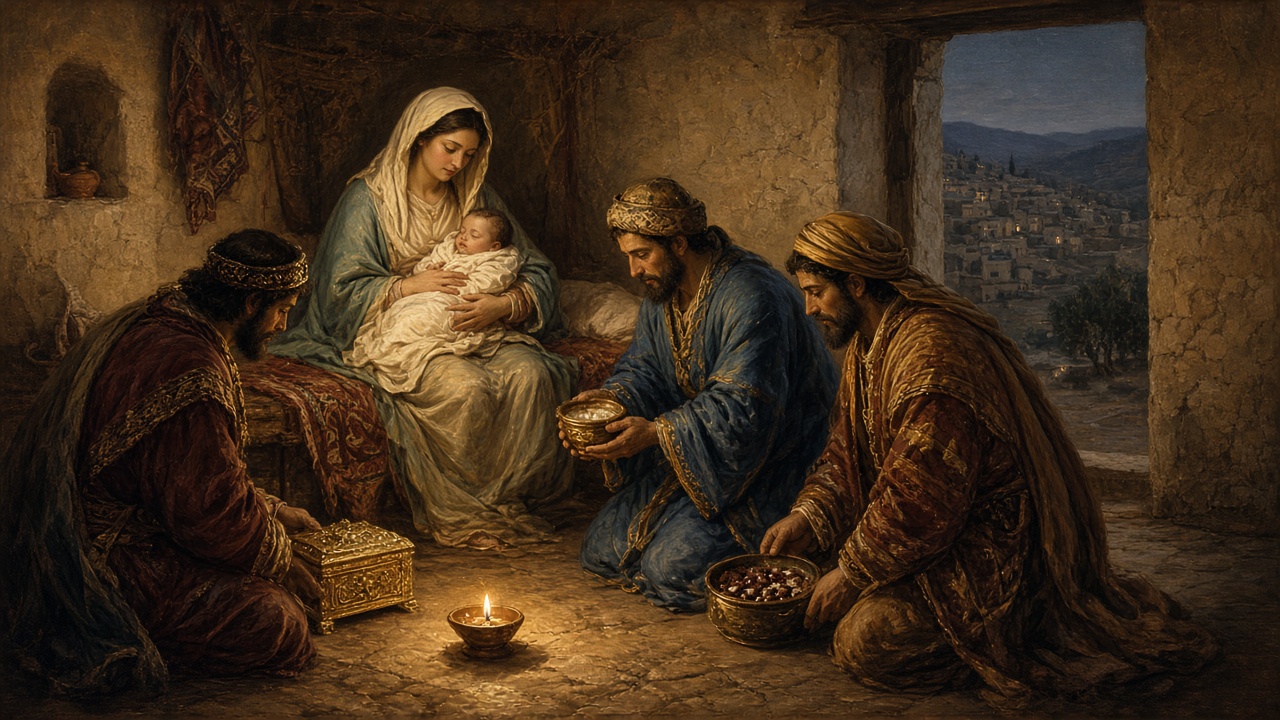
1Wẹ mụ Jesu imẹ obodo Bẹtulẹhẹm hụn rị azụụn Judia ogẹn Hẹrọdụ gi wụ eze. Ogẹn hụ, ndị marịn ihiẹn kokisẹ rị e ku nọ gha alị rị azụụn ọwụwa-ẹnya-anwụn bịa Jerusalẹm, 2a jụ ajụjụ, sị, “Elebe kẹ onyẹ hụ wẹ mụ nke ọhụn hụn wụ eze ndị Ju rị? Makẹni, ẹnyi a hụnọlẹ kokishịa ku oku ẹ k'ọ pụha ogẹn ẹnyi gi rị alị rị azụụn ọwụwa-ẹnya-anwụn; ẹnyi bịa d'e fe ẹ.”
3Ogẹn eze wụ Hẹrọdụ gi nụ ihiẹnni, obi eruzini 'ya lẹ ndị Jerusalẹm ile alị. 4Ọ nọ kpọgbama ndị-isi nchụ-ẹjan lẹ ndị-nkuzi Iwu, jụ wẹ, sị, “Elebe kẹ wẹ de ni ịya kẹ wẹ jẹnkọ d'a nọ mụ Mezaya, Onyẹ Hụ Osolobuẹ Tumẹ?”
5Wẹ nọ za, sị, “Bẹtulẹhẹm hụn rị Judia rọ, makẹni onyẹ-amụma de, sị,
6‘Bẹtulẹhẹm hụn rị imẹ Juda,
ezioku rọ nị ị wụ obodo mẹ ẹkẹrẹ imẹ ndị ọkịkị Juda;
kanị onyẹ-ọkịkị jẹnkọ d'a gha imẹ i pụha,
hụn jẹnkọ d'a kị ndị nke m wụ ndị Izrẹlụ.’ ”
7'Ya Hẹrọdụ nọ kpọ ndị hụ marịn ihiẹn kokisẹ rị e ku, gi nzuzue jụ wẹ ogẹn wẹ gi hụn kokisẹ hụ. 8'Ya ọ nọ zi wẹ jẹn Bẹtulẹhẹm, sị, “Jẹn ni; chọkẹnmẹ ni nwata hụ. Ọnụ hụn a, bịa nị d'a gwa m, nị mmẹ lẹ enwẹn m jẹnzi d'e fe ẹ.”
9Ogẹn wẹ gi nụchanrịngụụ ihiẹn eze ku, wẹ nọ jẹnmẹ ebe wẹ jẹnkọ! Kokisẹ hụ nọ pụhazị, du wẹ ru Bẹtulẹhẹm; e ru wẹ ebe nwata hụ rị, ọ nọ wuzo. 10Ogẹn wẹ gi hụn kokishịa hụ, ịghọghọ nọ jun wẹ obi. 11Ogẹn wẹ gi banye imẹ ụlọ hụ, hụn nwata hụ lẹ nnẹ ẹ wụ Meri, wẹ nọ sekpu, fe nwata hụ. 'Ya wẹ nọ tọpụ ẹkpa wẹ buche ihiẹn ṅanrannị rị ichẹn-ichẹn, ye ẹ goru lẹ frankisẹnsị lẹ maa.
12Makẹni Osolobuẹ a dọlẹ wẹ ẹka-ntịn imẹ nrọ sị w'e kinlẹ azụụn d'e kunrun Hẹrọdụ, wẹ nọ ghasi ụzọ ọzọ lashi alị wẹ.
Josẹfụ E Gi Nzuzue We Wẹ Gbasi Ijiptu
13Ogẹn wẹ gi lamagụụ, mmọn-ozi Di-nwọnni-ẹnyi nọ bịa d'e kunrun Josẹfụ imẹ nrọ, sị a, “Lihi ọtọ! Weri nwata hụ lẹ nnẹ ẹ gbasi Ijiptu; nọdị nị ebahụn d'e ru ogẹn m jẹnkọ d'a gwa ị, makẹni Hẹrọdụ e bugụọ a obi n'o jẹnkọ d'a chọ nwata hụ kẹni o gbu ẹ.”
14'Ya Josẹfụ nọ lihi, gi imẹ uhinhin weri nwata hụ lẹ nnẹ ẹ si Ijiptu. 15Wẹ nọ nọdị ebẹhụ d'e ru ogẹn Hẹrọdụ gi nwụn. Ọnwan kẹ ihiẹn ahụn Di-nwọnni-ẹnyi gi onyẹ-amụma ku gi mẹzu, nị “Imẹ Ijiptu kẹ m gha kpọpụha nwa m.”
Hẹrọdụ A Sị Wẹ Gbu Ụmụẹka
16Ogẹn Hẹrọdụ gi hụn nị ndị hụ marịn ihiẹn kokisẹ rị e ku e mẹọlẹ ẹ ẹro, eje-olulu nọ bumẹ ẹ. Ọ nọ zi ndị hụn o zi, wẹ nọ jẹn d'e gbupụ ụmụẹka-ikẹnnyẹ ile rị Bẹtulẹhẹm lẹ alị ndị hụ nọkunmẹn'ẹ, ikẹnnyẹ ndị hụn rị ahụa ẹbụọ lẹ ndị kelẹni ru ahụa ẹbụọ—ogẹn ndị ahụn marịn ẹnya kokisẹ gwa a nị ya kẹ wẹ hụn ya wụ kokisẹ k'ọ gha gbakọ ogẹn, mẹ ihiẹnni o mẹ.
17'Ya kẹ wẹ gi mẹzu ihiẹn Osolobuẹ gi onyẹ-amụma wụ Jẹrimaya ku, sị,
18“Wẹ nụ olu ohu imẹ obodo Rama,
ọ hụ a kwan—e goo ntan, e goo imọn.
Rechẹlụ rọ—ọ rị a kwan ụmụ a;
ọ nịnị wẹ hụhụ a,
makẹni a nwụnchanrịngụọ wẹ.”
A Gha Wẹ Ijiptu Lụa
19Ogẹn Hẹrọdụ gi nwụnhụngụụ, mmọn-ozi Di-nwọnni-ẹnyi nọ bịa d'e kunrun Josẹfụ imẹ nrọ imẹ alị Ijiptu, 20sị a, “Lihi, weri nwata hụ lẹ nnẹ ẹ si alị Izrẹlụ, makẹni ndị rị a chọ nị wẹ gbu nwata hụ a nwụngụọ.” 21Ọ nọ tẹnhin, weri nwata hụ lẹ nnẹ ẹ si alị Izrẹlụ.
22Kanị, ogẹn o gi nụ nị Akịlahusu rikin eze nẹdi ẹ wụ Hẹrọdụ, a kị Judia, egun anịn'a jẹn ebẹhụ. A dọgụzị w'a ẹka-ntịn imẹ nrọ, ọ nọ si ẹgbẹrẹ Galili. 23Ọ nọ jẹn d'e biri imẹ obodo w'a kpọ Nazarẹtị. Ẹrịra kẹ ihiẹn ahụn ndị-amụma ku, sị, “Wẹ jẹnkọ d'a kpọ a onyẹ Nazarẹtị” gi mẹzu.
¿Sabías que…?
Magos, Herodes y Nazaret
- El rey Herodes de este capítulo es Herodes el Grande. Su hijo Arquelao, habido con Malthace, una mujer samaritana, heredó la tercera parte del reino: Idumea, Judea y Samaria. Hasta pocos días antes de la muerte de Herodes, otro hijo, Antipas, había sido nombrado sucesor, pero en sus últimos momentos Herodes nombró a Arquelao; por temor a él, José se apartó de Judea y se retiró a Galilea.Fuentes: Archelaus · el propio texto bíblico
- Mateo relaciona la muerte de los niños en Belén con palabras pronunciadas por el profeta Jeremías: una voz en Ramá, Raquel llorando por sus hijos. Raquel, una de las esposas de Jacob, murió al dar a luz a Benjamín y fue sepultada junto al camino de Efrata, es decir, Belén, justo al norte de la ciudad. Su sepulcro es objeto de gran veneración entre los judíos.Fuentes: el propio texto bíblico · Rachel · Bethlehem
- Belén, en la región montañosa de Judá, se llamaba antes Efrata y también era conocida como la ciudad de David; bajo los romanos quedaba en Judea, la más meridional de las tres divisiones de Palestina. José y María fueron en cambio a Nazaret, en Galilea, su hogar, un pueblo que no se menciona en el Antiguo Testamento. En general se supone que el nombre Nazaret proviene del hebreo netser, un renuevo o brote, aunque algunos lo relacionan con una palabra que significa guardar o vigilar.Fuentes: Bethlehem · Judea · Nazareth · el propio texto bíblico
Notas escritas con ayuda de IA a partir de fuentes abiertas (Theographic Bible Metadata, CC BY-SA 4.0; Easton’s Bible Dictionary, dominio público) y revisadas antes de publicarse.
Lugares de este capítulo
- Bethlehem · 31.704, 35.208 · versículos 1, 5, 6, 8, 9, 16
- East · Hoy: region around Amman · 31.955, 35.934 · versículos 1, 2, 9
- Jerusalem · 31.777, 35.234 · versículos 1, 3
- Judea · Hoy: Judea 1 · 31.777, 35.234 · versículos 1, 5, 22
- Egypt · 30.129, 31.308 · versículos 13, 14, 15, 19
- Galilee · 32.760, 35.527 · versículo 22
- Nazareth · 32.702, 35.298 · versículo 23
Solo aparecen lugares identificados con alta confianza (90 % o más según las fuentes académicas reunidas por OpenBible). Mapa de la época: DARE (Digital Atlas of the Roman Empire), CC BY 4.0; mapa actual: © colaboradores de OpenStreetMap; lugares: OpenBible.info (CC BY 4.0).
Créditos y licencia de esta traducción
Elu Ọhụn: Ẹkụkwọ-Nsọ (Azụụn Ọhụn rịn'a)
Revision of New Testament in Ika
copyright © 2010 Wycliffe
Language: Ika
Translation by: Wycliffe
Ika (ikk) Nigeria
In Nigeria the word Ika is not only the name of the Ika
people, but is also used to designate a local government area in the Akwa Ibom
State. The Ika people are a sub group of the Igbo people. It is interesting to note
that Ika is the name of a town in Croatia is one of the eight Annang local
government areas of the local government areas in Akwa Ibom State. An alternative
name for the Ika people is Ika-Annang. There appears to be another dialect of Ika
that is spoken in Delta State of Nigeria.
Copyright Information
© 2010, Wycliffe. All rights reserved.
This translation text is made available to you under the terms of the Creative
Commons License: Attribution-Noncommercial-No Derivative Works. ( http://creativecommons.org/licenses/by-nc-nd/3.0/ ) In addition, you have
permission to port the text to different file formats, as long as you do not change
any of the text or punctuation of the Bible.
You may share, copy, distribute, transmit, and extract portions or quotations from
this work, provided that you include the above copyright information:
You must give Attribution to the work.
You do not sell this work for a profit.
You do not make any derivative works that change any of the actual words or
punctuation of the Scriptures.
Permissions beyond the scope of this license may be available if you contact us
with your request.
Printed book ISBN 9789789037056
Revision
The New Testament
in Ika
© 2010, Wycliffe. All rights
reserved.
This translation is made available to you under the terms of the
Creative Commons Attribution-Noncommercial-No Derivatives license 4.0.
You may share and redistribute this Bible translation or extracts from it in any format, provided that:
You include the above copyright and source information.
You do not sell this work for a profit.
You do not change any of the words or punctuation of the Scriptures.
Pictures included with Scriptures and other documents on this site are licensed just for use with those Scriptures and documents.
For other uses, please contact the respective copyright owners.
2019-08-09
Fuente: http://ebible.org/ikkNT/ · eBible.org