Mateo 12
Elu Ọhụn: Ẹkụkwọ-Nsọ (Azụụn Ọhụn rịn'a) · Toca un versículo para ver sus referencias cruzadas.
Ajụjụ Banyeni Ụhụọhịn Izu-ikẹn
1Ogẹn hụ, o ru Ụhụọhịn Izu-ikẹn ohu, Jizọsị ghafekọ ugbo wẹ kụn ọka-witi; ẹgụn hụ a gụn ụmụ-azụụn a, 'ya wẹ nọ ghọrịma ọka-witi a ta. 2Ogẹn ndị Itu-Farisi gi hụn ihiẹnni, wẹ nọ sị a, “Y'a hụn a, ụmụ-azụụn ị e mẹmẹọlẹ ihiẹn iwu sị w'e mẹlẹ Ụhụọhịn Izu-ikẹn.”
3Ọ nọ sị wẹ, “Ụnụ e ke gụntu ihiẹn Defidi mẹ ogẹn ẹgụn gi rị a gụn 'ya lẹ ndị 'ya lẹ wẹ wị? 4K'o dọn banye ụlọ Osolobuẹ, ri brẹdi-nsọ ahụn w'e bupụhanị Osolobuẹ, hụn iwu sị n'o furuni nị ịya mọbụ ndị ya lẹ wẹ wị ri ẹ, nị ndị nchụ-ẹjan sụọ e ri ẹ?” 5“Ra ọnụ e ke gụntu imẹ Iwu k'o dọn wụrụ nị, o ru Ụhụọhịn Izu-ikẹn, ndị nchụ-ẹjan rị a rụn ọrụn imẹ Ụlọ-nsọ a dan iwu Izu-ikẹn bụ ikpe amanị wẹ?
6M rị nwan a gwa ụnụ nị ihiẹn ka Ụlọ-nsọ rị ebeni! 7Omẹni ụnụ te marịn alị okuni: ‘M chọ omikẹn ẹlẹ ịchụ-ẹjan,’ ọnụ e ke gha a ma onyẹ nwọnlẹni ihiẹn o mẹ ikpe. 8Makẹni, mmẹ wụ Nwa nke Ịhịan kẹ oku Ụhụọhịn Izu-ikẹn rị ẹka.”
Okẹnnyẹ Ẹka Ohu Nwụnhụn
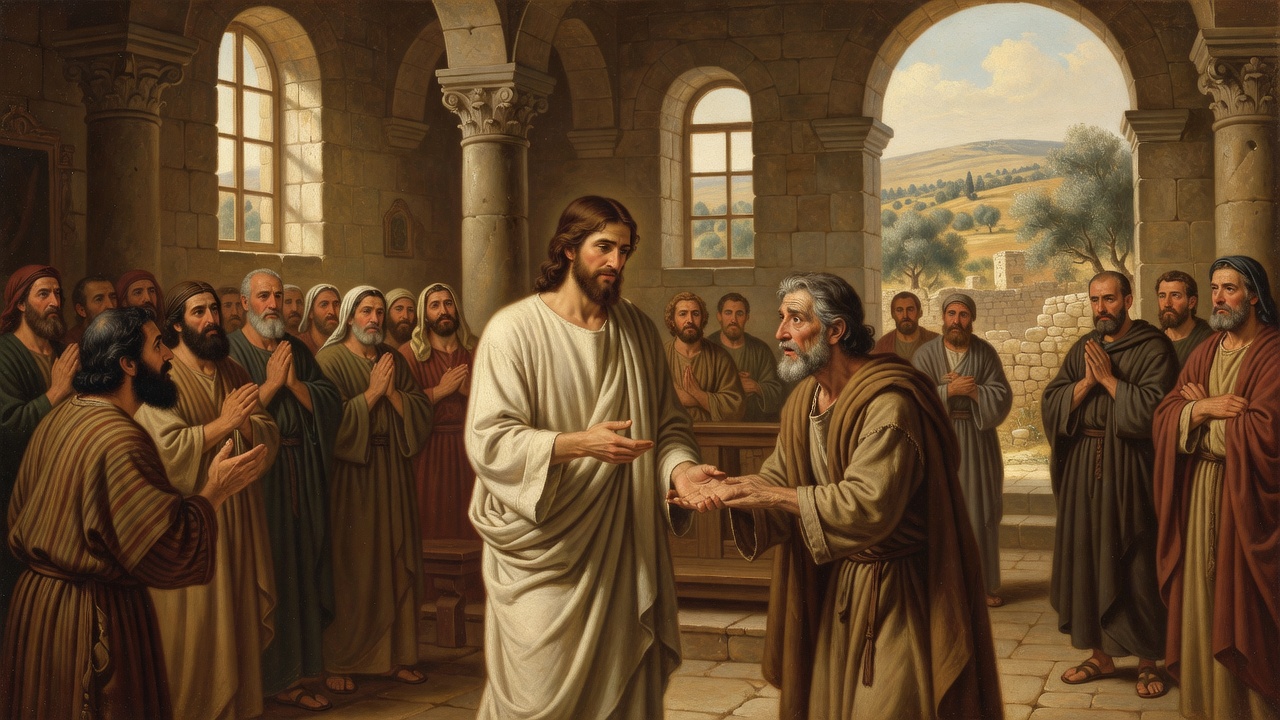
9Jesu nọ gha ebahụn pụ, banye ụlọ-ofufe wẹ. 10O nwọn okẹnnyẹ ẹka ohu nwụnhụn rị ebẹhụ. Ndị-Itu-Farisi ndị hụ chọkọ ihiẹn w'e gi ma Jesu ikpe, wẹ nọ jụ a ụtaa, sị, “Iwu kweriọghọ nị wẹ zụọ ndị emu rị a kụ Ụhụọhịn Izu-ikẹn?” 11Ọ nọ sị wẹ, “Omẹni onyẹ ohu imẹ ọnụ nwọn atụnrụn ohu sụọ, nị atụnrụn hụ a danban imẹ olu Ụhụọhịn Izu-ikẹn, o zukọ ẹka ye ẹ, wepụha? 12Bụ ịhịan ka mkpa ọda-ọda karị atụnrụn. 'Ya wụ, iwu e kweriọghọ nị w'e mẹ ihiẹn rị mma Ụhụọhịn Izu-ikẹn.” 13'Ya ọ nọ sị okẹnnyẹ hụ, “Tịnpụ ẹka ị.” Ọ tịnpụ a, ọ nọ rị mma kẹ hụn-ẹbọ. 14Kanị, ndị Itu-Farisi ahụn nọ pụ d'e ri n'ẹ ngo kẹ wẹ sikọ d'a dọn gbu ẹ.
Odibo Osolobuẹ Họrị
15Ogẹn Jizọsị gi marịn ihiẹn ndị Itu-Farisi ahụn romẹ, ọ nọ gha ebahụn pụ, ndị bu ọda nọ sọnmẹ ẹ, ọ nọ zụọchanrịn wẹ ile. 16Ọ nọ dọ wẹ ẹka ntịn w'a nịlẹ ịhịan marịn nị ịya rọ. 17Ọnwan wụ igi mẹzu ihiẹn Osolobuẹ gi onyẹ-amụma wụ Azaya ku, sị,
18“Ledẹ odibo m, hụn m họrị; ezi odibo m rọ; ihiẹn ẹ a sụọka m.
M jẹnkọ d'e bu Mmọn-nsọ m kwasị a; o jẹnkọ d'a ghọsị ndị alị ndị ọzọ ile rị ụwa ezigbo eṅẹn.
19Ọ dọkọ ndọndọ mọbụ yi oro; o nwọnni onyẹ sikọ d'a nụ olu ẹ ọgbara-ogbe.
20Ọ kpagipụkọ ẹfịfịa-ridi rị a kpagini mọbụ tinyụnpụ ukpẹ rị e tinyụnnị,
d'e ru ni o ye ezi-omumẹ mmẹri.
21Ndị alị ndị ọzọ ile jẹnkọ d'e gidẹ ẹfan a nwọn olil'ẹnya.”
Jizọsị Lẹ Bẹzibọ
22'Ya wẹ nọ wẹhẹn'ẹ onyẹ eje-mmọn rị imẹ ẹ, hụn o mẹni a ra legha ụzọ, a ra ku oku. Ọ nọ zụọ a, onyẹ ẹnya-mpịn odin hụ nọ kumẹ oku, hụnma ụzọ. 23Ọ nọ tụkẹnmẹ igunrun hụ ẹnya, wẹ nọ sị, “Ọnwan wụdẹ nwan Nwa Defidi ra?” 24Kanị ogẹn ndị Itu-Farisi gi nụ a, wẹ nọ sị, “Ikẹn Bẹzibọ, onyẹ-isi eje-mmọn ile, kẹ okẹnnyẹni gihụ a chụpụ eje-mmọn.”
25Jizọsị a marịngụọ ihiẹn wẹ rị e ro imẹ obi wẹ, ọ nọ sị, “O nwọnni alị-eze ọwụlẹ kebeni hụn wẹ jẹnkọlẹni d'a la iwi; o nwọnni obodo mọbụ ikpun-ụlọ kebeni hụn sikọ d'a tọnị. 26Omẹlẹ Ekwensụ rị a chụpụ Ekwensụ, o kebegụọ enwẹn ẹ. Nanị kẹ alị-eze ẹ e dọn nwan tọ? 27Omẹni ikẹn Bẹzibọ kẹ m gi a chụpụ eje-mmọn, ikẹn onyẹ kẹ ndị nke ụnụ gi a chụpụ wẹ? 'Ya wụ, uwẹ jẹnkọ d'a ma ọnụ ikpe. 28Kanị, omẹni ikẹn Mmọn-nsọ Osolobuẹ kẹ m gi a chụpụ eje-mmọn, 'ya wụ nị Alị-eze Osolobuẹ e rugụọlẹ ebe ụnụ rị. 29Nanị kẹ ịhịan e dọn saẹka banhan iwe dikẹn, kwarị ibu ẹ, mmanị o bu ụzọ kẹnmẹgụọ a? Ẹghẹẹ, o kẹnmẹgụụ a k'ọ nọ saẹka kwarị ihiẹn rị iwe ẹ.
30Onyẹ ọwụlẹ hụn rịlẹni azụụn nke m rị a lụsọn m ọgụn; onyẹ ọwụlẹ hụn ghalẹni e sọn m e kpọnkikomẹ rị e kpọnyịya. 31M rị nwan a gwa ụnụ nị wẹ jẹnkọ d'a gbagharị ịhịan njọ ọwụlẹ, gbagharị wẹ arụ ọwụlẹ wẹ ku, kanị agbagharịkọ wẹ onyẹ ku arụ banyeni Mmọn-nsọ. 32Wẹ jẹnkọ d'a gbagharị onyẹ ọwụlẹ kuja oku mmẹ wụ Nwa nke Ịhịan; kanị, agbagharịkọ wẹ onyẹ kuja oku Mmọn-nsọ, agbagharịkọ w'a kẹ ogẹnni kẹ ogẹn lalanị.”
Osisi Lẹ Mkpụrụ A
33“Mẹmẹ osisi n'ọ rị mma, mkpụrụ a jẹnkọ d'a rị mma; mẹmẹ osisi n'ọ jọ njọ, mkpụrụ a sikọ d'a jọ njọ—makẹni mkpụrụ osisi kẹ wẹ gi a marịn a. 34Igunrun agwọ! Nanị kẹ ụnụ a dọn saẹka ku ihiẹn rị mma ebe ọnụ wụ ndị-njọ? Ihiẹn jun ịhịan imẹ obi y'a gha a ọnụ a pụha. 35Ezigbo ịhịan, a gha ihiẹn rị mma rị a imẹ e wepụha ihiẹn ọma, kanị eje-ịhịan a gha eje-ihiẹn rị a imẹ e wepụha eje-ihiẹn. 36M rị a gwa ụnụ n'o ru Ụhụọhịn Ichin-ikpe, ịhịan jẹnkọ d'a za ajụjụ banyeni oku ile nwọnlẹni isi hụn wẹ ku. 37Makẹni wẹ jẹnkọ d'e gi ihiẹn i ku ma ị ikpe, gizikwọ ihiẹn i ku sị nị ikpe a manị ị.”
A Sị Wẹ Jesu Ghọsị Wẹ Ahịma Pụ-ichẹn
38'Ya ndị hụ imẹ ndị-nkuzi Iwu lẹ ndị Itu-Farisi nọ sị Jesu, “Onyẹ-nkuzi, ẹnyi chọ n'ị ghọsị ẹnyi ahịma pụ-ichẹn hụn gha ẹka Osolobuẹ bịa.” 39Kanị ọ nọ sị wẹ, “Eje-agbọ ẹnya rịlẹni ụzọ ohu sị wẹ ghọsị wẹ ahịma! Kalẹ, o nwọnni ahịma wẹ jẹnkọ d'a ghọsị wẹ wezụka ihiẹn mẹ onyẹ-amụma wụ Jona: 40ẹrịra Jona dọn nọdị imẹ ẹfọ azụn hụ hi-ogbe akpụ-ụhụọhịn ẹtọ kẹ mmẹ wụ Nwa nke Ịhịan sikọ d'a nọdị imẹ alị akpụ-ụhụọhịn ẹtọ.
41Ndị Ninivẹ jẹnkọ d'a pụha ọshẹri Ogẹn Okinkin-ikpe, shịagbu ndị agbọnị ẹri, makẹni e rogharịọghọ wẹ ogẹn Jona gi zi wẹ ozi Osolobuẹ—bụ ihiẹn ka Jona rị ebeni!
42Eze-okpoho alị Shiba, alị hụ rị azụụn ndịdan-mirin, jẹnkọ d'a pụha ọshẹri Ogẹn Okinkin-ikpe, shịagbu ndị agbọnị ẹri. Makẹni, ọ gha alị tegbu enwẹn ẹ bịa d'e gọn amamihiẹn Solomọnụ ntịn; ka lee nwan, ihiẹn ka Solomọnụ rị ebeni!”
Ihiẹn E Wekinhẹn Eje-mmọn Wẹ Chụpụgụụ
43“Eje-mmọn gha imẹ ịhịan pụ, ọ ghasọnmẹ ebe mirin rịlẹni, a chọ ebe o sikọ d'a nọ zu ikẹn. Omẹni ọ hụnnị, 44o jẹnkọ d'a sị enwẹn ẹ, ‘M sikọ d'e kin-azụụn iwe m hụn m gha pụha.’ Ọ bịa, hụn a nị o nwọnni ihiẹn rịn'a, nị a zachanrịngụọ w'a, dọnzichanrịn a, 45o jẹn d'e wẹhẹ eje-mmọn ẹsa ọzọ hụn ka ya lẹ enwẹn ẹ njọ, 'ya lẹ wẹ a wị banye ebẹhụ d'e biri. Ọnọdị ịkpazụụn onyẹ hụ a ka njọ karị nke mbụ. Ẹrịra k'o jẹnkọ d'a rịzịkwọ nị ndị eje-agbọnị.”
Nnẹ Lẹ Umunẹ Jizọsị
46Ogẹn Jizọsị gi rị a gwa igunrun hụ oku, nnẹ ẹ lẹ umunẹ-ẹ-ikẹnnyẹ nọ bịa d'e turu ihun ezi, a chọ nị wẹ gwa a oku. [ 47Ya kẹ onyẹ ohu nọ sị, “Lee, nnẹ i lẹ umunẹ i ikẹnnyẹ turu ihun ezi, wẹ chọ nị wẹ gwa ị oku.”] 48Kanị, ọ nọ za onyẹ hụ gwa n'a, sị, “Onyẹ wụ nnẹ m? Elee ndị wụ umunẹ-m-ikẹnnyẹ?” 49Ọ nọ zin ụmụ-azụụn a ẹka, sị, “Ndịnị rị ebeni wụ nnẹ m lẹ umunẹ-m-ikẹnnyẹ. 50Makẹni onyẹ ọwụlẹ hụn e mẹ uche Nẹdi m hụn rị elu-igwee wụ nwẹnẹ-m-okẹnnyẹ lẹ nwẹnẹ-m-okpoho lẹ nnẹ m.”
¿Sabías que…?
Señor del sábado y las señales del Reino
- Cuando los fariseos lo cuestionaron por recoger espigas en sábado, Jesús citó el relato del Antiguo Testamento donde David comió los panes consagrados cuando tuvo hambre. Argumentó que la necesidad humana y hacer el bien tienen prioridad sobre las normas rituales, declarándose Señor del sábado.Fuentes: el propio texto bíblico · David
- Tras expulsar un demonio de un hombre ciego y mudo, Jesús fue acusado de actuar por medio de Beelzebú, el príncipe de los demonios. Jesús rechazó la acusación, explicando que un reino o casa dividida contra sí misma no puede sostenerse y que expulsar demonios por el Espíritu de Dios demuestra la llegada de su reino.Fuentes: el propio texto bíblico · Satan
- En respuesta a quienes pedían una señal milagrosa, Jesús señaló al profeta Jonás, comparando los tres días de Jonás en el vientre del pez con su propia muerte y sepultura venideras. Advirtió que los habitantes de Nínive y la Reina del Sur juzgarían a esa generación porque respondieron a Jonás y a Salomón, mientras que alguien mayor estaba ahora presente.Fuentes: el propio texto bíblico · Jonah · Nineveh · Solomon
Notas escritas con ayuda de IA a partir de fuentes abiertas (Theographic Bible Metadata, CC BY-SA 4.0; Easton’s Bible Dictionary, dominio público) y revisadas antes de publicarse.
Lugares de este capítulo
Solo aparecen lugares identificados con alta confianza (90 % o más según las fuentes académicas reunidas por OpenBible). Mapa de la época: DARE (Digital Atlas of the Roman Empire), CC BY 4.0; mapa actual: © colaboradores de OpenStreetMap; lugares: OpenBible.info (CC BY 4.0).
Créditos y licencia de esta traducción
Elu Ọhụn: Ẹkụkwọ-Nsọ (Azụụn Ọhụn rịn'a)
Revision of New Testament in Ika
copyright © 2010 Wycliffe
Language: Ika
Translation by: Wycliffe
Ika (ikk) Nigeria
In Nigeria the word Ika is not only the name of the Ika
people, but is also used to designate a local government area in the Akwa Ibom
State. The Ika people are a sub group of the Igbo people. It is interesting to note
that Ika is the name of a town in Croatia is one of the eight Annang local
government areas of the local government areas in Akwa Ibom State. An alternative
name for the Ika people is Ika-Annang. There appears to be another dialect of Ika
that is spoken in Delta State of Nigeria.
Copyright Information
© 2010, Wycliffe. All rights reserved.
This translation text is made available to you under the terms of the Creative
Commons License: Attribution-Noncommercial-No Derivative Works. ( http://creativecommons.org/licenses/by-nc-nd/3.0/ ) In addition, you have
permission to port the text to different file formats, as long as you do not change
any of the text or punctuation of the Bible.
You may share, copy, distribute, transmit, and extract portions or quotations from
this work, provided that you include the above copyright information:
You must give Attribution to the work.
You do not sell this work for a profit.
You do not make any derivative works that change any of the actual words or
punctuation of the Scriptures.
Permissions beyond the scope of this license may be available if you contact us
with your request.
Printed book ISBN 9789789037056
Revision
The New Testament
in Ika
© 2010, Wycliffe. All rights
reserved.
This translation is made available to you under the terms of the
Creative Commons Attribution-Noncommercial-No Derivatives license 4.0.
You may share and redistribute this Bible translation or extracts from it in any format, provided that:
You include the above copyright and source information.
You do not sell this work for a profit.
You do not change any of the words or punctuation of the Scriptures.
Pictures included with Scriptures and other documents on this site are licensed just for use with those Scriptures and documents.
For other uses, please contact the respective copyright owners.
2019-08-09
Fuente: http://ebible.org/ikkNT/ · eBible.org