Juan 12
Elu Ọhụn: Ẹkụkwọ-Nsọ (Azụụn Ọhụn rịn'a) · Toca un versículo para ver sus referencias cruzadas.
E Hukpu Wẹ Jesu Udẹn
1Ogẹn o gi họdụ akp'ọhịn isin nị Mmẹmmẹ-Nghafe ru, Jizọsị nọ jẹn Bẹtanị, iwe Lazarọsị, okẹnnyẹ hụ ọ gha ọnwụn weli. 2Wẹ nọ shi ni Jesu ihiẹn-oriri ẹnyasị ahụn. Mata hụ e jẹn ozi, e buye wẹ ihiẹn-oriri ahụn; Lazarọsị rị ndị rị e sọn ẹ e ri ihiẹn-oriri.
3'Ya kẹ Meri nọ wẹhẹ udẹn e shin ọhụnma ṅanranị wẹ gi osisi nadị mẹmẹ, hụn wẹ gwalẹni. Udẹn hụ k'e jun ihiẹn nọ kẹ ọgọ-nta ohu lẹ nkirishi. Ọ nọ hu ẹ ye Jesu ụkụ, gi ntutu rị a isi e fikọrị a; ishin udẹn hụ nọ kungbama ụlọ hụ ile. 4Kanị onyẹ ohu imẹ ụmụ-azụụn Jizọsị, 'ya wụ Judasị nwa Iskarọtụ (hụn jẹnkọ d'e re n'ẹ), nọ sị, 5“Kị haịn wẹ gilẹni re udẹnni, we egho ẹ ye ndị igbẹnnyẹ? O rugụọ ihiẹn rịkẹ egho-ọrụn akp'ọhịn ọgụn-mmisẹn.” 6(Ẹlẹ ni ndị igbẹnnyẹ rị a mkpa haịn o gi ku ihiẹnni. Kanị, onyẹ-ohin k'ọ wụ: ịya nwẹ e dọnmẹ ni Jesu wẹ egho; o werisọnmẹ egho wẹ ye ẹ dọnmẹ.)
7Kanị Jizọsị nọ sị, “Hatu n'ẹ, n'o gi ẹ kwademẹ olili m.
8Ụnụ lẹ ndị igbẹnnyẹ rị ogẹn ile, kanị mmẹ nwẹn esọnkọ ụnụ nọdị ogẹn ile.”
E Rini Wẹ Lazarọsị Ngo
9Ndị Ju bu ọda a nụ nị Jesu rị Bẹtanị, 'ya wẹ nọ bịa ebahụn. Kanị, ẹlẹ ifiri Jesu sụọ kẹ wẹ gi bịa, kanị, wẹ chọzị nị wẹ hụn Lazarọsị, hụn ọ gha ọnwụn weli. 10'Ya ndị-isi nchụ-ẹjan nọ rimẹni Lazarọsị ngo ni wẹ gbuzi ya nwẹn, 11makẹlẹ ufiri ẹ kẹ ndị Ju bu ọda gi rị a jụ nke wẹ a tọ, e kwerini Jesu.
Onyẹ Mmẹri A Banhan Jerusalẹm
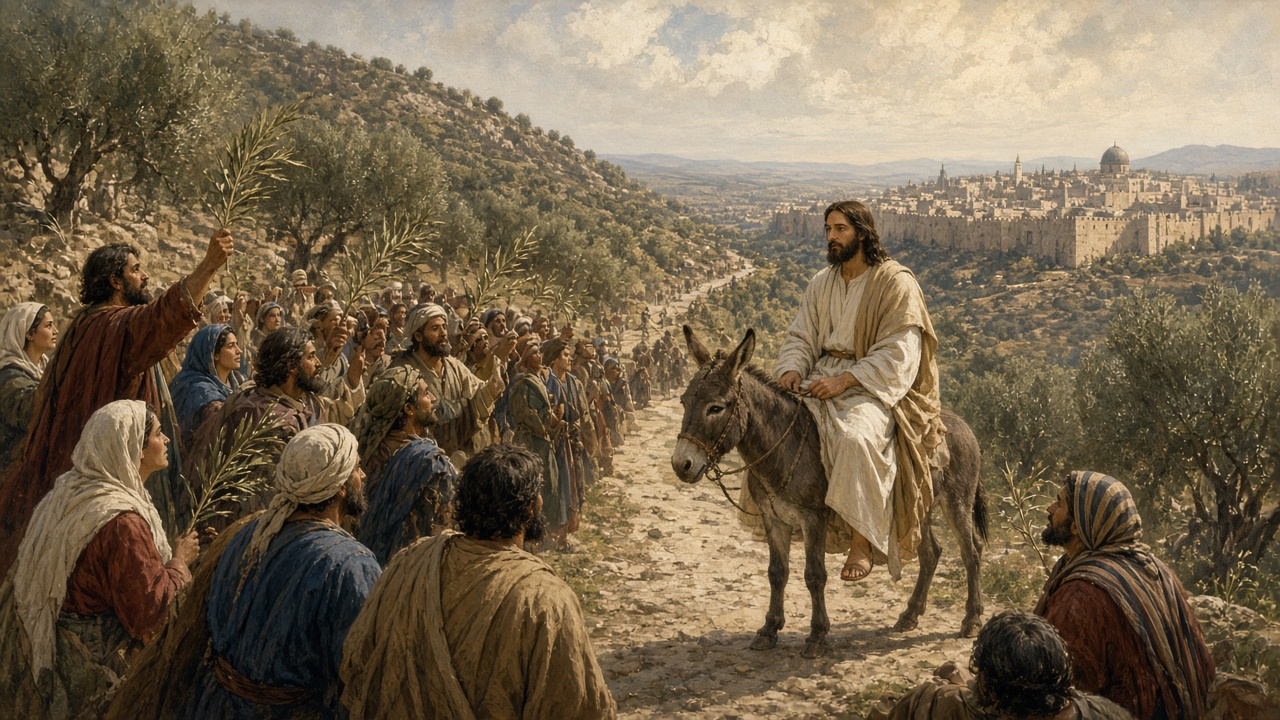
12Ogẹn eki gi fọn, igunrun hi-ogbe hụn bịa Mmẹmmẹ-Nghafe nọ nụ nị Jesu lala Jerusalẹm. 13'Ya wẹ nọ werisọnmẹ iguru, jẹn d'e kunrun ẹ. Ya wẹ nọ yimẹ,
“Ja nị Osolobuẹ mma;
onyẹ ahụn gi ẹfan Di-nwọnni-ẹnyi bịa
wụ onyẹ Chuku gọzi agọzi!
Ẹghẹẹ,
Eze Izrẹlụ
wụ onyẹ Chuku gọzi agọzi.”
14Jesu nọ chọrị nwa jaki, nyinrin ẹ jẹnmẹ, nọkẹ kẹ Ẹkụkwọ-nsọ dọn ku—Ẹhụhụọ-nsọ sị,
15“Obodo Zayọnụ, a tụlẹ egun!
Lee Eze i k'ọ lala,
ọ rị elu nwa jaki.”
16Ụmụ-azụụn Jesu a ghọtanị ihiẹnni ogẹn hụ, kanị, ogẹn Jesu gi nwẹringụụ ọghọ, wẹ nọ nyanhan nị Ẹkụkwọ-nsọ ku ihiẹnni banyen'ẹ, nyanhanzịkwọ nị wẹ mẹ n'ẹ ihiẹn ndịnị.
17Ndị rị igunrun ahụn wẹ lẹ Jizọsị wị ogẹn o gi gha ili kpọpụha Lazarọsị, ogẹn o gi gha imẹ ọnwụn weli ẹ, hụ a gwasọnmẹ ndị ọzọ ihiẹn mẹni. 18'Ya haịn igunrun hụ gi bịa d'e kunrun ẹ—makẹni wẹ nụ n'ọ rụn ọrụn-atụmẹnyanị.
19'Ya ndị Itu-Farisi nọ sị ibe wẹ, “Ụnụ hụ a hụn a?! Ihiẹn ile ẹnyi rị e mẹ a rị a danye kaka! Lee nwan, ụwa ile e sọnmẹgụọ a!”
Ndị Griki Hụn Chọ Nị Wẹ Hụn Jesu
20Ogẹn hụ, o nwẹ ndị Griki hụn rị ndị jẹn Jerusalẹm d'e fe ofufe ogẹn mmẹmmẹ hụ. 21Wẹ nọ jẹn d'e kunrun Filipu hụn wụ onyẹ obodo Bẹsaịda rị imẹ Galili. Wẹ nọ sị a, “Di-ọkpa, ẹnyi chọ nị ẹnyi hụn Jesu.” 22Filipu nọ jẹn d'a gwa Andụrụ, ya wẹ ẹbụbụọ nọ wịrị jẹnmẹ d'a gwa Jesu.
23Jesu nọ za wẹ, sị, “Ogẹn e rugụọ hụn w'e gi ye Nwa nke Ịhịan ọghọ. 24M rị a gwa ụnụ ezioku, akpụrụ-ọka nọdị nke ẹ akarịkọ ohu sụọ wezụka n'ọ dan alị nwụnhụn. Ọ nwụnhụn, 'ya wụ ọ mị mkpụrụ ọda-ọda. 25Nke ndị hụ ndụn wẹ ka wẹ mkpa, ndụn wẹ sikọ d'e tuhunahịn wẹ; kanị, nke ndị hụ o mẹ ni ndụn wẹ akanị wẹ mkpa elu ụwanị, ndụn wẹ k'a rịnị wẹ—e nwẹ wẹ ndụn itẹbitẹ. 26Onyẹ ọwụlẹ hụn chọ n'ọ gba nị m odibo jẹnkọ d'e sọnrịrị m, kẹni odibo m hụn ụzọ sọn m nọdị ebe m rị; Nẹdi m jẹnkọ d'e ye onyẹ ọwụlẹ gba nị m odibo ọghọ.”
Jesu E Ku Banyeni Ọnwụn A
27“Obi rị nwan e feri m. Kẹ m k'e ku nwan? Nị m sị, ‘Baba, anịlẹ ogẹn-afụnfụnnị bịa nị m’? Mba! Makẹni, 'ya haịn m gi rị ebeni—m bịa kẹni m hụn ụzọ ta afụnfụnnị. 28Baba, ye ẹfan ị ọghọ!” 'Ya kẹ olu nọ gha elu-igwee sị, “E yegụọlẹ m ẹfan m ọghọ. M jẹnkọ d'e yezi ẹ ọghọ.”
29Igunrun ahụn rị ebẹhụ nụ olu hụ. Ndị hụ sị akpabọ rọ, ndị ọzọ sị mmọn-ozi a gwaọl'a oku!
30Kanị, Jesu nọ sị wẹ, “Ẹlẹ ufiri m kẹ olu hụ gi bịa, kalẹ ufiri ụnụ. 31Kikẹnni kẹ wẹ jẹnkọ d'a ma ụwanị ikpe; kikẹnni kẹ wẹ sikọ d'a chụpụ onyẹ hụn a kị ụwanị. 32Mmẹ nwẹn, ogẹn wẹ k'e gi gha alị wesi m enu, m jẹnkọ d'a dọhanị enwẹn m ịhịan ile.” 33(O gi ihiẹnni o ku ghọsị ụdị ọnwụn o jẹnkọ d'a nwụn.)
34Igunrun hụ nọ sị a, “Iwu ẹnyi gwa ẹnyi nị Kraịstị, Onyẹ Hụ Osolobuẹ Tumẹ, jẹnkọ d'a rị ndụn jẹnrin ejẹn. Kị ị rị a sịnị nị wẹ sikọ d'e wesi Nwa nke Ịhịan elu? Onyẹ wụ Nwa nke Ịhịannị?”
35Jesu nọ sị wẹ, “Ukpẹ jẹnkọ d'e sọnzi ụnụ nọdịzị ẹkẹrẹ sụọ. A gha nị ogẹnni ụnụ nwọn ukpẹ, amamgbe ishi e kunrun ụnụ. Makẹni, onyẹ hụn a gha imẹ ishi, imẹ mkpọkịkị, amarịnkọ ebe o jẹnkọ. 36'Ya wụ, kwerini ni ukpẹ ogẹnni ụnụ nwọn ukpẹ, kẹni ụnụ hụn ụzọ wụrụ ụmụ ukpẹ.”
Ogẹn Jesu gi kugụụ ihiẹnni, ọ nọ gha ebe wẹ rị pụ d'a warị, ahụnzịnị w'a.
Ndị Hụ Ekwerini Ni Jesu
37Ọsụọn'a nị Jesu rụnchanrịn ọrụn-atụmẹnya bu ọda id'ẹnya wẹ, ekwerini ni wẹ ẹ, 38kẹni ihiẹn onyẹ-amụma wụ Azaya ku hụn ụzọ mẹzu: Azaya sị,
“Di-nwọnni-ẹnyi, onyẹ kweri ozi ẹnyi zi?
Onyẹ kẹ Di-nwọnni-ẹnyi ghọsị ikẹn ẹ?”
39Asanị wẹ ẹka kweri, makẹni, rịkẹ kẹ Azaya dọnzi ku ẹ,
40“Chuku e mẹgụọ ẹnya kpu wẹ ishi,
tikin obi wẹ—
amamgbe wẹ e gi ẹnya wẹ legha ụzọ,
gi obi wẹ ghọta,
e gbehutọ wẹ d'e kunrun m;
a zụọ m wẹ—'ya kẹ Chuku ku.”
41Azaya ku ihiẹnni makẹni ọ hụn ọghọ Jizọsị, ọ nọ ku banyeni ọghọ a. 42K'osilẹrị, ndị bu ọda hụn rịdẹ imẹ ndị-ndu wẹ kwerini Jesu ekweri. Kanị, egun ndị Itu-Farisi anịnị wẹ ku ẹ ebe ịhịan rị, amamgbe wẹ a chụpụ wẹ imẹ ụlọ-ofufe.
43“Ọjịja-mma ịhịan k'a ja wẹ ka wẹ a sụọ karị hụn Osolobuẹ k'a ja wẹ.”
Ihiẹn Jesu Ku Kẹ Wẹ K'e Gi Han Eṅẹn
44Jesu nọ weshi olu elu, sị, “Onyẹ ọwụlẹ hụn kwerini ni m ẹlẹ mmẹ k'o kwerini, kanị onyẹ hụn zihẹni m k'o kwerini. 45Onyẹ ọwụlẹ hụn nị m, a hụngụọ onyẹ hụn zihẹ ni m. 46M banhan imẹ ụwa d'a wụ ukpẹ, amamgbe ndị hụn kwerini ni m a tọ imẹ ishi, imẹ mkpọkịkị. 47Onyẹ nụ ihiẹn m ku bụ o mẹ n'ẹ, amakọ m'a ikpe. Makẹni, abịanị m d'a ma ụwa ikpe, kama, m bịa d'a zụọpụha a. 48Onyẹ hụn jụ nị m, hụn kwerilẹni oku m, nwọn onyẹ k'a ma a ikpe: ihiẹn hụn m ku, ya jẹnkọ d'a ma a ikpe Ụhụọhịn-ikpazụụn. 49Makẹni, ẹlẹ m gi uche m e ku, kanị Nẹdi m hụn zihẹni m ye m iwu ihiẹn m sikọ d'a sị lẹ ihiẹn m sikọ d'e ku. 50A marịnghọ m nị iwu ẹ e ye ndụn itẹbitẹ. 'Ya wụ, ihiẹn m'e ku wụchanrịn ihiẹn Chuku-Nẹdi sị m ku.”
¿Sabías que…?
La unción en Betania y la entrada en Jerusalén
- Betania, adonde Jesús llegó seis días antes de la Pascua, estaba a unas dos millas al este de Jerusalén, en la ladera sureste del monte de los Olivos, junto al camino a Jericó, y tomó su nombre de las palmeras que crecían allí. Era el hogar de Lázaro, a quien Jesús había resucitado de entre los muertos después de cuatro días en el sepulcro, y de sus hermanas Marta y María; los principales sacerdotes planearon matar también a Lázaro, porque por causa de él mucha gente estaba creyendo en Jesús.Fuentes: el propio texto bíblico · Bethany · Lazarus
- En una cena en la que Marta servía y Lázaro estaba reclinado a la mesa, María ungió los pies de Jesús con alrededor de una pinta de perfume costoso hecho de nardo puro y los secó con sus cabellos, de modo que la casa se llenó de la fragancia. Judas Iscariote, hijo de Simón, cuyo sobrenombre significa un hombre de Kerioth, preguntó por qué el perfume no se vendió por trescientos denarios para los pobres; era un ladrón que, como encargado de la bolsa, solía sacar de lo que se ponía en ella, y iba a traicionar a Jesús.Fuentes: el propio texto bíblico · Judas Iscariot · Simon
- Al día siguiente, la gran multitud que había venido para la fiesta tomó ramas de palma y salió al encuentro de Jesús, que venía a Jerusalén sentado en un burrito, gritando alabanza al Rey de Israel, como está escrito acerca de la Hija de Sion. Sion era la colina sureste de Jerusalén, donde David construyó una ciudadela y un palacio después de tomarla, de modo que llegó a ser la ciudad de David. Al principio sus discípulos no entendieron estas cosas, pero después de que Jesús fue glorificado recordaron que también habían sido escritas acerca de él.Fuentes: el propio texto bíblico · Zion
Notas escritas con ayuda de IA a partir de fuentes abiertas (Theographic Bible Metadata, CC BY-SA 4.0; Easton’s Bible Dictionary, dominio público) y revisadas antes de publicarse.
Lugares de este capítulo
- Jerusalem · 31.777, 35.234 · versículos 11, 12, 20
- Zion · Hoy: Jerusalem · 31.777, 35.234 · versículo 15
- Galilee · 32.760, 35.527 · versículo 21
Solo aparecen lugares identificados con alta confianza (90 % o más según las fuentes académicas reunidas por OpenBible). Mapa de la época: DARE (Digital Atlas of the Roman Empire), CC BY 4.0; mapa actual: © colaboradores de OpenStreetMap; lugares: OpenBible.info (CC BY 4.0).
Créditos y licencia de esta traducción
Elu Ọhụn: Ẹkụkwọ-Nsọ (Azụụn Ọhụn rịn'a)
Revision of New Testament in Ika
copyright © 2010 Wycliffe
Language: Ika
Translation by: Wycliffe
Ika (ikk) Nigeria
In Nigeria the word Ika is not only the name of the Ika
people, but is also used to designate a local government area in the Akwa Ibom
State. The Ika people are a sub group of the Igbo people. It is interesting to note
that Ika is the name of a town in Croatia is one of the eight Annang local
government areas of the local government areas in Akwa Ibom State. An alternative
name for the Ika people is Ika-Annang. There appears to be another dialect of Ika
that is spoken in Delta State of Nigeria.
Copyright Information
© 2010, Wycliffe. All rights reserved.
This translation text is made available to you under the terms of the Creative
Commons License: Attribution-Noncommercial-No Derivative Works. ( http://creativecommons.org/licenses/by-nc-nd/3.0/ ) In addition, you have
permission to port the text to different file formats, as long as you do not change
any of the text or punctuation of the Bible.
You may share, copy, distribute, transmit, and extract portions or quotations from
this work, provided that you include the above copyright information:
You must give Attribution to the work.
You do not sell this work for a profit.
You do not make any derivative works that change any of the actual words or
punctuation of the Scriptures.
Permissions beyond the scope of this license may be available if you contact us
with your request.
Printed book ISBN 9789789037056
Revision
The New Testament
in Ika
© 2010, Wycliffe. All rights
reserved.
This translation is made available to you under the terms of the
Creative Commons Attribution-Noncommercial-No Derivatives license 4.0.
You may share and redistribute this Bible translation or extracts from it in any format, provided that:
You include the above copyright and source information.
You do not sell this work for a profit.
You do not change any of the words or punctuation of the Scriptures.
Pictures included with Scriptures and other documents on this site are licensed just for use with those Scriptures and documents.
For other uses, please contact the respective copyright owners.
2019-08-09
Fuente: http://ebible.org/ikkNT/ · eBible.org