Gálatas 6
Elu Ọhụn: Ẹkụkwọ-Nsọ (Azụụn Ọhụn rịn'a) · Toca un versículo para ver sus referencias cruzadas.
E Bu Ni Ibu Ibe Ụnụ
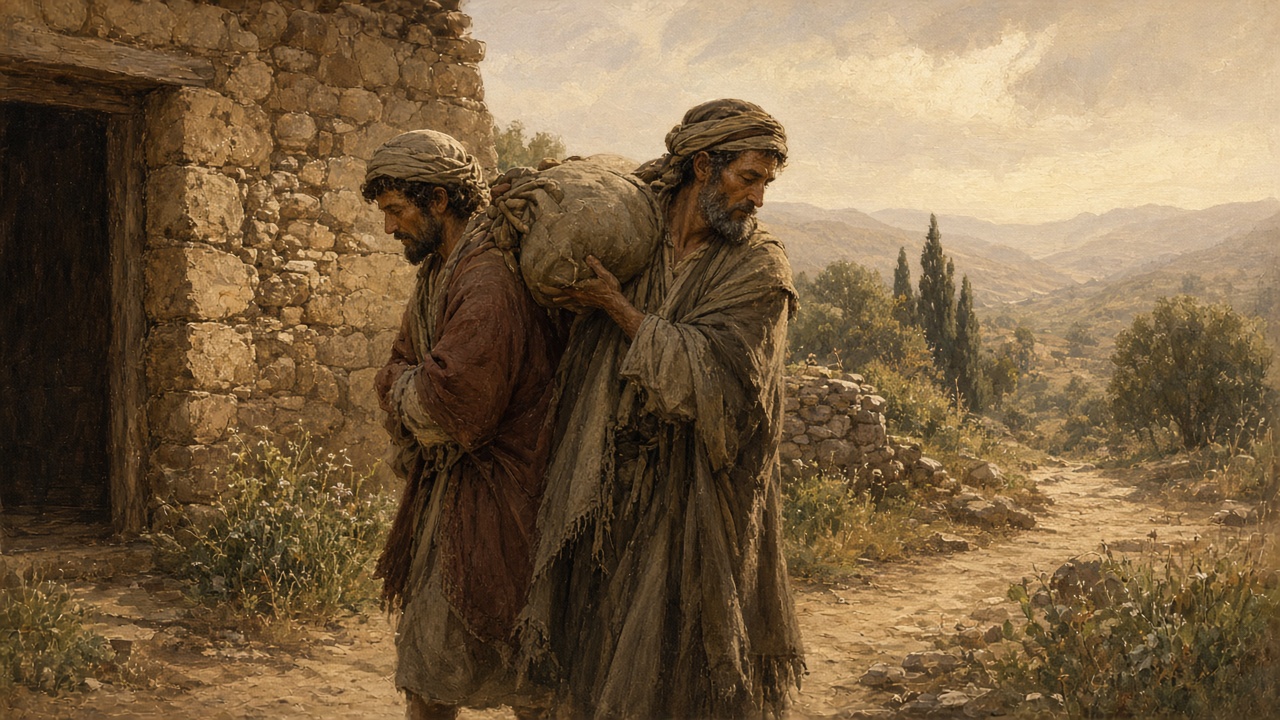
1Umunẹ m, onyẹ mẹ njọ, ụnụ ndị rị e bi kẹ Mmọn-nsọ chọ, gi ni nwayọ wekinhẹn ẹ. Ka kpachanpụkwọ nị ẹnya amamgbe ọnwụnwan a bịazịkwọ nị ụnụ nwẹn. 2E bu ni ibu ibe ọnụ. Ụnụ gha e mẹ ẹ, ya wụ nị ọnụ hụ e mẹzu iwu Kraịstị. 3Onyẹ rị e ro n'o nwọnghọ ihiẹn ọ wụ bụ o nwọnni ihiẹn ọ wụ rị e dufie enwẹn ẹ. 4Onyẹ-onyẹ ya lele ihiẹn ọ rị e mẹ. Omẹni ọ hụghọ mma, ya họnrọn makẹ ihiẹn rị mma o mẹ, ka y'e gilẹ enwẹn ẹ tụnị onyẹ ọzọ, 5makẹni onyẹ-onyẹ furu n'o buru ibu ẹ.
6Ndị wẹ rị a kuzi oku-Chuku furu ni wẹ keye ndị rị a kuzi ni wẹ oku-Chuku ihiẹn-ọma ọwụlẹ wẹ nwọn. 7Edufiekwọlẹ ni enwẹn ọnụ: Osolobuẹ anịkọkwọ onyẹ ọwụlẹ mẹgbu ẹ; ihiẹn onyẹ kụn k'o k'a ghọrị. 8Omẹni ugbo wẹ kụnye ẹ wụ imẹ-ihiẹn a sụọ nị wẹ, wẹ k'a gha ugbo hụ ghọrị ntikpọ; omẹni ugbo imẹ-ihiẹn a sụọ Mmọn-nsọ kẹ wẹ kụnye ẹ, wẹ k'a gha ebẹhụ ghọrị ndụn-itẹbitẹ. 9Ya wụ, ndụn imẹ ihiẹn rị mma y'a gụkwọlẹ ẹnyi. Makẹni, omẹni ẹnyi anịnị ndụn gụụ ẹnyi, ogẹn ru, ẹnyi jẹnkọ d'e ri erere ẹ. 10Ya wụ, nị ẹnyi gi ni nwan oghere ile ẹnyi nwẹ e mẹ ni onyẹ ọwụlẹ ọhụnma, tụmadụ ndị hụn rị ikpun-ụlọ okukwe.
Mkpịnsịn-ẹka Ịkpazụụn Lẹ Ekele
11Lee ni akpụrụ-ẹkụkwọ ndịnị nọ jagbo-jagbo m gi ẹka m deni ọnụ. 12Ndị hụn rị a chọ nị wẹ gi ihiẹn ẹnya e legha dụ ẹka obi, uwẹ rị nwan a chọ nị wẹ wa ịkwa-ugun ye ụnụ olu. Wẹ rị e mẹ ẹ amamgbe wẹ e gi ifiri obe Kraịstị kpokpo wẹ. 13Kẹ ndị hụn kwa ugun lẹ enwẹn wẹ arịdẹ e dọnmẹ Iwu, bụ wẹ hụ a chọ nị ụnụ kwa ugun kẹni wẹ gi ihiẹn rị ụnụ ẹhụ nyan isi: nị ụnụ e dọnmẹgụọ omẹnalị hụn w'e legha ẹnya. 14O bugharị m! Egikọ m ihiẹn ọwụlẹ nyan isi, wezụka obe Nna ẹnyi wụ Jesu Kristi. E gigụọ wẹ obe hụ kpọgbu ụwanị—ọ wụrụ ihiẹn nwụnnị ebe m rị, gizikwọ obe hụ kpọgbu m—a wụrụ m ihiẹn nwụnnị ebe ụwa rị. 15Kẹ ịkwa-ugun kẹ akwanị-ugun arịnị mkpa, kaka! Ihiẹn rị mkpa wụ nị wẹ kedọnzi ịhịan. 16Udọn lẹ omikẹn ya rịnị kẹ wẹ han gi usọnrọnnị e bi—uwẹ wụ ndị Izrẹlụ Osolobuẹ nke-esi!
17Gha ogẹnni e jẹn, onyẹ ọwụlẹ egizilẹ oku ịkwa-ugun ye m nsọngbu, makẹni apa ẹhụ wẹ rụsọnmẹ m makẹ ufiri Jesu hụsọnmẹ m ẹhụ.
18Umunẹ m, ẹfọma Onyẹ-nwọnni-ẹnyi wụ Jesu Kristi ya nọyeni ụnụ imẹ-mmọn. Isẹẹ.
¿Sabías que…?
Cargas, la cosecha y la cruz
- El capítulo pone dos deberes uno al lado del otro. Los que son espirituales deben restaurar con mansedumbre a quien sea sorprendido en una transgresión y llevar las cargas unos de otros, lo que la carta llama cumplir la ley de Cristo. Cada uno, sin embargo, debe examinar su propia obra y llevar su propia carga, en lugar de creerse algo cuando no es nada y gloriarse por comparación con otra persona.Fuentes: el propio texto bíblico
- El autor usa la imagen de la siembra y la cosecha: Dios no se deja burlar, y cada uno cosecha lo que siembra. Quien siembra para agradar a la carne, de la carne cosecha destrucción; quien siembra para agradar al Espíritu, del Espíritu cosecha vida eterna. Se exhorta a los lectores a no cansarse de hacer el bien, pues a su debido tiempo cosecharán si no desisten, y a hacer el bien a todos, especialmente a la familia de la fe.Fuentes: el propio texto bíblico
- El autor llama la atención sobre las letras grandes que está usando al escribir de su propia mano. Dice que algunos intentan imponer la circuncisión para causar una buena impresión exterior, evitar la persecución por la cruz de Cristo y gloriarse en la carne de otros, aunque los circuncidados ni siquiera cumplen la ley. Pide no gloriarse jamás excepto en la cruz de nuestro Señor Jesucristo, afirma que ni la circuncisión ni la incircuncisión significan nada y que lo que importa es una nueva creación, y declara que lleva en su cuerpo las marcas de Jesús.Fuentes: el propio texto bíblico
Notas escritas con ayuda de IA a partir de fuentes abiertas (Theographic Bible Metadata, CC BY-SA 4.0; Easton’s Bible Dictionary, dominio público) y revisadas antes de publicarse.
Créditos y licencia de esta traducción
Elu Ọhụn: Ẹkụkwọ-Nsọ (Azụụn Ọhụn rịn'a)
Revision of New Testament in Ika
copyright © 2010 Wycliffe
Language: Ika
Translation by: Wycliffe
Ika (ikk) Nigeria
In Nigeria the word Ika is not only the name of the Ika
people, but is also used to designate a local government area in the Akwa Ibom
State. The Ika people are a sub group of the Igbo people. It is interesting to note
that Ika is the name of a town in Croatia is one of the eight Annang local
government areas of the local government areas in Akwa Ibom State. An alternative
name for the Ika people is Ika-Annang. There appears to be another dialect of Ika
that is spoken in Delta State of Nigeria.
Copyright Information
© 2010, Wycliffe. All rights reserved.
This translation text is made available to you under the terms of the Creative
Commons License: Attribution-Noncommercial-No Derivative Works. ( http://creativecommons.org/licenses/by-nc-nd/3.0/ ) In addition, you have
permission to port the text to different file formats, as long as you do not change
any of the text or punctuation of the Bible.
You may share, copy, distribute, transmit, and extract portions or quotations from
this work, provided that you include the above copyright information:
You must give Attribution to the work.
You do not sell this work for a profit.
You do not make any derivative works that change any of the actual words or
punctuation of the Scriptures.
Permissions beyond the scope of this license may be available if you contact us
with your request.
Printed book ISBN 9789789037056
Revision
The New Testament
in Ika
© 2010, Wycliffe. All rights
reserved.
This translation is made available to you under the terms of the
Creative Commons Attribution-Noncommercial-No Derivatives license 4.0.
You may share and redistribute this Bible translation or extracts from it in any format, provided that:
You include the above copyright and source information.
You do not sell this work for a profit.
You do not change any of the words or punctuation of the Scriptures.
Pictures included with Scriptures and other documents on this site are licensed just for use with those Scriptures and documents.
For other uses, please contact the respective copyright owners.
2019-08-09
Fuente: http://ebible.org/ikkNT/ · eBible.org