Hechos 7
Elu Ọhụn: Ẹkụkwọ-Nsọ (Azụụn Ọhụn rịn'a) · Toca un versículo para ver sus referencias cruzadas.
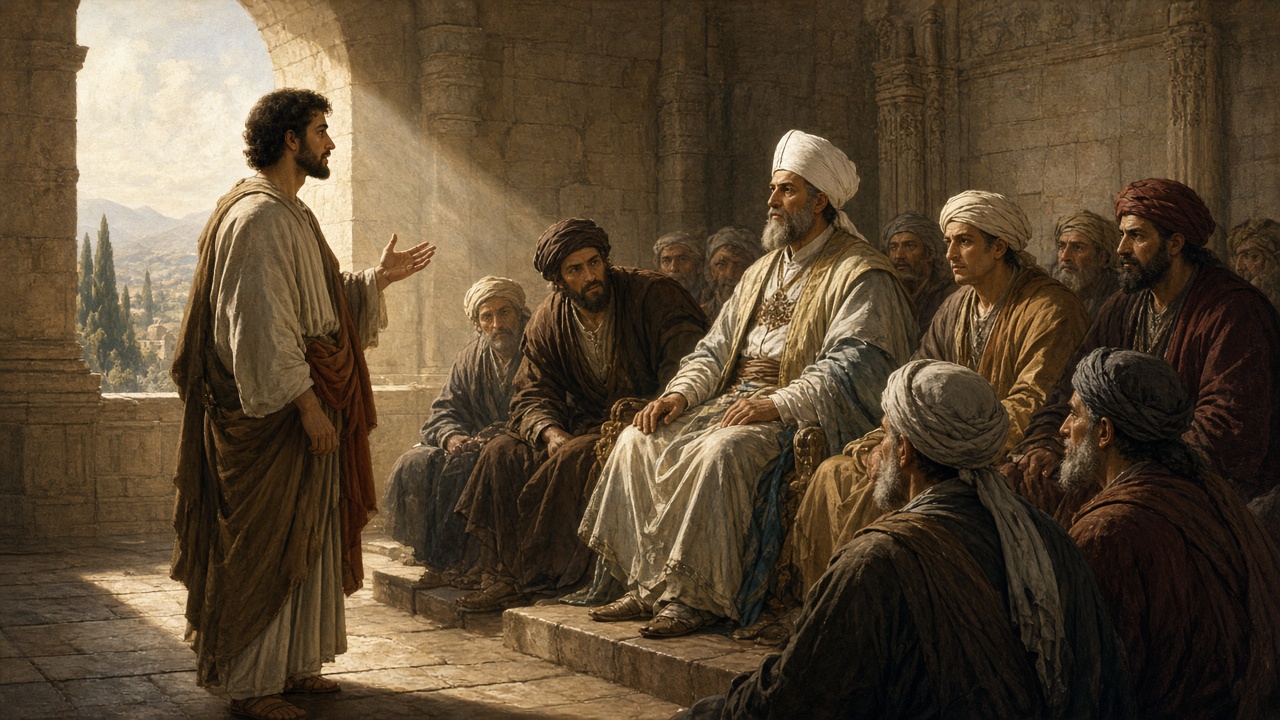
Oku Stivin' Gwa Ndị-isi Nkịkwama
1Onyẹ-isi nchụ-ẹjan nọ jụ Stivin', sị, “Ihiẹn ndịnị wẹ rị e ku wụ ezioku?”
2Stivin' nọ za, sị, “Umunẹ m lẹ ndị nẹdi ẹnyi, gọn nị m ntịn! Osolobuẹ hụn nwọn ọghọ mẹ nẹdi ẹnyi kanị wụ Ebraham hụn a imẹ alị Mẹsopotemịa—nị Ebraham d'e jẹn anị Haran d'e biri. 3Ọ nọ sị a, ‘Latọ alị ị lẹ ndị nke i, n'i si alị m jẹnkọ d'a ghọsị ị.’ 4Ya k'ọ nọ la alị ndị Kal'di tọ, jẹn d'e biri anị Haran. Ogẹn nẹdi ẹ gi nwụnhụn, Osolobuẹ nọ zihẹ ẹ alịnị ụnụ bi nwan— 5bụ o yen'ẹ alị ọwụlẹ imẹ ẹ—ọsụọn'a ama-ụkụ ohu dẹ. O kwe ẹ nkwa n'o jẹnkọ d'e ye 'ya lẹ ụmụ a ịya, bụ o k'e mụ nwa ogẹn hụ. 6Osolobuẹ nọ sịzị a, ‘Ụmụ ị jẹnkọ d'a wụ itumunyẹ imẹ alị ọzọ; wẹ k'e gi wẹ hẹnrin igbọn, mẹja wẹ ọrọgbọ ahụa nnụ. 7Kanị m k'e ye alị hụ gi wẹ hẹnrin igbọn afụnfụn. Omẹgụụ, ụmụ ị k'a fụha, bịa d'e fe m ebeni’—'ya kẹ Osolobuẹ ku. 8Osolobuẹ nọ kwademẹ nkwerigbama, tumẹ ẹ ẹgbata ya lẹ Ebraham. Ahịma nkwerigbamanị wụ ịkwa-ugun. Ebraham a mụ Aziki; nke akpụ-ụhụọhịn ẹsatọ, ọ nọ kwa a ugun. Aziki nọ mụ Jekọpụ, Jekọpụ nọ mụ ndị nẹdi ẹnyi mmẹbụọ hụ.”
9“Ụmụ Jekọpụ ndị ahụn wụ ndị nẹdi ẹnyi nọ gi ẹnya-ụfụ re nwẹnẹ wẹ wụ Josẹfụ ye ndị w'ẹ si Ijiptu. Kanị Osolobuẹ nọ nọyen'ẹ; 10ọ nọ zụọpụha a imẹ nsọngbu ẹ ile. Ọ nọ m'ẹ ni ihiẹn ẹ sụọ Fẹro eze Ijiptu, yezikwọ Josẹfụ amamihiẹn pụ-ichẹn ogẹn o gi pụha ihun Fero, nke wụ nị Fẹro nọ tumẹ ẹ n'ọ kị anị Ijiptu lẹ ezi-lẹ-ụlọ Fẹro ile.
11Omẹgụụ, okẹn ụnwụn nọ nwan mụma imẹ alị Ijiptu ile lẹ Kenan' ile, okẹn afụnfụn nọ bidọn, d'e ru nị ndị nẹdi ẹnyi wẹ ahụnzịnị ihiẹn-oriri. 12Ogẹn Jekọpụ nẹdi wẹ gi nụ nị ihiẹn-oriri rị alị Ijiptu, ọ nọ zi ndị nẹdi ẹnyi wẹ jẹn d'e ṅọnlụa ihiẹn-oriri. Ọnwan wụ nke ibuzọ wẹ jẹn Ijiptu. 13Ogẹn umunẹ ẹ gi bịa Ijiptu hụn mẹ ẹ mgbe ẹbụọ, Josẹfụ nọ nwan mẹ wẹ marịn nị 'ya rọ, Fẹro nọzị marịn ndị nke Josẹfụ. 14Ya Josẹfụ nọ zi ozi sị nẹdi ẹ lẹ ebọn wẹ ile bịa alị Ijiptu. Wẹ ile bịanị wụ madụ isẹn arịa ọgụn-ẹnọ. 15Jekọpụ nọ nwan jẹnmẹ anị Ijiptu. Omẹgụụ, ọ nọ nwụntọ ebẹhụ, kẹ ịya kẹ ndị nẹdi ẹnyi wẹ kanị. 16Wẹ nọ bukin wẹ ile obodo Shẹkẹm, li wẹ ye imẹ ili hụ nọ kẹ okporo, hụn rị Shẹkẹm, hụn Ebraham gi egho ṅọnnarịn ụmụ Hamọ.”
17“Ogẹn e rumẹ hụn Osolobuẹ e gi mẹzu nkwa o kwe Ebraham, ndị nke ẹnyi nọ bakẹnmẹ ụba imẹ alị Ijiptu. 18Omẹgụụ, Fẹro ọzọ hụn marịnlẹni Josẹfụ nọ kịma Ijiptu. 19Ezeni wụ hụn gi aghịghọ sọn ndị nke ẹnyi, mẹjama ndị nẹdi ẹnyi wẹ ọda-ọda, gi ẹka-ikẹn mẹ wẹ latọ ụmụ wẹ mụ nke ọhụn, kẹni ọnwụn gbu wẹ. 20Ogẹnni kẹ wẹ gi mụ Mozizi. Mozizi ma mma, ihiẹn ẹ sụọ Osolobuẹ. Ndị mụn'a nọ gi nzuzue zụn a iwe wẹ ifọn ẹtọ. 21Ogẹn wẹ gi nwan la a tọ, nwa-okpoho Fẹro nọ mụnrụn a, zụn a nọkẹ nwa-ẹfọ a. 22Wẹ nọ kuzi Mozizi ihiẹn ile ndị Ijiptu marịn, ọ nọ wụrụ okẹn ịhịan—kẹ oku-ọnụ kẹ ọrụn.”
23“Ogẹn o gi rị nwa ahụa ọgụnnaị, ọ nọ ban a obi n'o jẹn d'a hụn ndị nke wẹ wụ ndị Izrẹlụ. 24Ọ hụn kẹ onyẹ Ijiptu rị e mẹja onyẹ ohu imẹ wẹ, ọ nọ nọ onyẹ wẹ rị e mẹja ye azụụn, mẹgwarịn'a, gbu onyẹ Ijiptu hụ rị e mẹjan'a. 25Ọ te ro ni umunẹ ẹ k'a ghọta nị Osolobuẹ rị e gi ẹ a zụọpụha wẹ, kanị aghọtanị wẹ. 26Eki e fọn, Mozizi nọ hụn ndị Izrẹlụ ẹbụọ kẹ wẹ rị a lụ ọgụn. Ọ chọ n'o gbọn wẹ: ọ nọ sị, ‘Ikẹnnyẹ, ọnụ wụ umunẹ, kị ụnụ rị a rụnị enwẹn ọnụ ẹhụ?’ 27Kanị hụn chọ oku nọ kwan a ye ụsụọ, sị, ‘Onyẹ tumẹ i n'i kịma ẹnyi, a hannị ẹnyi eṅẹn? 28Ị chọ n'i gbu m k'i dọn gbu onyẹ Ijiptu ahụn ụnyanhụn?’ 29Ogẹn Mozizi gi nụ ihiẹnni, ọ nọ gbasi Midianị d'e biri ebẹhụ rịkẹ abịamabịa, nọ ebẹhụ mụ ikẹnnyẹ ẹbụọ.”
30“Ogẹn ahụa ọgụnnaị gi ghafegụụ, mmọn-ozi nọ bịa d'e kunrun ẹ imẹ atụ hụn nọkunmẹ Ugu Saịnaị; imẹ ọkụn rị e nwun imẹ akụ-ọfịa kẹ mmọn-ozi ahụn gha gwa a oku. 31Ogẹn Mozizi gi hụn ihiẹnni, ọ tụ a ẹnya, ọ nọkunmẹ ẹ n'o legha a ọhụnma, ya ọ nọ nụ olu Di-nwọnni-ẹnyi k'ọ gha ebẹhụ sị a, 32‘Mmẹ wụ Osolobuẹ ndị nẹdi i—Osolobuẹ Ebraham lẹ Aziki lẹ Jekọpụ.’ Ẹhụ nọ mama Mozizi nni, egun anịn'a lee ẹnya. 33Di-nwọnni-ẹnyi nọ sị a, ‘Gbụpụ akp'ụkụ ị, makẹni alị i turu rị nsọ. 34A hụnchanrịngụọ m eje-afụnfụn ndị nke m rị a ta imẹ Ijiptu; a nụọlẹ m udẹn wẹ rị a sụn; a bịaọlẹ m nwan d'a zụọpụha wẹ. Bịa nwan nị m zijẹn i Ijiptu.’ ”
35“Mozizi nwẹn wẹ jụ ajụ; onyẹ nwẹn wẹ sị, ‘Onyẹ tumẹ i n'ị kịma ẹnyi, a hannị ẹnyi eṅẹn?’, ịya kẹ Osolobuẹ zi nwan d'a wụrụ onyẹ-ọkịkị lẹ onyẹ-nzụọpụha. O zi ẹ ghahanị mmọn-ozi hụ ọ hụn imẹ akụ-ọfịa hụ. 36Mozizi nọ gha alị Ijiptu dufụha wẹ—rụnkọ ọrụn-atụmẹnya lẹ ihiẹn-ahịma imẹ anị Ijiptu lẹ Ohimin ufie lẹ imẹ atụ, ọrọgbọ ahụa ọgụnnaị. 37Mozizini wụ hụn sị ụmụ Izrẹlụ, ‘Osolobuẹ k'a gha imẹ ndị nke ụnụ wepụha nị ọnụ onyẹ-amụma k'o dọn wepụha m.’ 38Mozizini wụ onyẹ hụ ya lẹ Igunrun ndị nke Osolobuẹ ahụn rị imẹ atụ ogẹn ahụn, ịya lẹ ndị nẹdi ẹnyi wẹ lẹ mmọn-ozi ahụn gwa a oku elu Ugu Saịnaị; ọ nọ nahan Osolobuẹ oku rị ndụn o ye ẹ ye ẹnyi.”
39“Kanị ndị nẹdi ẹnyi kanị a jụ n'e humẹkọnị w'a isi; hụn nkẹ w'e gi mẹ ihiẹn o ku, a jụdẹ w'a; wẹ nọ lakin alị Ijiptu imẹ obi wẹ. 40We nọ sị Ẹrọnụ, ‘Mẹmẹ nị ẹnyi mmọn ndị k'e duni ẹnyi; makẹni, ẹnyi a marịnzị ihiẹn mẹ Mozizini gha alị Ijiptu dupụha ẹnyi.’ 41Ogẹn hụ kẹ wẹ gi kpụ nwa-efin, chụyen'ẹ ẹjan; wẹ nọ rimẹ oriri, e gi ihiẹn ẹka wẹ mẹmẹ a ghọghọ. 42Ya kẹ Osolobuẹ nọ gbakịtọ wẹ azụụn, ha wẹ ye nị wẹ femẹ ihiẹn ndị rị igwere. Ya kẹ ndị-amụma de ebahụn wẹ nọ de, sị,
‘Euu, ikpun-ụlọ Izrẹlụ!
Mmẹ kẹ ụnụ gbusọnmẹdẹni anụ ndị ahụn,
chụyesọnmẹni ẹjan ndị ahụn
imẹ atụ
ọrọgbọ ahụa ọgụnnaị ra?
43Bụ ụnụ e buru ụnọ-mmọn Mọlẹkị
lẹ kokisẹ mmọn ọnụ wụ Refanị,
mmọn ndị ụnụ kpụ
nị ụnụ hụn ụzọ e fe wẹ;
m k'e gi ifiri ẹ chụ ọnụ shikwọrị Babilọnụ.’ ”
44“Ogẹn ahụn wẹ gi rị a ghahunmẹ imẹ atụ hụ, ndị nẹdi ẹnyi bu Ọdụ Ashịa-ẹri hụ hụn a ghọsị nị wẹ lẹ Osolobuẹ rị. Wẹ rụn a kẹ Osolobuẹ dọn gwa Mozizi, ogẹn Osolobuẹ gi sị a rụn a n'ọ rị kẹ hụn ọ ghọsị a. Ọdụ Ashịa-ẹri hụ hụn a ghọsị nị wẹ lẹ Osolobuẹ rị|src="lb00259b.jpg" size="span" loc="ACT 7" copy="Horace Knowles; The British & Foreign Bible Society" ref="7.44" 45Ọdụ hụ e ru ẹka ndị nẹdi ẹnyi hụn rị ogẹn Joshụa gi wụ onyẹ-ndu, wẹ nọ bubanhan a imẹ alị hụ Osolobuẹ kwe nkwa. Ọhụn mẹ ogẹn wẹ gi banhan d'a nafụ ndị alị ndị hụ Osolobuẹ chụpụ nị wẹ anị. Ọ nọ nọdị ebẹhụ d'e ru ogẹn Defidi. 46Defidi nwọn ẹwẹrẹ ebe Osolobuẹ rị; o mẹ ekpere, rịọ Osolobuẹ n'ọ nị a tụn nị 'ya wụ Osolobuẹ Jekọpụ ebe obibi. 47Kanị Solomọnụ wụ onyẹ tụn nị Osolobuẹ ụlọ hụ.
48Kanị Onyẹ Hụ Kachanrịnnị ara bi ụlọ wẹ gi ẹka tụn—ịya kẹ onyẹ-amụma gi sị,
49‘Osolobuẹ sị,
“Elu-igwee wụ ukpo m;
ụwa wụ ihiẹn m'a zọma ụkụ.
Elee ụdị ụlọ k'i k'a tụn nị m,
elebe kẹ m'a nọ zu ikẹn?
50Ẹlẹ mmẹ mẹmẹ ihiẹn ndịnị ile?” ’
51Ụnụ ndị isi-ikẹn, hụn kwalẹni ugun—kẹ imẹ obi kẹ ntịn! Ọnụ e gbọndọn Mmọn-nsọ ogẹn ile rịkẹ ndị nẹdi ụnụ dọn mẹ! 52Elee onyẹ-amụma kẹ ndị nẹdi ụnụ kanị kpokpolẹni? Uwẹ gbu ndị hụn ku oku ọbịbịa Onyẹ Ahụn Rị Ọchan wụ Kraịstị, ụnụ e hẹnrigụọ nwan ndị ren'ẹ lẹ ndị gbun'ẹ; 53ndị nwẹhẹn Iwu Osolobuẹ ye ndị mmọn-ozi bịa, kanị ụnụ emẹn'ẹ!”
E Gi Wẹ Ọmụma Magbu Stivin'
54Ogẹn wẹ gi nụ ihiẹnni Stivin' rị e ku, okẹn ọnụma nọ bịa wẹ, nkesịnị wẹ nọdẹ ta n'a ẹka eze. 55Kanị, nke Stivin, Mmọn-nsọ jun imẹ ẹ, a kị a; ọ nọ lee ẹnya enu-igwee, hụn ọghọ Osolobuẹ, hụnzị Jesu k'o turu ẹka-nni Osolobuẹ. 56Ọ nọ sị, “Lee ni! M rị a hụn elu-igwee k'o kpupụ: m rịzị a hụn Nwa nke Ịhịan ebe o turu ẹka-nni Osolobuẹ!”
57Kanị, wẹ nọ gi ẹka kụkin ntịn, dọ oro ye ọnụ, zụnburu ẹ. 58Wẹ nọ gha imẹ obodo dọkpụnpụha a; ya wẹ nọ nwan mama a ọmụma—ogẹn ndị ọshẹri hụ wẹhẹn'ẹ gi gbụpụsọnmẹgụụ ẹkwa wẹ, yọtọ wẹ ụkụ okorọbịa ohu ẹfan a wụ Sọlụ n'o lepụ ẹnya. 59Ogẹn wẹ gi rị a ma Stivin' ọmụma, ọ nọ mẹ ekpere, sị, “Di-nwọnni-ẹnyi wụ Jesu, nabanhan mmọn m!” 60Ya ọ nọ gbu osekpu, wesi olu elu, yi, “Di-nwọnni-ẹnyi, agụnkwọlẹ njọnị yeni wẹ!” O kugụụ ọnwan, ọ nọ nwụnhụn.
¿Sabías que…?
Esteban relata la historia de Israel
- Esteban abre su discurso con Abraham todavía en Mesopotamia, antes de establecerse en Harán, cuando se le ordenó dejar su tierra y sus parientes. Mesopotamia —en hebreo Aram-naharaim, “Siria de los dos ríos”— era el nombre que griegos y romanos daban a la región entre el Éufrates y el Tigris; en el Antiguo Testamento también se llama Padan-aram, “la llanura de Aram”, y el norte de esa meseta fue el hogar antiguo de los antepasados de los hebreos. El Easton's Bible Dictionary (1897) observa que ese primer llamado no se menciona en el Antiguo Testamento, aunque Génesis 12 lo da a entender, y que Abraham salió de Ur, en Caldea, y recorrió unas 300 millas al norte, hasta Harán.Fuentes: el propio texto bíblico · Mesopotamia · Abraham
- Esteban afirma que los huesos de Jacob y de los padres fueron llevados de vuelta a Siquem y depositados en la tumba que Abraham había comprado a los hijos de Hamor. El Easton's Bible Dictionary (1897) identifica a Hamor como un heveo cuyo nombre significa “asno”, señala que en Hechos 7:16 se le llama Emmor y dice que Jacob le compró el terreno de Siquem en el que después fue sepultado José. El artículo añade que Siquem, hijo de Hamor, fundó la ciudad que llevó su nombre.Fuentes: el propio texto bíblico · Hamor
- Esteban sitúa la zarza ardiente en el desierto, cerca del monte Sinaí, y dice que Moisés recibió allí palabras vivas del ángel que le habló en el monte. El Easton's Bible Dictionary (1897) trata Sinaí —nombre ligado a Sin, un dios lunar— como el mismo distrito montañoso llamado también Horeb. Según el artículo, los hebreos llegaron a esa región al tercer mes después del Éxodo, tras un viaje de unas 150 millas desde el mar Rojo, con todos los recodos del camino, y permanecieron acampados cerca de un año.Fuentes: el propio texto bíblico · Mount Sinai
Notas escritas con ayuda de IA a partir de fuentes abiertas (Theographic Bible Metadata, CC BY-SA 4.0; Easton’s Bible Dictionary, dominio público) y revisadas antes de publicarse.
Lugares de este capítulo
- Haran · Hoy: Harran · 36.864, 39.033 · versículos 2, 4
- Mesopotamia · Hoy: Aram-naharaim · 36.864, 39.033 · versículo 2
- Chaldea · 30.962, 46.104 · versículo 4
- Egypt · 30.129, 31.308 · versículos 9, 10, 11, 12, 14, 15, 17, 18, 34, 36, 39, 40
- Canaan · 32.767, 35.333 · versículo 11
- Shechem · Hoy: Tell Balatah · 32.214, 35.282 · versículo 16
- Nile · Hoy: Nile River · 31.465, 30.367 · versículo 19
- Midian · 28.495, 35.012 · versículo 29
- Babylon · 32.543, 44.422 · versículo 43
Solo aparecen lugares identificados con alta confianza (90 % o más según las fuentes académicas reunidas por OpenBible). Mapa de la época: DARE (Digital Atlas of the Roman Empire), CC BY 4.0; mapa actual: © colaboradores de OpenStreetMap; lugares: OpenBible.info (CC BY 4.0).
Créditos y licencia de esta traducción
Elu Ọhụn: Ẹkụkwọ-Nsọ (Azụụn Ọhụn rịn'a)
Revision of New Testament in Ika
copyright © 2010 Wycliffe
Language: Ika
Translation by: Wycliffe
Ika (ikk) Nigeria
In Nigeria the word Ika is not only the name of the Ika
people, but is also used to designate a local government area in the Akwa Ibom
State. The Ika people are a sub group of the Igbo people. It is interesting to note
that Ika is the name of a town in Croatia is one of the eight Annang local
government areas of the local government areas in Akwa Ibom State. An alternative
name for the Ika people is Ika-Annang. There appears to be another dialect of Ika
that is spoken in Delta State of Nigeria.
Copyright Information
© 2010, Wycliffe. All rights reserved.
This translation text is made available to you under the terms of the Creative
Commons License: Attribution-Noncommercial-No Derivative Works. ( http://creativecommons.org/licenses/by-nc-nd/3.0/ ) In addition, you have
permission to port the text to different file formats, as long as you do not change
any of the text or punctuation of the Bible.
You may share, copy, distribute, transmit, and extract portions or quotations from
this work, provided that you include the above copyright information:
You must give Attribution to the work.
You do not sell this work for a profit.
You do not make any derivative works that change any of the actual words or
punctuation of the Scriptures.
Permissions beyond the scope of this license may be available if you contact us
with your request.
Printed book ISBN 9789789037056
Revision
The New Testament
in Ika
© 2010, Wycliffe. All rights
reserved.
This translation is made available to you under the terms of the
Creative Commons Attribution-Noncommercial-No Derivatives license 4.0.
You may share and redistribute this Bible translation or extracts from it in any format, provided that:
You include the above copyright and source information.
You do not sell this work for a profit.
You do not change any of the words or punctuation of the Scriptures.
Pictures included with Scriptures and other documents on this site are licensed just for use with those Scriptures and documents.
For other uses, please contact the respective copyright owners.
2019-08-09
Fuente: http://ebible.org/ikkNT/ · eBible.org