Hechos 5
Elu Ọhụn: Ẹkụkwọ-Nsọ (Azụụn Ọhụn rịn'a) · Toca un versículo para ver sus referencias cruzadas.
Ananayasị Lẹ Nwunyẹ Ẹ Wụ Safaịra
1Ya okẹnnyẹ ohu ẹfan a wụ Ananayasị lẹ nwunyẹ ẹ w'a kpọ Safaịra nọzị re alị. 2Ọ nọ bu mgbube egho ẹ tọ, wẹhẹ ni Ndị-ozi ahụn pụ-ichẹn hụn họdụnị. Nwunyẹ ẹ kweye n'ẹ mẹ ihiẹnni o mẹ. 3Kanị Pita nọ sị, “Ananayasị, kị Ekwensụ nu n'i tụ Mmọn-nsọ ntụ, mẹ i bu mgbube egho i re alị hụ tọ? 4N'ị d'e re ẹ, ẹlẹ nke i rọ? Ogẹn i gidẹ regụụ a, egho ẹ ẹlẹ nke i? Nanị k'i dọn ro eje-ihiẹn nọ ẹnịna? Ẹlẹkwọ ịhịan k'ị tụ ntụnị, Osolobuẹ k'ị tụ a!” 5Ogẹn Ananayasị gi nụ ihiẹnni, ọ nọ dan, nwụnhụn. Okẹn egun nọ tụma ndị nụ ihiẹn mẹni. 6Ikorọbịa nọ pụha, kwama a, buru ẹ pụ, d'e li.
7Ihiẹn nọ kẹ mgbahunmẹ ọkụlọkụ ẹtọ a ghafegụụ, nwunyẹ ẹ nọ banhan, kanị ọ marịn ihiẹn mẹni. 8Pita nọ jụ a, sị, “Ọnụ-eghoni kẹ yụ lẹ di i re alị hụ?” Ọ nọ sị, “Ẹghẹẹ, 'ya rọ.” 9Ya Pita nọ sị a, “Kị haịn ụnụ gi kwerigbama nị ọnụ lele Mmọn-nsọ Di-nwọnni-ẹnyi? Le'ẹ, ikorọbịa li di i lala, e rugụọdẹ wẹ ọnụmụzọ; wẹ jẹnkọ d'e bupụzị ị!” 10Ọ nọ dantọ ẹhụ ụkụ Pita ozigbo, nwụnhụn. Ikorọbịa ndị ahụn a banhan, a hụn w'a n'ọ nwụnhụngụọ, wẹ nọ buru ẹ pụ d'e li ẹ nọkunmẹ di ẹ. 11Okẹn egun nọ tụma ndị ụka Kraịstị ile lẹ ndị ile nụ ihiẹn ndịnị mẹni.
Ndị-ozi Pụ-ichẹn A Zụọ Ndị Bụ Ọda Emu Rị A Kụ
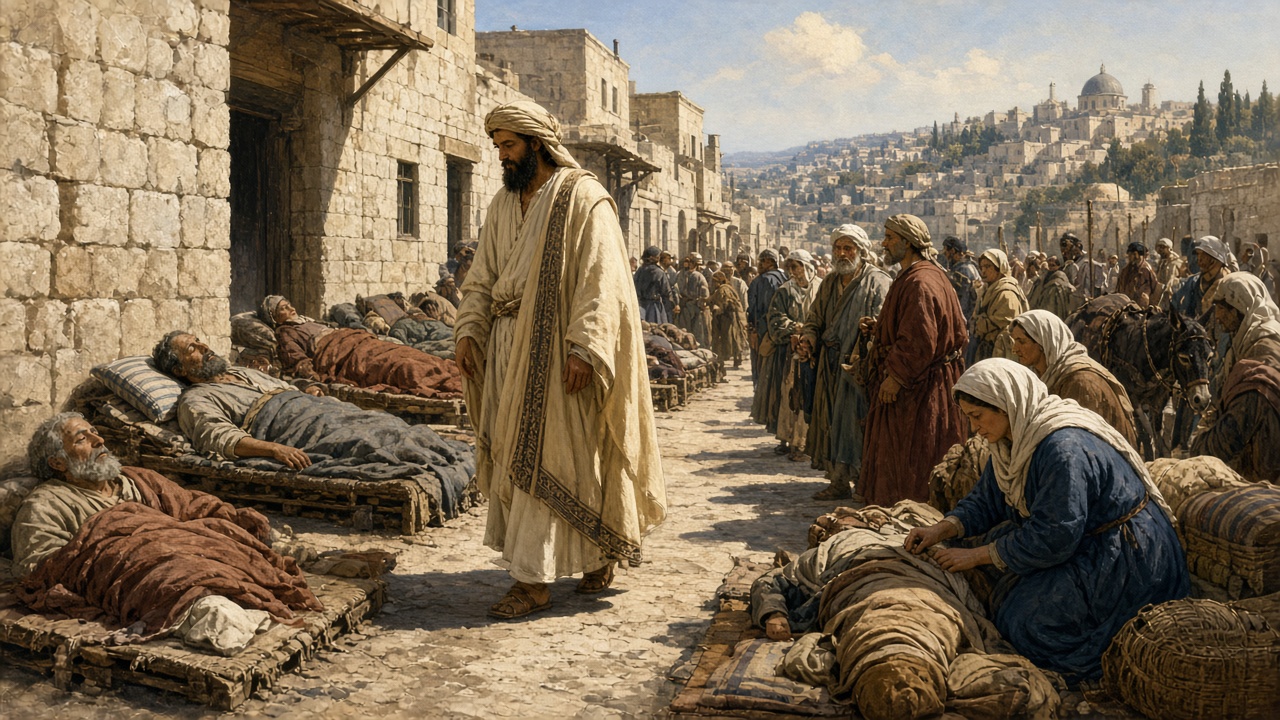
12Ogẹn hụ, Ndị-ozi ahụn pụ-ichẹn hụ a rụnsọnmẹ ọrụn-atụmẹnya lẹ ahịma ichẹn-ichẹn hụn ịhịan ile rị a hụn. Ndị ile kwerini hụ e gi obi ohu a nọ ebẹhụ w'a kpọ Ẹtụ-ụlọ Solomọnụ e zu. 13O nwọnni onyẹ kwerilẹni egun nị tụ kpọrọkpọrọ bannị wẹ—bụ ịhịan ile hụ e ku oku wẹ ọhụnma. 14Kama, ndị bukẹnmẹ ọda hụ e kweri ni Di-nwọnni-ẹnyi nke-esi, a bannị wẹ, kẹ ikẹnnyẹ kẹ ikpoho. 15Wẹ e bufụhadẹ ndị emu rị a kụ okp'ụzọ, e bu wẹ a tọ elu ute lẹ ihiẹn ndị ọzọ wẹ gi e dinẹ, kẹni onyinyọn Pita hụn ụzọ kunrundẹ ndị hụ imẹ wẹ ọ ghafekọnị. 16Igunrun ịhịan hụ a gha obodo ndị nọhunmẹ Jerusalẹm a bịa, e wẹhẹ ndị emu rị a kụ lẹ ndị eje-mmọn rị e ye nsọngbu. Wẹ ile hụ a dịnhịn.
E Kpokpo Wẹ Ndị-ozi Pụ-ichẹn
17Ya kẹ onyẹ-isi nchụ-ẹjan nọ chọ kẹ w'e mẹ ẹ, ya lẹ ndị ile rị e sọn n'ẹ (ya wụ, ndị wẹ ile gba rị itu ndị Sadusi)—wẹ nọ gi eje ẹnya-ụfụ 18nwụnrụn ndị-ozi ahụn pụ-ichẹn tụye imẹ ngan ịhịan ile.
19Kanị, imẹ uhinhin hụ, mmọn-ozi Di-nwọnni-ẹnyi nọ kpọpụ ụzọ ụlọ-ngan, dufụha wẹ, sị wẹ, 20“Jẹnmẹ ni d'e wuzo imẹ Ụlọ-nsọ; gwachanrịn nị wẹ oku ndụn ọhụn nị.” 21Anụgụụ wẹ ihiẹnni, eki e fọn, wẹ nọ banye Ụlọ-nsọ d'a kuzimẹ.
Ogẹn onyẹ-isi nchụ-ẹjan lẹ ndị ya lẹ wẹ wị gi bịa, wẹ nọ kpọgbama ndị ile e zu Ọgwa Sahẹdrini—ya wụ ndị ile rị Ndị-isi Nkịkwama anị Izrẹlụ. Wẹ nọ zi ịhịan jẹn ụnọ-ngan d'e wẹhẹ Ndị-ozi hụ pụ-ichẹn. 22Kanị, ogẹn ndị ụnakpa Ụlọ-nsọ hụ wẹ zijẹn gi ru ebẹhụ, ahụnnị wẹ ndị-ozi hụ pụ-ichẹn imẹ ụlọ-ngan, wẹ nọ kinhẹn d'a gwa ndị-isi, sị, 23“Wẹ kpọkin ụlọ-ngan ọhụnma-ọhụnma; ndị nche turuhụ ọnụmụzọ, kanị ogẹn ẹnyi gi kpọpụ ụzọ, o nwọnni onyẹ rị imẹ ẹ.” 24Ogẹn onyẹ hụn a kị ndị ụnakpa Ụlọ-nsọ lẹ Ndị-isi nchụ-ẹjan gi nụ ihiẹnni, ọ gba wẹ ngharị-ẹnya, wẹ hụ a jụ enwẹn wẹ ihiẹn rị e mẹni. 25Ya onyẹ ohu nọ bịa d'a gwa wẹ, sị, “Lee n'ẹ, ndị hụ ụnụ buche imẹ ụnọ-ngan turuhụ imẹ Ụlọ-nsọ, a kuzi wẹ!” 26Ya kẹ onyẹ hụn a kị ndị ụnakpa Ụlọ-nsọ lẹ ndị ụnakpa a nọ jẹnmẹ d'e wẹhẹ wẹ—kanị, egun ndị rị ebẹhụ anịnị wẹ gi ẹka-ikẹn mẹ ẹ, amamgbe w'e gi ọmụma magbu wẹ.
27A ghagụụ wẹ Ụlọ-nsọ wẹhẹ wẹ, wẹ nọ bu wẹ tumẹ ihun ndị rị Ọgwa Ndị-isi Nkịkwama ahụn. Ya Onyẹ-isi nchụ-ẹjan nọ jụma wẹ ụtaa, 28sị, “Ẹnyi a gbagụọ nị ụnụ mkpịnsịn-ẹka, sị ọnụ e gizilẹ ẹfan onyẹni a kuzi? Kanị ụnụ a kuzigbamagụọ Jerusalẹm ile ihiẹnni, a chọzị nị ọnụ bu ẹdeke okẹnnyẹni che ẹnyi isi.”
29Pita lẹ Ndị-ozi ahụn pụ-ichẹn họdụnị nọ shịarị wẹ, sị, “Osolobuẹ kẹ ẹnyi jẹnkọ d'e humẹni isi, ẹlẹ ịhịan. 30Osolobuẹ ndị nẹdi ẹnyi kanị weli Jesu hụn ụnụ gbu ghahanị ihogbu ẹ elu obe wẹ gi osisi mẹmẹ. 31Osolobuẹ e wesigụọ a nwan elu, bu ẹ che ẹka-nni ẹ, ebẹhụ ọghọ rị, mẹmẹ ẹ Onyẹ-ndu lẹ Onyẹ-nzụọpụha, kẹni o ye ndị Izrẹlụ oghere w'e gi rogharị, kẹni ọ gbagharị wẹ njọ wẹ. 32Ẹnyi wụ ndị rị a shịa ẹri ihiẹn ndịnị, ẹnyi lẹ Mmọn-nsọ hụn Osolobuẹ ye ndị e humẹn'ẹ isi.”
33Ogẹn wẹ gi nụ ihiẹn ndịnị, ize nọ zemẹ wẹ ọda-ọda, wẹ nọ chọ nị wẹ gbu wẹ. 34Kanị, onyẹ ohu imẹ wẹ, hụn rị Itu-Farisi nọ lihi ọtọ: ẹfan a wụ Gamaliẹlụ; onyẹ-nkuzi Iwu Mozizi k'ọ wụ. Ịhịan ile a gbaye okẹnnyẹni. Ọ nọ sị wẹ wefụgụụ ndị-ozi ahụn pụ-ichẹn ezi ẹkẹrẹ.
35Ya ọ nọ sị Ndị-isi Nkịkwama ibe ẹ, “Ikẹnnyẹ Izrẹlụ, lebankwọ nị ihiẹn ọnụ chọ nị ụnụ mẹ ikẹnnyẹ ndịnị ẹnya ọhụnma. 36Ogẹn mbụ, onyẹ ohu w'a kpọ Tiodasị pụha, sị n'ọ wụ okẹn-ịhịan, ihiẹn nọ kẹ madụ nnụ nọ sọnmẹ ẹ. Kanị e gbu wẹ ẹ, ndị hụ sọnn'ẹ nọ gbayịya; ọhụn a gụụ. 37Ọnwan e mẹgụụ, onyẹ w'a kpọ ‘Judasị onyẹ Galili’ nọ pụha ogẹn hụ wẹ gi gụn ịhịan, ndị bu ọda nọ sọnmẹ ẹ. E gbuzikwọ w'a, ndị sọn n'ẹ a gbayịya.
38O mẹ nke okuni rị nwan alị, ndụnmọdụn m jẹnkọ d'e ye ụnụ wụ ọnwan: la nị ndịnị tọ! Hatu nị wẹ! Makẹni, omẹni ihiẹn wẹ bu obi mọbụ ihiẹn wẹ rị e mẹ gha ẹka ịhịan bịa, o k'a dan. 39Kanị, omẹni ọ gha ẹka Osolobuẹ bịa, ụnụ eri-ẹka kụsị wẹ; o ru ẹ, ọnụ e d'a lụsọnmẹdẹ Osolobuẹ ọgụn!”
Ya wẹ nọ kweri ihiẹn o ku.
40A kpọbanhan wẹ ndị-ozi ahụn pụ-ichẹn, wẹ nọ fịan wẹ mkpịnsịn, gba wẹ mkpịnsịn-ẹka ẹnya, sị wẹ kubehi oku ẹfan Jesu; ya wẹ nọ hatu wẹ. 41Ndị-ozi ahụn pụ-ichẹn nọ gha Ọgwa Ndị-isi Nkịkwama hụ pụ, a ghọghọ nị Osolobuẹ weri wẹ kẹ ndị ru ogo ịnarịn ifẹnrẹn makẹ Ẹfan Jesu. 42Ụhụọhịn ile, kẹ imẹ Ụlọ-nsọ kẹ ụlọ-ụlọ, wẹ hụ a kuzi, e zi ozi nị Jesu wụ Kraịstị, Onyẹ Hụ Osolobuẹ Tumẹ, akụsịnị wẹ kaka akp'ohu!
¿Sabías que…?
Engaño, prodigios y el Sanedrín
- Ananías, miembro de la iglesia de Jerusalén, y su esposa Safira, cuyo nombre significa hermosa, vendieron un terreno y, con conocimiento de ella, se quedaron con parte del precio mientras llevaban el resto a los apóstoles. Él podría haber conservado la propiedad; Pedro le recordó que seguía a su disposición tanto antes como después de la venta. La falta fue la mentira: él afirmó haberlo entregado todo, Safira confirmó el precio falso, y ambos murieron; ella compartió su culpa y su castigo.Fuentes: Ananias (Husband of Sapphira) · Sapphira · el propio texto bíblico
- Los creyentes se reunían de común acuerdo en el Pórtico de Salomón, donde los apóstoles realizaban muchas señales y prodigios. Esa columnata estaba probablemente en el lado oriental del templo. No se menciona en relación con el primer templo, aunque Josefo se refiere a un pórtico de ese nombre en el templo de Herodes.Fuentes: Solomon's Portico · el propio texto bíblico
- Cuando el sumo sacerdote y sus compañeros, que pertenecían al partido de los saduceos, hicieron arrestar a los apóstoles, un fariseo llamado Gamaliel se levantó en el Sanedrín. Es descrito como maestro de la ley, honrado por todo el pueblo, hijo del rabino Simeón y nieto del famoso rabino Hilel, y como adversario de los saduceos; instó al consejo a dejar en paz a esos hombres. Señaló a Teudas, que había encabezado una insurrección contra la autoridad romana y, según el relato de Gamaliel, reunió a unos cuatrocientos hombres antes de que el levantamiento quedara en nada —fuera de eso, no se sabe nada más de Teudas— y a Judas el galileo, que pereció en los días del censo.Fuentes: Gamaliel · Theudas · el propio texto bíblico
Notas escritas con ayuda de IA a partir de fuentes abiertas (Theographic Bible Metadata, CC BY-SA 4.0; Easton’s Bible Dictionary, dominio público) y revisadas antes de publicarse.
Lugares de este capítulo
- Solomon’s Portico · Hoy: in Jerusalem · 31.777, 35.234 · versículo 12
- Jerusalem · 31.777, 35.234 · versículos 16, 28
- Galilee · 32.760, 35.527 · versículo 37
Solo aparecen lugares identificados con alta confianza (90 % o más según las fuentes académicas reunidas por OpenBible). Mapa de la época: DARE (Digital Atlas of the Roman Empire), CC BY 4.0; mapa actual: © colaboradores de OpenStreetMap; lugares: OpenBible.info (CC BY 4.0).
Créditos y licencia de esta traducción
Elu Ọhụn: Ẹkụkwọ-Nsọ (Azụụn Ọhụn rịn'a)
Revision of New Testament in Ika
copyright © 2010 Wycliffe
Language: Ika
Translation by: Wycliffe
Ika (ikk) Nigeria
In Nigeria the word Ika is not only the name of the Ika
people, but is also used to designate a local government area in the Akwa Ibom
State. The Ika people are a sub group of the Igbo people. It is interesting to note
that Ika is the name of a town in Croatia is one of the eight Annang local
government areas of the local government areas in Akwa Ibom State. An alternative
name for the Ika people is Ika-Annang. There appears to be another dialect of Ika
that is spoken in Delta State of Nigeria.
Copyright Information
© 2010, Wycliffe. All rights reserved.
This translation text is made available to you under the terms of the Creative
Commons License: Attribution-Noncommercial-No Derivative Works. ( http://creativecommons.org/licenses/by-nc-nd/3.0/ ) In addition, you have
permission to port the text to different file formats, as long as you do not change
any of the text or punctuation of the Bible.
You may share, copy, distribute, transmit, and extract portions or quotations from
this work, provided that you include the above copyright information:
You must give Attribution to the work.
You do not sell this work for a profit.
You do not make any derivative works that change any of the actual words or
punctuation of the Scriptures.
Permissions beyond the scope of this license may be available if you contact us
with your request.
Printed book ISBN 9789789037056
Revision
The New Testament
in Ika
© 2010, Wycliffe. All rights
reserved.
This translation is made available to you under the terms of the
Creative Commons Attribution-Noncommercial-No Derivatives license 4.0.
You may share and redistribute this Bible translation or extracts from it in any format, provided that:
You include the above copyright and source information.
You do not sell this work for a profit.
You do not change any of the words or punctuation of the Scriptures.
Pictures included with Scriptures and other documents on this site are licensed just for use with those Scriptures and documents.
For other uses, please contact the respective copyright owners.
2019-08-09
Fuente: http://ebible.org/ikkNT/ · eBible.org