2 Timoteo 4
Elu Ọhụn: Ẹkụkwọ-Nsọ (Azụụn Ọhụn rịn'a) · Toca un versículo para ver sus referencias cruzadas.
1M rị a gbakẹnmẹ i mkpịnsịn-ẹka idẹnya Osolobuẹ lẹ Kraịstị wụ Jizọsị hụn jẹnkọ d'e kin ndị rị ndụn lẹ ndị nwụnnị ikpe; m rịzị a gba ị ya makẹ ifiri ọbịbịa Kraịstị lẹ Alị-eze ẹ, a sị ị, 2e ku oku-Chuku; e kusọnmẹ ẹ ogẹn ile—kẹ ọnọdị rị mma kẹ ọnọdị jọ-njọ; a gwapụ ịhịan eje-ihiẹn wẹ mẹ, a jụgbọ, a kasị obi, e gichanrịn ndidi lẹ nkuzi e mẹ ẹ. 3Makẹni ogẹn lala hụn ịhịan jẹnkọzilẹni d'e gi kweri din ndidi nụsọnmẹ ezigbo nkuzi. Ebe ntịn wẹ n'a chọsọnmẹ n'ọ nụ ihiẹn a sụọnị wẹ, wẹ k'a chọrịsọnmẹ ndị nkuzi k'a kuzi wẹ ihiẹn wẹ chọ nị wẹ nụ. 4Wẹ k'a gbakịtọ ezioku azụụn, sọnmẹ ilu. 5Kanị, ịyụ nwẹn, dọnrin ẹnya e leban ihiẹn ile ẹnya; e dingbu afụnfụn; a rụn ọrụn onyẹ e zisọnmẹ oziọma. Mẹchanrịn ihiẹn ile ọrụn ị chọ.
6O mẹ nke m, wẹ rị nwan e hupụ m nọkẹ manya wẹ gi a chụ ẹjan; ogẹn m'e gi lama e rugụọ. 7A lụgụọ m ezigbo ọgụn hụ! A gbagụọ m ọsọ hụ! E sọngụọ m ụzọ okukwe hụ! 8Gha kikẹnni jẹnmẹ, ihiẹn họdụnị nwan wụ okpu onyẹ mẹ ihiẹn Chuku chọ hụn rị e che ni m, hụn Onyẹ-nwọnni-ẹnyi, Ọka-Ikpe ahụn ghalẹni a tụ ntụ, jẹnkọ d'e ye m Ụhụọhịn hụ, gi tu m ugọn. Ẹlẹ mmẹ sụọ k'o k'e ye ẹ, kanị ndị ile buchanrịn obi wẹ che ọbịbịa a.
Pọlụ E Ku Oku Enwẹn Ẹ
9Nwankẹnmẹ n'ị bịa d'e kunrun m ẹgwa, 10nị Dẹmas' a lagụọ m tọ shi Tẹsalonika—makẹni ihiẹn ụwanị rị a sụọ a; Krẹsẹns' e shigụọ Galeshịa; Taịtọs' e jẹnmẹgụọ Damashịa. 11Luku sụọ sọn m nọdị. Chọ Makị n'i wẹhẹ ẹ ị lalanị, makẹni ọ wụ onyẹ e yekẹnmẹ ni m ẹka ọda.
12E zigụọ m Taịkikọs' shi Ẹfẹsọsị. 13Ị lalanị, wẹhẹ ẹwuru hụ w'e yiye elu ẹ hụn m latọ ẹka Kapọsị imẹ Trasị; wẹhẹzi ẹkụkwọ ndị hụ, tụmadụ ndị hụn wẹ gi akpụkpọ-anụ mẹmẹ.
14Alẹzanda hụn a kpụ ụzụn kọpa mẹkẹnmẹ m eje-ihiẹn. Nna ẹnyi jẹnkọ d'a kụ a ụgwọ ihiẹn o mẹ. 15Ịyụ lẹ enwẹn i k'a kpachanpụkwọ n'a ẹnya makẹ ọgụn ile hụn ọ lụsọn ozi ẹnyi.
16Ogẹn wẹ gi kpọ m ikpe ibuzọ, o nwọnni onyẹ pụha d'e kuye ni m, ịhịan ile la m tọ. W'e gilẹ ẹ ma wẹ ikpe! 17Kanị Di-nwọnni-ẹnyi nọyeni m anọyeni; ọ nọ ye m ikẹn, kẹni m hụn ụzọ ziru oziọma alị, zi ẹ n'o ruchanrịn ndị anị ndị ọzọ ile wụlẹni ndị Ju ntịn; m nọ hụn isi wanahịn ọnụ ẹwọrọ. 18Di-nwọnni-ẹnyi jẹnkọ d'a gbafụha m makẹ eje-ihiẹn ọwụlẹ gha a rụ m ẹhụ, ọ zụọ m, kẹni m hụn ụzọ banye Alị-eze ẹ hụn rị elu-igwee. Ọghọ ya rịn'a jẹnrin ejẹn! Isẹẹ.
Ekele Ịkpazụụn
19Kele Priska lẹ Akwila lẹ ikpun-ụlọ Onẹsifọrọsị. 20Ẹrastọsị esọnni ndị ọzọ, ọ nọdị Kọrẹntị; m la Trofimọsị tọ imẹ Miletusu makẹni emu rị a kụ a. 21Nwankẹnmẹ n'ị bịa ogẹn oyi gini d'e ru. Yubulọsị lẹ Pudẹnsi lẹ Laịnọsị lẹ Klọdiọsị lẹ umunẹ ẹnyi ile e zighọ ekele.
22Di-nwọnni-ẹnyi ya nọyeni mmọn ị. Ẹfọma Osolobuẹ ya nọyeni ọnụ.
¿Sabías que…?
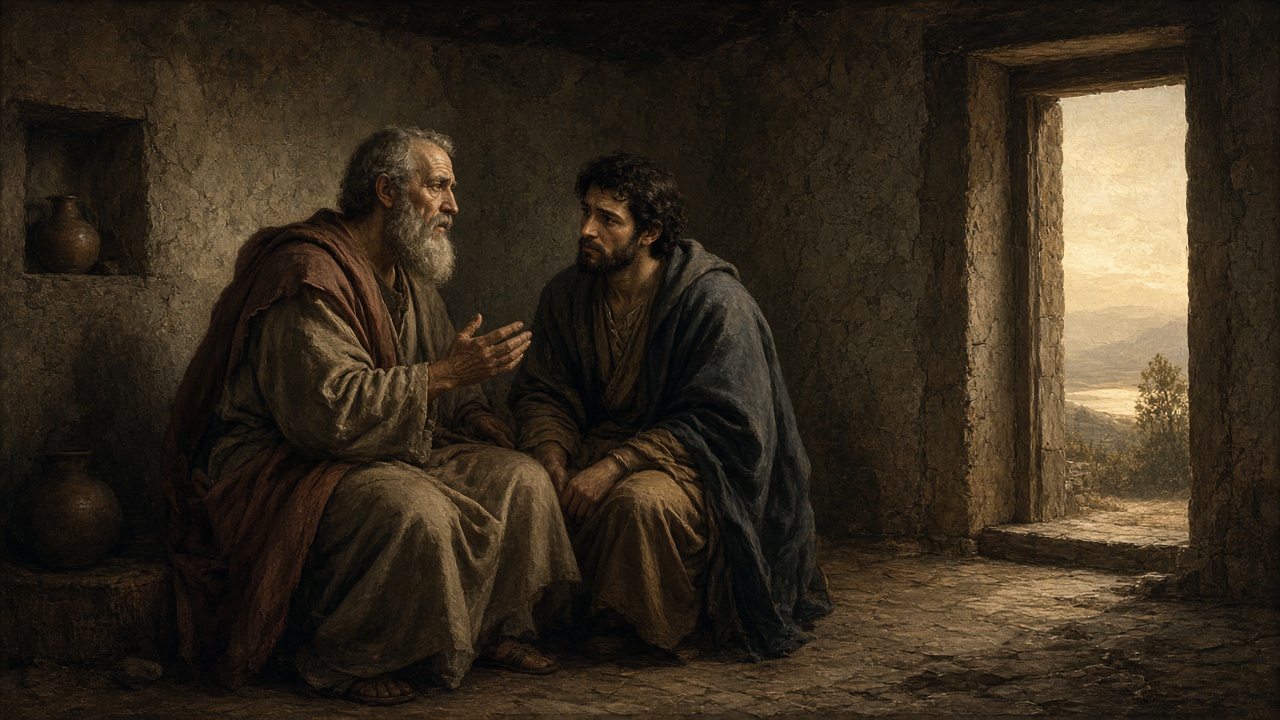
La exhortación final y la despedida de Pablo
- Pablo urge a Timoteo a venir pronto. Demas, a quien el Diccionario Bíblico de Easton (1897) describe como compañero y colaborador de Pablo durante su primera prisión en Roma, lo ha abandonado por amor a este mundo y se ha ido a Tesalónica, una gran ciudad en el golfo Termaico y capital de uno de los cuatro distritos romanos de Macedonia. Crescente se ha ido a Galacia y Tito a Dalmacia, un país montañoso en la costa oriental del Adriático y parte de la provincia romana de Ilírico; Pablo ha enviado a Tíquico a Éfeso, y solo Lucas permanece con él.Fuentes: Demas · Thessalonica · Dalmatia · el propio texto bíblico
- El Diccionario Bíblico de Easton (1897) identifica a Alejandro el calderero como un hombre que, con Himeneo y otros, enseñaba ciertas ideas sobre la resurrección, y dice que Pablo lo excomulgó. En este capítulo Pablo escribe que Alejandro le hizo un gran daño, advierte a Timoteo que se cuide de él porque se opuso con vigor a nuestro mensaje, y dice que el Señor le pagará conforme a sus obras.Fuentes: Alexander · el propio texto bíblico
- Pablo pide a Timoteo que traiga la capa que dejó con Carpo en Troas, junto con los rollos, especialmente los pergaminos, y que llegue antes del invierno. Troas era una ciudad en la costa de Misia, al noroeste de Asia Menor, llamada así por la antigua Troya, que quedaba unas cuatro millas al norte.Fuentes: Troas · el propio texto bíblico
Notas escritas con ayuda de IA a partir de fuentes abiertas (Theographic Bible Metadata, CC BY-SA 4.0; Easton’s Bible Dictionary, dominio público) y revisadas antes de publicarse.
Lugares de este capítulo
- Dalmatia · 43.813, 16.219 · versículo 10
- Galatia · 39.267, 32.983 · versículo 10
- Thessalonica · Hoy: Thessaloniki · 40.638, 22.946 · versículo 10
- Ephesus · 37.939, 27.341 · versículo 12
- Troas · Hoy: Alexandria Troas · 39.752, 26.159 · versículo 13
- Corinth · 37.906, 22.879 · versículo 20
- Miletus · 37.531, 27.276 · versículo 20
Solo aparecen lugares identificados con alta confianza (90 % o más según las fuentes académicas reunidas por OpenBible). Mapa de la época: DARE (Digital Atlas of the Roman Empire), CC BY 4.0; mapa actual: © colaboradores de OpenStreetMap; lugares: OpenBible.info (CC BY 4.0).
Créditos y licencia de esta traducción
Elu Ọhụn: Ẹkụkwọ-Nsọ (Azụụn Ọhụn rịn'a)
Revision of New Testament in Ika
copyright © 2010 Wycliffe
Language: Ika
Translation by: Wycliffe
Ika (ikk) Nigeria
In Nigeria the word Ika is not only the name of the Ika
people, but is also used to designate a local government area in the Akwa Ibom
State. The Ika people are a sub group of the Igbo people. It is interesting to note
that Ika is the name of a town in Croatia is one of the eight Annang local
government areas of the local government areas in Akwa Ibom State. An alternative
name for the Ika people is Ika-Annang. There appears to be another dialect of Ika
that is spoken in Delta State of Nigeria.
Copyright Information
© 2010, Wycliffe. All rights reserved.
This translation text is made available to you under the terms of the Creative
Commons License: Attribution-Noncommercial-No Derivative Works. ( http://creativecommons.org/licenses/by-nc-nd/3.0/ ) In addition, you have
permission to port the text to different file formats, as long as you do not change
any of the text or punctuation of the Bible.
You may share, copy, distribute, transmit, and extract portions or quotations from
this work, provided that you include the above copyright information:
You must give Attribution to the work.
You do not sell this work for a profit.
You do not make any derivative works that change any of the actual words or
punctuation of the Scriptures.
Permissions beyond the scope of this license may be available if you contact us
with your request.
Printed book ISBN 9789789037056
Revision
The New Testament
in Ika
© 2010, Wycliffe. All rights
reserved.
This translation is made available to you under the terms of the
Creative Commons Attribution-Noncommercial-No Derivatives license 4.0.
You may share and redistribute this Bible translation or extracts from it in any format, provided that:
You include the above copyright and source information.
You do not sell this work for a profit.
You do not change any of the words or punctuation of the Scriptures.
Pictures included with Scriptures and other documents on this site are licensed just for use with those Scriptures and documents.
For other uses, please contact the respective copyright owners.
2019-08-09
Fuente: http://ebible.org/ikkNT/ · eBible.org