1 Pedro 2
Elu Ọhụn: Ẹkụkwọ-Nsọ (Azụụn Ọhụn rịn'a) · Toca un versículo para ver sus referencias cruzadas.
Ọmụma Hụ Rị Ndụn Lẹ Ebọn Hụ Rị Nsọ
1Ya wụ, wepụ nị nwan ụdị eje-ihiẹn ile ịhịan gi e sọn ibe ẹ, ẹro ile, ihunnaị, iwe-ẹnya lẹ nkutọ ile. 2Rịkẹ ụmụ wẹ mụ nke ọhụn, a nị nị ẹkpịrị mirin-ẹran imẹ-mmọn hụn rị ọchan a dọ ụnụ—kẹni ụnụ hụn ụzọ a ra a, e gi ẹ e sue imẹ nzụọpụha ụnụ, d'e ru isi ẹ, 3o mẹ nwan nị ezioku rọ nị ụnụ a danmịngụọ ẹfọma Di-nwọnni-ẹnyi, hụn a nị Di-nwọnni-ẹnyi rị mma.
4Ụnụ a bịagụọ nwan d'e kunrun ẹ: ọmụma hụn rị ndụn—hụn ịhịan jụ; kanị ọmụma wẹ họrị ahọrị, rị okẹn mkpa, k'ọ wụ ẹnya Osolobuẹ. 5Imẹ ẹ, onyẹ-onyẹ imẹ ụnụ wụzịkwọ ọmụma rị ndụn. Nọkẹ ọmụma ndị rị ndụn, ọ hụ e gi ụnụ a tụn ụlọ imẹ-mmọn, kẹni ụnụ hụn ụzọ wụrụ ndị nchụ-ẹjan rị nsọ, hụn gha ẹka Jizọsị Kraịstị a chụ ẹjan imẹ-mmọn hụn Osolobuẹ a nabanhan. 6Makẹni, Ẹhụhụọ-nsọ e kugụụ a, sị,
“Lee n'ẹ, m rị e butọ ọmụma imẹ obodo Zayọnụ,
ọmụma gin'ẹ;
ọmụma m họrị ahọrị, rịkẹnmẹ mkpa.
Ifẹnrẹn emẹkọ onyẹ hụn kwerini n'ẹ.”
7Ya wụ, ọmụma hụ rị ụnụ mkpa ọda-ọda—ụnụ ndị kwerini; kanị nke ndị hụn kwerilẹni—
“Ọmụma ndị rị a tụn ụnọ jụtọ,
a wụrụọlẹ hụn gi ụlọ!”
8Ọ wụrụgụọzị
“Ọmụma w'a kpọgburu;
nkumẹ a han wẹ a dan.”
Makẹni agbayeni wẹ oku hụ, ya haịn wẹ gi kpọgburu—kẹ wẹ dọn detọ nị wẹ ya.
9Kanị, ụnụ nwẹn wụ agbọ Chuku họrị ahọrị; ndị nchụ-ẹjan Eze; ebọn rị nsọ; ndị nke Osolobuẹ—kẹni ọnụ hụn ụzọ e mẹ onyẹ ọwụlẹ a marịn okẹn ọrụn rị ichẹn-ichẹn Osolobuẹ rụnsọnmẹ, Osolobuẹ hụn kpọpụha ọnụ imẹ ishi bu ụnụ che imẹ ukpẹ ẹ rịgbu enwẹn ẹ mma. 10Ogẹn mbụ, ụnụ “ẹlẹ ndị nke Osolobuẹ”, kanị, ụnụ a wụrụọlẹ nwan ndị nke ẹ; mbụ, “omikẹn ẹ ẹruni ụnụ ẹka”, kanị omikẹn ẹ e rugụọ nwan ụnụ ẹka.
Ẹnyi Wụ Igbọn Osolobuẹ
11Ndị rị m obi, m rị a rịọ ụnụ nọkẹ ndị ọbịa lẹ ndị rịlẹni anị wẹ, gbala nị nị ẹgụn ndị hụn a gụnsọnmẹ ịhịan hụn a lụsọn umẹ-ndụn ụnụ agha. 12E bi ni obibi kụrụ-ọtọ imẹ igunrun ndị alị ndị ọzọ rị ichẹn-ichẹn kwerilẹni; kẹni, ọsụọn'a nị wẹ e kuja oku ụnụ nọkẹ sị ụnụ e mẹ eje-ihiẹn, wẹ k'a gha a hụn obibi-ọma ụnụ—e gi w'ẹ ye Osolobuẹ ọghọ ogẹn o k'e gi bịa.
A Gbaye Ni Ndị Rị A Kịnị
13Gi ni ifiri Di-nwọnni-ẹnyi e humẹ ni ndị ile rị a kịnị isi—kẹ eze, hụn wụ onyẹ-isi ndị ọkịkị, 14kẹ ndị Gọvanọ rị Azụụn ichẹn-ichẹn a kị—nọkẹ ndị eze zi d'e ye ndị e mẹ eje-ihiẹn afụnfụn, a ja ndị mẹ ihiẹn rị mma mma. 15Makẹni uche Osolobuẹ wụ nị ụnụ gi imẹ ihiẹn furuni kpukin ndị-nzuzu rị e ku ihiẹn wẹ marịnlẹni ọnụ; 16e mẹ n'ẹ kẹ ndị wụlẹni igbọn makẹni ụnụ e nwẹnringụọ enwẹn ụnụ; ka egikwọlẹ ni inwọnrin-enwẹn ụnụ kpu ẹnya, e mẹ eje-ihiẹn, ka bi ni kẹ ndị wụ igbọn okpuru Osolobuẹ. 17A gbaye ni ịhịan ile; e nwẹ ni ihiẹn-ọsụsụọ ndị Itu-Kraịst' ibe ụnụ; a tụ nị egun Osolobuẹ; a gbaye ni eze.
E Leri Ni Afụnfụn Kraịstị Ta
18Ndị wụ idibo mọbụ igbọn, e welụachanrịn nị enwẹn ụnụ alị ebe ndị ụnụ rị okpuru wẹ rị, a gbaye wẹ ụzọ ile—ẹlẹ ndị-ẹfọma lẹ ndị ẹka-alụlụa sụọ, kanị kẹ ndị ẹka-ikẹn. 19Makẹni, ihiẹn w'e gi ja ị mma rọ omẹni y'e mẹni eje-ihiẹn, e ye wẹ i afụnfụn furulẹni nị wẹ ye i bụ y'e gi ifiri Osolobuẹ dingbu ụfụ a. 20Kị wụ erere i n'i dingbu ili wẹ gbu i, omẹni eje-ihiẹn i mẹ kẹ wẹ gi gbu i ya wụ ili? Kanị, omẹni y'a ta afụnfụn makẹni i mẹ ihiẹn rị mma, bụ y'e digbu ẹ, Osolobuẹ k'e gi ifiri ẹ gọzi i. 21Ya kẹ wẹ kpọnị ụnụ; makẹni Kraịstị tazịkwọ nị ọnụ afụnfụn, latọ nị ọnụ ihiẹn ụnụ e leri, kẹni ọnụ hụn ụzọ e sọn nzọm'ụkụ a.
22O mẹtuni njọ;
oku-ndufie aghatun'ẹ ọnụ pụha.
23Ogẹn wẹ gi kpari ẹ,
ọ kparigwarịnị wẹ;
ogẹn o gi ta afụnfụn,
ọ nyannị isi n'o k'e mẹ ihiẹn ọwụlẹ.
Kama,
ọ nọ we enwẹn ẹ
kwanị Osolobuẹ,
onyẹ hụn a han ezigbo eṅẹn.
24Kraịstị lẹ enwẹn ẹ gi ẹhụ a buru njọ ẹnyi, bu ẹ shi elu obe osisi ahụn, kẹni ẹnyi gi ẹhụ a nwụnnahịn njọ, gi ndụn ẹnyi mẹmẹ ihiẹn Osolobuẹ chọ. Ẹhụ wẹ rụsọnmẹ ẹ kẹ ẹnyi gi nwẹ nzụọrị. 25Ụnụ te rị a kpahu kẹ atụnrụn, kanị ọnụ e kinhẹngụọ nwan, buru onyẹ hụn e du umẹ-ndụn ụnụ rịkẹ anụ, e chemẹ ẹ.
¿Sabías que…?
Piedras vivas y un pueblo escogido
- Este capítulo cita la Escritura acerca de una piedra angular escogida y preciosa puesta en Sion: quien cree en ella jamás será avergonzado. Sion era la colina del sureste de Jerusalén, una de las alturas sobre las que se construyó la ciudad, rodeada de valles profundos por todos lados excepto el norte.Fuentes: el propio texto bíblico · Zion
- David tomó Sion de los jebuseos, construyó allí una ciudadela y un palacio, y la colina llegó a conocerse como la ciudad de David. La carta usa ese nombre de lugar al citar la Escritura acerca de una piedra angular puesta en Sion, y describe a los lectores como piedras vivas edificadas como casa espiritual y sacerdocio santo.Fuentes: Zion · el propio texto bíblico
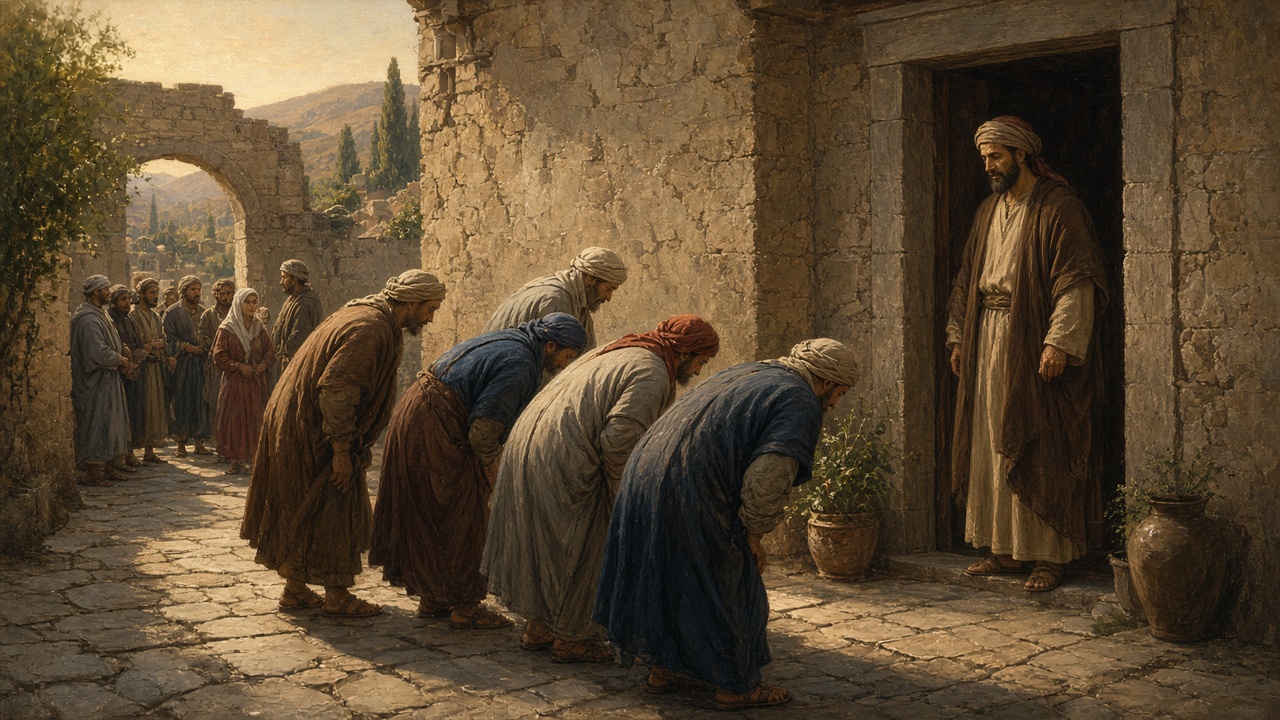
- El capítulo exhorta a someterse, por causa del Señor, a toda institución humana: al rey, como autoridad suprema, y a los gobernadores enviados para castigar a los que hacen el mal y elogiar a los que hacen el bien. Dice a los siervos que respeten incluso a los amos que actúan sin razón, y presenta el sufrimiento de Cristo —sin pecado, sin engaño, sin amenazas y sin represalias— como modelo para soportar el dolor injusto.Fuentes: el propio texto bíblico
Notas escritas con ayuda de IA a partir de fuentes abiertas (Theographic Bible Metadata, CC BY-SA 4.0; Easton’s Bible Dictionary, dominio público) y revisadas antes de publicarse.
Lugares de este capítulo
- Zion · Hoy: Jerusalem · 31.777, 35.234 · versículo 6
Solo aparecen lugares identificados con alta confianza (90 % o más según las fuentes académicas reunidas por OpenBible). Mapa de la época: DARE (Digital Atlas of the Roman Empire), CC BY 4.0; mapa actual: © colaboradores de OpenStreetMap; lugares: OpenBible.info (CC BY 4.0).
Créditos y licencia de esta traducción
Elu Ọhụn: Ẹkụkwọ-Nsọ (Azụụn Ọhụn rịn'a)
Revision of New Testament in Ika
copyright © 2010 Wycliffe
Language: Ika
Translation by: Wycliffe
Ika (ikk) Nigeria
In Nigeria the word Ika is not only the name of the Ika
people, but is also used to designate a local government area in the Akwa Ibom
State. The Ika people are a sub group of the Igbo people. It is interesting to note
that Ika is the name of a town in Croatia is one of the eight Annang local
government areas of the local government areas in Akwa Ibom State. An alternative
name for the Ika people is Ika-Annang. There appears to be another dialect of Ika
that is spoken in Delta State of Nigeria.
Copyright Information
© 2010, Wycliffe. All rights reserved.
This translation text is made available to you under the terms of the Creative
Commons License: Attribution-Noncommercial-No Derivative Works. ( http://creativecommons.org/licenses/by-nc-nd/3.0/ ) In addition, you have
permission to port the text to different file formats, as long as you do not change
any of the text or punctuation of the Bible.
You may share, copy, distribute, transmit, and extract portions or quotations from
this work, provided that you include the above copyright information:
You must give Attribution to the work.
You do not sell this work for a profit.
You do not make any derivative works that change any of the actual words or
punctuation of the Scriptures.
Permissions beyond the scope of this license may be available if you contact us
with your request.
Printed book ISBN 9789789037056
Revision
The New Testament
in Ika
© 2010, Wycliffe. All rights
reserved.
This translation is made available to you under the terms of the
Creative Commons Attribution-Noncommercial-No Derivatives license 4.0.
You may share and redistribute this Bible translation or extracts from it in any format, provided that:
You include the above copyright and source information.
You do not sell this work for a profit.
You do not change any of the words or punctuation of the Scriptures.
Pictures included with Scriptures and other documents on this site are licensed just for use with those Scriptures and documents.
For other uses, please contact the respective copyright owners.
2019-08-09
Fuente: http://ebible.org/ikkNT/ · eBible.org