1 Corintios 7
Elu Ọhụn: Ẹkụkwọ-Nsọ (Azụụn Ọhụn rịn'a) · Toca un versículo para ver sus referencias cruzadas.
1Nị ẹnyi leban nwan ihiẹn ndị hụ ụnụ de ẹnya.
Ọlụlụ Di-lẹ-nwunyẹ
“Ọ hụghọ mma omẹni okẹnnyẹ ebuni ụkụ tụkwasị okpoho.” 2Kanị, makẹni ughẹrẹ jun ụzọ ile, okẹnnyẹ ọwụlẹ ya lụrụ nwunyẹ; okpoho ọwụlẹ ya lụrụ di. 3Di k'a gha e mẹ ni nwunyẹ ẹ ihiẹn run'ẹ imẹ ọlụlụ di-lẹ-nwunyẹ; nwunyẹ ya e mẹzikwọ nị di ẹ ẹrịra. 4Makẹni, ẹlẹ nwunyẹ k'e ku ihiẹn o k'e gi ẹhụ a mẹ, di ẹ nwẹ ku; ẹrịrazịkwọ, ẹlẹ di k'e ku ihiẹn o k'e gi ẹhụ a mẹ, nwunyẹ ẹ nwẹ ku. 5Egilẹ ni ẹhụ ụnụ a jọ ibe ụnụ ẹfọ, mmanị ụnụ kwerigbama nị ụnụ ye efe ẹkẹrẹ ogẹn, kẹni ọnụ hụn ụzọ bu enwẹn ọnụ che imẹ ekpere. Omẹgụụ, ọnụ a nọgbamazị, amamgbe Ekwensụ a nwan ọnụ, makẹni ụnụ a saẹka kwọndọnsọnmẹ enwẹn ụnụ. 6Kanị m rịhụ e ku ẹ n'ọ nị mẹ, ẹlẹ iwu kẹ m rị e ye; 7k'ọ rị m, ịhịan ile rị kẹ mmẹ. Kanị, onyẹ-onyẹ nwọn oyiye nke ẹ, hụn gha ẹka Osolobuẹ bịa—hụnnị nwẹ nke ẹ, hụnnị nwẹ nke ẹ.
8Nke ndị kelẹni lụ lẹ ndị hụn di wẹ mọbụ nwunyẹ wẹ nwụn, m sị wẹ n'ọ hụghọ mma nị wẹ nọdị nke wẹ—nọkẹ mmẹ. 9Kanị, omẹni asakọ wẹ ẹka kwọndọn enwẹn wẹ, wẹ lụrụ—makẹni ọ ka mma nị ịhịan lụrụ di mọbụ nwunyẹ karị nị ẹgụn imẹ-mgba hụ e gbu ẹ.
10Nke ndị lụgụnị, iwu m rị e ye wẹ wụ ọnwan (kanị ẹlẹ mmẹ rị e ye wẹ ya, Di-nwọnni-ẹnyi rọ): nwunyẹ ajụkwọlẹ di ẹ mọbụ kpechan a. 11(Kanị ọ jụ di ẹ tọ mọbụ kpechan a, y'a lụlẹ ọnyẹ ọzọ. Hụn nkẹ o gi lụrụ onyẹ ọzọ, ya lẹ di ẹ sụọkin.)
Di e kpechankwọlẹ nwunyẹ ẹ mọbụ jụ a.
12Nke ndị ọzọ, lee ihiẹn m sị wẹ mẹ (mmẹ rị e ku ọnwan, ẹlẹ Di-nwọnni-ẹnyi): omẹni okẹnnyẹ wụ onyẹ itu-Kraịstị nwọn nwunyẹ hụn kwerilẹni ni Kraịstị, bụ nwunyẹ ẹ e kwerighọ n'o sọn ẹ e bi, y'e kpechanl'a mọbụ jụ a. 13Omẹni okpoho wụ onyẹ itu-Kraịstị nwọn di hụn kwerilẹni ni Kraịstị, bụ di ẹ e kwerighọ n'o sọn ẹ e bi, y'e kpechanl'a mọbụ jụ a. 14Makẹni di hụn kwerilẹni ni Kraịstị a wụrụọlẹ onyẹ wẹ dọn nsọ makẹ ifiri nwunyẹ ẹ hụn kwerini Kraịstị; nwunyẹ hụn kwerilẹni a wụrụgụọlẹ onyẹ wẹ dọn nsọ makẹ ifiri di ẹ hụn kwerini. Omẹni ẹlẹ ẹrịra, ụmụ ụnụ e ke rị nsọ, kanị wẹ hụ nwan nsọ.
15Kanị omẹni hụn kwerilẹni ni Kraịstị a jụ hụn kwerini Kraịstị, ya rị ẹrịra. Ọ rị ẹrịra, o nwọnni iwu gi hụn kwerini, makẹni udọn kẹ Osolobuẹ kpọ nị ẹnyi.
16Nwunyẹ, y'a marịnghọ kẹ ẹka ị kẹ w'a gha zụọpụha di i? Di, y'a marịnghọ kẹ ẹka ị kẹ w'a gha zụọpụha nwunyẹ i?
Nọdị Ọnọdị Ị Rị Kẹ Osolobuẹ Kpọ Ị
17K'osilẹrị, onyẹ-onyẹ ya bimẹ obibi Di-nwọnni-ẹnyi keye ẹ; wẹ nọdị kẹ wẹ nọ ogẹn Osolobuẹ gi kpọ wẹ; ebe okuni rị, ọnwan kẹ m'a kuzi imẹ ụka Kraịstị ile.
18Omẹni ịhịan a kwagụọ ugun nị Osolobuẹ d'a kpọbanhan a imẹ Kraịstị, y'a chọkwọlẹ n'o wepụ apa ugun ọ kwa; omẹni ịhịan akwanị ugun nị Osolobuẹ d'a kpọbanhan a imẹ Kraịstị, y'a chọlẹ n'ọ kwa ugun. 19Ịkwa-ugun enwọnni ihiẹn ọ wụ; akwanị-ugun enwọnni ihiẹn ọ wụ; ihiẹn rị mkpa wụ imẹ ihiẹn Osolobuẹ ku. 20Onyẹ-onyẹ ya nọdị ọnọdị ọ rị ogẹn Chuku gi kpọbanhan a. 21Ị wụ igbọn ogẹn o gi kpọbanhan ị? Anịlẹ ọhụn sọngbu i; kanị omẹni y'a hụn ụzọ y'e gi weri enwẹn i, ye e weri enwẹn i. 22Makẹni, omẹni ịhịan wụ igbọn ogẹn wẹ gi kpọbanhan a imẹ Di-nwọnni-ẹnyi, onyẹ werigụụ enwẹn ẹ k'ọ wụ imẹ Di-nwọnni-ẹnyi. Ẹrịrazịkwọ, onyẹ hụn wụlẹni igbọn ogẹn wẹ gi kpọbanhan a wụ nwan igbọn Kraịstị. 23Osolobuẹ ṅọn ụnụ eṅọn; awụrụlẹni igbọn ịhịan.
24Umunẹ m, nọdị nị nwan ọnọdị ọwụlẹ ụnụ rị ogẹn Osolobuẹ gi kpọbanhan ụnụ e fe Osolobuẹ.
Ndị Nwọnlẹni Di Mọbụ Nwunyẹ
25Nị ẹnyi ku nwan nke ndị lụlẹni di mọbụ nwunyẹ. O nwọnni ihiẹn Di-nwọnni-ẹnyi sị m ku banyeni ọnwan, kanị m rị e ku uche m, nọkẹ onyẹ furu wẹ gi e dọn ẹnya ghahanị ẹfọma Di-nwọnni-ẹnyi. 26Kẹ ihiẹn rị ogẹnni, e roghọ m'a n'o furu ni ụnụ nọdị kẹ ụnụ nọ.
27Omẹni i nwọn nwunyẹ, achọlẹ n'ị jụ a mọbụ kpechan a; omẹni y'e nwọnni nwunyẹ, achọlẹ n'ị lụrụ. 28Kanị, ị lụrụ nwunyẹ, y'e mẹni njọ; okpoho kelẹni lụ di lụrụ di, o mẹni njọ.
Kanị, ndị lụnị jẹnkọ d'e nwọn nsọngbu imẹ ndụnnị—nsọngbu ahụn kẹ m chọkọ nị m napụ ụnụ. 29Umunẹ m, ihiẹn m gi ẹ e ku wụ nị ogẹn họdụnị ehizini; gha kikẹnni jẹnmẹ, ndị hụn nwọndẹ nwunyẹ wẹ bimẹ nọkẹ sị enwọn wẹ; 30ndị rị a kwannị, wẹ bimẹ nọkẹ sị a rị wẹ a kwan; ndị rị a ghọghọnị wẹ bimẹ nọkẹ sị a rị wẹ a ghọghọ; ndị hụn e ṅọnni, wẹ bimẹ nọkẹ sị o nwọnni ihiẹn wẹ nwẹ; 31ndị hụn gi ihiẹn ụwa e bi, wẹ ewerilẹ ẹ kẹ sị ọ rịka mkpa, w'e gilẹ ẹ dọn-ẹnya. E bi ni ẹrịra makẹni ụwanị rị ogẹnni ghafekọ aghafekọ.
32Achọnị m nị ụnụ e rogbu enwẹn ụnụ. Okẹnnyẹ hụn gilẹni nwunyẹ e ro ihiẹn Di-nwọnni-ẹnyi, o ro k'o dọn mẹ ihiẹn ẹfọ gi a sụọ Di-nwọnni-ẹnyi ụsụọ. 33Kanị onyẹ hụn nwọn nwunyẹ e ro ihiẹn ụwa, o ro k'o dọn mẹ ihiẹn ẹfọ gi a sụọ nwunyẹ ẹ ụsụọ— 34ẹrịra kẹ obi ẹ e kebe. Okpoho mọbụ nwa-agbọọ hụn nwọnlẹni di e ro ihiẹn Di-nwọnni-ẹnyi, o ro k'o dọn dọnmẹchanrịn ẹhụ a lẹ mmọn a nsọ; kanị okpoho hụn nwọn di e ro ihiẹn ụwa, o ro kẹ o dọn mẹ ihiẹn ẹfọ gi a sụọ di ẹ ụsụọ. 35M rị e ku ihiẹnni kẹni ọ rị nị ụnụ mma, ẹlẹ ni m gi ẹ gbọndọn ụnụ, kanị, kẹni ụnụ hụn ụzọ bi k'o furu, buchanrịn obi ụnụ che ebe Di-nwọnni-ẹnyi rị.
36Kanị, omẹni ịhịan rị e ro ni ọ rịnị e mẹmẹ onyẹ hụn wẹ ẹbụọ kutọ nị wẹ k'a lụ ọhụnma, bụ o temẹgụọ hụn okpoho mọbụ nị hụn okẹnnyẹ a sakọzị ẹka din—ọ rị hụn okẹnnyẹ nị wẹ lụma, ya mẹ ihiẹn hụ ọ chọ, wẹ lụma, ẹlẹ njọ.
37Kanị onyẹ hụn kwadẹmẹgụụ obi ẹ n'ọ lụkọ, n'ọ lụkọ okpoho hụ ya lẹ ịya kutọ, bụ ọ rịnị a dụ a n'ọ lụma a—kama, ọ hụ a sa ẹka e kwọndọn enwẹn ẹ—onyẹ ahụn e mẹghọzịkwọ ọhụnma omẹni ọ lụnị. 38Ya wụ, onyẹ hụn lụnị mẹ ihiẹn rị ma, kanị onyẹ hụn lụlẹni mẹ ihiẹn ka mma.
39Okpoho nwọn di k'a lụrịrị di ẹ, ka sị a mẹ ni di ẹ ahụn hụ ndụn. Kanị di ẹ nwụnhụn, o nwọn ikẹn lụrụ onyẹ sụọ n'a—ka sị a mẹ ni onyẹ nke Di-nwọnni-ẹnyi k'ọ nụrụn. 40O mẹ uche m, ọ nọdị k'ọ rị, ya kẹ ọ k'a ka a mma. Ọnwan wụ uche m,—kanị e roghọ m'a nị mmẹ lẹ enwẹn m nwọnzikwọ Mmọn Osolobuẹ.
¿Sabías que…?
Consejos sobre el matrimonio y la crisis presente
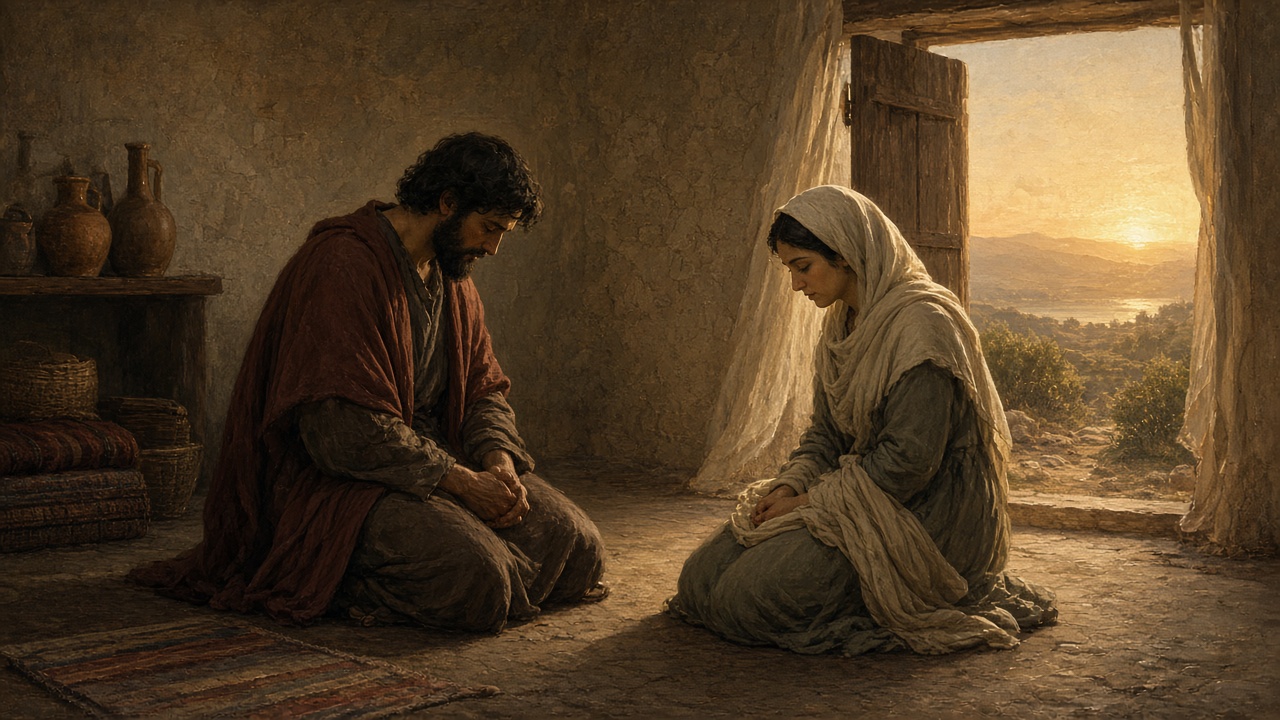
- El capítulo comienza como respuesta a asuntos sobre los que los lectores habían escrito. El autor dice que es bueno abstenerse de las relaciones sexuales, pero, porque hay tanta inmoralidad sexual, cada hombre debe tener su propia esposa y cada mujer su propio esposo. Presenta esto como una concesión, no como un mandamiento, y dice que cada persona tiene su propio don de parte de Dios.Fuentes: el propio texto bíblico
- En el matrimonio, el autor dice que la esposa no tiene autoridad sobre su propio cuerpo, sino el esposo, y del mismo modo el esposo no tiene autoridad sobre su propio cuerpo, sino la esposa. No deben privarse el uno del otro, excepto de común acuerdo y por un tiempo, para dedicarse a la oración, y luego volver a unirse, a fin de que Satanás no los tiente por su falta de dominio propio. El diccionario bíblico de Easton (1897) presenta el nombre Satanás como “adversario” o “acusador”, y señala que tentó a Jesús en el desierto.Fuentes: el propio texto bíblico · Satan
- El autor distingue un mandamiento que atribuye al Señor —la esposa no debe separarse de su esposo, y el esposo no debe divorciarse de su esposa— de su propio juicio, en los casos en que dice que habla él, y no el Señor, incluidos los matrimonios con una persona no creyente y las cuestiones sobre las vírgenes. A causa de lo que llama la crisis presente, y porque dice que el tiempo es corto y que este mundo, en su forma actual, está pasando, considera bueno permanecer como se está. Añade que casarse no es pecar, aunque quienes se casan enfrentarán dificultades en esta vida.Fuentes: el propio texto bíblico
Notas escritas con ayuda de IA a partir de fuentes abiertas (Theographic Bible Metadata, CC BY-SA 4.0; Easton’s Bible Dictionary, dominio público) y revisadas antes de publicarse.
Créditos y licencia de esta traducción
Elu Ọhụn: Ẹkụkwọ-Nsọ (Azụụn Ọhụn rịn'a)
Revision of New Testament in Ika
copyright © 2010 Wycliffe
Language: Ika
Translation by: Wycliffe
Ika (ikk) Nigeria
In Nigeria the word Ika is not only the name of the Ika
people, but is also used to designate a local government area in the Akwa Ibom
State. The Ika people are a sub group of the Igbo people. It is interesting to note
that Ika is the name of a town in Croatia is one of the eight Annang local
government areas of the local government areas in Akwa Ibom State. An alternative
name for the Ika people is Ika-Annang. There appears to be another dialect of Ika
that is spoken in Delta State of Nigeria.
Copyright Information
© 2010, Wycliffe. All rights reserved.
This translation text is made available to you under the terms of the Creative
Commons License: Attribution-Noncommercial-No Derivative Works. ( http://creativecommons.org/licenses/by-nc-nd/3.0/ ) In addition, you have
permission to port the text to different file formats, as long as you do not change
any of the text or punctuation of the Bible.
You may share, copy, distribute, transmit, and extract portions or quotations from
this work, provided that you include the above copyright information:
You must give Attribution to the work.
You do not sell this work for a profit.
You do not make any derivative works that change any of the actual words or
punctuation of the Scriptures.
Permissions beyond the scope of this license may be available if you contact us
with your request.
Printed book ISBN 9789789037056
Revision
The New Testament
in Ika
© 2010, Wycliffe. All rights
reserved.
This translation is made available to you under the terms of the
Creative Commons Attribution-Noncommercial-No Derivatives license 4.0.
You may share and redistribute this Bible translation or extracts from it in any format, provided that:
You include the above copyright and source information.
You do not sell this work for a profit.
You do not change any of the words or punctuation of the Scriptures.
Pictures included with Scriptures and other documents on this site are licensed just for use with those Scriptures and documents.
For other uses, please contact the respective copyright owners.
2019-08-09
Fuente: http://ebible.org/ikkNT/ · eBible.org