Romanos 5
Biblica® Baịbụlụ Nsọ nʼIgbo Ndị Ugbu a nke dịrị onye ọbụla ịgụ · Toca un versículo para ver sus referencias cruzadas.
Okwukwe na-eweta nzọpụta
1Ya mere, ebe e sitere nʼokwukwe mee ka anyị bụrụ ndị a gụrụ dịka ndị ezi omume, udo dị ugbu a nʼetiti anyị na Chineke site nʼOnyenwe anyị Jisọs Kraịst. 2Onye anyị sitere nʼaka ya nata amara nke anyị na-eguzo nʼime ya ugbu a. Anyị nọ nʼọṅụ nweekwa olileanya na a ga-eme ka anyị keta oke nʼebube Chineke. 3Ọ bụkwaghị naanị nke a, ma anyị na-aṅụrịkwa ọṅụ nʼime nsogbu anyị niile, ebe anyị maara na nsogbu ndị a na-enyere anyị aka ịbụ ndị nwere ntachiobi. 4Ntachiobi na-arụpụta nʼime anyị ezi agwa; ezi agwa na-arụpụtakwa olileanya. 5Olileanya na-eme ka anyị guzo chịm, nʼihi na Chineke awụnyela ịhụnanya ya nʼime obi anyị site nʼonyinye Mmụọ Nsọ.
6Mgbe ahụ anyị na-enweghị ike ọbụla, mgbe oge ahụ ruru nnọọ, Kraịst bịara nwụọ ọnwụ nʼihi anyị bụ ndị mmehie. 7A sịkwarị na anyị bụ ndị ezi omume ọ gaara abụ ihe siri ike mmadụ ịbịa nwụọ ọnwụ nʼihi anyị. Ma eleghị anya, a ga-ahụkwa onye nwere ike nwụọ nʼihi ezi mmadụ. 8Ma lee ka ịhụnanya Chineke siri pụta ìhè! Mgbe anyị ka nọrịị na-eme mmehie, Kraịst nwụrụ nʼihi anyị.
9Ebe a gụrụ anyị dịka ndị ezi omume site nʼọbara ya, nke karịrị nke a, a ga-esitekwa na ya zọpụta anyị site nʼọnụma Chineke. 10Nʼihi na, ọ bụrụ na mgbe anyị bụ ndị iro Chineke, e mere ka anyị na ya dị nʼudo site nʼọnwụ Ọkpara ya, nke karịrị nke a bụ, ebe ọ bụ na anyị na ya dịzi na mma, anyị ga-enweta nzọpụta site na ndụ ya. 11Ọ bụkwaghị naanị nke a, kama anyị na-aṅụrịkwa ọṅụ nʼime Chineke site na Onyenwe anyị Jisọs Kraịst, onye anyị sitere na ya nata ịdị na mma a ugbu a.
Adam na Kraịst
12Dịka o siri dị, ọ bụ site nʼaka otu nwoke ka mmehie siri bata nʼụwa. Ọ bụkwa mmehie a wetara ọnwụ. Ugbu a, ọnwụ erutela onye ọbụla aka nʼihi na mmadụ niile emehiela.
13Ma tupu e nye iwu, mmehie dị nʼụwa. Ma a dịghị agụkọta mmehie mgbe iwu na-adịghị. 14Ma e mere ka ọnwụ rute onye ọbụla site nʼoge Adam ruo nʼoge Mosis. O metụtara ọ bụladị ndị mmehie ha na-adịghị ka nke Adam, onye bụ ihe atụ nke onye ahụ gaje ịbịa.
15Ma onyinye a adịghị ka njehie ya. Nʼihi na ọ bụrụ na ọtụtụ nwụrụ site na mmehie nke otu mmadụ, lee ka o siri bụrụ ihe dị ukwu karịa na amara Chineke na onyinye amara sitere nʼotu onye bụ Jisọs Kraịst ga-ababiga ụba oke rute ọtụtụ mmadụ. 16Ọzọ, onyinye a adịghị ka ihe mmehie mmadụ mụpụtara. Nʼihi na ikpe ahụ sooro mmehie otu onye weta ọmụma ikpe, ma onyinye ahụ sooro ọtụtụ njehie weta ịgụ mmadụ nʼonye ikpe na-amaghị. 17Ya mere, ọ bụrụ na ọnwụ chịrị ọchịchị site na njehie nke otu onye, ọ bụghị ihe dị ukwu karịa na ndị nabatara onyinye amara Chineke bara ụba, ya na onyinye ezi omume, ga-achị achị na ndụ site nʼotu onye ahụ bụ Jisọs Kraịst.
18Ya mere, dịka otu njehie si weta ikpe ọmụma nye mmadụ niile, otu ahụ kwa ka e si gụọ mmadụ niile dịka ndị ezi omume na ndị nwere ndụ site nʼotu ọrụ ezi omume. 19Nʼihi na dịka ọtụtụ mmadụ si bụrụ ndị mmehie nʼihi nnupu isi nke otu nwoke, otu a kwa ka ọtụtụ mmadụ ga-abụkwa ndị ezi omume nʼihi nrube isi nke otu nwoke.
20Iwu bịara mee ka mmehie na-aba ụba, ma dịka mmehie na-aba ụba, amara na-abakwa ụba karịa. 21Ya mere, dịka mmehie si bụrụ eze nʼọnwụ, otu a kwa ka amara ga-esi bụrụ eze site nʼezi omume iweta ndụ ebighị ebi site nʼaka Jisọs Kraịst, Onyenwe anyị.
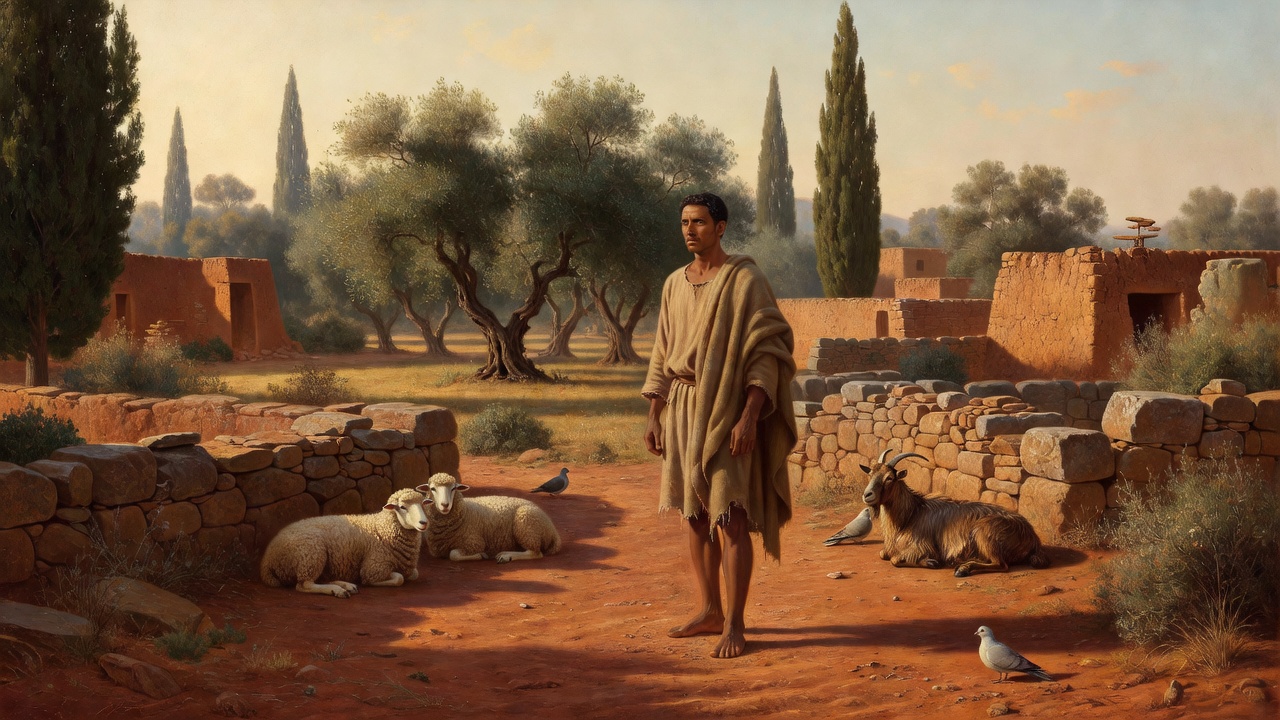
¿Sabías que…?
Adán, Cristo y el reinado de la gracia
- El hombre por medio del cual Romanos 5 dice que el pecado entró en el mundo, y la muerte por medio del pecado, es Adán. Una nota de referencia presenta Adán como una palabra babilónica que significa rojo, el nombre genérico del ser humano en hebreo y en asirio, y vincula ese nombre con el hecho de que fue formado del polvo de la tierra. El relato de su creación y de su caída está en el primer libro de Moisés.Fuentes: Adam · el propio texto bíblico
- Romanos 5 afirma que la muerte reinó desde Adán hasta Moisés, incluso sobre quienes no pecaron de la manera en que Adán transgredió. Dice también que el pecado ya estaba en el mundo antes de que se diera la ley, pero que el pecado no se toma en cuenta cuando no hay ley. Adán es llamado figura de aquel que había de venir.Fuentes: el propio texto bíblico
- El capítulo pone esa única transgresión junto al don que vino por la gracia de Jesucristo. El juicio tras un solo pecado trajo condenación, mientras que el don tras muchas transgresiones trajo justificación. La ley, dice el texto, entró para que la transgresión aumentara; sin embargo, donde el pecado aumentó, la gracia aumentó mucho más.Fuentes: el propio texto bíblico
Notas escritas con ayuda de IA a partir de fuentes abiertas (Theographic Bible Metadata, CC BY-SA 4.0; Easton’s Bible Dictionary, dominio público) y revisadas antes de publicarse.
Créditos y licencia de esta traducción
Biblica® Baịbụlụ Nsọ nʼIgbo Ndị Ugbu a nke dịrị onye ọbụla ịgụ The Holy Bible in the Igbo language of Nigeria: Biblica® Baịbụlụ Nsọ nʼIgbo Ndị Ugbu a nke dịrị onye ọbụla ịgụ copyright © 2020 Biblica, Inc. Language: Igbo Contributor: Biblica, Inc. This work is made available under the Creative Commons Attribution-ShareAlike 4.0 International License (CC BY-SA). To view a copy of this license, visit http://creativecommons.org/licenses/by-sa/4.0 or send a letter to Creative Commons, PO Box 1866, Mountain View, CA 94042, USA. Biblica® is a trademark registered by Biblica, Inc., and use of the Biblica® trademark requires the written permission of Biblica, Inc. Under the terms of the CC BY-SA license, you may copy and redistribute this unmodified work as long as you keep the Biblica® trademark intact. If you modify a copy or translate this work, thereby creating a derivative work, you must remove the Biblica® trademark. On the derivative work, you must indicate what changes you have made and attribute the work as follows: “The original work by Biblica, Inc. is available for free at www.biblica.com and open.bible.” Notice of copyright must appear on the title or copyright page of the work as follows: Biblica® Baịbụlụ Nsọ nʼIgbo Ndị Ugbu a nke dịrị onye ọbụla ịgụ Ndị Biblica, Inc. degharịrị ya nʼafọ © 1980, 1988, 2019, 2020 Biblica® Open Igbo Contemporary Bible™ Copyright © 1980, 1988, 2019, 2020 by Biblica, Inc. “Biblica” bụ akara e ji mara ụlọ ọrụ a, nke edebanyere dịka iwu si kwado nʼụlọ ọrụ dị nʼobodo United States, ebe a na-enye akara a na ikike maka azụm ahịa ndị Biblica, Inc. Ọ bụ ha ka e nyere ikike idenye ya. “Biblica” is a trademark registered in the United States Patent and Trademark Office by Biblica, Inc. Used with permission. You must also make your derivative work available under the same license (CC BY-SA). If you would like to notify Biblica, Inc. regarding your translation of this work, please contact us at https://open.bible/contact-us. This translation is made available to you under the terms of the Creative Commons Attribution Share-Alike license 4.0. You have permission to share and redistribute this Bible translation in any format and to make reasonable revisions and adaptations of this translation, provided that: You include the above copyright and source information. If you make any changes to the text, you must indicate that you did so in a way that makes it clear that the original licensor is not necessarily endorsing your changes. If you redistribute this text, you must distribute your contributions under the same license as the original. Pictures included with Scriptures and other documents on this site are licensed just for use with those Scriptures and documents. For other uses, please contact the respective copyright owners. Note that in addition to the rules above, revising and adapting God's Word involves a great responsibility to be true to God's Word. See Revelation 22:18-19. 2023-04-12
Fuente: http://ebible.org/ibo/ · eBible.org