Proverbios 30
Biblica® Baịbụlụ Nsọ nʼIgbo Ndị Ugbu a nke dịrị onye ọbụla ịgụ · Toca un versículo para ver sus referencias cruzadas.
Okwu amamihe nke Agọ
1Ndị a bụ okwu Agọ, nwa Jake, onye Masa,
Okwu si nʼọnụ nwoke a zigaara Itiel na Ukal:
“Ike agwụla m, Chineke
ma a pụrụ imeri.
2Nʼezie, abụ m onye nzuzu karịa mmadụ ọbụla;
Enweghị m ụdị nghọta ahụ mmadụ na-enwe.
3Amụtabeghị m amamihe,
maọbụ ruo ịmata maka Onye Nsọ ahụ.
4Olee onye na-arịgo nʼeluigwe na-arịdatakwa?
Onye ka ọ bụ, bụ onye jikọtara ifufe nʼaka ya?
Onye kwa weere akwa kechikọtaa osimiri niile nʼaka ya?
Onye hiwere oke nsọtụ ụwa niile? Onye ka ọ bụ?
Ọ bụrụ na ị ma onye ọ bụ, gịnị bụ aha ya?
Gịnịkwa bụ aha nwa ya?
5“Okwu ọnụ Chineke niile bụ ihe anụchara anụcha,
Ọ bụ ọta nye ndị na-agbaba nʼime ya izere ndụ.
6Atụkwasịla ihe ọbụla nʼokwu ya,
ka ọ ghara ịbara gị mba, ka ị gharakwa ịghọ onye ụgha.
7“O Onyenwe anyị, naanị ihe abụọ ka m na-arịọ gị tupu m nwụọ;
ajụkwala imere m ha:
8Nke mbụ, mee ka okwu efu na okwu ụgha dị anya nʼebe m nọ.
Nke abụọ, e nyela m ọnọdụ ogbenye maọbụ ọnọdụ ọgaranya,
kama nye m naanị nri ga-ezuru m kwa ụbọchị niile.
9Nʼihi na, ọ bụrụ na m aghọọ ọgaranya, ma eleghị anya, afọ ga-eju m, jubiga m oke,
ruo na m ga-asị na m achọkwaghị gị ma kwuokwa si, ‘Onye ka Onyenwe anyị bụ?’
Ọ bụrụkwa na m adaa ogbenye, ma eleghị anya, aga m ezu ohi,
site nʼụzọ dị otu a, wetara aha nsọ gị Chineke, ihe ihere.
10“Ekwujọla ohu nʼihu nna ya ukwu,
ka ọ ghara ịbụ gị ọnụ, ikpe amaa gị.
11“Ọ dị ndị na-akọcha nna ha,
ha adịghị agọzikwa nne ha;
12Ọgbọ ndị dị ọcha nʼanya nke onwe ha
ma asapụbeghị isisi nʼunyi ha ruru.
13Ọ dị ndị anya ha dị nʼelu,
ndị ile anya ha jupụtara na nlelị.
14Ndị eze ha niile bụ mma agha
ịkịrị eze ha bụkwa mma
maka irichapụ ndị ogbenye site nʼụwa
na ndị nọ nʼụkọ site nʼetiti mmadụ.
15“Etu nwere ụmụ nwanyị abụọ
ndị na-eti, ‘Nye, nye.’
“Ọ dị ụzọ ihe atọ nke afọ na-adịghị eju.
E, anọ dị na-adịghị asị, ‘O zuola.’
16Ala ili,
akpanwa nwanyị na-adịghị atụ ime,
ala nke mmiri na-adịghị eju afọ,
na ọkụ nke na-adịghị asị, ‘O zuola.’
17“Onye ahụ na-akwa nna ya emo,
nke na-akpọkwa irubere nne ya isi asị,
ugolọma ga-atụrụ mkpụrụ anya ya,
udele ga-erikwa anụ ahụ ya.
18“Ọ dị ihe atọ na-agbagwoju m anya, apụghị m ịghọta ha;
mbaa, ha dị anọ!
19Otu ugo si efegharị na mbara eluigwe;
otu agwọ si akpụ nʼelu nkume,
otu ụgbọ mmiri si achọta ụzọ ya nʼoke osimiri;
na otu ịhụnanya si eto nʼetiti nwoke na nwaagbọghọ.
20“Nke bụ ụzọ nwanyị na-akwa iko,
Ọ na-eri ma hichaa ọnụ ya,
na-asị, ‘E meghị m ajọ ihe ọbụla.’
21“Ọ dị ihe atọ na-eme ka ụwa maa jijiji,
nʼokpuru ihe anọ nke ọ na-apụghị ịnagide,
22Ohu ghọrọ eze,
onye nzuzu ihe na-agara nke ọma,
23nwanyị obi ilu mesịrị lụta dị,
na odibo nwanyị ghọrọ nwunye nna ya ukwu.
24“Ihe anọ dị nke dị nta nʼelu ụwa,
ma ha maa ihe nke ukwuu.
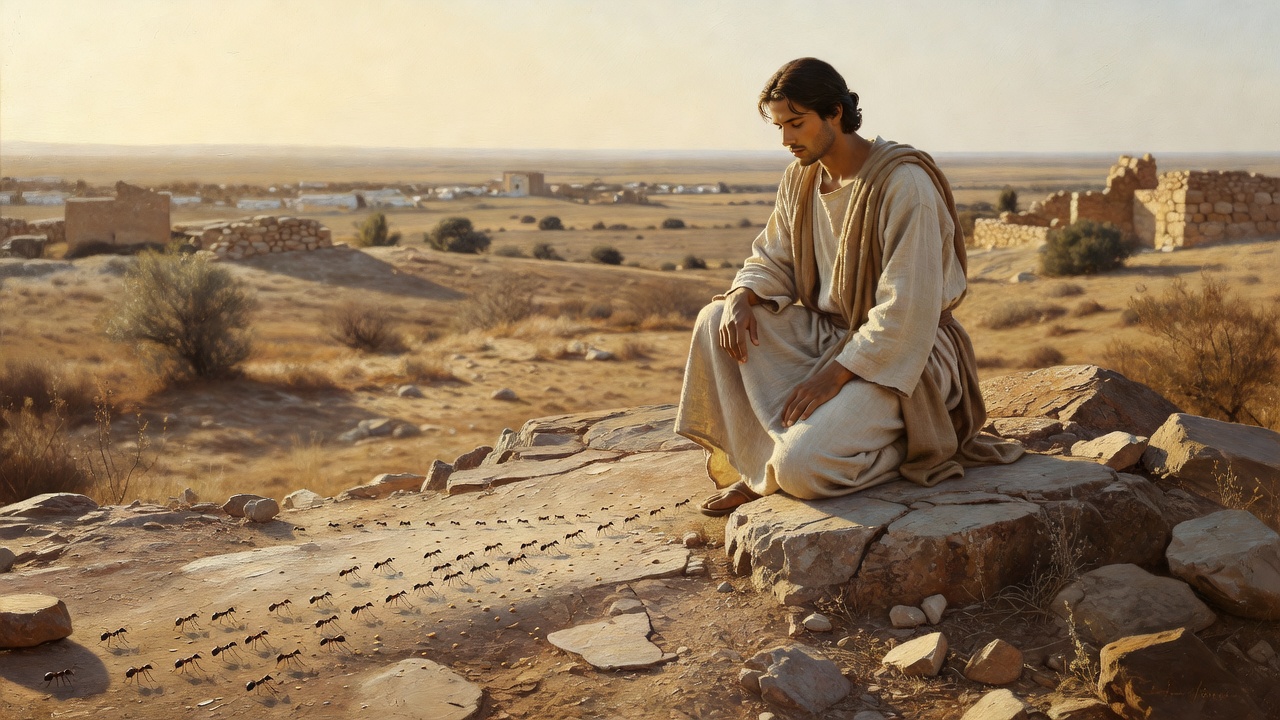
25Ndanda bụ ndị na-enweghị ume,
ma ha na-akpakọta nri ha, dozie nke ha ga-eri nʼoge oyi.
26Ewi nkume bụ ndị na-adịghị ike,
ma ha na-echebe onwe ha site nʼibi nʼọgba nkume.
27Igurube enweghị eze,
ma ha na-aga nʼigwe nʼahịrị nʼahịrị.
28Ngwere dị mfe iji aka jide ya,
ma ị ga-achọta ha ọ bụladị nʼụlọ ndị eze.
29“Ha dị ihe atọ na-ejegharị nʼụwa nʼọnọdụ ịdị oke ebube,
mbaa, ha dị anọ:
30Ọdụm, eze ụmụ anụmanụ. Ọ naghị atụ onye ọbụla egwu,
31na oke ọkụkọ na-ejegharị ejegharị,
na mkpi,
na eze ndị agha ya gbara gburugburu.
32“Ọ bụrụ na i meela ihe nzuzu site nʼifuli onwe gị elu
maọbụ zube nzube ọjọọ,
anyala isi nʼihi ya, were aka gị kpuchie ọnụ gị nʼihere.
33A pịaa mmiri ara ehi a na-ewepụta mmanụ ara ehi;
iti mmadụ aka nʼimi na-akpata ịgba ọbara,
otu a kwa ikpali iwe na-eweta ise okwu.”
¿Sabías que…?
Los Dichos de Agur
- Proverbios 30 se atribuye a Agur, hijo de Jaqué, quien dirigió sus palabras a Itiel y Ucal. Más allá de lo que está registrado en este capítulo, no se sabe nada más acerca de Agur o de su padre.Fuentes: Agur · Jakeh · Ucal · el propio texto bíblico
- El capítulo utiliza con frecuencia un patrón numérico graduado ('tres cosas... cuatro que...') para agrupar observaciones sobre la naturaleza y la conducta humana. Agur aplica esta estructura a maravillas de la creación, alteraciones sociales, seres de andar imponente y cuatro pequeñas criaturas que muestran una notable sabiduría: hormigas, damanes, langostas y lagartijas.Fuentes: el propio texto bíblico
- Agur hace una petición específica de dos partes, pidiendo que no se le dé ni pobreza ni riquezas, sino solo su porción diaria de comida. Explica que tener en abundancia podría llevar a alguien a negar al Señor, mientras que caer en la pobreza podría tentar a la persona a robar.Fuentes: el propio texto bíblico
Notas escritas con ayuda de IA a partir de fuentes abiertas (Theographic Bible Metadata, CC BY-SA 4.0; Easton’s Bible Dictionary, dominio público) y revisadas antes de publicarse.
Créditos y licencia de esta traducción
Biblica® Baịbụlụ Nsọ nʼIgbo Ndị Ugbu a nke dịrị onye ọbụla ịgụ The Holy Bible in the Igbo language of Nigeria: Biblica® Baịbụlụ Nsọ nʼIgbo Ndị Ugbu a nke dịrị onye ọbụla ịgụ copyright © 2020 Biblica, Inc. Language: Igbo Contributor: Biblica, Inc. This work is made available under the Creative Commons Attribution-ShareAlike 4.0 International License (CC BY-SA). To view a copy of this license, visit http://creativecommons.org/licenses/by-sa/4.0 or send a letter to Creative Commons, PO Box 1866, Mountain View, CA 94042, USA. Biblica® is a trademark registered by Biblica, Inc., and use of the Biblica® trademark requires the written permission of Biblica, Inc. Under the terms of the CC BY-SA license, you may copy and redistribute this unmodified work as long as you keep the Biblica® trademark intact. If you modify a copy or translate this work, thereby creating a derivative work, you must remove the Biblica® trademark. On the derivative work, you must indicate what changes you have made and attribute the work as follows: “The original work by Biblica, Inc. is available for free at www.biblica.com and open.bible.” Notice of copyright must appear on the title or copyright page of the work as follows: Biblica® Baịbụlụ Nsọ nʼIgbo Ndị Ugbu a nke dịrị onye ọbụla ịgụ Ndị Biblica, Inc. degharịrị ya nʼafọ © 1980, 1988, 2019, 2020 Biblica® Open Igbo Contemporary Bible™ Copyright © 1980, 1988, 2019, 2020 by Biblica, Inc. “Biblica” bụ akara e ji mara ụlọ ọrụ a, nke edebanyere dịka iwu si kwado nʼụlọ ọrụ dị nʼobodo United States, ebe a na-enye akara a na ikike maka azụm ahịa ndị Biblica, Inc. Ọ bụ ha ka e nyere ikike idenye ya. “Biblica” is a trademark registered in the United States Patent and Trademark Office by Biblica, Inc. Used with permission. You must also make your derivative work available under the same license (CC BY-SA). If you would like to notify Biblica, Inc. regarding your translation of this work, please contact us at https://open.bible/contact-us. This translation is made available to you under the terms of the Creative Commons Attribution Share-Alike license 4.0. You have permission to share and redistribute this Bible translation in any format and to make reasonable revisions and adaptations of this translation, provided that: You include the above copyright and source information. If you make any changes to the text, you must indicate that you did so in a way that makes it clear that the original licensor is not necessarily endorsing your changes. If you redistribute this text, you must distribute your contributions under the same license as the original. Pictures included with Scriptures and other documents on this site are licensed just for use with those Scriptures and documents. For other uses, please contact the respective copyright owners. Note that in addition to the rules above, revising and adapting God's Word involves a great responsibility to be true to God's Word. See Revelation 22:18-19. 2023-04-12
Fuente: http://ebible.org/ibo/ · eBible.org