Mateo 10
Biblica® Baịbụlụ Nsọ nʼIgbo Ndị Ugbu a nke dịrị onye ọbụla ịgụ · Toca un versículo para ver sus referencias cruzadas.
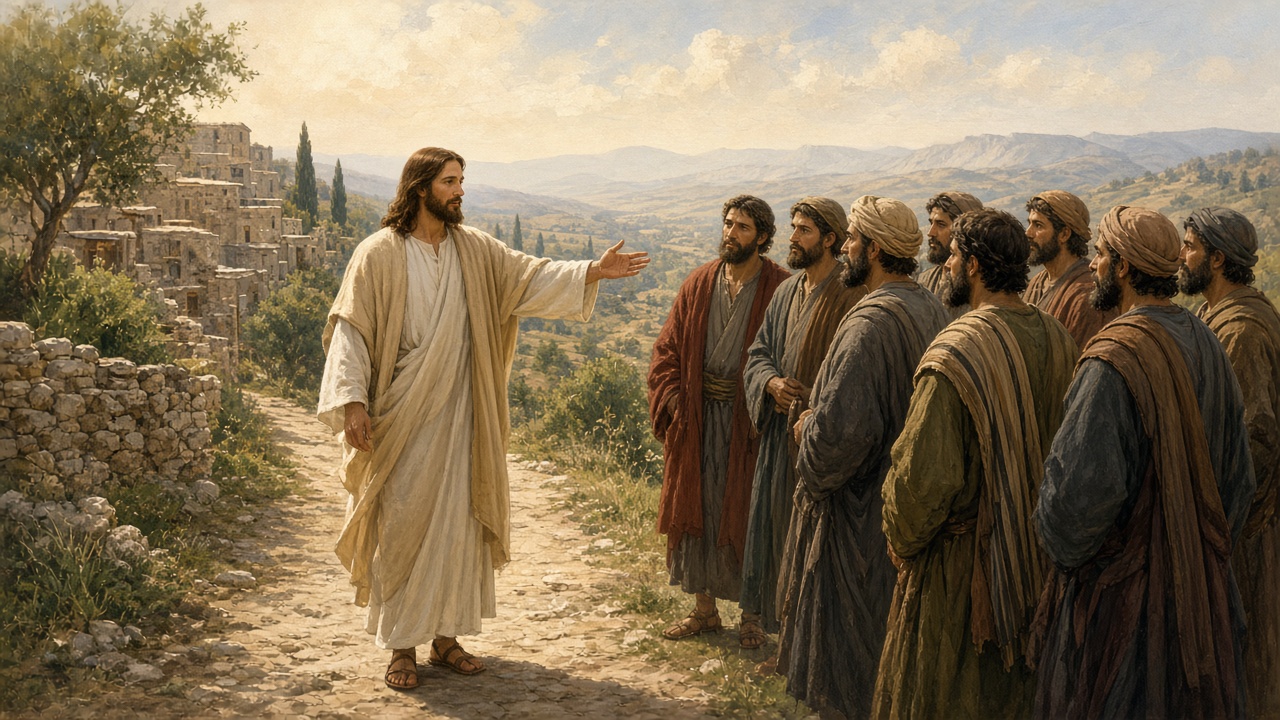
Jisọs ezipu ndị ozi iri na abụọ
1Jisọs kpọrọ ndị na-eso ụzọ ya iri na abụọ nye ha ikike ịchụpụ mmụọ na-adịghị ọcha, na ịgwọ nrịa nrịa na ọrịa niile dị iche iche.
2Nke a bụ aha ndị ozi iri na abụọ ahụ:
Saimọn (onye a na-akpọkwa Pita) na Andru nwanne Saimọn;
Jemis nwa Zebedi, na Jọn nwanne ya.
3Filip na Batalomi;
Tọmọs na Matiu onye ọna ụtụ;
Jemis nwa Alfiọs, na Tadiọs.
4Saimọn onye a na-akpọ Zilọt na Judas Iskarịọt, onye raara ya nye nʼaka ndị gburu ya.
5Ndị ikom iri na abụọ ndị a ka Jisọs nyere ikike zipụ. Maara ha ọkwa sị ha: “Unu agala nʼebe ndị mba ọzọ, maọbụ nʼebe ndị Sameria nọ. 6Kama jekwurunụ ụmụ Izrel, ndị bụ atụrụ furu efu. 7Mgbe unu na-aga, na-ekwusaaranụ ha sị, ‘alaeze eluigwe a dịla nso.’ 8Gwọọnụ ndị ọrịa, kpọteenụ ndị nwụrụ anwụ, meenụ ka ahụ ndị ekpenta dị ọcha, chụpụkwanụ mmụọ ọjọọ. Nʼefu ka unu natara. Ya mere, nyenụ nʼefu.
9“Mgbe unu na-aga, unu anatala ọlaọcha maọbụ ọlaedo, maọbụ ọla ọbụla tinye nʼime belịt unu. 10Unu ejikwala akpa maka njem unu, maọbụ uwe abụọ, maọbụ akpụkpọụkwụ, maọbụ mkpanaka. Nʼihi na onye ọrụ kwesiri ihe e ji azụ ya. 11Ma obodo ọbụla maọbụ ogbe ọbụla unu bara nʼime ya, chọọnụ ụfọdụ ndị kwesiri nsọpụrụ bi nʼobodo ahụ. Nọgidekwanụ nʼụlọ ha ruo mgbe unu ga-ahapụ obodo ahụ. 12Mgbe unu na-abanye nʼụlọ ahụ, keleenụ ndị bi na ya sị, udo dịrị unu. 13Ọ bụrụ na ndị nọ nʼụlọ ahụ anabata unu, meenụ ka udo unu bịakwasị nʼụlọ ahụ. Ọ bụrụkwanụ na ha anabataghị unu, ka udo unu lọghachikwute unu. 14Ọ bụrụ na onye ọbụla anabataghị unu, maọbụ jụ ịnụrụ okwu unu, mgbe unu na-ahapụ ụlọ ahụ maọbụ obodo ahụ kụchapụnụ aja dị nʼụkwụ unu. 15Nʼeziokwu, ọ ga-adịrị obodo ahụ njọ nʼụbọchị ikpe karịa obodo Sọdọm na Gọmọra.
Mkpagbu nke oge dị nʼihu
16“Ana m ezipu unu dị ka atụrụ nʼetiti agụ. Ya mere, nweenụ uche dịka agwọ. Burunu ndị a na-apụghị ịta ụta dịka nduru. 17Kpachapụnụ anya. Nʼihi na a ga-enyefe unu nʼaka nzukọ ndị ụlọ ikpe, pịaakwa unu ihe nʼụlọ ekpere ha. 18A ga-ekpe unu ikpe nʼihu ndị na-achị achị na nʼihu ndị eze nʼihi m. Ma nke a ga-enye unu ohere ịgwa ha ihe banyere m. E, nke a ga-enye unu ohere ịgba ama banyere m nye ndị mba ọzọ. 19Mgbe ha jidere unu na-ekpe unu ikpe, unu echegbula onwe unu banyere ihe unu ga-ekwu, maọbụ otu unu ga-esi kwuo ya. Nʼihi na a ga-eme ka unu mata ihe unu ga-ekwu nʼoge ahụ. 20Nʼihi na ọ bụghị unu ga-ekwu nʼonwe unu. Kama Mmụọ nke Nna unu bi nʼeluigwe ga-esite nʼọnụ unu kwuo okwu.
21“Nwanne ga-arara nwanne ya nye ka e gbuo ya, nna ga-ararakwa nwa ya nye. Ụmụ ga-ebili megide ndị mụrụ ha mee ka e gbuo ha. 22Mmadụ niile ga-akpọ unu asị nʼihi m. Ma onye ga-eguzosi ike ruo ọgwụgwụ ka a ga-azọpụta. 23Mgbe ọbụla ndị mmadụ sogburu unu nʼotu obodo gbalaganụ nʼobodo ọzọ. Nʼezie, asị m unu, unu agaghị agazucha obodo niile nke Izrel tupu Nwa nke Mmadụ alọghachi.
24“Nwata akwụkwọ adịghị akarị onye nkuzi ya. Ohu adịghị akarịkwa nna ya ukwu. 25O zuorela onye na-eso ụzọ onye nkuzi ka ọ dị ka onye nkuzi ya, na ohu ahụ ka ọ dị ka onyenwe ya. Ọ bụrụ na a kpọrọ nna nwe ụlọ Belzebub, a ga-esi aṅaa ghara ịkpọ ndị ezinaụlọ ya ihe karịrị nke a?
Onye e kwesiri ịtụ egwu
26“Ya mere unu atụla ha egwu. O nweghị ihe ọbụla e kpuchiri ekpuchi nke a na-agaghị ekpughe, maọbụ ihe e zoro ezo nke a na-agaghị eme ka ọ pụta ìhè. 27Ihe m na-agwa unu ugbu a na nzuzo, kọsaanụ ya mgbe chi bọrọ. Ihe m ji nwayọọ mee ka ọ baa unu na ntị, nọdụnụ nʼelu ụlọ kwusaa ya. 28Unu atụla egwu ndị pụrụ igbu naanị anụ ahụ unu, ma ha enweghị ike ịmetụ mkpụrụobi unu aka. Kama onye unu ga-atụ egwu bụ Onye ahụ nwere ike imebi anụ ahụ unu na mkpụrụobi, tụbakwa ha nʼọkụ ala mmụọ. 29Ọ bụghị otu kobo ka a na-ere ụmụ nza abụọ? Ma otu nʼime ha agaghị ada nʼala ma ọ bụrụ na Nna unu bi nʼeluigwe amaghị. 30Ọ bụladị agịrị isi dị nʼisi unu ka a maara ọnụọgụgụ ha. 31Ya mere, unu atụla egwu. Unu dị oke ọnụ karịa ọtụtụ ụmụ nza.
32“Ya mere, onye ọbụla kwupụtara m nʼihu ụmụ mmadụ, ka mụ onwe m ga-ekwupụta nʼihu Nna m bi nʼeluigwe. 33Ma onye ọbụla na-agọnarị m nʼihu ndị mmadụ, mụ onwe m ga-agọnarịkwa ya nʼihu Nna m bi nʼeluigwe.
34“Unu echekwala na m bịara iweta udo nʼụwa. Abịaghị m iweta udo, kama ọ bụ iwebata mma agha. 35Abịara m ime,
“ ‘Ka nwoke megide nna ya,
ka nwa nwanyị megide nne ya,
ka nwunye nwa megide nne di ya,
36ndị iro mmadụ ga-abụ ndị ezinaụlọ ya.’
37“Ọ bụrụ na ị hụrụ nne gị maọbụ nna gị nʼanya karịa m, i kwesighị ịbụ onye nke m. Ọ bụrụ na ị hụrụ nwa gị nwoke, maọbụ nwa gị nwanyị nʼanya karịa m, i kwesighị ịbụ onye nke m. 38Onye ọbụla na-eburughị obe ya soro m, ekwesighị ị bụ onye nke m. 39Onye ọbụla chọtara ndụ ya ga-etufu ya, ma onye ọbụla tufuru ndụ ya maka m, ga-achọtakwa ya.
40“Ndị niile nabatara unu na-anabata m. Mgbe ha nabatara m, ọ bụkwa Onye ahụ zitere m ka ha na-anabata. 41Ọ bụrụ na unu anabata onye amụma nʼihi na ọ bụ onye amụma, unu na onye amụma ahụ ga-enwekọ otu ụgwọ ọrụ. Ọ bụrụkwa na unu anabata onye ezi omume nʼihi ezi omume ya, unu ga-esorokwa ya nata ụgwọ ọrụ nke onye ezi omume. 42Ọ bụrụ na onye ọbụla ekunye otu nʼime ndị a na-eso ụzọ m mmiri oyi ka ọ ṅụọ, nʼihi na ọ bụ onye na-eso ụzọ m, nʼezie, asị m unu, ọ ghaghị ịnata ụgwọ ọrụ ya.”
¿Sabías que…?
Los doce enviados en misión
- Simón, llamado Pedro, y su hermano Andrés —la primera pareja nombrada entre los doce— eran pescadores de Betsaida, en la costa occidental del mar de Galilea. Santiago y Juan, mencionados a continuación, eran hijos de Zebedeo, un pescador de Galilea que tenía sus propias barcas y jornaleros.Fuentes: el propio texto bíblico · Simon Peter · Andrew · Zebedee
- Mateo, identificado en la lista como el recaudador de impuestos, era hijo de Alfeo y antes se conocía como Leví; cobraba impuestos en Capernaúm, y el nombre Mateo significa “don de Dios”. Tomás, nombrado junto a él, también era llamado Dídimo, el equivalente griego del nombre hebreo, que significa “gemelo”. Bartolomé significa “hijo de Tolmai” y, por lo general, se supone que es la misma persona que Natanael.Fuentes: el propio texto bíblico · Matthew · Thomas · Bartholomew
- Jesús advierte que el día del juicio será más tolerable para Sodoma y Gomorra que para un pueblo que rechace a los doce apóstoles. El Diccionario Bíblico de Easton (1897) describe esas ciudades de la llanura de Sidim como destruidas por fuego y proverbiales por su maldad, y las ubica, probablemente juntas, cerca del extremo norte de lo que hoy es el mar Muerto.Fuentes: el propio texto bíblico · Sodom · Gomorrah
Notas escritas con ayuda de IA a partir de fuentes abiertas (Theographic Bible Metadata, CC BY-SA 4.0; Easton’s Bible Dictionary, dominio público) y revisadas antes de publicarse.
Créditos y licencia de esta traducción
Biblica® Baịbụlụ Nsọ nʼIgbo Ndị Ugbu a nke dịrị onye ọbụla ịgụ The Holy Bible in the Igbo language of Nigeria: Biblica® Baịbụlụ Nsọ nʼIgbo Ndị Ugbu a nke dịrị onye ọbụla ịgụ copyright © 2020 Biblica, Inc. Language: Igbo Contributor: Biblica, Inc. This work is made available under the Creative Commons Attribution-ShareAlike 4.0 International License (CC BY-SA). To view a copy of this license, visit http://creativecommons.org/licenses/by-sa/4.0 or send a letter to Creative Commons, PO Box 1866, Mountain View, CA 94042, USA. Biblica® is a trademark registered by Biblica, Inc., and use of the Biblica® trademark requires the written permission of Biblica, Inc. Under the terms of the CC BY-SA license, you may copy and redistribute this unmodified work as long as you keep the Biblica® trademark intact. If you modify a copy or translate this work, thereby creating a derivative work, you must remove the Biblica® trademark. On the derivative work, you must indicate what changes you have made and attribute the work as follows: “The original work by Biblica, Inc. is available for free at www.biblica.com and open.bible.” Notice of copyright must appear on the title or copyright page of the work as follows: Biblica® Baịbụlụ Nsọ nʼIgbo Ndị Ugbu a nke dịrị onye ọbụla ịgụ Ndị Biblica, Inc. degharịrị ya nʼafọ © 1980, 1988, 2019, 2020 Biblica® Open Igbo Contemporary Bible™ Copyright © 1980, 1988, 2019, 2020 by Biblica, Inc. “Biblica” bụ akara e ji mara ụlọ ọrụ a, nke edebanyere dịka iwu si kwado nʼụlọ ọrụ dị nʼobodo United States, ebe a na-enye akara a na ikike maka azụm ahịa ndị Biblica, Inc. Ọ bụ ha ka e nyere ikike idenye ya. “Biblica” is a trademark registered in the United States Patent and Trademark Office by Biblica, Inc. Used with permission. You must also make your derivative work available under the same license (CC BY-SA). If you would like to notify Biblica, Inc. regarding your translation of this work, please contact us at https://open.bible/contact-us. This translation is made available to you under the terms of the Creative Commons Attribution Share-Alike license 4.0. You have permission to share and redistribute this Bible translation in any format and to make reasonable revisions and adaptations of this translation, provided that: You include the above copyright and source information. If you make any changes to the text, you must indicate that you did so in a way that makes it clear that the original licensor is not necessarily endorsing your changes. If you redistribute this text, you must distribute your contributions under the same license as the original. Pictures included with Scriptures and other documents on this site are licensed just for use with those Scriptures and documents. For other uses, please contact the respective copyright owners. Note that in addition to the rules above, revising and adapting God's Word involves a great responsibility to be true to God's Word. See Revelation 22:18-19. 2023-04-12
Fuente: http://ebible.org/ibo/ · eBible.org