Levítico 15
Biblica® Baịbụlụ Nsọ nʼIgbo Ndị Ugbu a nke dịrị onye ọbụla ịgụ · Toca un versículo para ver sus referencias cruzadas.
Ihe nsọpụta ndị na-ebute adịghị ọcha
1Onyenwe anyị gwara Mosis na Erọn okwu sị ha, 2“Gwa ụmụ Izrel okwu sị ha, ‘Nwoke ọbụla ihe nsọpụta si nʼahụ ya na-asọpụta, bụ onye rụrụ arụ. 3Onye ahụ rụrụ arụ mgbe ihe ahụ si ya nʼahụ na-asọpụta, rụọkwa arụ mgbe ihe ahụ kwụsịrị ịsọ. Otu a ka ihe ọsụsọ ahụ si eme ka onye ahụ rụọ arụ.
4“ ‘Ihe ọbụla onye ahụ ji anọdụ ala, maọbụ nke o ji dinaa bụ ihe rụrụ arụ. 5Onye ọbụla metụrụ ihe ndina ya aka ga-abụ onye rụrụ arụ ruo uhuruchi. Ọ ga-asa uwe ya, na ahụ ya mmiri. 6Onye ọbụla nọdụrụ ala nʼihe onye ahụ nọdụrụ ala nʼoge ahụ ọ bụ onye rụrụ arụ, ga-abụ onye rụrụ arụ ruo uhuruchi. Ọ ga-asa uwe ya, na ahụ ya mmiri.
7“ ‘Onye ọbụla metụrụ nwoke ahụ ihe si nʼahụ ya na-asọpụta aka ga-asa uwe ya na ahụ ya mmiri, bụrụ onye rụrụ arụ ruo uhuruchi.
8“ ‘Onye ọbụla dị ọcha nke onye ahụ bụsara ọnụ mmiri ga-abụ onye rụrụ arụ ruo uhuruchi. Ọ ga-asa uwe ya na ahụ ya mmiri.
9“ ‘Ihe ọbụla onye ahụ ji anọkwasị nʼelu anụmanụ ọ na-agba ga-abụ ihe rụrụ arụ. 10Onye ọbụla ga-eburu, maọbụ metụ ihe ọbụla o ji nọdụ ala aka ga-abụ onye rụrụ arụ ruo uhuruchi. Ọ ga-asa uwe ya na ahụ ya mmiri.
11“ ‘Ọ bụrụ na nwoke ahụ rụrụ arụ ebughị ụzọ saa aka ya tupu o metụ mmadụ aka, onye ahụ o metụrụ aka ga-abụ onye rụrụ arụ ruo uhuruchi. Ọ ga-asa uwe ya na ahụ ya mmiri.
12“ ‘A ga-etiwa ite aja ọbụla onye ahụ metụrụ aka, jiri mmiri ṅachaa ihe osisi ọbụla o metụrụ aka.
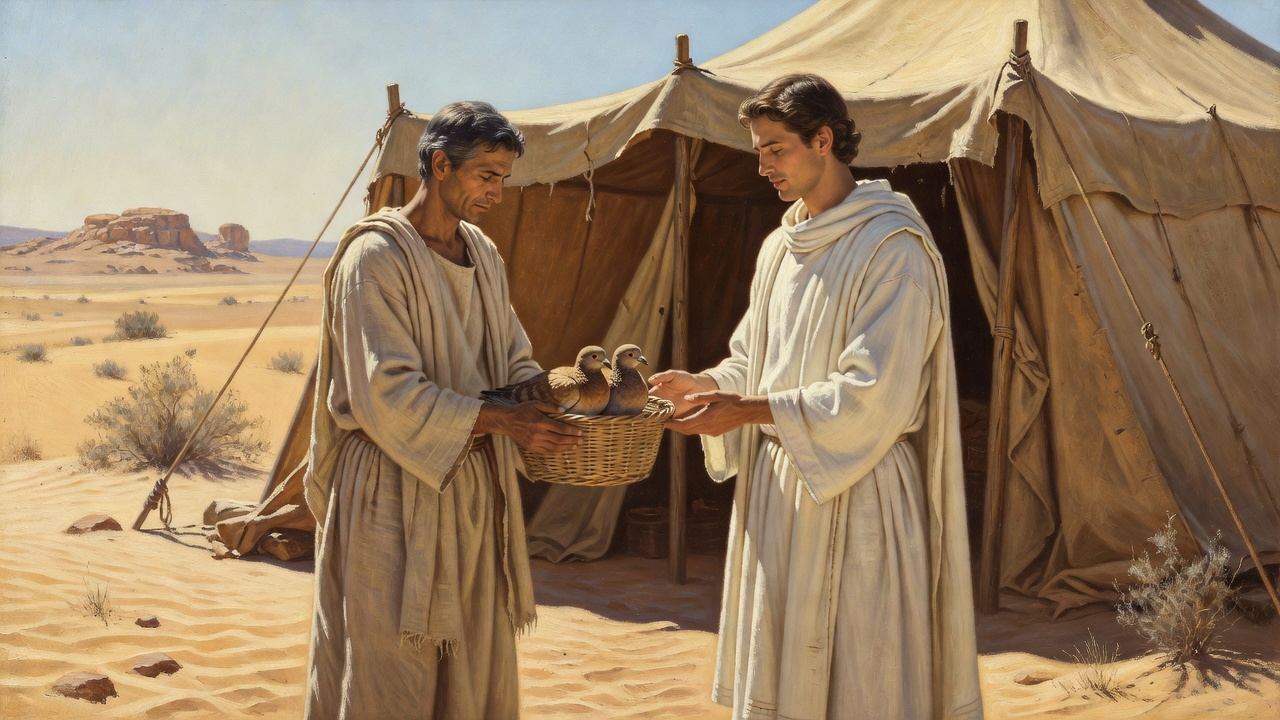
13“ ‘Mgbe e mere ka onye ahụ bụrụ onye dị ọcha site nʼihe nsọpụta a, ọ ga-anọ ụbọchị asaa maka ịdị ọcha ya. Ọ ga-asa uwe ya na ahụ ya nʼime mmiri na-asọ asọ tupu ọ bụrụ onye dị ọcha. 14Nʼụbọchị nke asatọ, ọ ga-ewere nduru abụọ maọbụ ụmụ kpalakwukwu abụọ bịa nʼihu Onyenwe anyị nʼọnụ ụzọ ụlọ nzute, were ha nye onye nchụaja. 15Onye nchụaja ga-eji ha chụọrọ ya aja nʼebe ahụ. Otu nʼime nnụnụ abụọ ahụ ga-abụ maka aja mmehie, nke ọzọ maka aja nsure ọkụ. Nʼụzọ dị otu a, ọ ga-ekpuchiri nwoke ahụ mmehie ya nʼihu Onyenwe anyị nʼihi ihe ọsụsọ ahụ.
16“ ‘Nwoke ọbụla mkpụrụ nwa ya si ya nʼamụ pụọ, ga-asa ahụ ya nke ọma, bụrụ onye rụrụ arụ ruo uhuruchi. 17A ga-asacha ihe ọbụla mkpụrụ nwa ahụ metụrụ, maọbụ akwa maọbụ akpụkpọ anụ. Ha ga-abụ ihe rụrụ arụ ruo uhuruchi. 18Mgbe nwoke na nwanyị dinakọrọ, ma nwoke ahụ anyụpụta mkpụrụ nwa, ha abụọ ga-asa ahụ ha nke ọma, bụrụ ndị rụrụ arụ ruo uhuruchi.
19“ ‘Mgbe ọbara si nwanyị nʼahụ pụọ dịka o kwesiri nʼoge a kara aka nʼọnwa ọbụla, nwanyị ahụ ga-abụ onye rụrụ arụ ụbọchị asaa. Onye ọbụla metụrụ ya aka nʼoge a ga-abụ onye rụrụ arụ ruo uhuruchi.
20“ ‘Ihe ọbụla o dinara nʼelu ya nʼoge a, maọbụ ihe ọ nọkwasịrị nʼelu ya ga-arụ arụ. 21Onye ọbụla metụrụ ihe ndina ya aka, ga-asa uwe ya na ahụ ya. Ọ ga-abụ onye rụrụ arụ ruo uhuruchi. 22Onye metụrụ ihe o ji nọdụ ala aka ga-asa uwe ya na ahụ ya. Ọ ga-abụ onye rụrụ arụ ruo uhuruchi. 23Ọ bụrụkwa na ọ bụ ihe ndina ya, maọbụ ihe ọzọ nke o ji nọdụ ala, onye ọbụla metụrụ ya aka ga-abụ onye rụrụ arụ ruo uhuruchi.
24“ ‘Nwoke dinakwuru nwanyị ọbara si nʼahụ ya na-apụta, ọ bụrụ na ọbara ahụ emetụ ya, ọ ga-abụ onye rụrụ arụ abalị asaa. Ihe ndina ọbụla o dinara nʼelu ya ga-abụ ihe rụrụ arụ.
25“ ‘Ọ bụrụ na ọbara si nwanyị nʼahụ na-apụta agafee oge o kwesiri ịkwụsị maọbụ na ọ pụtara nʼoge ọ na-ekwesighị ịpụta, nwanyị ahụ ga-anọgide bụrụ onye rụrụ arụ ogologo ụbọchị ndị ahụ niile ọbara ahụ si ya nʼahụ na-apụta. 26Ihe ọbụla o dinara nʼelu ya mgbe ọbara si ya nʼahụ na-apụta, maọbụ ihe ọbụla ọ nọdụrụ ala nʼelu ya, ga-abụ ihe rụrụ arụ, dịka mgbe ọbara nke oge a kara aka. 27Onye ọbụla metụrụ ihe ndina ya maọbụ ihe ọ nọdụrụ ala nʼelu ya aka, ga-arụ arụ ruo uhuruchi. Ọ ga-asakwa uwe ya na ahụ ya mmiri.
28“ ‘Mgbe ọbara ahụ kwụsịrị, ọ ga-agụ ụbọchị asaa site nʼoge ọ kwụsịrị. Mgbe abalị asaa ahụ zuru, ọ ga-abụ onye dị ọcha. 29Nʼụbọchị nke asatọ, ọ ga-ewere nduru abụọ maọbụ ụmụ kpalakwukwu abụọ, nye onye nchụaja nʼọnụ ụzọ ụlọ nzute. 30Onye nchụaja ahụ ga-eji otu chụọrọ ya aja mmehie, werekwa nke ọzọ chụọrọ ya aja nsure ọkụ. Nʼụzọ dị otu a, ọ ga-ekpuchiri ya mmehie ya nʼihu Onyenwe anyị, nʼihi adịghị ọcha nke ihe ọsụsọ ya.
31“ ‘Unu ga-ekewapụ ụmụ Izrel site nʼihe ndị ahụ na-emerụ ha, ka ha ghara ịnwụ nʼọnọdụ adịghị ọcha ha nʼihi imerụ ụlọ nzute m, nke dị nʼetiti ha.’ ”
32Ndị a bụ usoro iwu gbasara ndị ikom ihe si nʼahụ ha na-asọpụta, na ndị ikom rụrụ arụ nʼihi mkpụrụ nwa si ha nʼahụ pụọ. 33Ọ bụkwa iwu dịrị nwanyị ọbara si nʼahụ ya pụọ nʼoge a kara aka, na nwoke maọbụ nwanyị ọbụla ihe si nʼahụ ya na-asọpụta, na nke dịrị nwoke ọbụla ya na nwanyị ga-edinakọ nʼoge nwanyị ahụ bụ onye rụrụ arụ.
¿Sabías que…?
Leyes sobre Flujos Corporales y Purificación
- Las leyes de pureza en Levítico 15 regulaban los flujos corporales naturales y anormales en hombres y mujeres, los cuales producían impureza ceremonial. Los objetos tocados por una persona con flujo, como camas, asientos y monturas, transmitían impureza, por lo que quien los tocara debía lavar su ropa, bañarse y quedar impuro hasta la tarde.Fuentes: el propio texto bíblico
- La purificación de flujos prolongados requería esperar siete días tras la sanidad, lavar las ropas y bañarse en agua fresca. Al octavo día, la persona llevaba dos tórtolas o dos pichones al sacerdote a la entrada de la Tienda de Reunión para ofrecer uno en sacrificio por el pecado y el otro en holocausto.Fuentes: el propio texto bíblico
- El propósito explícito de estas ordenanzas era mantener a los israelitas conscientes de los límites rituales, evitando que profanaran el tabernáculo que permanecía en medio del campamento.Fuentes: el propio texto bíblico
Notas escritas con ayuda de IA a partir de fuentes abiertas (Theographic Bible Metadata, CC BY-SA 4.0; Easton’s Bible Dictionary, dominio público) y revisadas antes de publicarse.
Créditos y licencia de esta traducción
Biblica® Baịbụlụ Nsọ nʼIgbo Ndị Ugbu a nke dịrị onye ọbụla ịgụ The Holy Bible in the Igbo language of Nigeria: Biblica® Baịbụlụ Nsọ nʼIgbo Ndị Ugbu a nke dịrị onye ọbụla ịgụ copyright © 2020 Biblica, Inc. Language: Igbo Contributor: Biblica, Inc. This work is made available under the Creative Commons Attribution-ShareAlike 4.0 International License (CC BY-SA). To view a copy of this license, visit http://creativecommons.org/licenses/by-sa/4.0 or send a letter to Creative Commons, PO Box 1866, Mountain View, CA 94042, USA. Biblica® is a trademark registered by Biblica, Inc., and use of the Biblica® trademark requires the written permission of Biblica, Inc. Under the terms of the CC BY-SA license, you may copy and redistribute this unmodified work as long as you keep the Biblica® trademark intact. If you modify a copy or translate this work, thereby creating a derivative work, you must remove the Biblica® trademark. On the derivative work, you must indicate what changes you have made and attribute the work as follows: “The original work by Biblica, Inc. is available for free at www.biblica.com and open.bible.” Notice of copyright must appear on the title or copyright page of the work as follows: Biblica® Baịbụlụ Nsọ nʼIgbo Ndị Ugbu a nke dịrị onye ọbụla ịgụ Ndị Biblica, Inc. degharịrị ya nʼafọ © 1980, 1988, 2019, 2020 Biblica® Open Igbo Contemporary Bible™ Copyright © 1980, 1988, 2019, 2020 by Biblica, Inc. “Biblica” bụ akara e ji mara ụlọ ọrụ a, nke edebanyere dịka iwu si kwado nʼụlọ ọrụ dị nʼobodo United States, ebe a na-enye akara a na ikike maka azụm ahịa ndị Biblica, Inc. Ọ bụ ha ka e nyere ikike idenye ya. “Biblica” is a trademark registered in the United States Patent and Trademark Office by Biblica, Inc. Used with permission. You must also make your derivative work available under the same license (CC BY-SA). If you would like to notify Biblica, Inc. regarding your translation of this work, please contact us at https://open.bible/contact-us. This translation is made available to you under the terms of the Creative Commons Attribution Share-Alike license 4.0. You have permission to share and redistribute this Bible translation in any format and to make reasonable revisions and adaptations of this translation, provided that: You include the above copyright and source information. If you make any changes to the text, you must indicate that you did so in a way that makes it clear that the original licensor is not necessarily endorsing your changes. If you redistribute this text, you must distribute your contributions under the same license as the original. Pictures included with Scriptures and other documents on this site are licensed just for use with those Scriptures and documents. For other uses, please contact the respective copyright owners. Note that in addition to the rules above, revising and adapting God's Word involves a great responsibility to be true to God's Word. See Revelation 22:18-19. 2023-04-12
Fuente: http://ebible.org/ibo/ · eBible.org