Job 8
Biblica® Baịbụlụ Nsọ nʼIgbo Ndị Ugbu a nke dịrị onye ọbụla ịgụ · Toca un versículo para ver sus referencias cruzadas.
Okwu Bildad
1Mgbe ahụ, Bildad onye Shua zaghachiri sị:
2“Ruo ole mgbe ka i ga na-ekwu okwu dị otu a?
Okwu ọnụ gị bụ naanị ifufe dị ike.
3Chineke ọ na-ekpe ikpe na-ezighị ezi?
Onye pụrụ ime ihe niile ọ na-eme ka ihe ziri ezi gbagọọ agbagọ?
4Mgbe ụmụ gị mehiere megide ya,
o weere ha nyefee nʼikpe ọmụma kwesiri mmehie ha.
5Ma ọ bụrụ na i ga-achọsi Chineke ike,
rịọ Onye pụrụ ime ihe niile,
6ọ bụrụ na ị bụ onye dị ọcha nʼobi na onye ụzọ ya ziri ezi,
ọ bụladị ugbu a, ọ ga-agbachitere gị
weghachi gị nʼọnọdụ ịbụ ọgaranya gị.
7Ọ bụ ezie, na mmalite gị nwere ike ịdị ala,
ma ụbọchị ikpeazụ gị ga-adị elu.
8“Jụọ ọgbọ ndị gara aga
ma chọpụta ihe ndị bụ nna ha chọpụtara.
9Nʼihi na anyị onwe anyị bụ ndị a mụrụ naanị ụnyaahụ, ndị ọ dịghị ihe ha maara.
Ụbọchị ndụ anyị nʼụwa dịka onyinyo.
10Ọ bụ na ha agaghị agwa gị ma kuziekwara gị ihe?
Ọ bụ na ha agaghị esite na nghọta kwuo okwu?
11Ahịhịa papịrọs o nwere ike ito nʼebe apịtị na-adịghị?
Ahịhịa riidi ọ ga-eto nʼebe mmiri na-adịghị?
12Nʼihi na mgbe ha ka na-etopụta etopụta, mgbe a na-egbubibeghị ha,
ha na-ebu ahịhịa ndị ọzọ ụzọ kpọnwụọ.
13Nke a bụ oke ndị na-echefu Chineke,
otu a kwa ka olileanya nke onye na-amaghị Chineke si ala nʼiyi.
14Ihe ọ tụkwasịrị obi bụ ihe na-awa awa;
ihe mgbakwasị ụkwụ ya bụ akwụ udide.
15Ọ bụrụ na ọ dabere na ya, ọ ga-etibi;
ọ bụrụ na o jide ya aka, ọ ga-adọbikwa.
16Ọ dị ka ahịhịa ubi a na-agba mmiri nke ọma nʼubi a gbara ogige, nke anwụ na-amụkwasị,
nke ome ya na-awasa ruo akụkụ niile nke ogige ahụ.
17Mgbọrọgwụ ya tụhịrị gburugburu nkume ndị dị nʼubi ahụ,
ma na-achọkwa ọnọdụ nʼetiti nkume ndị a.
18Ma mgbe e si nʼọnọdụ ya hopu ya,
ebe ahụ na-agọnarịkwa ya, na-asị, ‘Ahụtụbeghị m gị.’
19Nʼezie, ndụ ya na-akpọnwụ,
site nʼala ahụ ahịhịa ndị ọzọ na-etopụtakwa.
20“Nʼezie Chineke anaghị agbakụta onye ụzọ ya ziri ezi azụ,
maọbụ gbaa aka onye ajọ omume ume.
21Ọ ga-eme ka ọnụ gị jupụta nʼọchị.
Ọ ga-eme ka mkpu ọṅụ si nʼegbugbere ọnụ gị pụta.
22Ndị iro gị ka a ga-eyikwasị ihere dị ka uwe,
ebe obibi nke ndị na-emebi iwu agaghị adịkwa.”
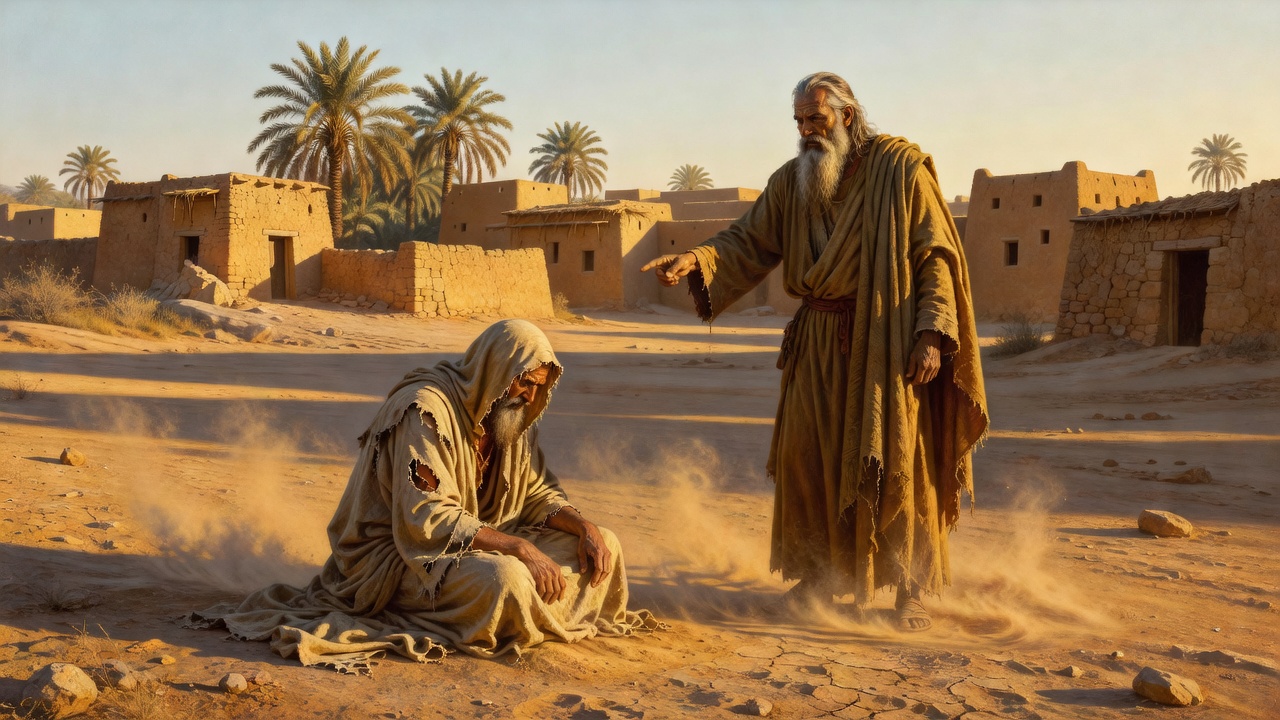
¿Sabías que…?
El llamado de Bildad a la sabiduría antigua
- Bildad es identificado como suhita, lo que probablemente lo vincula con Súa, una región árabe poblada por los descendientes de Abraham y Cetura. En este capítulo, pronuncia el primero de sus tres discursos severos a Job, afirmando que la justicia divina es absoluta e inalterable.Fuentes: Bildad · el propio texto bíblico
- En lugar de recurrir a su propia experiencia, Bildad apela al conocimiento acumulado de las generaciones pasadas, comparando los días humanos con una sombra pasajera. Para ilustrar la ruina del impío, utiliza metáforas de la naturaleza como juncos que se marchitan sin agua y la fragilidad de una telaraña.Fuentes: el propio texto bíblico
Notas escritas con ayuda de IA a partir de fuentes abiertas (Theographic Bible Metadata, CC BY-SA 4.0; Easton’s Bible Dictionary, dominio público) y revisadas antes de publicarse.
Créditos y licencia de esta traducción
Biblica® Baịbụlụ Nsọ nʼIgbo Ndị Ugbu a nke dịrị onye ọbụla ịgụ The Holy Bible in the Igbo language of Nigeria: Biblica® Baịbụlụ Nsọ nʼIgbo Ndị Ugbu a nke dịrị onye ọbụla ịgụ copyright © 2020 Biblica, Inc. Language: Igbo Contributor: Biblica, Inc. This work is made available under the Creative Commons Attribution-ShareAlike 4.0 International License (CC BY-SA). To view a copy of this license, visit http://creativecommons.org/licenses/by-sa/4.0 or send a letter to Creative Commons, PO Box 1866, Mountain View, CA 94042, USA. Biblica® is a trademark registered by Biblica, Inc., and use of the Biblica® trademark requires the written permission of Biblica, Inc. Under the terms of the CC BY-SA license, you may copy and redistribute this unmodified work as long as you keep the Biblica® trademark intact. If you modify a copy or translate this work, thereby creating a derivative work, you must remove the Biblica® trademark. On the derivative work, you must indicate what changes you have made and attribute the work as follows: “The original work by Biblica, Inc. is available for free at www.biblica.com and open.bible.” Notice of copyright must appear on the title or copyright page of the work as follows: Biblica® Baịbụlụ Nsọ nʼIgbo Ndị Ugbu a nke dịrị onye ọbụla ịgụ Ndị Biblica, Inc. degharịrị ya nʼafọ © 1980, 1988, 2019, 2020 Biblica® Open Igbo Contemporary Bible™ Copyright © 1980, 1988, 2019, 2020 by Biblica, Inc. “Biblica” bụ akara e ji mara ụlọ ọrụ a, nke edebanyere dịka iwu si kwado nʼụlọ ọrụ dị nʼobodo United States, ebe a na-enye akara a na ikike maka azụm ahịa ndị Biblica, Inc. Ọ bụ ha ka e nyere ikike idenye ya. “Biblica” is a trademark registered in the United States Patent and Trademark Office by Biblica, Inc. Used with permission. You must also make your derivative work available under the same license (CC BY-SA). If you would like to notify Biblica, Inc. regarding your translation of this work, please contact us at https://open.bible/contact-us. This translation is made available to you under the terms of the Creative Commons Attribution Share-Alike license 4.0. You have permission to share and redistribute this Bible translation in any format and to make reasonable revisions and adaptations of this translation, provided that: You include the above copyright and source information. If you make any changes to the text, you must indicate that you did so in a way that makes it clear that the original licensor is not necessarily endorsing your changes. If you redistribute this text, you must distribute your contributions under the same license as the original. Pictures included with Scriptures and other documents on this site are licensed just for use with those Scriptures and documents. For other uses, please contact the respective copyright owners. Note that in addition to the rules above, revising and adapting God's Word involves a great responsibility to be true to God's Word. See Revelation 22:18-19. 2023-04-12
Fuente: http://ebible.org/ibo/ · eBible.org