Jeremías 18
Biblica® Baịbụlụ Nsọ nʼIgbo Ndị Ugbu a nke dịrị onye ọbụla ịgụ · Toca un versículo para ver sus referencias cruzadas.
NʼỤlọ ọkpụ ite
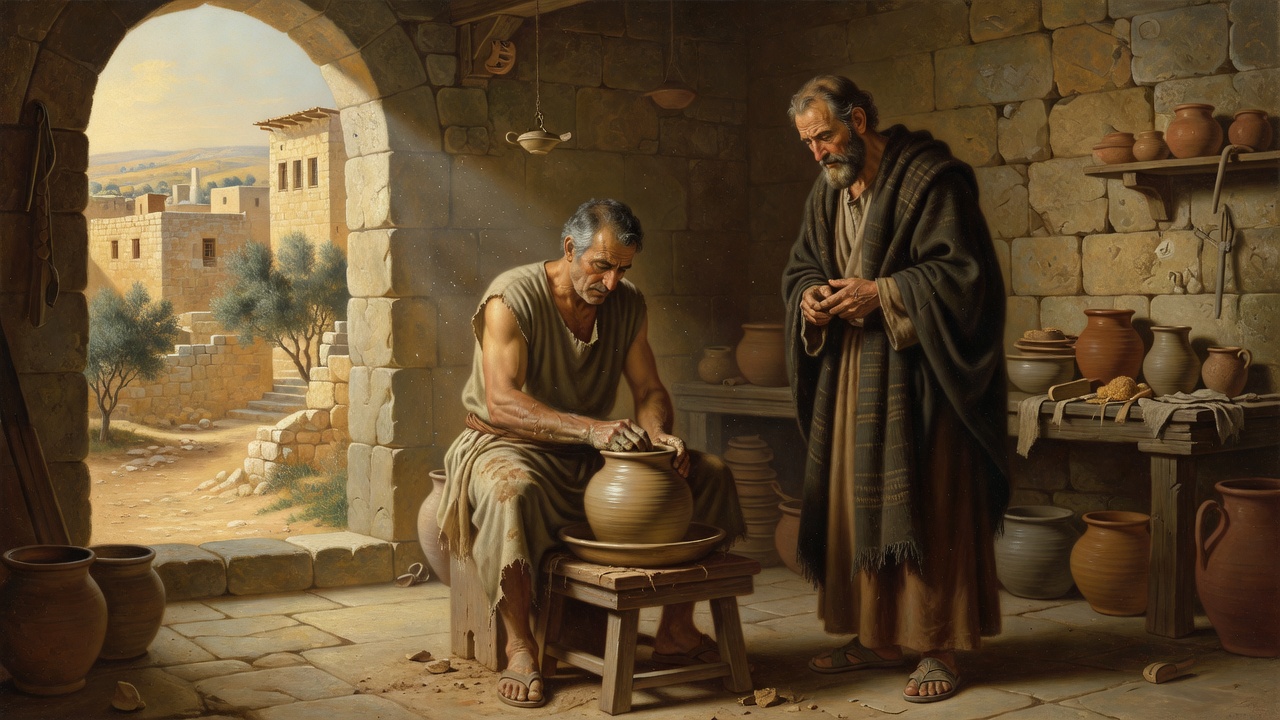
1Nke a bụ okwu nke sị nʼebe Onyenwe anyị nọ bịakwute Jeremaya. 2“Bilie, jee nʼụlọ ọkpụ ite, ebe ahụ ka m ga-anọ zie gị ozi.” 3Ya mere, ebiliri m jee nʼụlọ ọkpụ ite, bịakwute ya mgbe ọ nọ na-arụ ọrụ na nkume ịkpụ ihe. 4Ma ite ahụ ọ chọrọ ịkpụ apụtaghị dịka ọkpụ ite si chọọ ya, nʼihi ya, ọ kpụkọtara ụrọ ahụ ọzọ, malitekwa ịkpụgharị ya.
5Mgbe ahụ okwu Onyenwe anyị ruru m ntị, 6Ọ sịrị, “Ọ bụ na m apụghị ime unu dịka ọkpụ ite a mere, unu ụmụ Izrel?” Otu a ka Onyenwe anyị kwubiri, “Dịka ụrọ si dị nʼaka ọkpụ ite ahụ, otu a ka unu onwe unu si dịrị nʼaka m, gị Izrel. 7Mgbe ọbụla m kpọsara na a ga-akwada maọbụ bibie, maọbụ si nʼọnọdụ ya hopu mba maọbụ alaeze ọbụla, 8ọ bụrụ na mba ahụ m dọrọ aka na ntị esite na mmehie ha chegharịa, a gaghị ebibi ya dịka m si zube. 9Ọzọ, ọ bụrụ na m akpọsaa na a ga-ewuli mba ọbụla maọbụ alaeze ọbụla elu, kụọkwa ya, 10ọ bụrụ na o mee ihe jọrọ njọ nʼanya m, jụ irubere m isi, agaghị m emere ya ihe ọma ahụ m zubere imere ya.
11“Ugbu a, gwa ndị Juda na ndị ahụ bi na Jerusalem, sị, ‘Otu a ka Onyenwe anyị sịrị: Lee, ana m akwado mbibi nke ga-abịakwasị unu; ana m echekwa echiche ọjọọ megide unu. Ya mere, ka onye ọbụla nʼime unu site nʼụzọ ọjọọ ya chegharịa, ya meekwa ka ụzọ ya na omume ya zie ezi.’ 12Ma ha ga-aza sị, ‘O nweghị isi! Anyị ga-anọgide na-eme ihe ọbụla anyị chepụtara nʼechiche anyị, na-emekwa atụmatụ isiike nke obi ọjọọ anyị tụpụtara.’ ”
13Nʼihi ya ka Onyenwe anyị ji kwuo sị,
“Jụtanụ ajụjụ nʼetiti mba niile,
onye nụrụla ihe dị otu a?
Ndị m, Izrel, bụ nwaagbọghọ na-amaghị nwoke
emeela ihe jọgburu onwe ya.
14O nweela mgbe mmiri oyi m mere ka ọ kpụkọtaa
kọrọ nʼelu ugwu Lebanọn?
O nweela mgbe mmiri ya jụrụ oyi,
nke si nʼebe dị anya na-asọdata ji akwụsị ịsọ asọ?
15Ma ndị m echezọọla m.
Ha na-achụ aja nsure ọkụ na-esi isi ụtọ nye arụsị na-enweghị isi,
bụ arụsị ndị ahụ mere ka ha sọọ ngọngọ nʼụzọ ha niile.
Ha sụrụ ngọngọ hapụ ịgbasokwa ụzọ ọma ahụ dị site na mgbe ochie.
Kama ha na-eje ije nʼụzọ ọhịa, nke na-enweghị ụkpụrụ,
nke a na-ewuzighị ewuzi.
16Ala ha ga-atọgbọrọ nʼefu.
Ọ ga-aghọ ihe iju anya ruo ebighị ebi.
Ndị si nʼakụkụ ya na-agafe ga-efufe isi ha,
nʼihi na ihe ha ga-ahụ ga-eju ha anya.
17Aga m achụsa ha nʼihu ndị iro ha
dịka ifufe na-efe site nʼọwụwa anyanwụ.
Aga m agbakụta ha azụ.
Ha agaghị ahụkwa ihu m anya nʼụbọchị ahụ mbibi ga-abịakwasị ha.”
18Ha sịrị, “Bịanụ ka anyị gbaa izu megide Jeremaya, nʼihi na izi iwu agaghị esite nʼebe ndị nchụaja nọ kwụsị, maọbụ ndụmọdụ nʼebe ndị maara ihe, ma ọ bụkwanụ okwu site nʼebe ndị amụma nọ. Ya mere, bịanụ ka anyị were ire anyị buso ya agha, gharakwa ịṅa ntị nʼokwu ọbụla nke ọ na-ekwu.”
19Gee m ntị, Onyenwe anyị.
Nụrụ ihe ndị na-ebo m ebubo na-ekwu megide m.
20O kwesiri iji ajọ omume kwụghachi ihe ọma?
Ma lee na ha egwuolara m olulu.
Chetakwa na m guzooro nʼihu gị
ma rịọ gị arịrịọ nʼihi ha.
Arịrịọ m bụ ka ị hapụ iweso ha oke iwe.
21Ya mere, were ụmụ ha nyefee nʼaka ụnwụ.
Werekwa ha onwe ha nyefee nʼaka mma agha.
Mee ka ndị nwunye ha ghọọ ndị gba aka ụmụ na di.
Meekwa ka e gbuo ndị ikom ha,
ka mma agha gbukwaa ụmụ okorobịa nʼọgbọ agha.
22Mee ka e site nʼụlọ ha nụ mkpu akwa,
mgbe i mere ka ndị iro ha buso ha agha na mberede.
Nʼihi na ha egwuola olulu ijide m,
ha esiekwarala m ọnya nzuzo ijide m nʼụkwụ.
23Ma gị onwe gị, Onyenwe anyị,
maara nzube ọjọọ ha niile igbu m.
Agbagharala ha ajọ omume ha;
maọbụ hichapụ mmehie ha site nʼihu gị.
Mee ka ụkwụ ha gbuchapụ ka ha daa nʼihu gị;
mesie ha ike mgbe ị na-ewe iwe.
¿Sabías que…?
El Alfarero y el Barro
- En la casa del alfarero, Jeremías observa a un artesano remodelar en el torno una vasija estropeada para hacer otra vasija. El pasaje utiliza este oficio para ilustrar la autoridad divina y el juicio condicional: si una nación advertida se aparta del mal, el castigo se detiene, pero si obra mal, la bendición prevista se retira.Fuentes: el propio texto bíblico
- La profecía contrasta el abandono de Dios por parte de Israel con la constancia de la naturaleza, preguntando si la nieve del Líbano alguna vez abandona sus riscos rocosos. La cordillera del Líbano, cuyo nombre significa blanco, era célebre por sus elevadas cumbres y sus corrientes de aguas frescas.Fuentes: Lebanon · el propio texto bíblico
- La conspiración contra Jeremías surgió de opositores que presumían tener seguridad religiosa, alegando que la ley nunca faltaría al sacerdote, ni el consejo al sabio, ni la palabra al profeta. El mensaje de juicio de Jeremías desafiaba directamente esa confianza institucional.Fuentes: Jeremiah · el propio texto bíblico
Notas escritas con ayuda de IA a partir de fuentes abiertas (Theographic Bible Metadata, CC BY-SA 4.0; Easton’s Bible Dictionary, dominio público) y revisadas antes de publicarse.
Lugares de este capítulo
- Jerusalem · 31.777, 35.234 · versículo 11
- Lebanon · 33.540, 35.584 · versículo 14
- Mount Hermon · 33.400, 35.850 · versículo 14
Solo aparecen lugares identificados con alta confianza (90 % o más según las fuentes académicas reunidas por OpenBible). Mapa de la época: DARE (Digital Atlas of the Roman Empire), CC BY 4.0; mapa actual: © colaboradores de OpenStreetMap; lugares: OpenBible.info (CC BY 4.0).
Créditos y licencia de esta traducción
Biblica® Baịbụlụ Nsọ nʼIgbo Ndị Ugbu a nke dịrị onye ọbụla ịgụ The Holy Bible in the Igbo language of Nigeria: Biblica® Baịbụlụ Nsọ nʼIgbo Ndị Ugbu a nke dịrị onye ọbụla ịgụ copyright © 2020 Biblica, Inc. Language: Igbo Contributor: Biblica, Inc. This work is made available under the Creative Commons Attribution-ShareAlike 4.0 International License (CC BY-SA). To view a copy of this license, visit http://creativecommons.org/licenses/by-sa/4.0 or send a letter to Creative Commons, PO Box 1866, Mountain View, CA 94042, USA. Biblica® is a trademark registered by Biblica, Inc., and use of the Biblica® trademark requires the written permission of Biblica, Inc. Under the terms of the CC BY-SA license, you may copy and redistribute this unmodified work as long as you keep the Biblica® trademark intact. If you modify a copy or translate this work, thereby creating a derivative work, you must remove the Biblica® trademark. On the derivative work, you must indicate what changes you have made and attribute the work as follows: “The original work by Biblica, Inc. is available for free at www.biblica.com and open.bible.” Notice of copyright must appear on the title or copyright page of the work as follows: Biblica® Baịbụlụ Nsọ nʼIgbo Ndị Ugbu a nke dịrị onye ọbụla ịgụ Ndị Biblica, Inc. degharịrị ya nʼafọ © 1980, 1988, 2019, 2020 Biblica® Open Igbo Contemporary Bible™ Copyright © 1980, 1988, 2019, 2020 by Biblica, Inc. “Biblica” bụ akara e ji mara ụlọ ọrụ a, nke edebanyere dịka iwu si kwado nʼụlọ ọrụ dị nʼobodo United States, ebe a na-enye akara a na ikike maka azụm ahịa ndị Biblica, Inc. Ọ bụ ha ka e nyere ikike idenye ya. “Biblica” is a trademark registered in the United States Patent and Trademark Office by Biblica, Inc. Used with permission. You must also make your derivative work available under the same license (CC BY-SA). If you would like to notify Biblica, Inc. regarding your translation of this work, please contact us at https://open.bible/contact-us. This translation is made available to you under the terms of the Creative Commons Attribution Share-Alike license 4.0. You have permission to share and redistribute this Bible translation in any format and to make reasonable revisions and adaptations of this translation, provided that: You include the above copyright and source information. If you make any changes to the text, you must indicate that you did so in a way that makes it clear that the original licensor is not necessarily endorsing your changes. If you redistribute this text, you must distribute your contributions under the same license as the original. Pictures included with Scriptures and other documents on this site are licensed just for use with those Scriptures and documents. For other uses, please contact the respective copyright owners. Note that in addition to the rules above, revising and adapting God's Word involves a great responsibility to be true to God's Word. See Revelation 22:18-19. 2023-04-12
Fuente: http://ebible.org/ibo/ · eBible.org