Habacuc 3
Biblica® Baịbụlụ Nsọ nʼIgbo Ndị Ugbu a nke dịrị onye ọbụla ịgụ · Toca un versículo para ver sus referencias cruzadas.
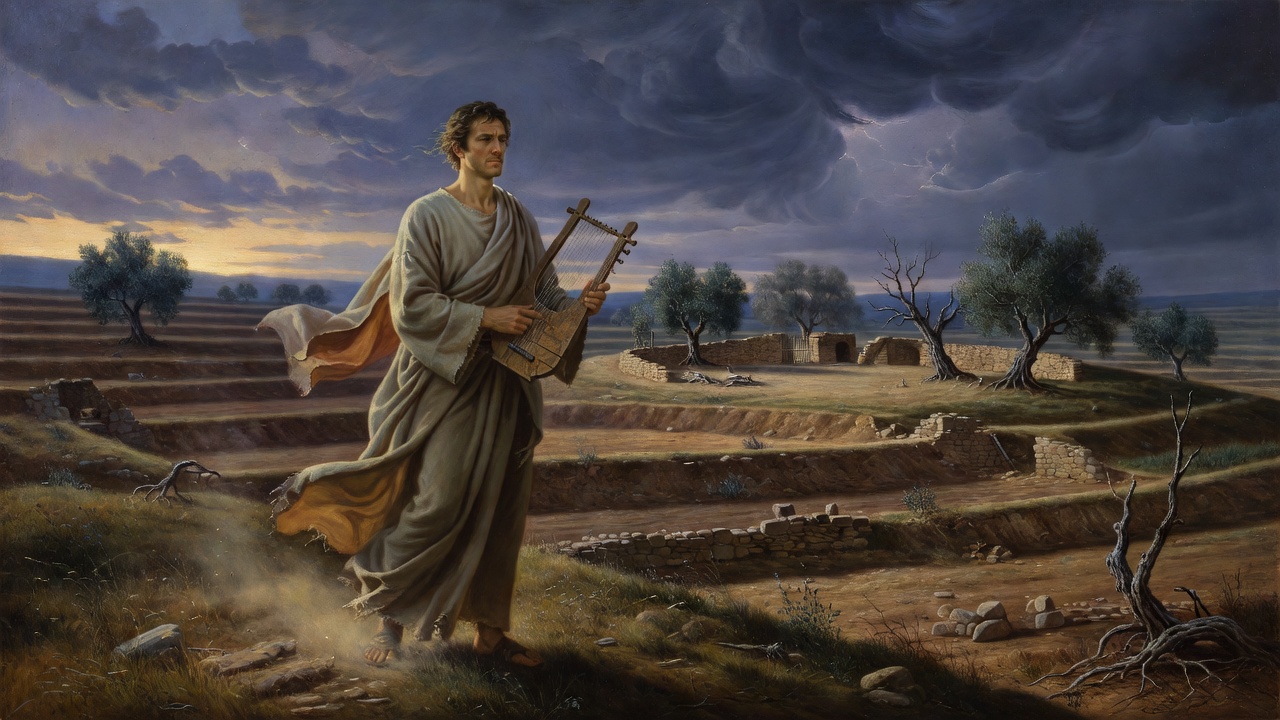
Ekpere Habakuk
1Nke a bụ ekpere Habakuk onye amụma kpere. Ọ dị nʼusoro Shiginot. Nke a bụ ihe o kwuru.
2Onyenwe anyị anụla m ihe niile e kwuru banyere ude gị.
Ịdị ukwuu nke ọrụ gị niile na-emekwa ka m dere duu nʼegwu nʼihu gị, Onyenwe anyị.
Mekwaa ya ọzọ nʼoge nke anyị,
mekwaa ka anụ akụkọ ya nʼọgbọ anyị.
Nʼoke iwe gị chetakwa ebere.
3Chineke si na Teman bịa,
Onye Nsọ ahụ sikwa nʼugwu Paran. Sela
Ebube ya na-ekpuchi eluigwe,
otuto ya jupụtakwara nʼụwa.
4Ịma mma ya na-achapụta dịka ihe anyanwụ ụtụtụ,
ihe na-enwupụta site nʼaka ya,
ọ bụkwa nʼebe ahụ ka e zoro ike ya.
5Nʼihu ya ka ajọ ọrịa na-efe efe na-aga,
oke mbibi na-esokwa ya nʼazụ.
6O guzoro ọtọ yọgharịa ụwa;
o lere anya, mee ka mba niile maa jijiji.
Ugwu ukwu ochie ahụ niile dara,
ugwu nta ochie ndị ahụ dakwara.
Nʼihi na ụzọ ya ga-adịgide ruo mgbe niile ebighị ebi.
7Ahụrụ m ụlọ ikwu nke Kushan ka ha nọ ọnọdụ ụbọchị ọjọọ,
na ebe obibi ndị Midia ka ha nọ na oke ahụ ụfụ.
8Ọ bụ osimiri, ka gị bụ Onyenwe anyị were iwe megide?
Ọnụma gị, ọ dị ukwuu megide iyi niile?
Oke iwe gị ọ bụ megide oke osimiri
mgbe ị nọkwasịrị nʼelu ịnyịnya gị,
nakwa nʼelu ụgbọ ịnyịnya ị wetara ndị nke gị mmeri?
9I kpughepụrụ ụta gị,
kpọọ oku ka a chịtara gị ọtụtụ àkụ. Sela
I ji osimiri dị iche iche kewaa ụwa.
10Mgbe ugwu niile hụrụ gị ha nyagharịrị onwe ha nʼihi ihe mgbu bịakwasịrị ha.
Oke mmiri ozuzo gabigakwara.
Ogbu mmiri mere ka olu ya daa ụda,
buliekwa ebili mmiri elu.
11Anyanwụ na ọnwa guzokwara duu na mbara eluigwe,
mgbe ha hụrụ ihe nke àkụ gị,
mgbe ha hụrụ amụma nke ùbe gị gburu.
12I sitere nʼọnụma gị zọgharịa ije nʼụwa,
sitekwa nʼiwe gị zọchaa mba dị iche iche dịka ọka.
13Ị pụtara ịzọpụta ndị gị,
ịzọpụta onye ahụ i tere mmanụ.
Ị zọpịara isi onyendu nke ala ajọ omume ahụ,
gbawa ya ọtọ site nʼisi ruo nʼụkwụ.
14Ọ bụ ùbe ya ka i ji mawaa ya isi,
mgbe ndị dike nʼagha ya bịara dịka oke ifufe ịchụsa anyị,
mgbe ha si nʼobi ụtọ ha chee na ha na-aga iripịa ndị ogbenye e wedara nʼala,
bụ ndị na-ezo onwe ha.
15Ị chịrịla ịnyịnya gị zọọ ije nʼoke osimiri,
kpagharịa mmiri ukwu ndị ahụ.
16Amara m jijiji nʼobi m mgbe m nụrụ ihe ndị a niile,
egbugbere ọnụ m abụọ kụkọtara nʼegwu,
ọkpụkpụ dị m nʼahụ malitere ire ure,
mee ka ụkwụ m maa jijiji.
Ma aga m eji ndidi chere ụbọchị ọjọọ ahụ
nke ga-abịakwasị ndị ahụ na-abịa ibuso anyị agha.
17A sịkwarị na osisi fiig amaghị ifuru,
na ọ dịghị mkpụrụ dị nʼosisi vaịnị,
a sịkwa na mkpụrụ osisi oliv ebilata
na ala ubi niile emepụtaghị ihe oriri,
a sịkwa na ọ dịghị atụrụ dị nʼọgba anụ,
na ọ dịkwaghị ehi nọ nʼụlọ anụmanụ,
18mụ onwe m ga-anọgide na-aṅụrị ọṅụ nʼime Onyenwe anyị.
Aga m etegharịkwa egwu ọṅụ nʼime Chineke Onye nzọpụta m.
19Onye kachasị ihe niile elu, bụ Onyenwe anyị bụ ike m,
ọ na-eme ụkwụ m abụọ ka ha dịka nke ele.
Ọ na-emekwa ka m zọọ ije nʼebe niile dị elu.
Nke a dịrị onyeisi abụ, nʼụbọ akwara m dị iche iche.
¿Sabías que…?
La oración de Habacuc y el cántico de fe
- El poema describe a Dios manifestándose desde el desierto meridional, mencionando a Temán en el sur de Idumea y al monte Parán en el límite desértico de la Tierra Prometida. Estas referencias geográficas evocan descripciones poéticas antiguas del Señor marchando en majestad desde el sur.Fuentes: Teman · Mount Paran · el propio texto bíblico
- Cusán y Madián son representadas temblando ante el avance divino. Los madianitas eran tribus árabes nómadas que habitaban en tiendas a través de los desiertos y pastizales del Sinaí y el norte de Arabia.Fuentes: Cushan · Midian · el propio texto bíblico
- El capítulo está estructurado como un salmo litúrgico, con términos musicales como 'Sigionot', 'Selah' y una dedicatoria final al director del coro para ser interpretado con instrumentos de cuerda.Fuentes: el propio texto bíblico
Notas escritas con ayuda de IA a partir de fuentes abiertas (Theographic Bible Metadata, CC BY-SA 4.0; Easton’s Bible Dictionary, dominio público) y revisadas antes de publicarse.
Lugares de este capítulo
- Midian · 28.495, 35.012 · versículo 7
Solo aparecen lugares identificados con alta confianza (90 % o más según las fuentes académicas reunidas por OpenBible). Mapa de la época: DARE (Digital Atlas of the Roman Empire), CC BY 4.0; mapa actual: © colaboradores de OpenStreetMap; lugares: OpenBible.info (CC BY 4.0).
Créditos y licencia de esta traducción
Biblica® Baịbụlụ Nsọ nʼIgbo Ndị Ugbu a nke dịrị onye ọbụla ịgụ The Holy Bible in the Igbo language of Nigeria: Biblica® Baịbụlụ Nsọ nʼIgbo Ndị Ugbu a nke dịrị onye ọbụla ịgụ copyright © 2020 Biblica, Inc. Language: Igbo Contributor: Biblica, Inc. This work is made available under the Creative Commons Attribution-ShareAlike 4.0 International License (CC BY-SA). To view a copy of this license, visit http://creativecommons.org/licenses/by-sa/4.0 or send a letter to Creative Commons, PO Box 1866, Mountain View, CA 94042, USA. Biblica® is a trademark registered by Biblica, Inc., and use of the Biblica® trademark requires the written permission of Biblica, Inc. Under the terms of the CC BY-SA license, you may copy and redistribute this unmodified work as long as you keep the Biblica® trademark intact. If you modify a copy or translate this work, thereby creating a derivative work, you must remove the Biblica® trademark. On the derivative work, you must indicate what changes you have made and attribute the work as follows: “The original work by Biblica, Inc. is available for free at www.biblica.com and open.bible.” Notice of copyright must appear on the title or copyright page of the work as follows: Biblica® Baịbụlụ Nsọ nʼIgbo Ndị Ugbu a nke dịrị onye ọbụla ịgụ Ndị Biblica, Inc. degharịrị ya nʼafọ © 1980, 1988, 2019, 2020 Biblica® Open Igbo Contemporary Bible™ Copyright © 1980, 1988, 2019, 2020 by Biblica, Inc. “Biblica” bụ akara e ji mara ụlọ ọrụ a, nke edebanyere dịka iwu si kwado nʼụlọ ọrụ dị nʼobodo United States, ebe a na-enye akara a na ikike maka azụm ahịa ndị Biblica, Inc. Ọ bụ ha ka e nyere ikike idenye ya. “Biblica” is a trademark registered in the United States Patent and Trademark Office by Biblica, Inc. Used with permission. You must also make your derivative work available under the same license (CC BY-SA). If you would like to notify Biblica, Inc. regarding your translation of this work, please contact us at https://open.bible/contact-us. This translation is made available to you under the terms of the Creative Commons Attribution Share-Alike license 4.0. You have permission to share and redistribute this Bible translation in any format and to make reasonable revisions and adaptations of this translation, provided that: You include the above copyright and source information. If you make any changes to the text, you must indicate that you did so in a way that makes it clear that the original licensor is not necessarily endorsing your changes. If you redistribute this text, you must distribute your contributions under the same license as the original. Pictures included with Scriptures and other documents on this site are licensed just for use with those Scriptures and documents. For other uses, please contact the respective copyright owners. Note that in addition to the rules above, revising and adapting God's Word involves a great responsibility to be true to God's Word. See Revelation 22:18-19. 2023-04-12
Fuente: http://ebible.org/ibo/ · eBible.org