Gálatas 2
Biblica® Baịbụlụ Nsọ nʼIgbo Ndị Ugbu a nke dịrị onye ọbụla ịgụ · Toca un versículo para ver sus referencias cruzadas.
Nzukọ e nwere na Jerusalem
1Mgbe afọ iri na anọ gasịrị, ejeghachiri m Jerusalem ọzọ. Mụ na Banabas laghachiri Jerusalem, akpọkwara m Taịtọs jee. 2Agara m nʼihi mkpughe m nwere. Na nzukọ nzuzo nke m na ndị ndu nwere, akọwaara m ha ihe banyere oziọma nke m na-ekwusa nʼetiti ndị mba ọzọ. Nʼihi na-achọghị m ka ọrụ niile m rụrụ nʼoge gara aga, na ọrụ m na-arụ ugbu a, bụrụ ihe efu. 3Ọ bụladị Taịtọs onye mụ na ya so, o nweghị onye manyere ya ka e bie ya ugwu nʼagbanyeghị na ọ bụ onye Griik. 4Ndị ahụ na-abụghị ndị kwere ekwe nʼezie e zobatara na nzukọ inyochapụta otu anyị si nwere onwe anyị nʼime Kraịst Jisọs, ka ha nwee ike mee anyị ndị ohu. 5Ma o nweghị oge anyị ji gee ntị nʼihe ha kwuru, nʼihi na anyị chọrọ ichedo eziokwu ahụ dị nʼoziọma ka a ghara ịgwa ya ihe ọbụla nʼetiti unu.
6Banyere ndị a na-ewe ka ndị dị ndu dị mkpa, ihe ọbụla ọnọdụ ha bụ ewetaghị mgbanwe ọbụla nʼebe m nọ, nʼihi na Chineke adịghị ele mmadụ anya nʼihu. Ndị ahụ atụkwasịghị ihe ọbụla nʼoziọma m na-ezisa. 7Ma nʼaka nke ọzọ, mgbe ha hụrụ na e nyere m ọrụ izisa oziọma nʼetiti ndị e bighị ugwu, dịka e nyere Pita izisa oziọma nʼetiti ndị e biri ugwu. 8Nʼihi na Chineke onye si nʼaka Pita na-arụ ọrụ onyeozi oziọma nʼetiti ndị e biri ugwu, sikwa nʼime m na-arụ ọrụ onyeozi izisara ndị mba ọzọ oziọma. 9Mgbe Jemis, Sefas na Jọn ndị a maara dị ka ide ji ụlọ nʼetiti ndị ndu ahụ niile nara m na Banabas aka nnwekọ, nabatakwa amara e nyere m. Ha gbara anyị ume, sị anyị gaa nʼihu nʼọrụ anyị, ikwusa oziọma nʼetiti ndị mba ọzọ, ka ha onwe ha kwa gaa nʼihu ịrụ ọrụ nke ha nʼetiti ndị e biri ugwu. 10Ọ bụ naanị otu ihe ka ha rịọrọ anyị, nke bụ ka anyị cheta ndị ogbenye. Nke a bụkwa ihe m na-achọsi ike ime.
Pọl abaara Pita mba
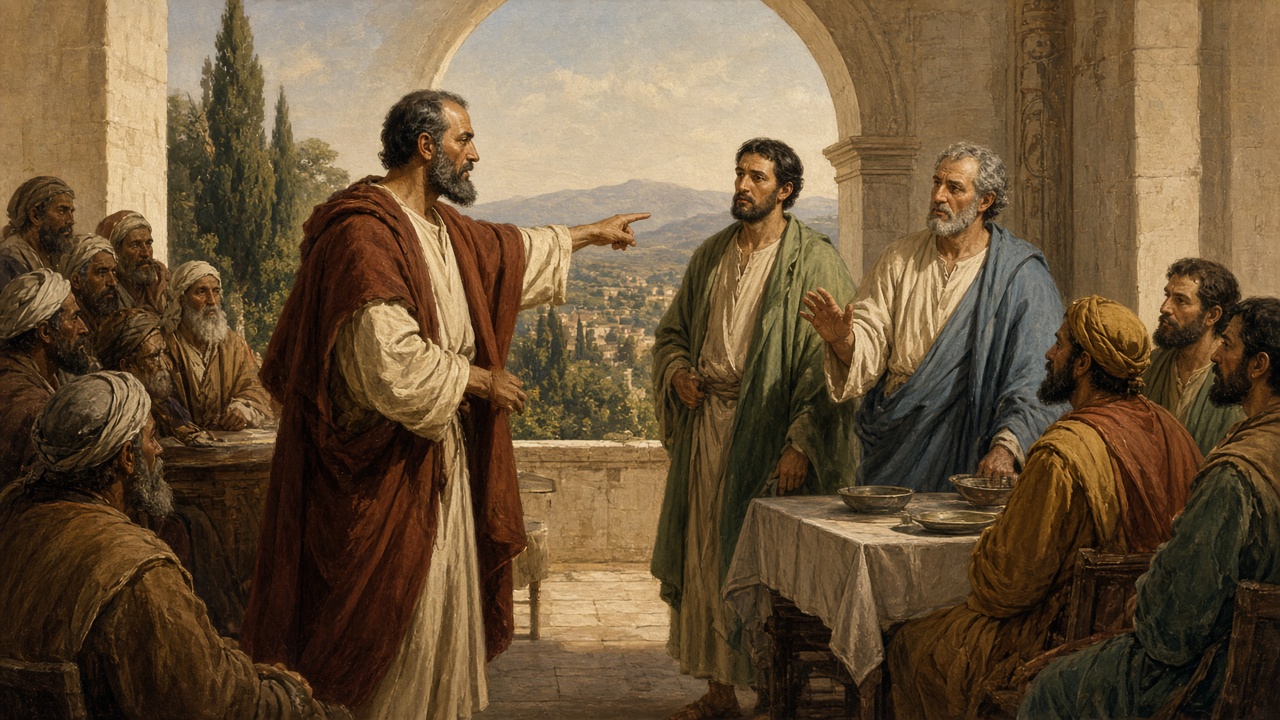
11Ma mgbe Sefas bịaruru Antiọk, eguzogidere m ya nʼihu ya, nʼihi na ihe o mere mara ya ikpe. 12Tupu ndị Jemis zitere abịaruo ebe ahụ, ya na ndị mba ọzọ na-erikọ nri, ma mgbe ha rutere, ọ wepụrụ aka na nri laghachi azụ nʼihi na egwu ndị e biri ugwu na-atụ ya. 13Ndị Juu ụfọdụ sonyekwara ya inwe ihu abụọ a, nke mere na e si otu a duhiekwa Banabas nʼonwe ya.
14Ma mgbe m hụrụ na ha adịghị eme ihe dị ka eziokwu nke oziọma ahụ si dị, agwara m Sefas okwu nʼihu ha niile, sị, “Ọ bụrụ na gị nwa onye Juu na-ebi ndụ dịka onye mba ọzọ, na-abụghị dịka onye Juu, olee otu ị ga-esi manye ndị mba ọzọ ka ha na-ebi ndụ dịka ndị Juu?”
A na-azọpụta onye ọbụla site nʼokwukwe
15Anyị onwe anyị bụ ndị Juu site nʼọmụmụ a mụrụ anyị, anyị abụkwaghị ndị mba ọzọ ndị mmehie, 16ma anyị maara na a dịghị agụ mmadụ ọbụla dị ka onye ezi omume site nʼọrụ nke iwu kama ọ bụ naanị site nʼokwukwe na Jisọs Kraịst. Ọ bụ nke a mere anyị ji kwere na Jisọs Kraịst ka a gụọ anyị na ndị ezi omume, site nʼokwukwe anyị kwere na Kraịst, ọ bụghị nʼihi na anyị rụrụ ọrụ nke iwu. Nʼihi na o nweghị onye ọbụla a ga-agụnye ka onye ezi omume nʼihi na ọ rụrụ ọrụ nke iwu.
17Ma ọ bụrụ, na mgbe anyị na-achọ ka a gụọ anyị dị ka ndị ezi omume nʼime Kraịst, anyị onwe anyị a bụrụ ndị achọpụtara dịka ndị mmehie. Nke a, ọ pụtara na Kraịst na-akwado mmehie? Mba! 18Kama, ọ bụrụ na m ewugharịa ihe ndị ahụ m buru ụzọ mebie, ana m egosi na m bụ onye na-emebi iwu.
19Nʼihi na-esitere m nʼaka iwu nwụọ nʼebe iwu dị, ka m nwee ike dị ndụ nʼebe Chineke nọ. Akpọgidela mụ na Kraịst nʼobe. 20Ọ bụkwaghị mụ onwe m na-adị ndụ ugbu a, kama ọ bụ Kraịst na-adị ndụ ya nʼime m. Ndụ ahụ nke m na-adị ugbu a nʼanụ ahụ m bụ nke m na-adị nʼihi okwukwe m nwere nʼime Ọkpara Chineke, onye hụrụ m nʼanya, ma werekwa onwe ya nye nʼihi m. 21Anaghị m akpọ amara Chineke ihe na-enweghị isi. Nʼihi na a sị na a pụrụ ịgụ mmadụ dị ka onye ezi omume site nʼidebe iwu, mgbe ahụ ọnwụ Kraịst nwụrụ abaghị uru.
¿Sabías que…?
Gentiles, comunión y un enfrentamiento en Antioquía
- Tito fue con Pablo y Bernabé a Jerusalén. El Easton's Bible Dictionary (1897) dice que parece haber sido gentil y que su nombre no aparece en Hechos. Pablo escribe que Tito, aunque era griego, no fue obligado a circuncidarse.Fuentes: Titus · el propio texto bíblico
- El enfrentamiento posterior tuvo lugar en Antioquía de Siria, a orillas del Orontes, a unas trescientas millas al norte de Jerusalén. La ciudad ocupaba el tercer lugar entre las ciudades del Imperio romano, después de Roma y Alejandría, y fue allí donde a los creyentes se les llamó cristianos por primera vez.Fuentes: Antioch (Syria) · el propio texto bíblico
- El Easton's Bible Dictionary (1897) describe a Santiago, nombrado con Cefas y Juan como uno de los pilares, como cabeza de la iglesia en Jerusalén, donde presidió el concilio sobre los gentiles. Pablo dice que, antes de que llegaran ciertos hombres de parte de Santiago, Cefas solía comer con los gentiles, pero luego se apartó por temor al grupo de la circuncisión.Fuentes: James (Brother of Jesus) · el propio texto bíblico
Notas escritas con ayuda de IA a partir de fuentes abiertas (Theographic Bible Metadata, CC BY-SA 4.0; Easton’s Bible Dictionary, dominio público) y revisadas antes de publicarse.
Lugares de este capítulo
- Jerusalem · 31.777, 35.234 · versículo 1
- Antioch · Hoy: Antioch on the Orontes · 36.227, 36.172 · versículo 11
Solo aparecen lugares identificados con alta confianza (90 % o más según las fuentes académicas reunidas por OpenBible). Mapa de la época: DARE (Digital Atlas of the Roman Empire), CC BY 4.0; mapa actual: © colaboradores de OpenStreetMap; lugares: OpenBible.info (CC BY 4.0).
Créditos y licencia de esta traducción
Biblica® Baịbụlụ Nsọ nʼIgbo Ndị Ugbu a nke dịrị onye ọbụla ịgụ The Holy Bible in the Igbo language of Nigeria: Biblica® Baịbụlụ Nsọ nʼIgbo Ndị Ugbu a nke dịrị onye ọbụla ịgụ copyright © 2020 Biblica, Inc. Language: Igbo Contributor: Biblica, Inc. This work is made available under the Creative Commons Attribution-ShareAlike 4.0 International License (CC BY-SA). To view a copy of this license, visit http://creativecommons.org/licenses/by-sa/4.0 or send a letter to Creative Commons, PO Box 1866, Mountain View, CA 94042, USA. Biblica® is a trademark registered by Biblica, Inc., and use of the Biblica® trademark requires the written permission of Biblica, Inc. Under the terms of the CC BY-SA license, you may copy and redistribute this unmodified work as long as you keep the Biblica® trademark intact. If you modify a copy or translate this work, thereby creating a derivative work, you must remove the Biblica® trademark. On the derivative work, you must indicate what changes you have made and attribute the work as follows: “The original work by Biblica, Inc. is available for free at www.biblica.com and open.bible.” Notice of copyright must appear on the title or copyright page of the work as follows: Biblica® Baịbụlụ Nsọ nʼIgbo Ndị Ugbu a nke dịrị onye ọbụla ịgụ Ndị Biblica, Inc. degharịrị ya nʼafọ © 1980, 1988, 2019, 2020 Biblica® Open Igbo Contemporary Bible™ Copyright © 1980, 1988, 2019, 2020 by Biblica, Inc. “Biblica” bụ akara e ji mara ụlọ ọrụ a, nke edebanyere dịka iwu si kwado nʼụlọ ọrụ dị nʼobodo United States, ebe a na-enye akara a na ikike maka azụm ahịa ndị Biblica, Inc. Ọ bụ ha ka e nyere ikike idenye ya. “Biblica” is a trademark registered in the United States Patent and Trademark Office by Biblica, Inc. Used with permission. You must also make your derivative work available under the same license (CC BY-SA). If you would like to notify Biblica, Inc. regarding your translation of this work, please contact us at https://open.bible/contact-us. This translation is made available to you under the terms of the Creative Commons Attribution Share-Alike license 4.0. You have permission to share and redistribute this Bible translation in any format and to make reasonable revisions and adaptations of this translation, provided that: You include the above copyright and source information. If you make any changes to the text, you must indicate that you did so in a way that makes it clear that the original licensor is not necessarily endorsing your changes. If you redistribute this text, you must distribute your contributions under the same license as the original. Pictures included with Scriptures and other documents on this site are licensed just for use with those Scriptures and documents. For other uses, please contact the respective copyright owners. Note that in addition to the rules above, revising and adapting God's Word involves a great responsibility to be true to God's Word. See Revelation 22:18-19. 2023-04-12
Fuente: http://ebible.org/ibo/ · eBible.org