Esdras 10
Biblica® Baịbụlụ Nsọ nʼIgbo Ndị Ugbu a nke dịrị onye ọbụla ịgụ · Toca un versículo para ver sus referencias cruzadas.
Nkwupụta mmehie
1Mgbe Ezra na-ekpe ekpere, na-ekwupụta mmehie ndị a, na-akwa akwa, na-atụ onwe ya nʼala nʼihu ụlọ Chineke, igwe ndị Izrel dị ukwuu, bụ ndị nwoke, na nwanyị, na ụmụntakịrị gbara ya gburugburu soro ya na-akwa akwa dị ilu. 2Mgbe ahụ, Shekanaya nwa Jehiel, onye agbụrụ Elam, sịrị Ezra, “Anyị emehiela megide Chineke anyị, nʼihi nʼịlụ ndị inyom mba ọzọ ndị gbara anyị gburugburu. Ma otu ọ dị, olileanya ka dịrị ndị Izrel. 3Ugbu a ka anyị gbaa ndụ nʼihu Chineke anyị, izilaga ndị inyom ndị mba ọzọ ndị a na ụmụ ha dịka ndụmọdụ onyenwe m Ezra, na ndị na-atụ egwu iwu Chineke anyị si dị. Ka e mee ihe ndị a dịka iwu si dị. 4Biko, bilie gwa anyị ụzọ anyị ga-esi dozie ihe niile mebiri emebi. Anyị ga-eme ihe i kwuru.”
5Mgbe ahụ, Ezra biliri jụọ ndịisi ndị nchụaja na ndị Livayị, na Izrel niile, ma ha ga-eme ihe Shekanaya kwuru. Ha niile ṅụrụ iyi kwenye na ha ga-eme ya. 6Mgbe ahụ, Ezra si nʼihu ụlọ Chineke pụọ banye nʼime ọnụụlọ Jehohanan, nwa Eliashib. Mgbe ọ nọ nʼebe ahụ, o righị nri ọbụla, ọ ṅụghị mmiri ọbụla, nʼihi na ọ nọgidere na-eru ụjụ nʼihi ekwesighị ntụkwasị obi nke ndị si nʼebe a dọtara ha nʼagha lọta.
7E zisara ozi na Juda na Jerusalem niile na a chọrọ ịhụ ndị niile si esi lọta na Jerusalem. 8Ndịisi na ndị okenye kpebiri na onye ọbụla nke na-abịaghị nʼụbọchị atọ, dịka atụmatụ ha si dị, na a ga-anara onye ahụ akụ niile o nwere, kewapụkwa onye ahụ site na mkpọkọta ndị Izrel e mere ka ha gaa biri nʼala ọzọ.
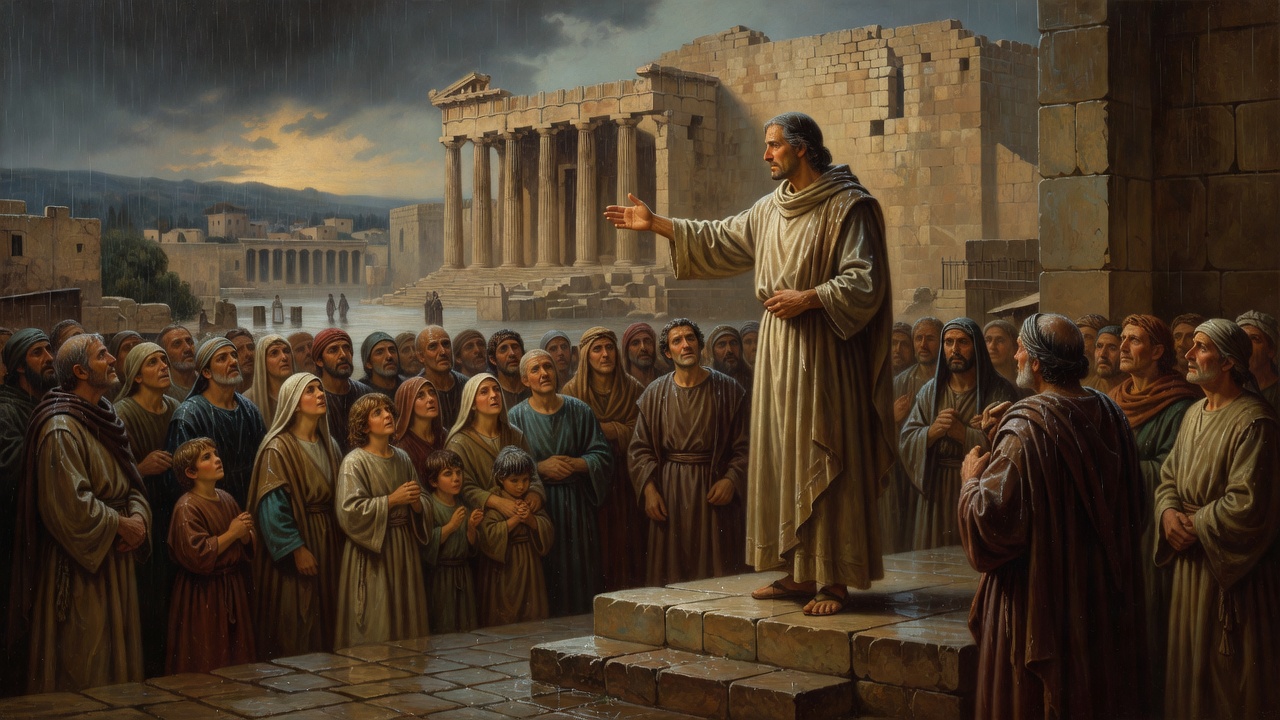
9Mgbe ụbọchị atọ ahụ zuru, ndị ikom Juda na Benjamin niile zukọrọ na Jerusalem. Nʼụbọchị nke iri abụọ nke ọnwa itoolu, mmadụ niile zukọrọ nọdụ nʼama dị nʼihu ụlọnsọ Chineke. Mmiri dị ukwuu zoro nʼụbọchị ahụ. Ụjọ tụkwara ndị ahụ niile zukọrọ nʼihi oke mmiri ozuzo ahụ na nʼihi okwu ahụ. 10Mgbe ahụ Ezra onye nchụaja, biliri ọtọ, sị ha, “Unu emehiela, nʼihi na unu lụrụ ndị inyom mba ọzọ, si otu a tụkwasị ihe nʼikpe ọmụma dịrị Izrel. 11Ugbu a, sọpụrụnụ Onyenwe anyị, bụ Chineke nna nna unu ha, meekwanụ ihe bụ nzube ya. Kewapụnụ onwe unu site nʼebe ndị mba ọzọ nọ, nakwa ebe nwunye ndị unu si mba ọzọ lụta.”
12Nzukọ niile ahụ zara nʼotu olu sị. “Okwu gị ziri ezi, Anyị aghaghị ime dịka i kwuru.” 13Ma ha zakwara sị, “Nke a abụghị ihe anyị ga-eme nʼotu ụbọchị maọbụ nʼụbọchị abụọ, nʼihi na aka ọtụtụ mmadụ nʼime anyị dị na mmehie ahụ. Mmiri na-ezosikwa ike, anyị enwekwaghị ike ịnọgide ruo oge dị anya. 14Ka ndịisi anyị guzobe mkpọkọta niile. Ka ndị niile nọ nʼobodo anyị ndị lụrụ nwanyị site na mba ọzọ bịa nʼoge a kara aka, ha na ndị okenye na ndị ikpe nke obodo ọbụla, ruo mgbe oke iwe Chineke banyere okwu a sitere nʼebe anyị nọ pụọ.” 15Ma ndị na-ekweghị ka e mee ya otu a bụ naanị Jonatan nwa Asahel na Jazeia nwa Tikva, na Meshulam na Shabetai onye Livayị.
16Ya mere, ndị ahụ niile si esi lọta, mere dịka mkpebi ahụ si dị. Ezra họpụtara ụfọdụ ndị ikom, ndị bụ ndịisi ezinaụlọ, e si nʼezinaụlọ ọbụla họpụta otu onye. E dekwara aha ndị niile a họpụtara nʼakwụkwọ. Ya mere, nʼụbọchị mbụ nke ọnwa iri, ndị a malitere inyocha okwu ndị a. 17Mgbe ọnwa atọ gasịrị, ya bụ, nʼabalị mbụ nke ọnwa mbụ nʼafọ, ha rụchara ọrụ banyere ndị ikom lụrụ ndị inyom mba ọzọ.
Ndị lụrụ ndị mba ọzọ
18A chọpụtara nʼetiti ụmụ ndị nchụaja, na ndị a lụrụ ndị inyom si na mba ọzọ.
Ndị si nʼikwu Jeshua nwa Jozadak na ụmụnne ya bụ,
Maaseia, Elieza, Jarib na Gedaliya. 19Ha niile jikọrọ aka kpebiekwa na ha ga-ezila ndị nwunye ha. Onye ọbụla wetara ebule site nʼigwe atụrụ dịka ihe ikpe ọmụma.
20Ndị si nʼikwu Imea bụ
Hanani, na Zebadaya.
21Ikwu Harim:
Maaseia, Ịlaịja, Shemaya, Jehiel na Uzaya.
22Ndị si nʼikwu Pashua:
Elioenai, Maaseia, Ishmel, Netanel, Jozabad, na Eleasa.
23Nʼime ndị Livayị:
Jozabad, Shimei, Kelaya (onye a na-akpọkwa Kelita), Petahaya, Juda na Elieza.
24Nʼime ndị na-abụ abụ,
Eliashib.
Nʼime ndị nche ọnụ ụzọ:
Shalum, Telem, na Uri.
25Nʼetiti ndị Izrel ndị ọzọ:
Site nʼikwu Parosh:
Ramaya, Izaya, Malkija, Mijamin, Elieza, Malkija na Benaya.
26Site nʼikwu Elam:
Matanaya, Zekaraya, Jehiel, Abdi, Jeremot na Ịlaịja.
27Site nʼikwu Zatu:
Elioenai, Eliashib, Matanaya, Jeremot, Zabad na Aziza.
28Site nʼikwu Bebai:
Jehohanan, Hananaya, Zabai, na Atlai.
29Site nʼikwu Bani,
Meshulam, Maluk, Adaya, Jashub, Sheal na Jeremot.
30Site nʼikwu Pahat-Moab,
Adna, Kelal, Benaya, Maaseia, Matanaya, Bezalel, Binui, na Manase.
31Site nʼikwu Harim:
Elieza, Ishija, Malkija, Shemaya, Shimeon, 32Benjamin, Maluk na Shemaraya.
33Site nʼikwu Hashum,
Matenai, Matata, Zabad, Elifelet, Jeremai, Manase na Shimei.
34Site nʼikwu Bani,
Maadai, Amram, Uel, 35Benaya, Bedeia, Keluhi 36Venaya, Meremot, Eliashib 37Matanaya, Matenai na Jaasu.
38Site nʼikwu Bani:
Binui na Shimei, 39Shelemaya, Netan, Adaya, 40Maknadebai, Shashai, Sharai, 41Azarel, Shelemaya, Shemaraya, 42Shalum, Amaraya na Josef.
43Site nʼikwu Nebo:
Jeiel, Matitaia, Zabad, Zebina, Jadai, Juel na Benaya.
44Ndị a niile lụrụ ndị inyom site na mba ọzọ. Ha zilagara ha na ụmụ ha.
¿Sabías que…?
La asamblea y el juramento de separación
- Para tratar el asunto de los matrimonios mixtos, los líderes emitieron una proclamación que ordenaba a todos los exiliados en Judá y Benjamín reunirse en Jerusalén en un plazo de tres días, bajo pena de confiscación de bienes y expulsión de la comunidad. Al congregarse en la plaza frente a la casa de Dios, el pueblo temblaba tanto por la gravedad del asunto como por la intensa lluvia.Fuentes: el propio texto bíblico · Jerusalem
- Debido a que la gran multitud no podía permanecer a la intemperie durante la temporada invernal de lluvias, la comunidad organizó una investigación formal. Esdras y los jefes de familia designados examinaron los casos pueblo por pueblo durante tres meses completos, desde el primer día del décimo mes hasta el primer día del primer mes.Fuentes: el propio texto bíblico · Ezra
- El capítulo y el libro concluyen con un registro detallado de más de cien hombres que habían tomado mujeres extranjeras. La lista demuestra que los matrimonios mixtos habían afectado a todos los estratos de la sociedad posterior al exilio, incluidos descendientes del linaje sacerdotal, levitas, cantores del templo, porteros y laicos comunes.Fuentes: el propio texto bíblico
Notas escritas con ayuda de IA a partir de fuentes abiertas (Theographic Bible Metadata, CC BY-SA 4.0; Easton’s Bible Dictionary, dominio público) y revisadas antes de publicarse.
Lugares de este capítulo
Solo aparecen lugares identificados con alta confianza (90 % o más según las fuentes académicas reunidas por OpenBible). Mapa de la época: DARE (Digital Atlas of the Roman Empire), CC BY 4.0; mapa actual: © colaboradores de OpenStreetMap; lugares: OpenBible.info (CC BY 4.0).
Créditos y licencia de esta traducción
Biblica® Baịbụlụ Nsọ nʼIgbo Ndị Ugbu a nke dịrị onye ọbụla ịgụ The Holy Bible in the Igbo language of Nigeria: Biblica® Baịbụlụ Nsọ nʼIgbo Ndị Ugbu a nke dịrị onye ọbụla ịgụ copyright © 2020 Biblica, Inc. Language: Igbo Contributor: Biblica, Inc. This work is made available under the Creative Commons Attribution-ShareAlike 4.0 International License (CC BY-SA). To view a copy of this license, visit http://creativecommons.org/licenses/by-sa/4.0 or send a letter to Creative Commons, PO Box 1866, Mountain View, CA 94042, USA. Biblica® is a trademark registered by Biblica, Inc., and use of the Biblica® trademark requires the written permission of Biblica, Inc. Under the terms of the CC BY-SA license, you may copy and redistribute this unmodified work as long as you keep the Biblica® trademark intact. If you modify a copy or translate this work, thereby creating a derivative work, you must remove the Biblica® trademark. On the derivative work, you must indicate what changes you have made and attribute the work as follows: “The original work by Biblica, Inc. is available for free at www.biblica.com and open.bible.” Notice of copyright must appear on the title or copyright page of the work as follows: Biblica® Baịbụlụ Nsọ nʼIgbo Ndị Ugbu a nke dịrị onye ọbụla ịgụ Ndị Biblica, Inc. degharịrị ya nʼafọ © 1980, 1988, 2019, 2020 Biblica® Open Igbo Contemporary Bible™ Copyright © 1980, 1988, 2019, 2020 by Biblica, Inc. “Biblica” bụ akara e ji mara ụlọ ọrụ a, nke edebanyere dịka iwu si kwado nʼụlọ ọrụ dị nʼobodo United States, ebe a na-enye akara a na ikike maka azụm ahịa ndị Biblica, Inc. Ọ bụ ha ka e nyere ikike idenye ya. “Biblica” is a trademark registered in the United States Patent and Trademark Office by Biblica, Inc. Used with permission. You must also make your derivative work available under the same license (CC BY-SA). If you would like to notify Biblica, Inc. regarding your translation of this work, please contact us at https://open.bible/contact-us. This translation is made available to you under the terms of the Creative Commons Attribution Share-Alike license 4.0. You have permission to share and redistribute this Bible translation in any format and to make reasonable revisions and adaptations of this translation, provided that: You include the above copyright and source information. If you make any changes to the text, you must indicate that you did so in a way that makes it clear that the original licensor is not necessarily endorsing your changes. If you redistribute this text, you must distribute your contributions under the same license as the original. Pictures included with Scriptures and other documents on this site are licensed just for use with those Scriptures and documents. For other uses, please contact the respective copyright owners. Note that in addition to the rules above, revising and adapting God's Word involves a great responsibility to be true to God's Word. See Revelation 22:18-19. 2023-04-12
Fuente: http://ebible.org/ibo/ · eBible.org