Deuteronomio 9
Biblica® Baịbụlụ Nsọ nʼIgbo Ndị Ugbu a nke dịrị onye ọbụla ịgụ · Toca un versículo para ver sus referencias cruzadas.
Ọ bụghị nʼihi ezi omume Izrel
1Nụrụ, Izrel! Taa ka ị na-aga ịgafe osimiri Jọdan ịbanye ka inweta ala mba ndị dị ukwuu na ndị dị ike karịa gị, inweta obodo ndị dị ukwuu nke nwere mgbidi ha dị elu ruo nʼeluigwe. 2Ndị bi nʼime ha bụ ndị Anak, ndị gbara dimkpa, too ogologo nke ukwuu. Ị maara banyere ha. Ị nụkwaala ka e kwuru sị, “Onye pụrụ iguzo onwe ya nʼihu ụmụ Anak?” 3Ma mata taa na Onyenwe anyị Chineke gị bụ onye na-aga nʼihu gị dịka ọkụ na-erepịa erepịa. Ọ ga-ala ha nʼiyi. Ọ bụkwa ya ga-eme ka unu lụgbuo ha, chụpụ ha, bibiekwa ha ngwangwa dịka Onyenwe anyị kwere gị na nkwa.
4Mgbe Onyenwe anyị Chineke gị sitere nʼihu gị chụpụ ha, asịla onwe gị, “ Onyenwe anyị akpọbatala m nʼebe a, ka m nweta ala a nʼihi ezi omume m.” Mba, ọ bụ naanị nʼihi ajọ omume nke mba ndị a bi nʼala ahụ ka Onyenwe anyị ji esite nʼihu gị chụpụ ha. 5Ọ bụghị nʼihi ezi omume gị, maọbụ izi ezi nke obi gị ka ị ga-eji nweta ala ahụ, kama ọ bụ nʼihi ajọ omume nke mba ndị a bi nʼime ya ka Onyenwe anyị Chineke gị ga-eji achụpụ ha site nʼihu gị. Ọ na-emekwa ya nʼihi imezu nkwa ahụ o kwere nna nna gị ha bụ Ebraham, Aịzik, na Jekọb. 6Ya mere, ghọta ya nke ọma na Onyenwe anyị Chineke gị anaghị enye gị ezi ala a ka inweta ya nʼihi ezi omume gị, nʼihi na unu bụ ndị isiike.
Nwa ehi ọlaedo
7Chetakwa nke a ma echefukwala otu i si kpasuo Onyenwe anyị Chineke gị iwe, mgbe mgbe, nʼime ọzara. Site nʼụbọchị ị hapụrụ Ijipt tutu ruo taa, ka ị na-enupu isi nʼebe Onyenwe anyị nọ. 8Unu kpasuru Onyenwe anyị iwe nʼugwu Horeb, ya mere o jiri were iwe laa unu nʼiyi. 9Mgbe m rigooro nʼelu ugwu ahụ ịnata mbadamba nkume ndị ahụ bụ mbadamba nkume ọgbụgba ndụ dị nʼetiti Onyenwe anyị na unu, anọrọ m nʼelu ugwu ahụ iri ụbọchị anọ, ehihie na abalị, ọ dịghị nri m riri, ọ dịghịkwa mmiri m ṅụrụ. 10Onyenwe anyị nyere m mbadamba nkume abụọ ndị ahụ, nke eji mkpịsịaka Chineke dee. Edekwasịrị nʼelu ha iwu niile nke Onyenwe anyị gwara unu nʼugwu ahụ site nʼetiti ọkụ, nʼụbọchị mkpọkọta ahụ.
11Mgbe iri abalị anọ gwụrụ Onyenwe anyị nyere m mbadamba nkume abụọ ndị ahụ, bụ mbadamba nkume ọgbụgba ndụ. 12Mgbe ahụ ka Onyenwe anyị gwara m sị m, “Rịdata ọsịịsọ, nʼihi na ndị gị, ndị i si nʼIjipt dupụta, emerụọla onwe ha, ha emeela ngwangwa iwezuga onwe ha site nʼiwu m nyere ha. Ha emeerela onwe ha nwa ehi a kpụrụ akpụ, ka ọ bụrụ chi ha.”
13Onyenwe anyị gwara m sị, “Ahụla m na ndị a bụ ndị isiike nʼezie. 14Hapụ m, ka m kpochapụ ma hichapụkwa aha ha site nʼokpuru eluigwe. Aga m emekwa gị ka ị ghọọ mba dị ike karịa, dịkwa ọtụtụ nʼọnụọgụgụ karịa ha.”
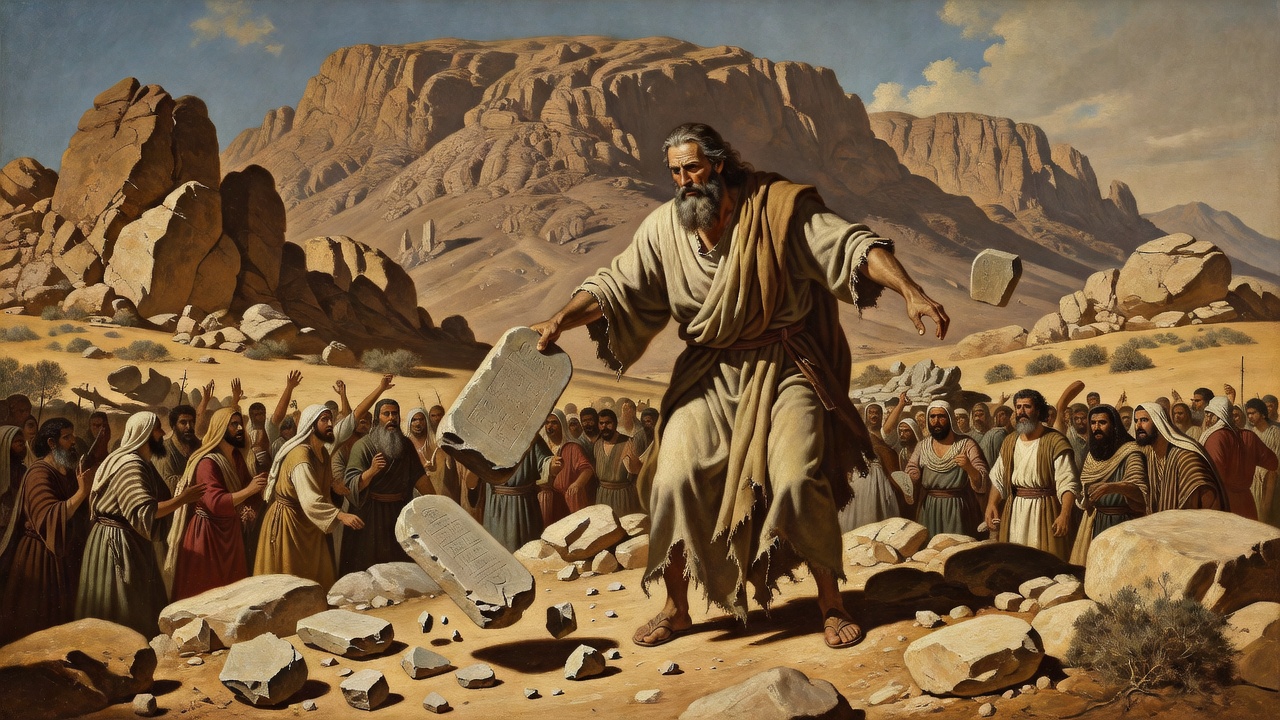
15Ya mere, atụgharịrị m malite isi nʼugwu ahụ na-enwu ọkụ rịdata, ejikwa m mbadamba nkume abụọ nke ọgbụgba ndụ ahụ nʼaka m. 16Mgbe m lepụrụ anya, ahụrụ m na unu emeela mmehie megide Onyenwe anyị Chineke unu. Unu akpụọlara onwe unu arụsị nʼụdị nwa ehi. Unu esitela nʼịgbaso iwu Onyenwe anyị wezuga onwe unu ọsịịsọ. 17Mgbe ahụ, ewere m mbadamba nkume abụọ ahụ, tụpụ ha site nʼaka m abụọ, kụrie ha nʼihu unu.
18Mgbe ahụ, adara m nʼala ọzọ nʼihu Onyenwe anyị. Iri ụbọchị anọ, ehihie na abalị, erighị m nri maọbụ ṅụọ ihe ọṅụṅụ ọbụla, nʼihi mmehie niile unu mere. Unu mere ihe ọjọọ nʼanya Onyenwe anyị si otu a kpasuo ya iwe nke ukwuu. 19Atụrụ m egwu iwe na ọnụma nke Onyenwe anyị, nʼihi na iwe ya dị ukwuu megide unu ruo na ikpochapụ unu. Ma nʼoge ahụ, Onyenwe anyị gere ntị nʼarịrịọ m. 20Nʼoge ahụ, Erọn nʼonwe ya, nọrọ nʼoke nsogbu, nʼihi na Onyenwe anyị were iwe megide ya, chọọ ibibi ya, ma arịọrọ m Onyenwe anyị arịrịọ nʼihi ya. 21Mgbe ahụ, eweere m ngwa ọrụ mmehie unu, ya bụ nwa ehi ahụ unu kpụrụ, kpọọ ya ọkụ, tipịa ya, gwerie ya nke ọma dịka ntụ, wụnye ntụ ya nʼime mmiri nke si nʼugwu na-asọpụta.
22Ọzọkwa, unu kpasuru Onyenwe anyị iwe na Tabera, na Masa, ọ bụladị na Kibrọt Hataava.
23Mgbe Onyenwe anyị si na Kadesh Banea zipụ unu ọ sị unu, “Gaanụ nweta ala ahụ m nyere unu.” Ma unu nupuru isi nʼiwu Onyenwe anyị Chineke unu nyere unu. Unu ekwenyeghị maọbụ rubere ya isi. 24Site nʼụbọchị m maara ndị unu bụ, ọ dịbeghị mgbe unu na-enupughị isi nʼebe Onyenwe anyị nọ.
25Ọ bụ ya mere m jiri daa nʼala nʼihu Onyenwe anyị iri ụbọchị anọ, ehihie na abalị, nʼihi na Onyenwe anyị kwuru na ọ ga-ala unu nʼiyi. 26Ekpere m ekpere nʼoge ahụ nye Onyenwe anyị sị ya, “Onye kachasị ihe niile elu, bụ Onyenwe anyị biko, alala ndị gị nʼiyi, nʼihi na ha bụ ihe nketa gị, bụrụkwa ndị i ji ike aka gị na ebube gị gbapụta site nʼIjipt. 27Elekwasịla nnupu isi ha na isiike ha anya, kama, cheta nkwa gị, nke i kwere ndị ohu gị, Ebraham, Aịzik, na Jekọb. Biko, agụnyela ndụ ọjọọ ha, na mmehie ha megide ha. 28Ma ọ bụghị otu a, ndị obodo ahụ nke i si na ya kpọpụta anyị ga-asị, ‘Ọ bụ nʼihi na Onyenwe anyị apụghị inye ha ala o kwere ha na nkwa ka o ji laa ha nʼiyi. Nʼihi na ọ kpọrọ ha asị, ka o ji kpọbata ha nʼime ọzara mee ka ha nwụọ nʼebe ahụ.’ 29Ma ha bụ ndị gị, ha bụkwa ihe nketa gị. Ha bụ ndị i sitere nʼike gị dị egwu na ike nke aka gị kpọpụta site nʼIjipt.”
¿Sabías que…?
No por la justicia de Israel
- Moisés advierte a Israel de que su entrada en Canaán no se debe a su propia rectitud moral, calificando al pueblo abiertamente de obstinado o de dura cerviz. La conquista se atribuye más bien a la corrupción de las naciones locales y a la fidelidad divina al pacto jurado a Abraham, Isaac y Jacob.Fuentes: el propio texto bíblico · Abraham · Isaac · Jacob (Israel)
- El pasaje hace referencia a los anaceos, descendientes de Anac conocidos por su gran estatura y fuerza, que habitaban ciudades fuertemente fortificadas en Canaán. Su fama había intimidado con anterioridad a los israelitas ante la perspectiva de entrar en la tierra.Fuentes: el propio texto bíblico · Anak
- Para subrayar el historial de rebelión de Israel, Moisés recuerda el becerro de oro en Horeb, donde rompió las dos tablas de piedra e intercedió por el pueblo y por Aarón. También resalta las continuas crisis en el desierto, incluidos los incidentes en Taberá, Masah y Quibrot-hataava.Fuentes: el propio texto bíblico · Horeb · Aaron · Taberah
Notas escritas con ayuda de IA a partir de fuentes abiertas (Theographic Bible Metadata, CC BY-SA 4.0; Easton’s Bible Dictionary, dominio público) y revisadas antes de publicarse.
Lugares de este capítulo
- Jordan · Hoy: Jordan River · 31.761, 35.558 · versículo 1
- Egypt · 30.129, 31.308 · versículos 7, 12, 26, 29
- Mount Horeb · Hoy: Jebel Musa · 28.540, 33.973 · versículo 8
Solo aparecen lugares identificados con alta confianza (90 % o más según las fuentes académicas reunidas por OpenBible). Mapa de la época: DARE (Digital Atlas of the Roman Empire), CC BY 4.0; mapa actual: © colaboradores de OpenStreetMap; lugares: OpenBible.info (CC BY 4.0).
Créditos y licencia de esta traducción
Biblica® Baịbụlụ Nsọ nʼIgbo Ndị Ugbu a nke dịrị onye ọbụla ịgụ The Holy Bible in the Igbo language of Nigeria: Biblica® Baịbụlụ Nsọ nʼIgbo Ndị Ugbu a nke dịrị onye ọbụla ịgụ copyright © 2020 Biblica, Inc. Language: Igbo Contributor: Biblica, Inc. This work is made available under the Creative Commons Attribution-ShareAlike 4.0 International License (CC BY-SA). To view a copy of this license, visit http://creativecommons.org/licenses/by-sa/4.0 or send a letter to Creative Commons, PO Box 1866, Mountain View, CA 94042, USA. Biblica® is a trademark registered by Biblica, Inc., and use of the Biblica® trademark requires the written permission of Biblica, Inc. Under the terms of the CC BY-SA license, you may copy and redistribute this unmodified work as long as you keep the Biblica® trademark intact. If you modify a copy or translate this work, thereby creating a derivative work, you must remove the Biblica® trademark. On the derivative work, you must indicate what changes you have made and attribute the work as follows: “The original work by Biblica, Inc. is available for free at www.biblica.com and open.bible.” Notice of copyright must appear on the title or copyright page of the work as follows: Biblica® Baịbụlụ Nsọ nʼIgbo Ndị Ugbu a nke dịrị onye ọbụla ịgụ Ndị Biblica, Inc. degharịrị ya nʼafọ © 1980, 1988, 2019, 2020 Biblica® Open Igbo Contemporary Bible™ Copyright © 1980, 1988, 2019, 2020 by Biblica, Inc. “Biblica” bụ akara e ji mara ụlọ ọrụ a, nke edebanyere dịka iwu si kwado nʼụlọ ọrụ dị nʼobodo United States, ebe a na-enye akara a na ikike maka azụm ahịa ndị Biblica, Inc. Ọ bụ ha ka e nyere ikike idenye ya. “Biblica” is a trademark registered in the United States Patent and Trademark Office by Biblica, Inc. Used with permission. You must also make your derivative work available under the same license (CC BY-SA). If you would like to notify Biblica, Inc. regarding your translation of this work, please contact us at https://open.bible/contact-us. This translation is made available to you under the terms of the Creative Commons Attribution Share-Alike license 4.0. You have permission to share and redistribute this Bible translation in any format and to make reasonable revisions and adaptations of this translation, provided that: You include the above copyright and source information. If you make any changes to the text, you must indicate that you did so in a way that makes it clear that the original licensor is not necessarily endorsing your changes. If you redistribute this text, you must distribute your contributions under the same license as the original. Pictures included with Scriptures and other documents on this site are licensed just for use with those Scriptures and documents. For other uses, please contact the respective copyright owners. Note that in addition to the rules above, revising and adapting God's Word involves a great responsibility to be true to God's Word. See Revelation 22:18-19. 2023-04-12
Fuente: http://ebible.org/ibo/ · eBible.org