Hechos 19
Biblica® Baịbụlụ Nsọ nʼIgbo Ndị Ugbu a nke dịrị onye ọbụla ịgụ · Toca un versículo para ver sus referencias cruzadas.
Pọl nʼobodo Efesọs
1Mgbe Apọlọs nọ na Kọrint, Pọl sitere ụzọ nke nʼime elu ala bịarute Efesọs. Nʼebe ahụ, ọ hụrụ ụfọdụ ndị na-eso ụzọ ahụ, 2sị ha, “Unu natakwara Mmụọ Nsọ mgbe unu kweere?”
Ha sịrị ya, “Mba, anyị anụbeghị na ọ nwere ihe dịka Mmụọ Nsọ.”
3Ya mere, ọ sịrị, “Gịnị ka unu kwenyere nʼime ya mgbe e mere unu baptizim?”
Ha sịrị, “Baptizim nke Jọn.”
4Mgbe ahụ, Pọl sịrị, “Baptizim Jọn bụ nke gbasara nchegharị site na mmehie, na-agwa ndị mmadụ ka ha kwere nʼonye ahụ na-eso ya na-abịa, nke bụ, ikwere nʼime Jisọs.” 5Mgbe ha nụrụ nke a, e mere ha baptizim nʼaha Onyenwe anyị Jisọs. 6Mgbe Pọl bikwasịrị ha aka ya abụọ nʼisi, ha natara Mmụọ Nsọ. Ha kwukwara okwu nʼasụsụ dị iche iche, bukwaa amụma. 7Ha niile ruru ndị ikom iri na abụọ.
8Ọ banyere nʼụlọ nzukọ ahụ ma were nkwuwa okwu, na ịrụ ụka nʼebe o doro anya gwasie ha okwu ike banyere alaeze Chineke. Ọ bụ ọnwa atọ ka o were ya ime nke a. 9Ma ụfọdụ nʼime ha mechiri obi ha; ha juru ikwenye, kama ha kwuru okwu ọjọọ megide Ụzọ ahụ nʼihu ọgbakọ ahụ niile. Ya mere, o sitere nʼebe ha nọ pụọ, kpọrọkwa ndị na-eso ụzọ ahụ, ha na-akparịta ụka kwa ụbọchị nʼụlọ ọgbakọ Tiranọs. 10Ihe ndị a gakwara nʼihu afọ abụọ. Ndị niile bi na Eshịa nụkwara oziọma Onyenwe anyị. Ọtụtụ nʼime ha bụ ndị Juu, ma ndị ọzọ bụ ndị Griik.
Ụmụ Skiva
11Chineke sitere nʼaka Pọl rụọ ọtụtụ ọrụ ebube pụrụ iche. 12Nke bụ na-ewere ụfọdụ nʼime akịsị maọbụ ịchafọ na akwa mgbochi nke metụrụ ya nʼahụ na-atụkwasị nʼahụ ndị ọrịa, ahụ a dịkwa ha ike. E sitekwara na ya chụpụ mmụọ ọjọọ.
13Ụfọdụ ndị Juu dịkwa ndị na-ejegharị nʼobodo dị iche iche na-achụpụ mmụọ ọjọọ nʼime mmadụ. Ha chọkwara ime nke a nʼaha Onyenwe anyị Jisọs na-asị, “E ji m aha Jisọs, onye Pọl na-ekwusa na-enye unu iwu ka unu site nʼime ya pụta.” 14Ndị na-eme ihe dị otu a bụ ụmụ asaa nke Skiva, onyeisi nchụaja, bụ onye Juu. 15Mmụọ ọjọọ ahụ zara ha sị, “Amaara m onye Jisọs bụ, amakwaara m onye Pọl bụ, ma unu onwe unu, unu bụ ndị ole?” 16Nwoke ahụ mmụọ ọjọọ na-achị makwasịrị ha, tie ha ihe nke ukwuu, mee ka ha gbaa ọsọ. Ha gbara ọtọ gbapụ nʼụlọ ahụ. Ha merụkwara ahụ.
17Akụkọ banyere ihe ndị a jezuru obodo Efesọs niile. Mgbe ahụ, ndị Juu na ndị Griik ụfọdụ nụkwara ihe ndị a. Oke egwu jidekwara ha. Nʼihi nke a, e mekwara ka aha Onyenwe anyị Jisọs daa ụda nʼebe niile. 18Ọtụtụ ndị kwenyerenụ bịara na-ekwupụta omume ọjọọ ha niile, nʼihu mmadụ niile. 19Ọtụtụ nʼime ndị na-agwọ ọgwụ mgbaasị bupụtara akwụkwọ niile ha ji na-eme mgbaasị, kpọọ ha ọkụ nʼihu mmadụ niile. Akwụkwọ niile a kpọrọ ọkụ nʼụbọchị ahụ ga-eru ego ruru puku ọlaọcha iri ise. 20Ya mere, okwu Onyenwe anyị toro, na-agbasa nʼike nʼike na-adịkwa ire.
21Mgbe ihe ndị a gasịrị, Pọl kpebiri nʼime mmụọ ya na ya ga-eje ruo Masidonia na Akaịa tupu ọ bịaruo Jerusalem. O sịkwara “na ya aghaghị ijeru Rom nʼọgwụgwụ ije ya niile.” 22O zipụrụ ndị na-enyere ya aka, bụ Timoti na Erastọs ka ha buru ụzọ jeruo Masidonia. Ma ya onwe ya nọgidere nʼime Eshịa nwa oge.
Ọgbaaghara nʼobodo Efesọs
23Ma ọ bụ nʼoge a ka oke nsogbu malitere megide Ụzọ ahụ. 24Otu onye ụzụ na-agbaze ọlaọcha, aha ya bụ Dimitriọs, onye ji ọlaọcha na-akpụ ụlọ arụsị ala ahụ a na-akpọ Atemis. Ọ na-ewetara ya na ndị ụzụ ibe ya ego nʼebe o hiri nne. 25Nwoke a kpọkọtara ndị ọrụ ya niile, na ndị ya na ha na-arụkọ otu ọrụ, sị, “Ndị ibe m, unu ma na ọ bụ site nʼọrụ nke a ka anyị si enweta akụnụba anyị. 26Unu niile ahụla ma nụkwa, otu nwoke a na-akpọ Pọl si rafuo ọtụtụ ndị mmadụ site nʼime ka ha kwenye na chi ọbụla e ji aka mee abụghị chi. Ọ bụkwaghị naanị nʼEfesọs kama ọ fọdụrụ ihe nta ka ọ bụrụ nʼEshịa niile. 27Ọ bụkwaghị naanị na ihe ize ndụ dị banyere ọrụ aka anyị nke a ga elelị kama tinyere nke a, ụlọ nke oke chi nwanyị bụ Atemis agaghị enwekwa nsọpụrụ. Ya bụ, chi nwanyị nʼonwe ya bụ onye a na-efe nʼobodo Eshịa niile nakwa nʼelu ụwa niile ka a ga-anapụ nkwanye ugwu dịrị ya dịka chi.”
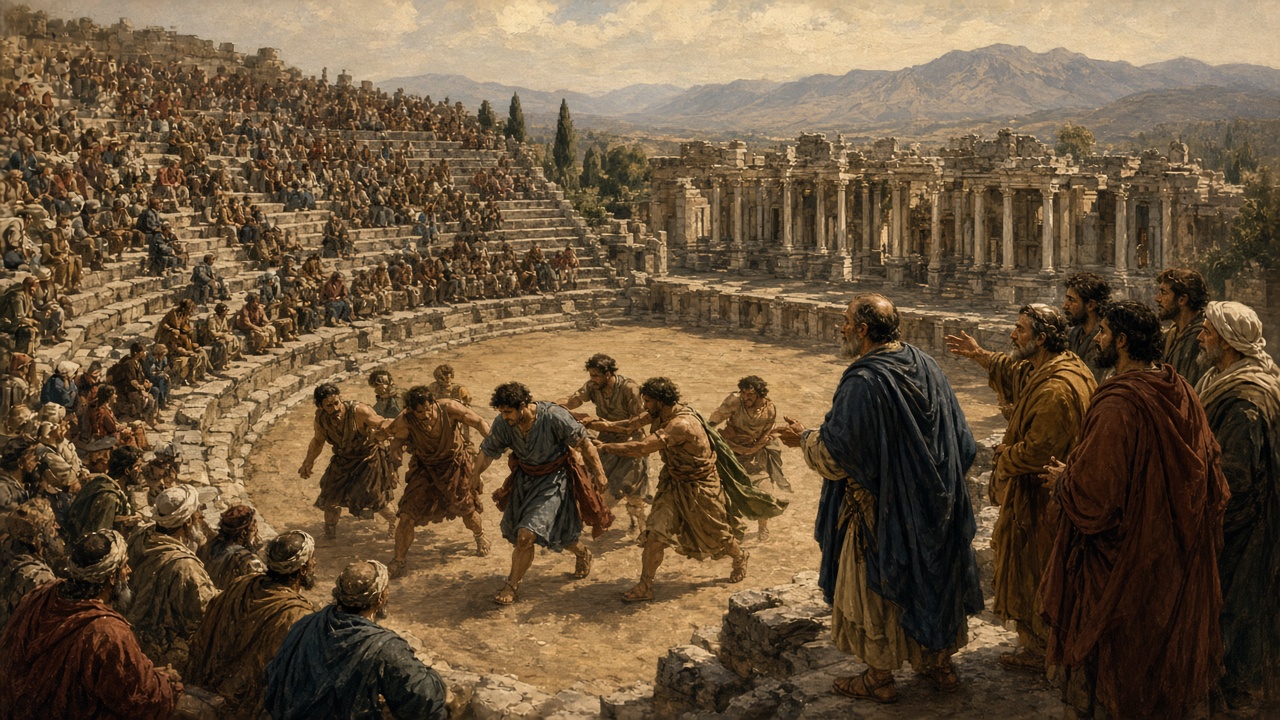
28Ma mgbe ha nụrụ ihe ndị a, ha were oke iwe tie mkpu na-asị, “Atemis ndị Efesọs dị ukwuu!” 29Ọgbaaghara ahụ gbasara, zuo obodo ahụ niile. Ha banyere nʼebe a na-eme ihe ileleanya, kpọpụta Gaiọs na Arịstakọs ndị Masidonia, bụ ndị ha na Pọl na-arụkọ ọrụ. 30Pọl chọrọ ịbakwuru igwe mmadụ ahụ, ma ndị na-eso ụzọ ahụ ekweghị ya. 31Otu aka ahụ kwa, ụfọdụ ndị enyi ya nʼetiti ndị na-achị Eshịa zigakwaara ya ozi na-arịọ ya ka ọ hapụ ịbanye nʼebe ahụ a na-eme ihe ileleanya.
32Ugbu a, nzukọ ahụ na-agba aghara, ụfọdụ mmadụ na-eti mkpu otu ihe, ndị ọzọ na-eti ihe ọzọ. Nʼezie, ọtụtụ nʼime ha amatakwaghị ihe ha jiri nọdụ nʼebe ahụ. 33Ụfọdụ ndị Juu nʼime ọgbakọ ahụ nupuru Alegzanda, sepụta ya, mee ka o buru ụzọ. Alegzanda feere ha aka ka ha dere duu mgbe ọ chọrọ ịgọrọ onwe ya nʼihu ọha mmadụ ahụ. 34Ma nʼotu ntabi anya ahụ, mgbe ha matara na ọ bụ onye Juu, ha bidoro iti mkpu ihe dịka ogologo awa abụọ na-asị, “Atemis ndị Efesọs dị ukwuu!”
35Nʼikpeazụ, ode akwụkwọ nke obodo ahụ kwụsịrị igwe mmadụ ahụ ime ụzụ. O kwuru, “Ndị ikom Efesọs, o nwere onye na-amaghị na obodo Efesọs bụ obodo na-echekwa ụlọ ofufe Atemis, na oyiyi ya nke si nʼeluigwe daa? 36Ebe ihe ndị a adịghị na ngọpụ, ọ dị mkpa ka unu nọdụ nwayọọ, ghara imebi ihe ọbụla nʼecheghị echiche. 37Lee ugbu a, ndị a unu kpọtara nʼebe a abụghị ndị ohi, ndị na-ezuru ihe nʼogige chi anyị, maọbụ na-ekwutọ eze nwanyị arụsị anyị. 38Ọ bụrụ na Dimitriọs na ndị ọkpụ ụzụ ibe ya nwere ihe ọbụla megide ha, ha gaa nʼụlọikpe. Ndị na-ekpe ikpe ga-eleba okwu ha anya. Kama ha mee ya nʼusoro iwu kwadoro. 39Ma ọ bụrụ na o nwere ihe ọzọ dị iche unu chọrọ ka e mee, a ga-edozi ya na nzukọ nke ndị obodo na-eme nʼụzọ ziri ezi. 40Nʼihi na egwu dị, na-eleghị anya a ga-eji ihe nke mere taa boo anyị ebubo na anyị na-ebute ọgbaaghara. Anyị enweghị ọsịsa ziri ezi banyere ọgbaaghara nke a.” 41Mgbe o kwuchara nke a, ọ gbasara ha.
¿Sabías que…?
Pablo, el Camino y Artemisa en Éfeso
- Éfeso era la capital del Asia proconsular, la provincia romana que abarcaba la parte occidental de Asia Menor, y en tiempos romanos llevaba el título de primera y más grande metrópoli de Asia. La ciudad se distinguía por el templo de Artemisa, a quien los romanos llamaban Diana, construido fuera de las murallas y contado entre las siete maravillas del mundo antiguo. En el centro había una imagen antigua de la diosa, de la que se decía que había caído del cielo.Fuentes: Ephesus · Diana · Asia
- Demetrio, un platero de Éfeso, hacía santuarios de plata de Artemisa, modelos del templo o de la estatua de la diosa, que se vendían con facilidad a los visitantes llegados de toda Asia Menor. Hechos dice que ese oficio era la fuente de prosperidad de los artesanos y que Demetrio les advirtió del peligro para el negocio y para el honor del templo de Artemisa, la diosa que, según él, era adorada en toda la provincia de Asia y en el mundo entero.Fuentes: Demetrius · el propio texto bíblico
- La multitud se lanzó al teatro de Éfeso, que el Diccionario Bíblico de Easton (1897) describe como el más grande del mundo, a cielo abierto y capaz de albergar a 50.000 espectadores. Amigos de Pablo entre los jefes de Asia, ciudadanos ricos elegidos cada año para presidir los juegos y las fiestas religiosas de sus ciudades, le rogaron que no entrara. El secretario de la ciudad recordó entonces a la asamblea que Éfeso era guardiana del templo de la gran Artemisa y de su imagen, de la que se decía que había caído del cielo.Fuentes: Ephesus · Asia · el propio texto bíblico
Notas escritas con ayuda de IA a partir de fuentes abiertas (Theographic Bible Metadata, CC BY-SA 4.0; Easton’s Bible Dictionary, dominio público) y revisadas antes de publicarse.
Lugares de este capítulo
- Corinth · 37.906, 22.879 · versículo 1
- Ephesus · 37.939, 27.341 · versículos 1, 17, 23, 26, 35
- Asia · 38.400, 28.300 · versículos 10, 22, 26, 27, 31
- Achaia · 38.720, 22.540 · versículo 21
- Jerusalem · 31.777, 35.234 · versículo 21
- Macedonia · 41.600, 22.540 · versículos 21, 22, 29
- Rome · 41.892, 12.485 · versículos 21, 40
Solo aparecen lugares identificados con alta confianza (90 % o más según las fuentes académicas reunidas por OpenBible). Mapa de la época: DARE (Digital Atlas of the Roman Empire), CC BY 4.0; mapa actual: © colaboradores de OpenStreetMap; lugares: OpenBible.info (CC BY 4.0).
Créditos y licencia de esta traducción
Biblica® Baịbụlụ Nsọ nʼIgbo Ndị Ugbu a nke dịrị onye ọbụla ịgụ The Holy Bible in the Igbo language of Nigeria: Biblica® Baịbụlụ Nsọ nʼIgbo Ndị Ugbu a nke dịrị onye ọbụla ịgụ copyright © 2020 Biblica, Inc. Language: Igbo Contributor: Biblica, Inc. This work is made available under the Creative Commons Attribution-ShareAlike 4.0 International License (CC BY-SA). To view a copy of this license, visit http://creativecommons.org/licenses/by-sa/4.0 or send a letter to Creative Commons, PO Box 1866, Mountain View, CA 94042, USA. Biblica® is a trademark registered by Biblica, Inc., and use of the Biblica® trademark requires the written permission of Biblica, Inc. Under the terms of the CC BY-SA license, you may copy and redistribute this unmodified work as long as you keep the Biblica® trademark intact. If you modify a copy or translate this work, thereby creating a derivative work, you must remove the Biblica® trademark. On the derivative work, you must indicate what changes you have made and attribute the work as follows: “The original work by Biblica, Inc. is available for free at www.biblica.com and open.bible.” Notice of copyright must appear on the title or copyright page of the work as follows: Biblica® Baịbụlụ Nsọ nʼIgbo Ndị Ugbu a nke dịrị onye ọbụla ịgụ Ndị Biblica, Inc. degharịrị ya nʼafọ © 1980, 1988, 2019, 2020 Biblica® Open Igbo Contemporary Bible™ Copyright © 1980, 1988, 2019, 2020 by Biblica, Inc. “Biblica” bụ akara e ji mara ụlọ ọrụ a, nke edebanyere dịka iwu si kwado nʼụlọ ọrụ dị nʼobodo United States, ebe a na-enye akara a na ikike maka azụm ahịa ndị Biblica, Inc. Ọ bụ ha ka e nyere ikike idenye ya. “Biblica” is a trademark registered in the United States Patent and Trademark Office by Biblica, Inc. Used with permission. You must also make your derivative work available under the same license (CC BY-SA). If you would like to notify Biblica, Inc. regarding your translation of this work, please contact us at https://open.bible/contact-us. This translation is made available to you under the terms of the Creative Commons Attribution Share-Alike license 4.0. You have permission to share and redistribute this Bible translation in any format and to make reasonable revisions and adaptations of this translation, provided that: You include the above copyright and source information. If you make any changes to the text, you must indicate that you did so in a way that makes it clear that the original licensor is not necessarily endorsing your changes. If you redistribute this text, you must distribute your contributions under the same license as the original. Pictures included with Scriptures and other documents on this site are licensed just for use with those Scriptures and documents. For other uses, please contact the respective copyright owners. Note that in addition to the rules above, revising and adapting God's Word involves a great responsibility to be true to God's Word. See Revelation 22:18-19. 2023-04-12
Fuente: http://ebible.org/ibo/ · eBible.org