Hechos 16
Biblica® Baịbụlụ Nsọ nʼIgbo Ndị Ugbu a nke dịrị onye ọbụla ịgụ · Toca un versículo para ver sus referencias cruzadas.
Timoti esonyere Pọl na Saịlas
1Pọl bịaruru Debi na Listra, ebe otu onye na-eso ụzọ Jisọs a na-akpọ Timoti bi. Nne ya bụ onye Juu bụrụkwa onye kwere ekwe, ma nna ya bụ onye Griik. 2Ụmụnna ndị bi na Listra na Aikoniọm gbara ezi ama banyere ya. 3Pọl chọrọ ka Timoti soro ya nʼije ya. Ma nʼihi ndị Juu bi nʼakụkụ ebe ahụ, o biri ya ugwu nʼihi na mmadụ niile maara na nna ya bụ onye Griik. 4Dịka ha na-eme njem site nʼobodo ruo nʼobodo, ha na-akọwara ha ihe banyere mkpebi ndị ozi na ndị okenye kpebiri na Jerusalem ka ha nwe ike idebe ha. 5Ihe ndị a niile mere ka nzukọ sie ike nʼokwukwe ma baakwa ụba nʼọnụọgụgụ kwa ụbọchị.
Pọl ahụ ọhụ banyere nwoke Masidonia
6Ha gara mpaghara Frigia na Galeshịa. Ma Mmụọ Nsọ ekweghị ka ha kwusaa oziọma nʼakụkụ Eshịa nʼoge ahụ. 7Mgbe ha ruru nʼakụkụ obodo Misia, ha chere ihu ịbanye nʼakụkụ obodo Bitinia. Ma Mmụọ Nsọ nke Jisọs akwagideghị ka ha gaa. 8Ka ha si nʼakụkụ Misia gafee, ha batara Troas. 9Nʼabalị ahụ, Pọl hụrụ ọhụ ebe ọ hụrụ otu nwoke onye Masidonia ka o guzo na-arịọ ya sị, “Bịa na Masidonia nyere anyị aka.” 10Mgbe ọ hụchara nke a, anyị jikeere ngwangwa ịga Masidonia ebe anyị mara na Chineke akpọọla anyị ịgbasara ha oziọma.
Lidia aghọọ onye kwere ekwe
11Anyị banyere ụgbọ mmiri na Troas sị ya gafee Samotres. Nʼechi ya, anyị bịaruru Niapolis. 12Site nʼebe ahụ anyị jeruru Filipai nke bụ isi obodo dị nʼakụkụ mpaghara Masidonia bụrụkwa otu akụkụ nʼebe ndị Rom na-achị. Anyị nọdụrụ nʼime obodo a ọtụtụ ụbọchị.
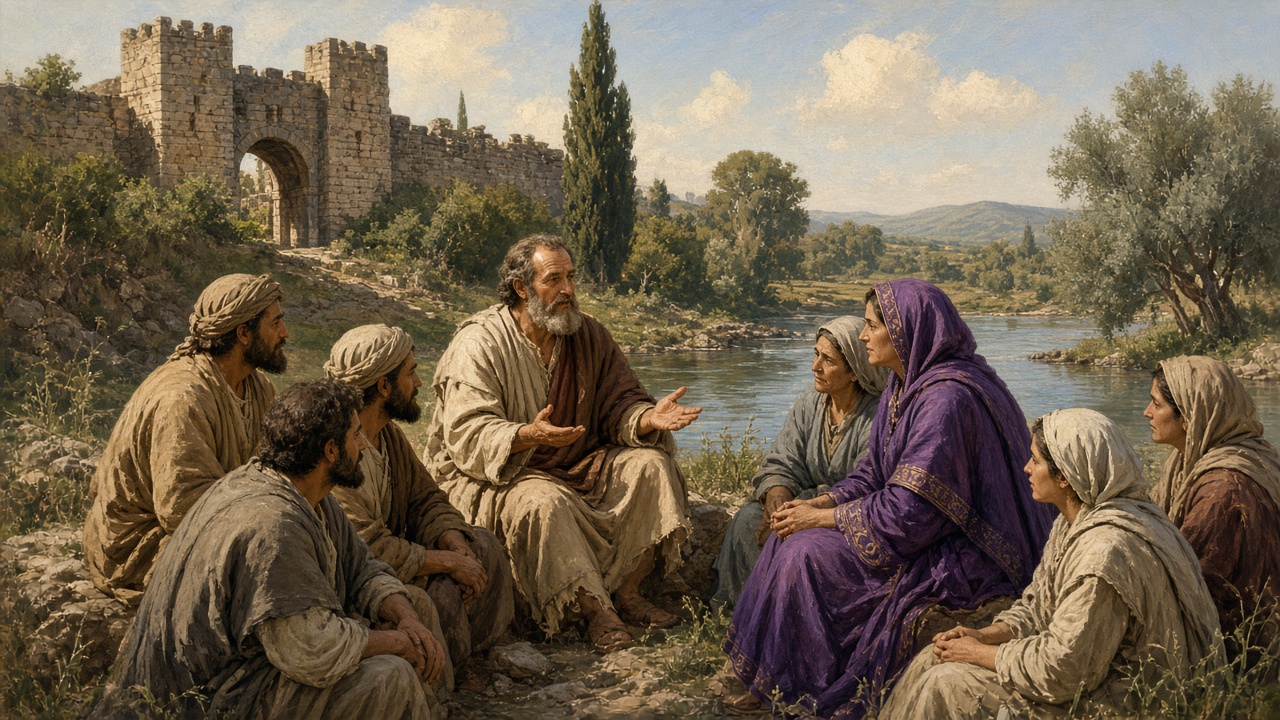
13Nʼụbọchị izuike, anyị sitere nʼobodo ahụ gaa nʼakụkụ osimiri ebe anyị chọpụtara na ụlọ ekpere dị. Nʼebe a ka anyị nọ gwa ụmụ nwanyị ndị gbakọrọnụ okwu. 14Aha otu nʼime ndị inyom nụrụ okwu anyị bụ Lidia, onye obodo Tiatira, onye na-azụ ahịa akwa e sijiri odo odo. Ọ bụkwa nwanyị na-asọpụrụ Chineke. Onyenwe anyị meghere obi ya, ige ntị nʼihe Pọl na-ekwu. 15Ka e mesịrị ya na ezinaụlọ ya baptizim, ọ rịọrọ anyị na-asị, “Ọ bụrụ nʼezie na unu gụrụ m dịka onye kwesiri ntụkwasị obi nye Onyenwe anyị, batanụ nʼụlọ m nọrọ.” Mgbe ọ kwagidesịrị anyị ike, anyị sooro ya.
Pọl na Saịlas nʼụlọ mkpọrọ
16Otu ụbọchị, mgbe anyị na-aga nʼụlọ ekpere, anyị zutere otu nwaagbọghọ bụ ohu, onye nwere mmụọ ịgba afa. Ọ na-ewetara ndị nwe ya ezigbo ego site nʼịgba afa. 17Ma o sogidere anyị na Pọl ebe ọbụla anyị na-aga, na-eti mkpu na-asị, “Ndị a bụ ndị ohu Chineke Onye kachasị ihe niile elu. Ha bịara ikwupụtara unu ihe banyere ụzọ nzọpụta.” 18O mere nke a ọtụtụ ụbọchị. Ma site nʼoke iwe, Pọl baara mmụọ ọjọọ ahụ bi nʼime ya mba sị, “Eji m aha Jisọs Kraịst na-enye gị iwu sị gị site nʼime ya pụta!” Otu mgbe ahụ o siri nʼime ya pụta.
19Mgbe ndị nwe ya hụrụ nʼolileanya ha iji inweta ego akwụsịla, ha jidere Pọl na Saịlas dọkpụrụ ha jekwuru ndịisi obodo nʼọma ahịa. 20Mgbe ha dutara ha nʼihu ndị na-ekpe ikpe ha sịrị, “Ndị ikom a bụ ndị Juu ma ha etinyela ọgbaaghara nʼobodo anyị, 21site nʼikuzi omenaala megidere iwu anyị, nke anyị bụ ndị Rom na-enweghị ike ịnabata maọbụ mee.”
22Igwe mmadụ sonyere imegide ha. Ndị ikpe nyere iwu ka a dọwaa uwe, pịakwa ha ihe. 23Mgbe ha pịachara ha ihe nke ọma, a tụnyere ha nʼime ụlọ mkpọrọ, nyekwa onye nche iwu ka o chee ha nke ọma. 24Nʼihi nke a, o tinyere ha nʼime ime ụlọ mkpọrọ, ebe o jiri ọtọsị kegide ha nʼụkwụ.
25Nʼetiti abalị, mgbe Pọl na Saịlas na-ekpe ekpere na-abụkwa abụ ito Chineke, ndị niile nọ nʼụlọ mkpọrọ ahụ na-ege ha ntị. 26Na mberede, oke ala ọma jijiji bidoro, nke mere ka ntọala ụlọ mkpọrọ ahụ maa jijiji. Ngwangwa, ọnụ ụzọ ya niile meghere, ụdọ igwe niile e jiri kee ndị mkpọrọ tọpụkwara. 27Mgbe onyeisi nche ụlọ mkpọrọ tetara nʼụra ma hụ na ọnụ ụzọ niile ghere oghe. Nʼihi ya, o chere na ndị mkpọrọ niile agbapụla. Ya mere, ọ mịpụtara mma agha ya chọọ igbu onwe ya. 28Ma Pọl tiri mkpu nʼoke olu, sị, “Emerula onwe gị ahụ. Anyị niile nọ nʼebe a!”
29Onyeisi nche ahụ kpọrọ ka eweta ọkụ, ọ gbabara nʼime, daa nʼụkwụ Pọl na Saịlas na-ama jijiji. 30Ọ kpọpụtara ha nʼezi sị, “Ndị nwe m, gịnị ka m ga-eme ka a zọpụta m?”
31Ha sịrị, “Kwere nʼOnyenwe anyị Jisọs, a ga-azọpụta gị na ezinaụlọ gị niile.” 32Mgbe ahụ, ha gwara ya na ndị niile nọ nʼezinaụlọ ya okwu nke Onyenwe anyị. 33Nʼotu elekere ahụ, nʼabalị ahụ, ọ sachara ọnya ha. Nʼatụfughị oge, ha mere ya na ezinaụlọ ya baptizim. 34Ọ kpọbatara ha nʼụlọ ya, nye ha ihe oriri. Ya onwe ya na ezinaụlọ ya ṅụrịrị ọṅụ nʼihi na o kwerela na Chineke.
35Nʼechi ya, ndị ikpe ahụ zitere ndị uweojii sị, “Hapụnụ ụmụ nwoke ahụ ka ha laa.” 36Onyeisi ụlọ mkpọrọ ahụ gwara Pọl, sị, “na ndị ikpe zitere ozi sị ha laa. Ugbu a pụtanụ. Unu laanụ nʼudo.”
37Ma Pọl sịrị ha, “Ha tiri anyị ihe nʼihu mmadụ niile na-ebughị ụzọ kpee anyị ikpe. Emesịa ha tinyere anyị nʼụlọ mkpọrọ. Anyị bụ diala nʼobodo Rom! Olee otu ha ga-esi zipụ anyị na nzuzo. O kwesiri ka ha bịa nʼonwe ha kpọpụta anyị.”
38Ndị uweojii ahụ gara gwa ndị ikpe ahụ ihe ha kwuru. Mgbe ha nụrụ na ha bụ diala na Rom, ha tụrụ egwu nke ukwuu. 39Ha bịakwutere ha rịọsie ha arịrịọ ike. Ha kpọpụtakwara ha, rịọ ha ka ha hapụ obodo ahụ. 40Mgbe ha sitere nʼụlọ mkpọrọ pụta, ha gara nʼụlọ Lidia. Nʼebe ahụ ka ha zutere ụmụnna, gwa ha okwu mgbamume, emesịa ha si nʼobodo ahụ pụọ.
¿Sabías que…?
De Listra a Filipos
- En Listra, Pablo encontró a Timoteo, un discípulo de quien hablaban bien los hermanos de Listra e Iconio, hijo de una judía creyente y de un padre griego. Queriendo llevarlo como compañero, Pablo lo circuncidó a causa de los judíos de allí, que sabían que su padre era griego. El diccionario bíblico de Easton (1897) dice que Timoteo probablemente vivía en Listra y parece haberse convertido en la visita anterior de Pablo.Fuentes: el propio texto bíblico · Timotheus
- Después de que se les impidió hablar en la provincia de Asia, Pablo y sus compañeros viajaron por Frigia y Galacia. En la frontera de Misia no se les permitió entrar en Bitinia, así que bajaron a Troas, el puerto principal de Misia, en la costa noroeste de Asia Menor, ciudad que recibió su nombre de la antigua Troya, a unas cuatro millas al norte. Allí, una visión nocturna de un hombre de Macedonia que pedía ayuda los llevó a navegar hacia esa provincia romana al norte de Grecia.Fuentes: el propio texto bíblico · Mysia · Troas · Macedonia
- En la colonia romana de Filipos, Pablo y sus compañeros encontraron, junto al río y fuera de la puerta de la ciudad, un lugar donde era costumbre orar, y allí se habían reunido unas mujeres. Entre ellas estaba Lidia, comerciante de telas de púrpura, de Tiatira, y adoradora de Dios; después de que ella y los de su casa fueron bautizados, convenció a los viajeros de quedarse en su casa. El diccionario bíblico de Easton (1897) la describe como una prosélita de considerable riqueza y como la primera persona en Europa que abrazó el cristianismo.Fuentes: el propio texto bíblico · Lydia
Notas escritas con ayuda de IA a partir de fuentes abiertas (Theographic Bible Metadata, CC BY-SA 4.0; Easton’s Bible Dictionary, dominio público) y revisadas antes de publicarse.
Lugares de este capítulo
- Lystra · Hoy: Tel Lystra · 37.602, 32.338 · versículos 1, 2
- Iconium · Hoy: Konya · 37.872, 32.492 · versículo 2
- Jerusalem · 31.777, 35.234 · versículo 4
- Asia · 38.400, 28.300 · versículo 6
- Galatia · 39.267, 32.983 · versículo 6
- Phrygia · 39.000, 31.000 · versículo 6
- Bithynia · 40.500, 31.000 · versículo 7
- Mysia · 40.000, 28.500 · versículos 7, 8
- Troas · Hoy: Alexandria Troas · 39.752, 26.159 · versículos 8, 11
- Greece · 37.972, 23.727 · versículo 9
- Macedonia · 41.600, 22.540 · versículos 9, 10, 12
- Neapolis · Hoy: Kavala · 40.935, 24.415 · versículo 11
- Samothrace · Hoy: Samothraki · 40.450, 25.583 · versículo 11
- Philippi · 41.012, 24.285 · versículo 12
- Thyatira · Hoy: Akhisar · 38.920, 27.837 · versículo 14
Solo aparecen lugares identificados con alta confianza (90 % o más según las fuentes académicas reunidas por OpenBible). Mapa de la época: DARE (Digital Atlas of the Roman Empire), CC BY 4.0; mapa actual: © colaboradores de OpenStreetMap; lugares: OpenBible.info (CC BY 4.0).
Créditos y licencia de esta traducción
Biblica® Baịbụlụ Nsọ nʼIgbo Ndị Ugbu a nke dịrị onye ọbụla ịgụ The Holy Bible in the Igbo language of Nigeria: Biblica® Baịbụlụ Nsọ nʼIgbo Ndị Ugbu a nke dịrị onye ọbụla ịgụ copyright © 2020 Biblica, Inc. Language: Igbo Contributor: Biblica, Inc. This work is made available under the Creative Commons Attribution-ShareAlike 4.0 International License (CC BY-SA). To view a copy of this license, visit http://creativecommons.org/licenses/by-sa/4.0 or send a letter to Creative Commons, PO Box 1866, Mountain View, CA 94042, USA. Biblica® is a trademark registered by Biblica, Inc., and use of the Biblica® trademark requires the written permission of Biblica, Inc. Under the terms of the CC BY-SA license, you may copy and redistribute this unmodified work as long as you keep the Biblica® trademark intact. If you modify a copy or translate this work, thereby creating a derivative work, you must remove the Biblica® trademark. On the derivative work, you must indicate what changes you have made and attribute the work as follows: “The original work by Biblica, Inc. is available for free at www.biblica.com and open.bible.” Notice of copyright must appear on the title or copyright page of the work as follows: Biblica® Baịbụlụ Nsọ nʼIgbo Ndị Ugbu a nke dịrị onye ọbụla ịgụ Ndị Biblica, Inc. degharịrị ya nʼafọ © 1980, 1988, 2019, 2020 Biblica® Open Igbo Contemporary Bible™ Copyright © 1980, 1988, 2019, 2020 by Biblica, Inc. “Biblica” bụ akara e ji mara ụlọ ọrụ a, nke edebanyere dịka iwu si kwado nʼụlọ ọrụ dị nʼobodo United States, ebe a na-enye akara a na ikike maka azụm ahịa ndị Biblica, Inc. Ọ bụ ha ka e nyere ikike idenye ya. “Biblica” is a trademark registered in the United States Patent and Trademark Office by Biblica, Inc. Used with permission. You must also make your derivative work available under the same license (CC BY-SA). If you would like to notify Biblica, Inc. regarding your translation of this work, please contact us at https://open.bible/contact-us. This translation is made available to you under the terms of the Creative Commons Attribution Share-Alike license 4.0. You have permission to share and redistribute this Bible translation in any format and to make reasonable revisions and adaptations of this translation, provided that: You include the above copyright and source information. If you make any changes to the text, you must indicate that you did so in a way that makes it clear that the original licensor is not necessarily endorsing your changes. If you redistribute this text, you must distribute your contributions under the same license as the original. Pictures included with Scriptures and other documents on this site are licensed just for use with those Scriptures and documents. For other uses, please contact the respective copyright owners. Note that in addition to the rules above, revising and adapting God's Word involves a great responsibility to be true to God's Word. See Revelation 22:18-19. 2023-04-12
Fuente: http://ebible.org/ibo/ · eBible.org