1 Juan 3
Biblica® Baịbụlụ Nsọ nʼIgbo Ndị Ugbu a nke dịrị onye ọbụla ịgụ · Toca un versículo para ver sus referencias cruzadas.
Ibi ndụ dị ka ụmụ Kraịst
1Lee ụdị oke ịhụnanya nke Nna ahụ nwere nʼebe anyị nọ, na-aga akpọ anyị ụmụ Chineke. Nʼezie, nke a bụ ihe anyị bụ. Ihe mere na ụwa amaghị anyị bụ nʼihi na ọ maghị ya. 2Ndị hụrụ nʼanya, ugbu a anyị abụrụla ụmụ Chineke. Ọ bụ ezie na anyị enweghị ike ịghọta ihe ọnọdụ anyị ga-abụ nʼoge dị nʼihu, ma anyị maara nke ọma na mgbe a ga-eme ka ọ pụta ìhè, a ga-emekwa ka anyị bụrụ ndị yiri ya, nʼihi na anyị ga-ahụ ya dịka ọ dị. 3Onye ọbụla nwere olileanya dị otu a kwesiri idebe onwe ya ọcha, dị ka ya onwe ya dị ọcha.
4Onye ọbụla na-eme mmehie na-emebi iwu. Nʼezie mmehie bụ mmebi iwu. 5Unu maara na e mere ka ọ pụta ìhè iwepụ mmehie. Ọ dịkwaghị mmehie ọbụla dị nʼime ya. 6Onye ọbụla na-anọgide nʼime ya adịghị ebi ndụ ime mmehie, onye ọbụla nke na-ebi ndụ mmehie ahụbeghị ya anya mgbe ọbụla, ọ matabekwaghị ya.
7Ezigbo ụmụ m, unu ekwela ka onye ọbụla duhie unu, onye ọbụla na-eme ezi ihe bụ onye ezi omume dị ka ya onwe ya bụ onye ezi omume. 8Onye ọbụla na-eme mmehie bụ nwa ekwensu, nʼihi na ekwensu bụ onye mmehie site na mmalite. Ihe mere Ọkpara Chineke jiri pụta ìhè bụ ka ọ laa ọrụ niile nke ekwensu nʼiyi. 9Onye a mụrụ site na Chineke adịghị anọgide na-eme mmehie, nʼihi na mkpụrụ Chineke na-anọgide nʼime ya, ha enweghị ike ịnọgide na-eme mmehie, nʼihi na a mụrụ ha site na Chineke. 10Otu a ka anyị si amata ndị bụ ụmụ Chineke, na ndị bụ ụmụ ekwensu: Onye ọbụla na-adịghị eme ihe ziri ezi abụghị nwa Chineke, otu a ka ọ dịkwa onye na-adịghị ahụ ụmụnna ha nʼanya.
Hụ mmadụ ibe gị nʼanya
11Nʼihi na nke a bụ ozi ahụ unu nụrụ site na mmalite, ka anyị hụrịta onwe anyị nʼanya. 12Ka anyị hapụ ịdị ka Ken, onye bụ nke ajọ onye ahụ, na onye gburu nwanne ya. Gịnị mere o ji gbuo ya? Ọ bụ nʼihi na ọrụ ya jọrọ njọ, ma nke nwanne ya ziri ezi. 13Ka ọ gharakwa iju unu anya ụmụnna m, na ụwa kpọrọ unu asị. 14Anyị matara na anyị esitela nʼọnwụ baa na ndụ nʼihi na anyị na-ahụ ụmụnna anyị nʼanya. Onye ọbụla na-adịghị ahụ ibe ya nʼanya na-anọgide nʼọnwụ. 15Onye ọbụla na-akpọ nwanna ya asị bụ ogbu mmadụ, unu matakwara na o nweghị onye ọbụla bụ ogbu mmadụ nwere ndụ ebighị ebi nʼime ya.
16Ọ bụ otu a ka anyị sị mata ihe bụ ịhụnanya, na Jisọs tọgbọrọ ndụ ya nʼihi anyị. Anyị kwesikwara ịtọgbọ ndụ anyị nʼihi ụmụnna anyị. 17Ọ bụrụ na onye ọbụla nwere akụ nke ụwa, ahụ nwanna ya ka ọ nọ na mkpa ma o nweghị obi ebere nʼebe ọ nọ, olee otu ịhụnanya Chineke si dịrị nʼime ya? 18Ụmụntakịrị m, ka ịhụnanya anyị ghara ịbụ naanị nʼegbugbere ọnụ maọbụ nke okwu efu, kama ka ọ bụrụ nke sitere nʼeziokwu nakwa nʼomume anyị.
19Anyị ga-esitekwa na nke a mata na anyị bụ ndị nke eziokwu ahụ ma matakwa otu anyị ga-esi mee ka obi anyị kwenye nʼihu ya. 20Nʼihi na ọ bụrụ na obi anyị amaa anyị ikpe, Chineke dị ukwuu karịa obi anyị, ọ mazukwara ihe niile. 21Ndị m hụrụ nʼanya, ọ bụrụ na obi anyị amaghị anyị ikpe, anyị nwere nkwuwa okwu nʼihu Chineke 22na-anatakwa ya ihe ọbụla anyị rịọrọ nʼihi na anyị na-erube isi nʼiwu ya, na-emekwa ihe na-atọ ya ụtọ. 23Nke a bụkwa iwu ya: ka anyị kwere nʼaha Ọkpara ya Jisọs Kraịst, ya na ịhụrịta ibe anyị nʼanya dịka o nyere anyị nʼiwu. 24Ndị niile na-erube isi nye iwu ya na-anọgidesikwa ike nʼime ya, ya onwe ya na-anọgidesikwa ike nʼime ndị ahụ! Otu a ka anyị si mara na ọ na-anọgidesike nʼime anyị: Ọ bụ site na Mmụọ nke o nyere anyị.
¿Sabías que…?
Hijos de Dios y amor fraterno
- La advertencia de no ser como Caín recuerda al primogénito de Adán y Eva, labrador de la tierra, cuyo hermano Abel seguía la vida pastoral. Ellos presentaron ofrendas: la de Abel, de los primogénitos y de la grasa del rebaño, fue aceptada como más excelente, y Caín, cuya ofrenda era del fruto de la tierra, se enfureció mucho. La carta dice que Caín era del maligno y asesinó a Abel porque sus propias obras eran malas y las de su hermano eran justas.Fuentes: Cain · el propio texto bíblico
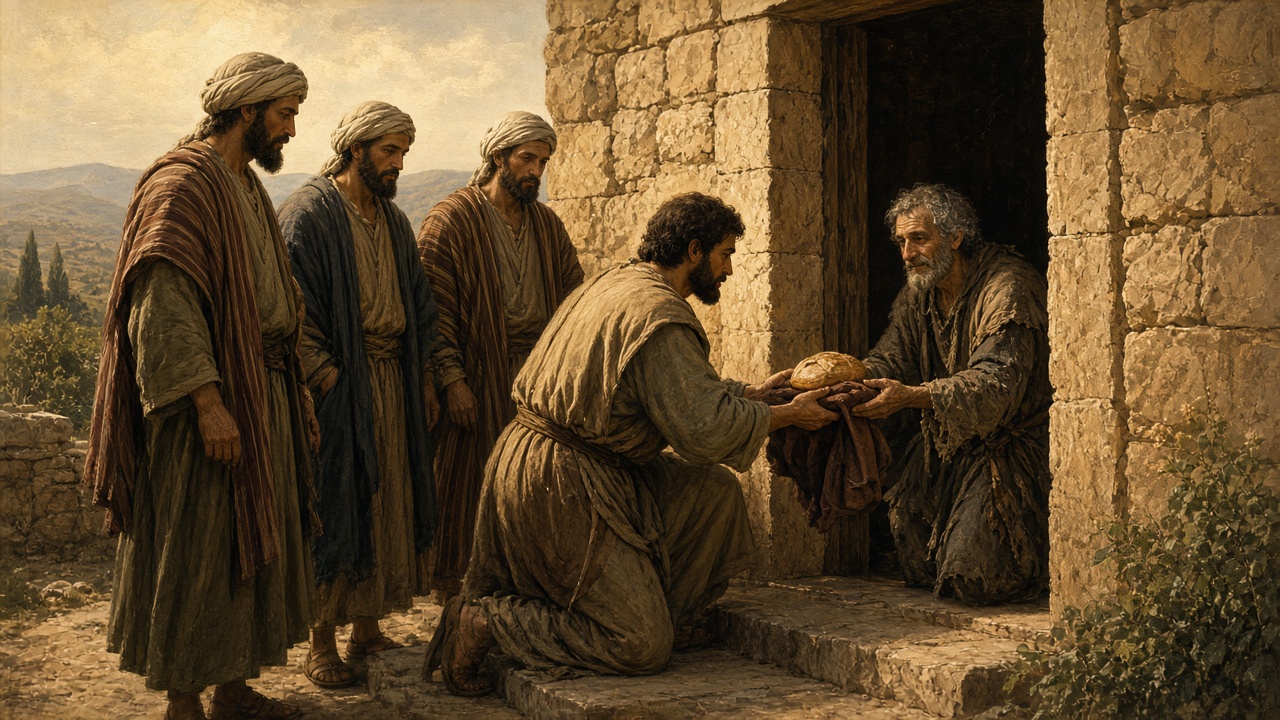
- En este capítulo, odiar al hermano se trata como homicidio: todo el que odia a su hermano es un homicida, y la vida eterna no reside en un homicida. El amor se conoce porque Jesús entregó su vida por nosotros, y se dice a los lectores que deben entregar la vida por sus hermanos.Fuentes: el propio texto bíblico
- Los hijos de Dios se distinguen de los hijos del diablo por practicar la justicia y por amar al hermano. El mensaje oído desde el principio es que debemos amarnos unos a otros, y el mandamiento de Dios es creer en el nombre de su Hijo, Jesucristo, y amarnos unos a otros como él mandó.Fuentes: el propio texto bíblico
Notas escritas con ayuda de IA a partir de fuentes abiertas (Theographic Bible Metadata, CC BY-SA 4.0; Easton’s Bible Dictionary, dominio público) y revisadas antes de publicarse.
Créditos y licencia de esta traducción
Biblica® Baịbụlụ Nsọ nʼIgbo Ndị Ugbu a nke dịrị onye ọbụla ịgụ The Holy Bible in the Igbo language of Nigeria: Biblica® Baịbụlụ Nsọ nʼIgbo Ndị Ugbu a nke dịrị onye ọbụla ịgụ copyright © 2020 Biblica, Inc. Language: Igbo Contributor: Biblica, Inc. This work is made available under the Creative Commons Attribution-ShareAlike 4.0 International License (CC BY-SA). To view a copy of this license, visit http://creativecommons.org/licenses/by-sa/4.0 or send a letter to Creative Commons, PO Box 1866, Mountain View, CA 94042, USA. Biblica® is a trademark registered by Biblica, Inc., and use of the Biblica® trademark requires the written permission of Biblica, Inc. Under the terms of the CC BY-SA license, you may copy and redistribute this unmodified work as long as you keep the Biblica® trademark intact. If you modify a copy or translate this work, thereby creating a derivative work, you must remove the Biblica® trademark. On the derivative work, you must indicate what changes you have made and attribute the work as follows: “The original work by Biblica, Inc. is available for free at www.biblica.com and open.bible.” Notice of copyright must appear on the title or copyright page of the work as follows: Biblica® Baịbụlụ Nsọ nʼIgbo Ndị Ugbu a nke dịrị onye ọbụla ịgụ Ndị Biblica, Inc. degharịrị ya nʼafọ © 1980, 1988, 2019, 2020 Biblica® Open Igbo Contemporary Bible™ Copyright © 1980, 1988, 2019, 2020 by Biblica, Inc. “Biblica” bụ akara e ji mara ụlọ ọrụ a, nke edebanyere dịka iwu si kwado nʼụlọ ọrụ dị nʼobodo United States, ebe a na-enye akara a na ikike maka azụm ahịa ndị Biblica, Inc. Ọ bụ ha ka e nyere ikike idenye ya. “Biblica” is a trademark registered in the United States Patent and Trademark Office by Biblica, Inc. Used with permission. You must also make your derivative work available under the same license (CC BY-SA). If you would like to notify Biblica, Inc. regarding your translation of this work, please contact us at https://open.bible/contact-us. This translation is made available to you under the terms of the Creative Commons Attribution Share-Alike license 4.0. You have permission to share and redistribute this Bible translation in any format and to make reasonable revisions and adaptations of this translation, provided that: You include the above copyright and source information. If you make any changes to the text, you must indicate that you did so in a way that makes it clear that the original licensor is not necessarily endorsing your changes. If you redistribute this text, you must distribute your contributions under the same license as the original. Pictures included with Scriptures and other documents on this site are licensed just for use with those Scriptures and documents. For other uses, please contact the respective copyright owners. Note that in addition to the rules above, revising and adapting God's Word involves a great responsibility to be true to God's Word. See Revelation 22:18-19. 2023-04-12
Fuente: http://ebible.org/ibo/ · eBible.org