1 Corintios 15
Biblica® Baịbụlụ Nsọ nʼIgbo Ndị Ugbu a nke dịrị onye ọbụla ịgụ · Toca un versículo para ver sus referencias cruzadas.
Mbilite nʼọnwụ Kraịst
1Ụmụnna m, ugbu a achọrọ m ime ka unu cheta oziọma ahụ m ziri unu mgbe m buru ụzọ bịakwute unu, nke unu kweere na ya, na nke unu guzosikwara ike nʼelu ya. 2E si nʼoziọma a zọpụta unu, ma ọ bụrụ na unu ejiri obi unu niile jidesie ihe unu kweere na ya ike. Inwe okwukwe nʼihe ọzọ dị iche agaghị enyere unu aka.
3Ihe m nyefere unu nʼaka na mbụ bụ ozi ahụ m natara ị debe, nke dị oke mkpa, na Kraịst nwụrụ ọnwụ nʼihi mmehie anyị, dịka akwụkwọ nsọ kwuru na ọ ga-anwụ. 4Na e liri ya, ma e mere ka o si nʼọnwụ bilie nʼụbọchị nke atọ, dịka akwụkwọ nsọ kwukwara na ọ ga-eme. 5O gosiri Sefas onwe ya, emesịa, ndị ozi iri na abụọ ahụ hụkwara ya. 6Emesịakwa, o gosiri ihe karịrị narị mmadụ ise nʼime ụmụnna onwe ya, nʼotu mgbe, ọtụtụ nʼime ndị ahụ ka nọ ndụ taa, ọ bụ ezie na ụfọdụ nʼime ha adaala nʼụra ọnwụ. 7Emesịa, Jemis hụrụ ya; o mekwara ka ndị ozi niile hụ ya. 8Nʼikpeazụ, mụ onwe m hụkwara ya, dịka a ga-asị na m bụ nwa a na-amụghị nʼoge.
9Nʼihi na ọ bụ m kachasị nta nʼime ndị ozi. O kwesikwaghị ka a akpọọ m onyeozi ya nʼihi na alụsoro m nzukọ Chineke ọgụ nke ukwuu. 10Ma site nʼamara nke Chineke, abụ m ihe m bụ. Ọ pụtakwara na amara ya nʼebe m nọ abụghị ihe efu. Kama arụsịrị m ọrụ ike karịchasịa ndị ozi niile. Ma nʼezie, ọ bụghị m na-arụ ọrụ a, kama ọ bụ Chineke nʼonwe ya na-arụ ọrụ ya nʼime m. 11Ma ọ bụ m, maọbụ ndị ọzọ, otu a ka anyị siri kwusaa, otu a ka unu sikwa kwere.
Mbilite nʼọnwụ nke ndị nwụrụ anwụ
12Ma ọ bụrụ na a na-ekwusa na Kraịst si nʼọnwụ bilie, gịnị mere ụfọdụ unu ji na-ekwu na ndị nwụrụ anwụ apụghị isi nʼọnwụ bilie ọzọ. 13Ọ bụrụ na ndị nwụrụ anwụ a pụghị i si nʼọnwụ bilie, nke a pụtara na e meghị ka Kraịst site nʼọnwụ bilie. 14Ọ bụrụkwa na e meghị ka Kraịst si nʼọnwụ bilie, ihe anyị na-ezisa bụ ihe efu, okwukwe unu nwere bụkwa ihe efu. 15Ma karịa nke a, a na-ahụta anyị ka ndị ama ụgha nke Chineke, nʼihi na anyị gbara ama banyere Chineke, na-asị na o mere ka Kraịst si nʼọnwụ bilie, bụ onye ọ na-emeghị ka o si nʼọnwụ bilie ma ọ bụrụ na-emeghị ka ndị nwụrụ anwụ dị ndụ ọzọ. 16Nʼihi na, ọ bụrụ na a pụghị ime ka ndị nwụrụ anwụ bilie dị ndụ ọzọ, emekwaghị ka Kraịst si nʼọnwụ bilie. 17Ma ọ bụrụ na-emeghị ka Kraịst si nʼọnwụ bilie, okwukwe unu bụ ihe efu, unu ka ga-anwụ na mmehie unu. 18Mgbe ahụ ndị nwụrụ anwụ nʼime Kraịst lara nʼiyi. 19Ọ bụrụkwa na olileanya anyị nʼime Kraịst gwụrụ naanị na ndụ anyị nʼime ụwa a, anyị bụ ndị e kwesiri ka e mere ebere.
20Ma e mere ka Kraịst si nʼọnwụ bilie nʼezie, onye mbụ nʼetiti ndị niile nwụrụ anwụ. 21Nʼihi na dịka ọnwụ si site nʼaka otu nwoke bịa, otu a kwa ka mbilite nʼọnwụ si site nʼaka otu nwoke bịa. 22Dịka mmadụ niile si anwụ site nʼaka Adam, otu a kwa ka mmadụ niile ga-esi dịkwa ndụ nʼime Kraịst. 23Onye ọbụla ga-ebili nʼusoro nke ya, Kraịst mkpụrụ mbụ si nʼọnwụ bilie. Mgbe ọ lọghachiri, ndị niile bụ ndị nke Kraịst ga-esote. 24Mgbe nke a gasịrị, ọgwụgwụ ihe niile ga-abịa, mgbe ọ ga-enyefe alaeze nʼaka Chineke bụ Nna, nʼihi na o meriela ịchị isi niile, na ikike niile na ike niile. 25Nʼihi na ọ ga-abụ eze tutu ruo mgbe ọ lụgburu ndị iro ya niile, doo ha nʼokpuru ụkwụ ya. 26Onye iro ikpeazụ a ga-emeri bụ ọnwụ. 27Nʼihi na “O doola ihe niile nʼokpuru ụkwụ ya.” Ma mgbe ọbụla asịrị, “e doola ihe niile” nʼokpuru ụkwụ ya, o doro anya na Chineke agụnyeghị onwe ya, nʼihi na ọ bụ ya tinyere ihe niile nʼokpuru Kraịst. 28Mgbe e merela ka ihe niile nọrọ nʼokpuru ya, mgbe ahụ, Ọkpara ya nʼonwe ya, ga-edobe onwe ya nʼokpuru onye ahụ dobere ihe niile nʼokpuru ya, ka Chineke bụrụ onye na-achị ihe niile.
29Ma ọ bụghị otu a, gịnị mere ụfọdụ ji eme ndị otu ha baptizim nʼọnọdụ ndị nwụrụ anwụ? Ọ bụrụ na e meghị ka ndị nwụrụ anwụ si nʼọnwụ bilie ma ọlị, nʼihi gịnị ka a na-eme mmadụ ndị a baptizim nʼọnọdụ ha? 30Gịnị mere anyị ji nọrọ nʼize ndụ nʼoge awa ọbụla? 31Nʼịgwa unu eziokwu, ụmụnna m, ana m ezute ọnwụ kwa ụbọchị. Ihe m ji kwupụta nke a bụ nʼihi ịnya isi nke m ji unu anya nʼime Jisọs Kraịst, Onyenwe anyị. 32Ọ bụrụ na ndụ anyị na-agwụ nʼụwa a, dịka ndị mmadụ na-ekwu, gịnị bụkwanụ uru m nwere nʼihi ọgụ m na-alụso anụ ọhịa, bụ ndị ikom Efesọs? Ọ bụrụ na a gaghị eme ka ndị nwụrụ anwụ bilie,
“Ka anyị rienụ, ṅụọkwanụ,
nʼihi na echi anyị ga-anwụ.”
33Unu ekwela ka e duhie unu. Nʼihi na mkparịkọta agwa ọjọọ na-emebi ezi agwa. 34Sitenụ na ndụ enweghị nghọta unu lọghachita dịka unu kwesiri, unu emehiekwala ọzọ. Nʼihi na-enwere ụfọdụ bụ ndị na-amaghị Chineke. Ana m ekwu nke a ka ihere mee unu.
Mbilite nʼọnwụ nke anụ ahụ
35Ma ụfọdụ ga-ajụ, “Olee otu a ga-esi mee ka onye nwụrụ anwụ bilie? Olee ụdị ahụ ha ga-enwe mgbe ha ga-apụta?” 36Onye nzuzu! Mkpụrụ ọka i tinyere nʼala agaghị epu ma ọ bụrụ na o bughị ụzọ nwụọ. 37Mgbe ị na-agha mkpụrụ, ọ bụghị anụ ahụ nke ga-apụta ka ị na-agha, kama ọ bụ naanị mkpụrụ nkịtị, eleghị anya mkpụrụ ọka wiiti, maọbụ mkpụrụ ọzọ. 38Ma Chineke na-enye ya ahụ dịka o si chọọ. Ọ na-enyekwa mkpụrụ ọbụla nʼime mkpụrụ niile ahụ nke kwesiri ya. 39Anụ ahụ niile abụghị otu, mmadụ nwere anụ ahụ dị iche, anụ ọhịa nwere ụdị anụ ahụ nke ha. Anụ ufe nwere anụ ahụ ha, azụ nwekwara nke ha. 40Ahụ nke eluigwe na ahụ nke ụwa dịkwa. Ma ịma mma na ebube nke ahụ nke eluigwe bụ otu, ịma mma na ebube nke ahụ nke ụwa dịkwa iche. 41Anyanwụ nwere ebube nke ya, ọnwa nwekwa nke ya, kpakpando nwekwara ebube nke ya. Kpakpando dịkwa iche site nʼibe ya nʼịma mma na ebube.
42Otu a ka ọ dị nʼebe mbilite nʼọnwụ ndị nwụrụ anwụ dị. Mgbe e liri anụ ahụ anyị, ihe nwụrụ anwụ na nke pụrụ ire ure ka ọ bụ, ma mgbe e mere ka o si nʼọnwụ bilie, ọ gaghị anwụkwa ọzọ. 43A na-eli ahụ onye nwụrụ anwụ dịka ihe enweghị ugwu, ma a na-eme ka o si nʼọnwụ bilie nʼebube. A na-eli onye nwụrụ anwụ nʼadịghị ike, ma a na-eme ka o si nʼọnwụ bilie nʼịdị ike. 44A na-eli onye nwụrụ anwụ dịka anụ ahụ nkịtị, ma a na-eme ka o jiri ahụ nke mmụọ kulite.
Ọ bụrụ na e nwere anụ ahụ nkịtị, e nwekwara ahụ nke mmụọ. 45E dere ya, “Mmadụ mbụ, bụ Adam, ghọrọ mkpụrụobi dị ndụ, Adam nke ikpeazụ bụ mmụọ na-enye ndụ.” 46Ma mmụọ e bughị ụzọ, kama ọ bụ ahụ nkịtị, ma mmụọ bịara nʼikpeazụ. 47Mmadụ nke nwoke sitere nʼala, ejikwa aja kpụọ ya; mmadụ nke abụọ si nʼeluigwe bịa. 48Dị ka mmadụ nke mbụ ahụ e jiri aja kpụọ dị, otu a ka ndị niile si nʼaja pụta dịkwa. Ma dị ka mmadụ nke eluigwe ahụ dị, otu a ka ndị niile bụ ụmụ eluigwe dịkwa. 49Dịka anyị niile yikwasịrị onyinyo nke nwoke e jiri aja kpụọ, otu ahụkwa ka anyị ga-esi yikwasị onyinyo nke nwoke nke eluigwe.
50Ihe m na-ekwu, ụmụnna m, bụ na anụ ahụ na ọbara enweghị ike iketa alaeze Chineke. Ihe na-ere ure agaghịkwa eketa ereghị ure. 51Ma geenụ ntị ka m gwa unu ihe omimi a! Ọ bụghị anyị niile na-aga ịnwụ, kama, a ga-enye anyị anụ ahụ ọhụrụ nke pụrụ iche. 52Nʼotu mgbe, nʼotu ntabi anya, mgbe a ga-afụ opi ike ikpeazụ. Nʼihi na opi ga-ada, a ga-eme ka ndị nwụrụ anwụ si nʼọnwụ bilite na-ereghị ure. A ga-agbanwekwa anyị. 53Nʼihi na a ghaghị ịgbanwe anụ ahụ anyị a nke na-anwụ anwụ, nyekwa anyị ahụ nke na-agaghị anwụ ọzọ. 54Mgbe ahụ nke a pụrụ ire ure ga-eyikwasị ereghị ure, nke a pụrụ ịnwụ anwụ ga-eyikwasị anwụghị anwụ. Mgbe ahụ, okwu ahụ e dere nʼakwụkwọ nsọ ga-emezu, okwu ahụ sịrị, “Elomiela ọnwụ, meriekwa ike ya niile.”
55“Ọnwụ, olee ebe mmeri gị dị?
Ọnwụ, olee ebe ihe ụfụ gị dị?”
56Nʼihi na ihe ahụ ọnwụ ji agbata mmadụ bụ mmehie, ma ihe na-enye mmehie ike bụ iwu. 57Ka ekele dịrị Chineke onye na-enye anyị mmeri site nʼOnyenwe anyị Jisọs Kraịst.
58Ya mere, ụmụnna m ndị m hụrụ nʼanya, kwụsienụ ike, bụrụnụ akwaa akwụrụ. Nọgidenụ nʼọrụ Onyenwe anyị mgbe niile, ebe unu maara na ọrụ unu na-arụ nʼime Onyenwe anyị abụghị ihe efu.
¿Sabías que…?
La resurrección de los muertos
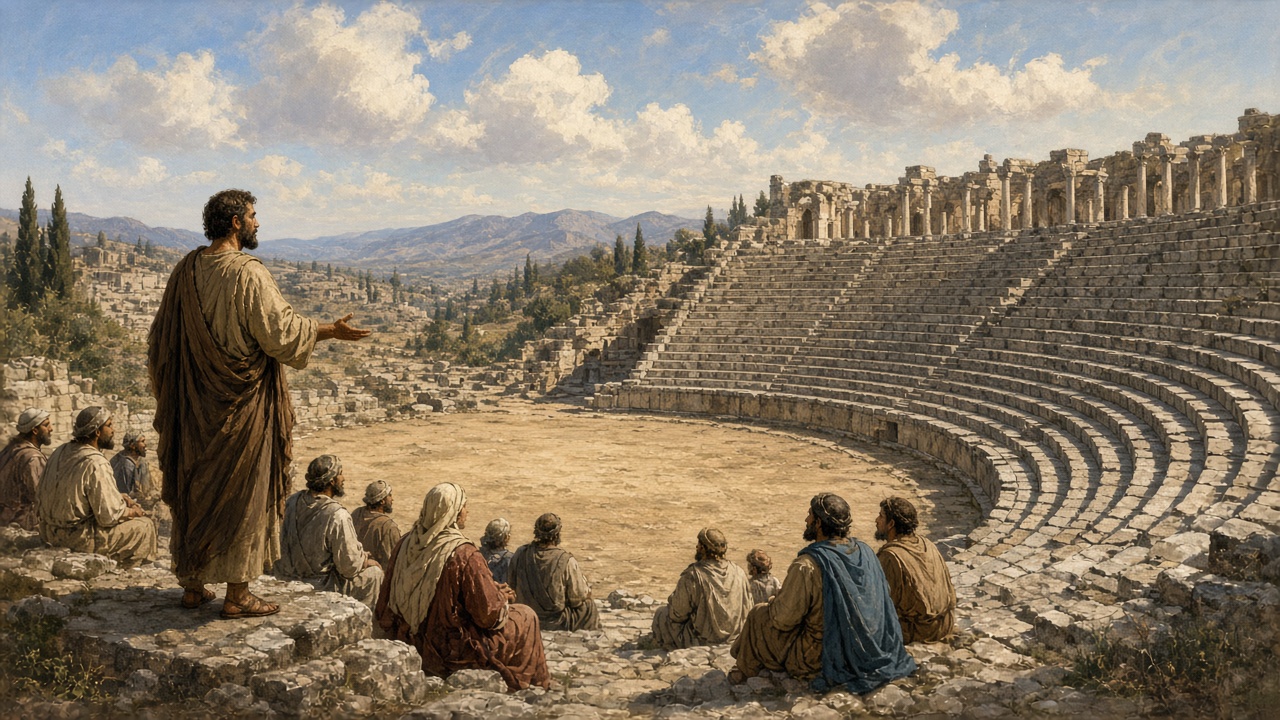
- Cuando este capítulo pregunta qué se ganó al luchar con fieras en Éfeso, nombra una ciudad que el Easton's Bible Dictionary llama capital del Asia proconsular, conocida por un teatro a cielo abierto —el más grande del mundo, capaz de albergar a 50.000 espectadores— donde se presentaban luchas de fieras y de hombres contra fieras.Fuentes: Ephesus · el propio texto bíblico
- El Easton's Bible Dictionary explica que Adán, palabra babilónica que significa rojo y el nombre común de hombre en hebreo y en asirio, fue el primer hombre, formado del polvo de la tierra, y por eso recibió ese nombre. Este capítulo retoma esa imagen: la muerte vino por medio de un hombre, el primer hombre era del polvo, y el último Adán es espíritu vivificante.Fuentes: Adam · el propio texto bíblico
- El Easton's Bible Dictionary (1897) identifica al Jacobo a quien Cristo se apareció después de la resurrección, como registra este capítulo, como hermano o pariente cercano de Jesús, también llamado Jacobo el Menor, y dice que después encabezó la iglesia en Jerusalén.Fuentes: James (Brother of Jesus) · el propio texto bíblico
Notas escritas con ayuda de IA a partir de fuentes abiertas (Theographic Bible Metadata, CC BY-SA 4.0; Easton’s Bible Dictionary, dominio público) y revisadas antes de publicarse.
Lugares de este capítulo
- Ephesus · 37.939, 27.341 · versículo 32
Solo aparecen lugares identificados con alta confianza (90 % o más según las fuentes académicas reunidas por OpenBible). Mapa de la época: DARE (Digital Atlas of the Roman Empire), CC BY 4.0; mapa actual: © colaboradores de OpenStreetMap; lugares: OpenBible.info (CC BY 4.0).
Créditos y licencia de esta traducción
Biblica® Baịbụlụ Nsọ nʼIgbo Ndị Ugbu a nke dịrị onye ọbụla ịgụ The Holy Bible in the Igbo language of Nigeria: Biblica® Baịbụlụ Nsọ nʼIgbo Ndị Ugbu a nke dịrị onye ọbụla ịgụ copyright © 2020 Biblica, Inc. Language: Igbo Contributor: Biblica, Inc. This work is made available under the Creative Commons Attribution-ShareAlike 4.0 International License (CC BY-SA). To view a copy of this license, visit http://creativecommons.org/licenses/by-sa/4.0 or send a letter to Creative Commons, PO Box 1866, Mountain View, CA 94042, USA. Biblica® is a trademark registered by Biblica, Inc., and use of the Biblica® trademark requires the written permission of Biblica, Inc. Under the terms of the CC BY-SA license, you may copy and redistribute this unmodified work as long as you keep the Biblica® trademark intact. If you modify a copy or translate this work, thereby creating a derivative work, you must remove the Biblica® trademark. On the derivative work, you must indicate what changes you have made and attribute the work as follows: “The original work by Biblica, Inc. is available for free at www.biblica.com and open.bible.” Notice of copyright must appear on the title or copyright page of the work as follows: Biblica® Baịbụlụ Nsọ nʼIgbo Ndị Ugbu a nke dịrị onye ọbụla ịgụ Ndị Biblica, Inc. degharịrị ya nʼafọ © 1980, 1988, 2019, 2020 Biblica® Open Igbo Contemporary Bible™ Copyright © 1980, 1988, 2019, 2020 by Biblica, Inc. “Biblica” bụ akara e ji mara ụlọ ọrụ a, nke edebanyere dịka iwu si kwado nʼụlọ ọrụ dị nʼobodo United States, ebe a na-enye akara a na ikike maka azụm ahịa ndị Biblica, Inc. Ọ bụ ha ka e nyere ikike idenye ya. “Biblica” is a trademark registered in the United States Patent and Trademark Office by Biblica, Inc. Used with permission. You must also make your derivative work available under the same license (CC BY-SA). If you would like to notify Biblica, Inc. regarding your translation of this work, please contact us at https://open.bible/contact-us. This translation is made available to you under the terms of the Creative Commons Attribution Share-Alike license 4.0. You have permission to share and redistribute this Bible translation in any format and to make reasonable revisions and adaptations of this translation, provided that: You include the above copyright and source information. If you make any changes to the text, you must indicate that you did so in a way that makes it clear that the original licensor is not necessarily endorsing your changes. If you redistribute this text, you must distribute your contributions under the same license as the original. Pictures included with Scriptures and other documents on this site are licensed just for use with those Scriptures and documents. For other uses, please contact the respective copyright owners. Note that in addition to the rules above, revising and adapting God's Word involves a great responsibility to be true to God's Word. See Revelation 22:18-19. 2023-04-12
Fuente: http://ebible.org/ibo/ · eBible.org