Hebreos 10
Hona Bible · Toca un versículo para ver sus referencias cruzadas.
Satakh Ƙǝrǝsti katǝra tal ni kee tǝƙǝm a heu
1Ngyahad ɗeleewar Musa nǝghǝn ƙǝla mishimnda ǝngya ni na ngga ɓalgha ɓayi a mbee, mbǝ kad ǝnggina ni ya wa. Nanǝn kee tsǝkkwa kala fingya na a ndusang Faara fa tsawa nda lǝlǝgɗa aten satakhkini na nda fǝra ka fad hurarha fa wa. 2A ndam na ngyahadɗi mbang, kam malang nda ǝna sataka. Hǝrǝmna nafiya na ɗǝfang shilee Faara teena ˈwanda teena tsau nda chahal, ɓalwa nda nggǝr numarha aten ɗimiyid ndan ɓalwa. 3Amma aten turya satakhkini ya, na ɗal ɗimiyirha in sǝ ka fad hura fa, 4ƙǝsǝr mbǝ tam ǝnarha hai far kwelya tǝ yi ˈwalya tsuthlang nda ɗimiyirha ɗǝ wa. 5Tsaunǝn kee, sayidɗi ɓana Ƙǝrǝsti hu ƙǝshiirha ɓa, ndǝghǝn, “Satakhkya tǝ ǝn fǝrya mbǝ midwasǝ wa, amma farha ndǝna a ngweerha fa tǝghǝn. 6Mba tǝk mbǝnda fa tǝ sataka yi njirha tǝ yi tsuwulth ɗimiyirha wa. 7Tǝrgha ndee, ‘Kulo nggi ya, Faara, ɓani ɓa a ǝna ˈya ni na midwa, ƙǝla nanǝn chichireethlee hai aten na ahu ngyakhrha.’” 8Katǝraghǝn ndaarha, “Satakhkya, tǝ ǝn fǝrya, tǝ satakhkya yi njirha, tǝ satakhkya yi tsuthlang nda ɗimiyirha ɗǝ, mbǝ midwa sǝ wa, mba tǝk mbǝndǝ ndan fa wa.” Ko nanǝn fǝrna ndan ƙǝsǝr ka ˈya ndana ngyakhrha. 9Tǝrgha ndǝghǝn, “Kulo nggi ya Faara, ɓani ɓa a ǝna ǝnɗani na midwa.” Ɗǝfanggǝn katǝra ɗǝfmee a man patu ɗǝ ka a ǝna taara nda tǝ yi sǝri. 10Ƙǝsǝr ka nggǝmnda Faara fa tsau ɗǝm chahal hu fǝrra satakh fad Yeeso Ƙǝrǝsti katǝra tal tǝ heu ƙǝm. 11Kala parra fara kala firis nǝn isha aten targhǝn, nǝn fǝr tur sataka tal mbuwa tam tsaɓang ɗimiyirha ɗǝ. 12Amma Ƙǝrǝsti fǝrɗǝ fadghǝn sataka katǝra tal yi kakwan, tǝrgha tsauka a yisǝmad Faara, 13ka a farɗi nǝghǝn a ƙǝla fatsanggighǝn fa na a tsawa nda a kamughǝn. 14Ƙǝsǝr ka fǝr sataka katǝra tal tsawang ɗǝ nafiya Faara a na nda chahal pakwanɗǝ. 15Sǝsǝna tǝpeɗǝnda ƙǝm fǝrɗǝ shedawa, ƙǝsǝr ndǝghǝn, 16“Yanɗiya ndǝna ɗǝfmiina niya ǝnarha tǝ kanda, a kwasamad sayidɗi, ndagha Chinǝm, niya ɗǝfang ngyahad na ahur ndan hai, tǝƙǝm chireethlǝng nggi hai ahu huten ndan.” 17Tǝrgha ndǝghǝn, “Mbi ɗal ɗimiyid ndan teena tǝ aiben ndan ɓal wa.” 18A chahang nda ɗimiyirha ɗǝ, ɓalwa satakh ɗimiyirha sǝ wa.
Taama ɗǝm mbeeɗǝ tǝ naarha tsau tǝ Faara fa
19Nanǝn kee, shayina, fǝrang far Yeeso kaali ƙǝm na a mbanggǝm ɗǝrha mbǝɗa ɗǝ na chahal. 20Ndǝghǝn inangga kwamana ƙǝm hai, ndǝna kwaman yibrha, tǝ shishamar ɗi thlǝwusgha, ndǝna fadghǝn. 21Nǝghǝm tǝ firis na manggǝn na a ǝna kutǝryirha hu wuri Faara, 22Nanǝn kee taama ndusǝm a thlǝmad Faara ɗǝ tǝ hura tsahai, tǝ hǝhasyirha ɓagha ɓa hu fǝrƙǝkafek. Tama tsawum tǝ hura chahal, nagha hur nǝm tsahai kula ǝn ˈyaara a fad nǝm, tǝ kǝm fad tsab ɗaɗǝ tǝ aama na ngga. 23Tama ƙǝs shiiten ɗa nǝm ha kula rǝbrha fa, fǝr nǝm shedawa tǝ shembe ƙǝsǝr niifɗi ɗǝfgha mee a ƙǝm nǝghǝn tǝ ƙǝkafek fa. 24Tama kaɗa kwamana nǝm na a ɗanggǝm ndan sǝ hu nggǝmnda tǝ ǝna tarya na ngga. 25A malang ɗǝm wumteena ƙǝla na fingya ǝnaarha wa. A meyedghǝn, taama fǝrang kaali nǝm ndan, ƙǝla sǝnnunsǝ takh far Chinǝm a nduwussa ɓa. 26A ɗǝɗǝm mbeeɗǝ tǝ ǝna ɗimiyid thlǝmǝn a kwasamadɗi wal nǝm sǝnda yi ƙǝkafek, mbǝ fǝr sataka sǝ takhka na a tsaɓanggǝn ɗimiyid nǝm ɗǝ wa. 27ˈYa takhka kee ƙǝl ƙǝla ngwa kumarha fa tǝ thlerra waarha na a njang nda fa sarya faara ɗǝ. 28Kala niifa kargha ngyakhrha Musa fa na nda a ɓǝlang nda kula haɗang nda fa, aten ˈya thlǝkna shedawaya sǝri nduwa mahan. 29Nafiya na a wal tsǝtsǝlla kaan ndǝna fingya kargha Wan Faara fa. Kanda ni nafiya ǝnagha ǝngya mbuwa chahal a far ɗǝfmiɗi tsawangga kanda chahal. Fingya ni ƙǝm sargha Sǝsǝna tǝ Peɗǝnda ɓangga nggayid Faara ɓa. Sǝnggunsǝ nafiya kiya kamɗǝ nagha tsǝtsǝllǝ ndan pak ma fingya fiya wa? 30Ƙǝsǝr sǝnɗǝm niifɗi ndagha, “Nggǝr haara mu yina ni, niya tiighǝn.” Nggǝrghǝn ndaarha, “Na Chinǝm a ngwang kumarha nafighǝn sǝ.” 31Ən tǝrǝm nda ni na a kyagha niifa hu har Faara hai na tǝ yibrha ha. 32Ɗalama teena hai tǝ tsawud ƙǝtǝm akwasamadɗi wal nun kukwaryid Faara. Ƙǝrǝs nun kaan hu yanda lǝghǝdgha tǝ sǝsaarha. 33Fara sǝmǝn na fiya a ˈyar kun sǝsangganda kun a mbed fiya. Fara sǝmǝn ƙǝm na nda wumang kun tǝ nafiya na a sa tur sǝsadɗa fa ya. 34Nuwun a sǝsaarha ƙǝla fingya na hu porsǝna, kun a kyad wutsǝfayirha akwasamadɗi thlang nanda karid nun, ƙǝsǝr sǝnɗun sǝ mbǝ ngaala sǝ wa nun a wal ƙǝnaghǝn na ngga yi pa kwanɗǝ. 35Nanǝn kee a muwang ɗun hǝhasyidɗa ɗǝ kyanun ya wa, ƙǝsǝr na ƙǝnaghǝn sǝ kaan. 36Kamɗǝ a ƙǝrsun nanǝnya, tǝnun ɗǝrha mbeeɗǝ tǝ ǝna ˈya na mid Faara. Nun a wal ǝnɗi ɗǝf nǝn miighǝn a kun. 37Ƙǝsǝr “takhƙǝn ngguchit, ndǝghǝn ndagha nǝghǝn ɓayi nǝn a ɓarhaɓa mbǝ a tsǝrha titing wa. 38Nafina na tǝ nggayirha fa na nda a tsaurha tǝ ƙǝkafek fa. Amma a wud niifa tal ahur ndan a samarha ɗǝ, mbi tǝk mbǝnda fa wa.” 39Amma kǝm mbǝghǝm ahur nafini na wutta samarha ɗǝ sakhɗa nda wa, ƙǝm nǝghǝm ahur nafini fǝrgha ƙǝkafek walgha hǝrǝkrha.
¿Sabías que…?
Un sacrificio ofrecido una vez para siempre
- La ley es llamada solo una sombra de las cosas buenas que han de venir. Los sacrificios repetidos año tras año, y la sangre de toros y cabras, se presentan como un recordatorio de los pecados para los adoradores, y no como algo que los quite; en contraste, el sacrificio del cuerpo de Jesucristo se describe como lo que santifica a las personas una vez para siempre.Fuentes: el propio texto bíblico
- A cada sacerdote se lo retrata de pie, día tras día, para ofrecer los mismos sacrificios, que jamás pueden quitar los pecados. Tras un solo sacrificio por los pecados, se dice que este Sacerdote se sentó a la derecha de Dios, y el capítulo habla de un camino nuevo y vivo hacia el Lugar Santísimo, a través del velo de su cuerpo.Fuentes: el propio texto bíblico
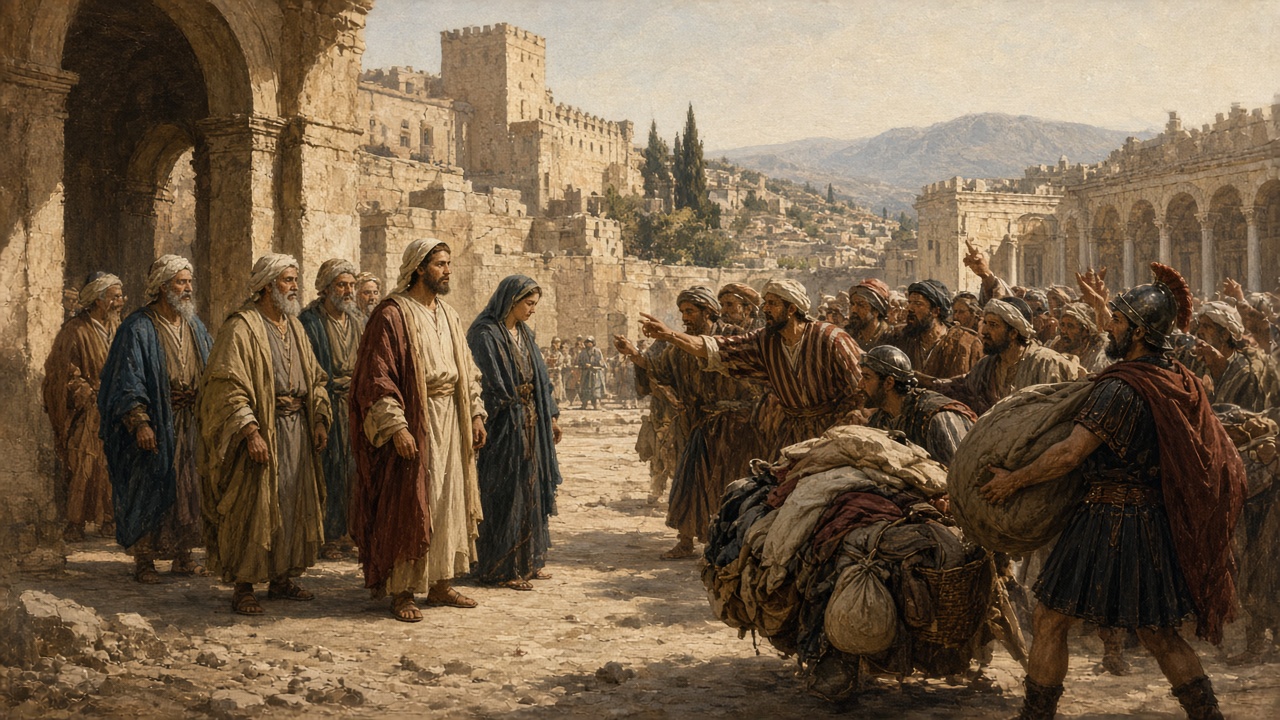
- Rechazar la ley de Moisés, dice el capítulo, acarreaba muerte sin misericordia por el testimonio de dos o tres testigos. Luego el texto recuerda un tiempo anterior en que los lectores soportaron el ridículo y la persecución públicos, permanecieron junto a quienes eran así tratados, se compadecieron de los que estaban en la cárcel y aceptaron con alegría la confiscación de sus bienes.Fuentes: el propio texto bíblico
Notas escritas con ayuda de IA a partir de fuentes abiertas (Theographic Bible Metadata, CC BY-SA 4.0; Easton’s Bible Dictionary, dominio público) y revisadas antes de publicarse.
Lugares de este capítulo
Solo aparecen lugares identificados con alta confianza (90 % o más según las fuentes académicas reunidas por OpenBible). Mapa de la época: DARE (Digital Atlas of the Roman Empire), CC BY 4.0; mapa actual: © colaboradores de OpenStreetMap; lugares: OpenBible.info (CC BY 4.0).
Créditos y licencia de esta traducción
Hona Bible
The New Testament in the Hwana language of Nigeria: Hona Bible
copyright © 2023 The Seed Company in collaboration with Language Developers and Bible Translators Association
Language: Hona (Hwana)
Contributor: Language Developers and Bible Translators
This translation is made available to you under the terms of the
Creative Commons Attribution Share-Alike license 4.0.
You have permission to share and redistribute this Bible translation in any format and to make reasonable revisions and adaptations of this translation, provided that:
You include the above copyright and source information.
If you make any changes to the text, you must indicate that you did so in a way that makes it clear that the original licensor is not necessarily endorsing your changes.
If you redistribute this text, you must distribute your contributions under the same license as the original.
Pictures included with Scriptures and other documents on this site are licensed just for use with those Scriptures and documents.
For other uses, please contact the respective copyright owners.
Note that in addition to the rules above, revising and adapting God's Word involves a great responsibility to be true to God's Word. See Revelation 22:18-19.
2025-07-18
Fuente: http://ebible.org/hwo/ · eBible.org