Hebreos 2
Hset Hadròeh · Toca un versículo para ver sus referencias cruzadas.
1Qmang aih, kiang bèn ep wèq ka cajap trong bèn khoe jah tàng, dôq ùh hìaq hìu đac taqnoeq. 2Majah qmang aih, tàng joq bàu da ƀình plình anoe aih khoe cajap cajình, cabô ùh iu ùh tiaq bàu aih khoe jah hnoq kan patem qmòe amat, 3tàng bèn toq patrò kan dèch kàn kaiq qmang aih, broq qmang leq bèn ma claih? kan dèch kô Chuaq anoe qnoh adroe, i mangai ma tàng, anoe panhìn hlài ka nhèn. 4Boc Plình hadai yŏc bàc trong bàc kan halac, yŏc kan tabàih dech enh Yiang Hadròeh axong tiaq manoh cla haq enh, đòeq hu panhìn ka wì aih.
IISa 2Sm 7:14 Thi Tv 104:4 Thi Tv 45:6, 7 Thi Tv 102:25-27
Jesus broq rađeh wìa kon mangai
5Qmang aih, crŏng taneh ma padon trùh nhèn ma qnang anoe kô, Boc Plình ùh đòeq haq oe enh qneq ka cwìang ƀình plình. 6Mahaq i ngai khoe doe rameh:
“Kon mangai kô ìq cleq, Chuaq ma hmàng trùh?
Kon mangai kô ìq cabô, Chuaq ma palàng?
7Chuaq khoe đòeq haq yi qneq ka ƀình plình toq biaq,
Pa kui am ka haq kui cadoh plình ranhòm lem
8Chuaq roh đòeq rìm yiniq enh qneq ka jènh haq”.
Boc Plình broq ka rìm yiniq dìq ep oe enh qneq ka Chuaq Jesus, qmang aih dôq ùh i mòeq cleq ùh iu haq, yàng manòeq kô bèn qnhòq hnoq rìm yiniq dìq iu haq. 9Mahaq Chuaq Jesus kô, ma khoe oe qneq ka ƀình plình toq biaq, bèn hnoq haq manòeq kô khoe jah pacui cadoh diac plình lem ranhòm, pàng haq khoe chìuq cachìt. Qmang aih, taiq kan tabàih da Boc plình, Chuaq Jesus majah khoe cachìt am rìm ngai.
10Joq Boc plình la mangai ma rìm yiniq ngeà diq ta haq rai canòm ka haq, pàng enh aràng bàc ngai kon trùh ta kan qngah qngai, aih haq broq joq khoe troq jò haq broq ka Chuaq Jesus aih xèm kan dèch da wì kon aih, jah gêh geo ajang kan chìuq xalep. 11Qmang aih, Mangai ma broq ka hadròeh xam mangai jah hadròeh, aih dìq loh enh mòeq Baq raq. Aih ìq, Chuaq Jesus majah ùh camaih ka creo ka wì aih oh daq, 12jò Haq doe:
“Au jah anoe yiniq Ìh ka oh daq au,
Oe taqne Tagop au calêu manè Ìh”.
13Haq doe hòm: “Au hataq rađeh ka Chuaq. Èh hòm:
“Kô au xam ƀài kon Boc Plình ma khoe am ka au”
14Qmang aih, taiq wì kon i xech i mahim dài cla Chuaq Jesus majah hadai waq ka i qmang aih diq, đòeq jò cachìt, haq jah raliang đac mangai ma wèq cwìang kan cachìt aih Satan, 15rai paclaih am ka rìm ngai taiq crè ka kan cachìt dài majah ep broq đeh hapŏng lùch ka qnhòng. 16Joq qnàng, haq trùh ùh xài đòeq hu wiang ka ƀài ƀình plình, mahaq đòeq hu wiang ka nang noe da Apraham, 17Aih ìq, dài rìm trong haq majah ep broq tìah dèh ka oh daq, đòeq enh ngèa Boc Plình jah wìa Pajàu haqnhèq, loq ha-och, ùh tablòq manoh, đòeq cachìt ka yiniq lui da kon mangai. 18Pàng cla haq khoe chìuq nanxa ta kan padô qnùt, dài haq majah i cwìang dèch ƀài mangai jò wì glàm kan padô qnùt.
¿Sabías que…?
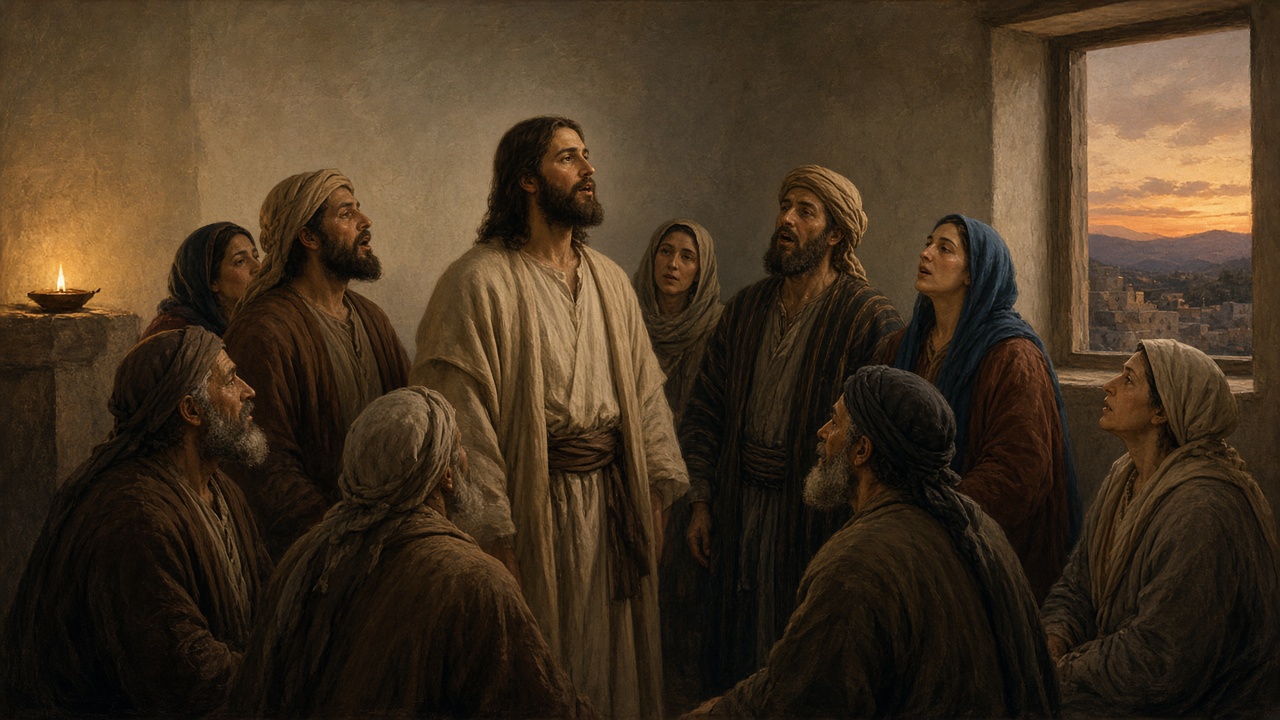
Compartiendo la humanidad, coronado por el sufrimiento
- Hebreos 2 recuerda que el mensaje hablado por ángeles era obligatorio y que toda transgresión y desobediencia recibió su justo castigo, y luego pregunta cómo podrá escapar quien descuide una salvación tan grande. Esa salvación fue anunciada primero por el Señor, confirmada a nosotros por quienes lo oyeron y afirmada por Dios mediante señales, prodigios, diversos milagros y dones del Espíritu Santo repartidos según su voluntad.Fuentes: el propio texto bíblico
- El capítulo cita un testimonio de que el hombre fue hecho un poco menor que los ángeles, coronado de gloria y honra, con todo puesto bajo sus pies. Cuando Dios le sometió todas las cosas, nada dejó fuera de su control; sin embargo, en el presente no vemos todo sujeto a él. Jesús, hecho un poco menor que los ángeles, ahora es coronado de gloria y honra porque sufrió la muerte, para que por la gracia de Dios probara la muerte por todos.Fuentes: el propio texto bíblico
- Hebreos 2 dice que Jesús no socorre a los ángeles, sino a los descendientes de Abraham, y que tuvo que ser hecho semejante a sus hermanos en todo, para llegar a ser un sumo sacerdote misericordioso y fiel al servicio de Dios, a fin de hacer expiación por los pecados del pueblo. Abraham, hijo de Taré, es llamado padre de una multitud y descrito como el heredero de las promesas.Fuentes: el propio texto bíblico · Abraham
Notas escritas con ayuda de IA a partir de fuentes abiertas (Theographic Bible Metadata, CC BY-SA 4.0; Easton’s Bible Dictionary, dominio público) y revisadas antes de publicarse.
Créditos y licencia de esta traducción
Hset Hadròeh
The New Testament in the Hre language of Vietnam, translated by Baq Thi
Copyright © 2024 Baq Thi
Language: (Hre)
This translation is made available to you under the terms of the
Creative Commons Attribution Share-Alike license 4.0.
You have permission to share and redistribute this Bible translation in any format and to make reasonable revisions and adaptations of this translation, provided that:
You include the above copyright and source information.
If you make any changes to the text, you must indicate that you did so in a way that makes it clear that the original licensor is not necessarily endorsing your changes.
If you redistribute this text, you must distribute your contributions under the same license as the original.
Pictures included with Scriptures and other documents on this site are licensed just for use with those Scriptures and documents.
For other uses, please contact the respective copyright owners.
Note that in addition to the rules above, revising and adapting God's Word involves a great responsibility to be true to God's Word. See Revelation 22:18-19.
2026-07-18
Fuente: http://ebible.org/hrebt/ · eBible.org