Génesis 8
Hset Hadròeh · Toca un versículo para ver sus referencias cruzadas.
Dìq ka diac kàn.
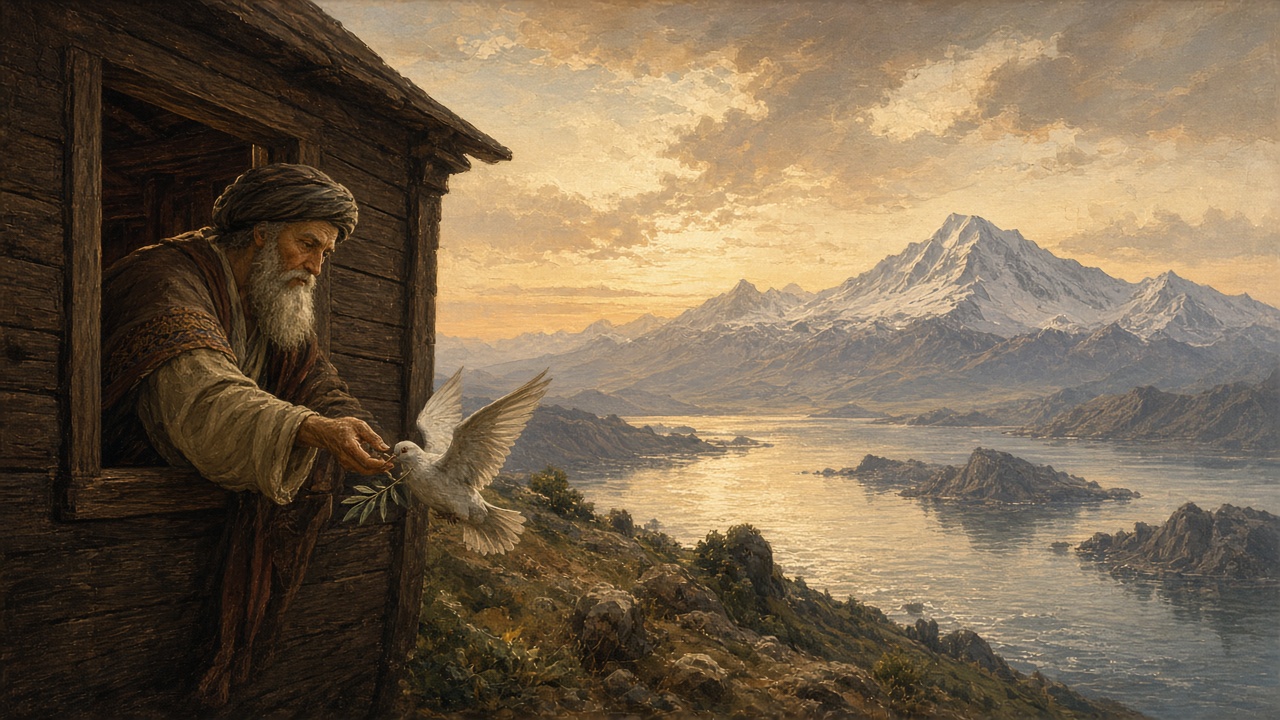
1Mahaq Boc Plình hmàng hlài ka Nô-ê xam ƀài ngè ma oe ta boang ti haq enh ngè ma rìh tagùng brì xam ngè ma aban ta hnim, haq hi thê cayeo hlui ta taneh, aih diac hi talùi. 2Ƀài tamŏc diac ta kòe jrùq xam ƀài đàp diac ta trŏc hi jah clenh hlài; mè pi clìh hòm ta taneh. 3Diac talùi yen da adia ta taneh, rai xot rai talùi; ta mòeq hrinh padam jàt hì diac men racòch. 4Trùh khê tapèh, hì mòeq jàt tapèh boang hi tài ta wang Ararac. 5Diac xot ka adia trùh khê mòeq jàt; hì mòeq da khê aih, ƀài bui wang men hi hnoq.
6Jah pôn jàt hì, Nô-ê pèh qmŏc gàu đeh ma broq ta boang, 7caqnaih mòeq toq ac; ac gliang lam gliang hlài trùh jò diac xot croh ta taneh. 8Haq hadai caqnaih mòeq toq trù, đòeq hu qnhro ngan diac khoe yeo xot qnhòq. 9Mahaq trù chaq ùh jah qmòe ajang leq đòeq hu jràp, trù hi pan hlài ta boang ti haq, majah qmang aih diac oe raq jàp jìa ta crŏng taneh. Nô-ê hnhu tì rùp trù, qmùt hlài ta boang ti rađeh. 10Khoe aih gòm tam tapèh hì, haq hi caqnaih trù loh enh gùng hòm; 11trùh di xèq trù hlài ta haq, meh oq, ajang mung haq wê ahlài moeq hadrang hla ôliu rìh; Nô-ê loq diac khoe yeo xot ta taneh. 12Gòm tam tapèh hì hòm, haq hi caqnaih trù; mahaq yàng kô trù pi wìh hlài ta haq hòm.
13Wop hanam tadràu hrinh qnhòng da Nô-ê, hì mòeq khê mòeq diac khoe xot loh taneh srênh; Nô-ê pèh kùa po boang hu ngan, kô tanheh khoe gang. 14Trùh khê baiq, hì baiq jàt tapèh, taneh khoe croh.
Nô-ê loh enh boang …
15Boc Plình doe ka Nô-ê rameh: 16Loh khoe ka boang beq, ìh, mai ìh, ƀài kon ìh xam ƀài mai wì haq. 17Drah caqnaih qnoh dŏng ƀài ngè rìh i xech akia ma khoe oe ti ìh, enh ƀài chìm trùh ƀài ngè rìh ta rôm wang, ƀài ngè ma loq pan moq ta taneh, dôq wì haq hu xêh đòeq jah rai èh rai bàc tam ta taneh. 18Qmang aih Nô-ê xam mai haq, ƀài kon calô haq xam ƀài kon mai haq loh khoe ka boang.
Nô-ê dèch ramènh bùh …
20Nô-ê broq mòeq toq prang tadreo ka Jêhowa. Haq rùp ƀài ngè ban ma hadròeh, ƀài chìm ma hadròeh, padon ƀài ramènh bùh aih taprang tadreo đòeq dèch ka Jêhowa. 21Jêhowa hìt yŏc kan xua thùm aih rai hèm ta manoh: “Au pi taiq kon mangai đòeq hu ra-òh hamaiq ka taneh hòm, majah qmang aih manoh da kon mangai dua qmòeq enh jò oe qyoh, au xôq pi baxa ƀài ngè rìh qmang ka ma khoe broq hòm. 22Waq toq taneh oe i, aih èh oe i jò rai adrech xam jò gat, tanget xam tôq, jò pađang xam jò ralìm, dahì xam damang, ùh jò leq lùch.
¿Sabías que…?
Las aguas retroceden
- El arca se detuvo sobre los montes de Ararat, nombre que significa “tierra sagrada” o “tierra alta” y designa un país en cuyas montañas el arca reposó después del diluvio. El Easton's Bible Dictionary (1897) sugiere que esos montes eran, probablemente, la cordillera kurda del sur de Armenia, aunque el nombre también se aplica comúnmente a un pico alto y casi inaccesible que se alza desde la llanura del Araxes. En 2 Reyes 19:37 e Isaías 37:38, la Authorized Version traduce el nombre como “Armenia” y la Revised Version como “tierra de Ararat”, mientras que Jeremías 51:27 lo usa para la Armenia central o meridional.Fuentes: Ararat · el propio texto bíblico
- El nombre hebreo de Noé significa “descanso”, y en este capítulo la propia arca llega a reposar mientras bajan las aguas. Era hijo de Lamec y nieto de Matusalén, y padre de Sem, Cam y Jafet. El Easton's Bible Dictionary lo describe como el vínculo entre el mundo antiguo y el nuevo, y como un segundo gran progenitor de la familia humana.Fuentes: Noah · el propio texto bíblico
- Unas notas cronológicas sitúan el Gran Diluvio en 2347 a. C., con una duración de un año; el descenso de las aguas en 2346 a. C., a lo largo de 220 días; y la salida del arca en 2346 a. C., en un solo día. En el propio capítulo, las aguas ya han bajado después de 150 días y el arca reposa el día diecisiete del mes séptimo; el día primero del mes primero del año seiscientos uno de Noé las aguas se han secado, y para el día veintisiete del mes segundo la tierra está completamente seca.Fuentes: The Great Flood · The flood subsides · Leaving the Ark · el propio texto bíblico
Notas escritas con ayuda de IA a partir de fuentes abiertas (Theographic Bible Metadata, CC BY-SA 4.0; Easton’s Bible Dictionary, dominio público) y revisadas antes de publicarse.
Lugares de este capítulo
- Ararat · Hoy: Urartu · 39.703, 44.300 · versículo 4
Solo aparecen lugares identificados con alta confianza (90 % o más según las fuentes académicas reunidas por OpenBible). Mapa de la época: DARE (Digital Atlas of the Roman Empire), CC BY 4.0; mapa actual: © colaboradores de OpenStreetMap; lugares: OpenBible.info (CC BY 4.0).
Créditos y licencia de esta traducción
Hset Hadròeh
The New Testament in the Hre language of Vietnam, translated by Baq Thi
Copyright © 2024 Baq Thi
Language: (Hre)
This translation is made available to you under the terms of the
Creative Commons Attribution Share-Alike license 4.0.
You have permission to share and redistribute this Bible translation in any format and to make reasonable revisions and adaptations of this translation, provided that:
You include the above copyright and source information.
If you make any changes to the text, you must indicate that you did so in a way that makes it clear that the original licensor is not necessarily endorsing your changes.
If you redistribute this text, you must distribute your contributions under the same license as the original.
Pictures included with Scriptures and other documents on this site are licensed just for use with those Scriptures and documents.
For other uses, please contact the respective copyright owners.
Note that in addition to the rules above, revising and adapting God's Word involves a great responsibility to be true to God's Word. See Revelation 22:18-19.
2026-07-18
Fuente: http://ebible.org/hrebt/ · eBible.org