Gálatas 5
Hset Hadròeh · Toca un versículo para ver sus referencias cruzadas.
Mangai tiaq Chuaq khoe jah paclaih
1Christ khoe paclaih đoèq bèn pi broq dìc, qmang aih drah yòng ma cajap, apaq dôq rađeh oe enh qneq ka long ech hapŏng dìc hòm. 2Au kô Phaulô au doe ka pì oh daq, tàng oh daq broq ramènh kat akia, aih èh Christ ùh i lòeq cleq ka pì hòm. 3Au doe ka mangai ma broq ramènh kat akia, wì haq ep wèq dìq dŏng ka ranenh. 4Tàng pì dìq enh canòm ka ranenh đòeq hujah kan taq atoq, qmang aih oh daq khoe talah enh gùng ka Christ, khoe hnhung kan tabàih. 5Da nhèn aih, canòm manoh lùi xam Yiang Hadròeh nhèn men jah tangèh gòm kan taq atoq. 6Majah qmang aih, enh dalam ka Chuaq Jesus Christ, yac kat akia, yac ka ùh, dìq baiq ùh i loh cleq, toq manoh lùi abroq enh dalam kan loq waq ma aih ma joq i loèq joq qnàng.
7Oh daq rabiaq ka cadàu, cabô khoe khech tàt ùh am oh daq iu tiaq trong joq qnàng? 8Kan baxrùq aih ùh loh enh Mangai ma creo ka oh daq. 9Toq xit blo broq rèu dŏng ka cađap dàc. 10Enh dalam ka Chuaq, manoh au lùi qmang kô, oh daq ùh baiq manoh, mahaq mangai ma broq ka oh daq loh ka rawè, ùh dèh ka cabô, haq aih jah pòq dèh kan baxa aih. 11Wùih oh daq, tàng joq au oe raq hnài trong ramènh kat akia, hagleq wì ma oe ti chaq rùp au? Tàng joq qmang aih, long pagat ma oe xài kan catoeh? 12Au ngèh dìq dŏng ƀài mangai ma rai kan rawè taqne oh daq, wì haq pot đac rađeh aih yi ùh hnau hòm!
Plì da Yiang Hadròeh
13Dìq ka pì oh daq da au, khoe jah creo trùh ta kan pi tawac, mahaq apaq yŏc kan pi tawac aih hu broq nen đòeq hu rìh tiaq xech akia, mahaq drah yŏc manoh cliac loq waq đòeq broq hapŏng dabau. 14Majah qmang aih, dìq dŏng ka ranenh yùp hlài ta mòeq bàu kô “Ìh ep loq waq ka mangai haten hatìa qmang ka cla. 15Mahaq tàng oh daq hit qnhah dabau, ep ngan oq, yùq èh mangai kô loq cachìt ka mangai tau.
16Aih au majah doe: Drah cadiang tiaq Yiang Hadròeh, apaq pagêh tiaq trong xech akia ma enh. 17Majah qmang aih, xech akia i dèh manoh enh crài ka trong Yiang Hadròeh enh, Yiang Hadròeh enh trong crài ka trong xech akia enh, wa tablòq ka dabau qmang aih, dài oh daq majah ùh khòh broq tiaq trong đeh enh broq. 18Mahaq tàng oh daq canòm ka Yiang Hadròeh ajèn qnung, aih ùh hìaq oe enh qneq ka ranenh.
19Yiniq broq da xech akia aih hnoq qmòe a mat: Taqnong tango, trong ùh sròeh, kan manhài, 20kùh waiq radua qmù, wê canàih, tagit, tablêq, tarènh, tanòeh, talech, ùh hatroq ka dabau, lah đac dabau, 21da khwàiq, bù bia, plai toq ka acaq xam bàc yiniq qnoeq hatìah qmang aih. Au anoe adroe ka oh daq qmang ka au ma khoe doe: Mangai leq broq ƀòe yiniq qmang aih, haq aih ùh jah waq diac Boc Plình.
22Mahaq plì da Yiang Hadròeh aih: Loq waq, lem bùi, catèm, loq kèm, laq alàng, khun khauq, ùh tabòq manoh, tabat, loq amàn. 23Ùh i ranenh leq ma ùh lòh ƀài trong aih. 24Ƀài mangai oe ti Chuaq Jesus Christ khoe tiang đình dèh xech akia xam kan tango anang talong pagat. 25Tàng bèn rìh canòm ka Yiang Hadròeh, aih hadai ep cadiang tiaq Yiang Hadròeh.
26Apaq cadàu chaq bang tìang ùh loh cleq ta qnhòng kô đòeq hu dakhwàiq rai tagit dabau.
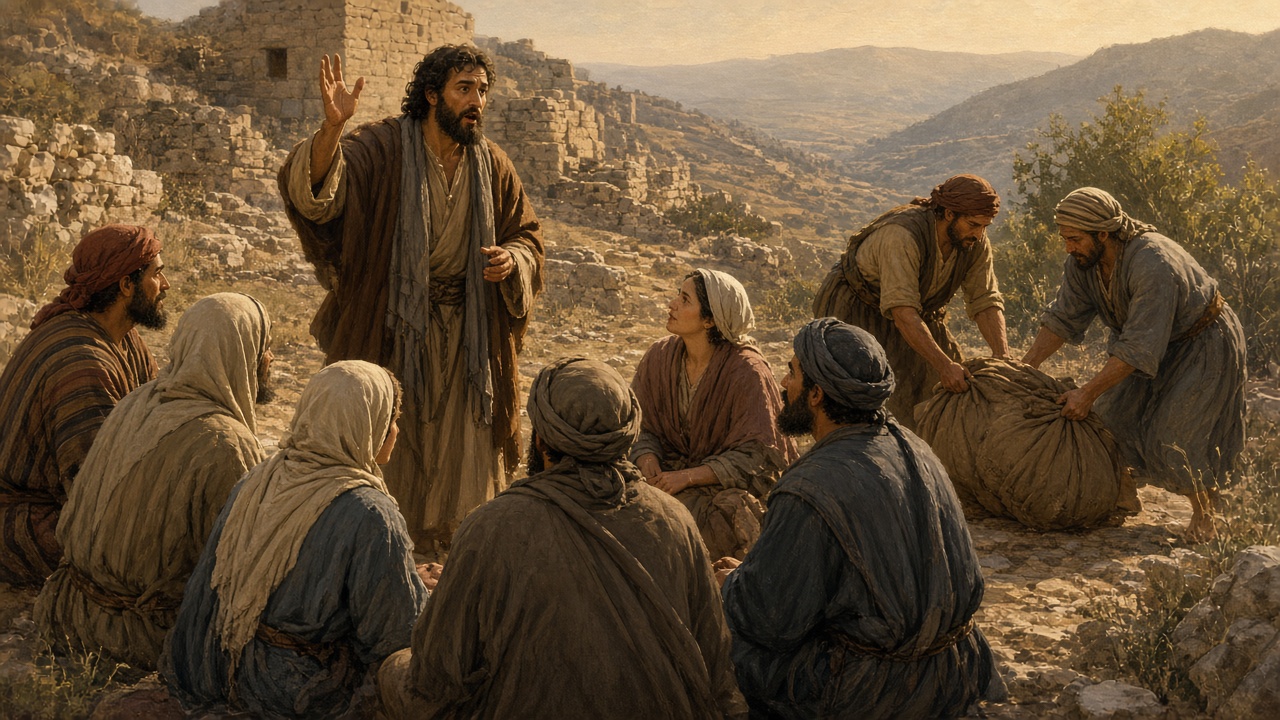
¿Sabías que…?
La libertad, la ley y el Espíritu
- Quien habla se identifica como Pablo y advierte que, si aquellos a quienes se dirige se dejan circuncidar, Cristo no les valdrá de nada, y que todo hombre que se hace circuncidar queda obligado a cumplir toda la ley. Un relato biográfico dice que el nombre de circuncisión de Pablo era Saulo y que el nombre Pablo probablemente le fue dado en la infancia para usarlo en el mundo de los gentiles, mientras que Saulo sería el nombre hebreo que usaría en casa.Fuentes: el propio texto bíblico · Paul
- La libertad se contrapone a un yugo de esclavitud: el capítulo dice que Cristo los ha libertado y les manda mantenerse firmes y no volver a quedar cargados con ese yugo. Fueron llamados a la libertad, no como una oportunidad para la carne, sino para servir unos a otros en amor, y toda la ley se cumple en el único precepto de amar al prójimo como a uno mismo.Fuentes: el propio texto bíblico
- Andar por el Espíritu se contrasta con satisfacer los deseos de la carne, que se oponen entre sí. Si las personas son guiadas por el Espíritu, no están bajo la ley; el capítulo enumera las obras de la carne y el fruto del Espíritu, y dice que contra tales cosas no hay ley.Fuentes: el propio texto bíblico
Notas escritas con ayuda de IA a partir de fuentes abiertas (Theographic Bible Metadata, CC BY-SA 4.0; Easton’s Bible Dictionary, dominio público) y revisadas antes de publicarse.
Créditos y licencia de esta traducción
Hset Hadròeh
The New Testament in the Hre language of Vietnam, translated by Baq Thi
Copyright © 2024 Baq Thi
Language: (Hre)
This translation is made available to you under the terms of the
Creative Commons Attribution Share-Alike license 4.0.
You have permission to share and redistribute this Bible translation in any format and to make reasonable revisions and adaptations of this translation, provided that:
You include the above copyright and source information.
If you make any changes to the text, you must indicate that you did so in a way that makes it clear that the original licensor is not necessarily endorsing your changes.
If you redistribute this text, you must distribute your contributions under the same license as the original.
Pictures included with Scriptures and other documents on this site are licensed just for use with those Scriptures and documents.
For other uses, please contact the respective copyright owners.
Note that in addition to the rules above, revising and adapting God's Word involves a great responsibility to be true to God's Word. See Revelation 22:18-19.
2026-07-18
Fuente: http://ebible.org/hrebt/ · eBible.org