Éxodo 6
Hset Hadròeh · Toca un versículo para ver sus referencias cruzadas.
Boc Plình tèu bàu đòeq dèch mangai Isorali.
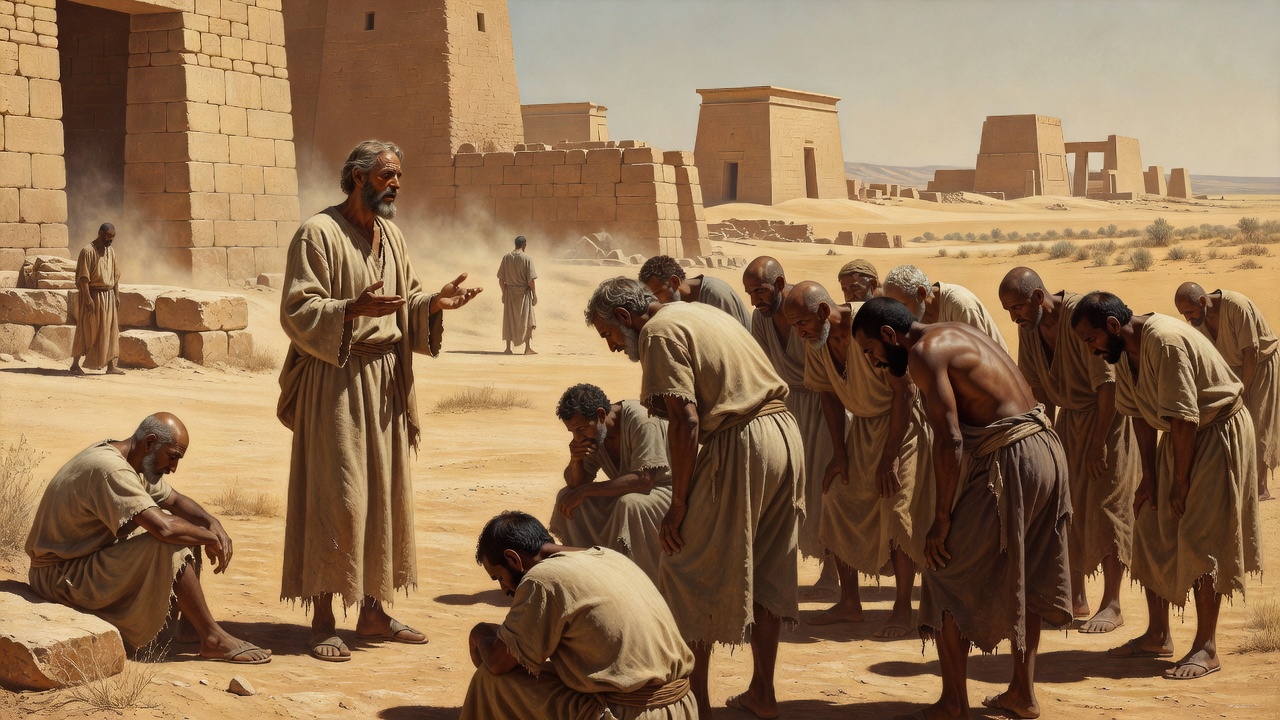
1Chuaq Jêhowa doe ka Môise rameh: Manòeq kô ìh ngan trong au ma hu baxa Phara-ôn; yŏc tì kŏng i cwìang rìm trong đòeq panan bùa aih hu caqnaih rai hnan mangai Isorali loh khoe dèh ka gùng haq. 2Boc Plình doe tam ka Môise: Au kô raq Jêhowa. 3Au khoe loh ti Apraham, ti Ysac, xam Jacôp, mahnu rađeh kô raq Boc Plình i cwìang rìm trong; mahaq yiniq da au la Jêhowa aih au qnhòq lah mahnu ka wì haq loq. 4Au hadai i broq tajao ti wì haq, đòeq hu am taneh Cana-an, aih la gùng wì haq khoe oe đeh tìah taiq ka mangai diac qnoeq. 5Au hadai khoe tàng bàu creo dang da mangai Isorali majah qmang aih mangai Êdip khoe rùp wì haq broq hapŏng dìc, aih au hmàng trùh dèh tajao. 6Qmang aih, ìh anoe ka Isorali rameh: Au kô raq Jêhowa, kô èh au jah lêh caqnaih pì khoe ka long ech da mangai Êdip ma khoe taqmòq ka pì; hadai doeh pì khoe ka broq hapŏng dìc; au bahnhuh dèh kŏng, yŏc kan hadrah kàn đòeq baxon yŏc hlài pì. 7Kô èh au yŏc pì broq mangai da au, èh au broq Boc Plình pì, aih èh pì jah loq Au kô raq Jêhowa Boc Plình pì, khoe caqnaih pì khoe ka kan trap da mangai Êdip. 8èh au qnung pì mùt tagùng au ma khoe hapah đòeq tèu am ka Apraham, ka Ysac, ka Jacôp, hu am ka pì broq kùng hang: Au kô raq Jêhowa. 9Môise anoe hlài wop qmang aih ka mangai Isorali, mahaq taiq kan mangò kàn èh taiq kan trap da mangai broq đeh hapŏng dài wì haq majah ùh ùh lòm tamàng bàu Môise. 10Chuaq Jêhowa doe ka Môise rameh: 11Lam beq! anoe ka Phara-ôn bùa Êdip, ep caqnaih mangai Isorali loh khoe ka gùng haq. 12Mahaq Môise anoe ka Jêhowa rameh: Ngan, au kô ùh xài mangai rabiaq hacùng bàu, mangai Isorali ùh waq tàng bàu au, loq ka Phara-ôn ma waq tamàng au qmòh?. 13Chuaq Jêhowa doe hòm ka Môise xam Arôn, thê wa ep lam trùh ti mangai Isorali xam Phara-ôn bùa Êdip, đòeq hu qnoh mangai Isorali loh khoe ka gùng Êdip.
Xinoe da Rubên …
14Kô gàu da ƀài hadròng hadrech da mangai Isorali. Ƀài kon calô da Ruƀên, aih la kon calô ramua da Isorali: Hênoc, Phalu, Hêtrôn, Katmi. Aih la ƀài hadrech da Ruƀên.
Xinoe da Simê-ôn.
15Ƀài kon calô da Simê-ôn aih la: Jêmu-ên, Jamin, Ôhat, Jakin, Xôha, xam Saulo aih la kon da mai mangai gùng Cana-an. Aih ƀài hadròng hadrech da Simê-ôn.
Xinoe da Lêwi, kan cadraq da Môise xam Arôn…
16Kô yiniq da ƀài kon calô da Lêwi, tiaq tang hadròng da wì haq: Getsôn, Kêhat, Mêrari. Lêwi halình jah moeq hrinh piq jàt tapèh hanam. 17Ƀài kon calô da Getsôn tiaq deh tang hadròng: Lipni, Simê-i. 18Ƀài kon calô da Kêhat: Amram, Jitsêƀa, Hêprôn xam Uxi-ên. Kêhat rìh jah mòeq hrinh piq jàt piq hanam. 19Ƀài kon calô da Mêrari aih la: Macli xam Musi. Aih la ƀài hadròng hadrech da Lêwi tiaq tang hadròng hadrech da wì haq.
20Amram yŏc Jôkebêt aih dùch haq, broq mai; mangai aih ha-uang ka haq Arôn xam Môise. Amram halình jah mòeq hrinh piq jàt tapèh hanam. 21Ƀai kon calô da Jitsêha aih la: Kôrê, Nêphêt, xam Xiacri. 22Ƀài kon calô da Uxi-ên aih la: Misa-ên, Ênsaphan xam Sicri. 23Arôn yŏc Êliseƀa, kon cadrì da Aminađap, oh Nahasôn; mangai cadrì aih ha-uang ka haq Nađap, Abihu, Êlê-asa xam Ythama. 24Ƀài kon clô da Kôrê aih la: Êncana xam Abi-asap. Aih la ƀài adrech da mangai Kôrê.
25Êlê-asa kon calô da Arôn yŏc kon cadrì da Phuti-ên broq mai; mangai cadrì aih ha-uang loh Phinê-a ka haq. Aih la ƀài gàu gùc ta cadraq mangai Lêwi, tiaq dèh tang hadròng.
26Aih! Arôn xam Môise, aih la mangai Chuaq Jêhowa ma khoe thê: Drah qnoh mangai Isorali, tiaq tang ƀình lình hu loh khoe ka gùng Êdip. 27Wa aih raq mangai ma doe ka Phara-ôn, bùa Êdip, đòeq qnung mangai loh khoe ka gùng aih. Aih Môise xam Arôn kô raq.
28Qmang aih, ta hì Jêhowa ma anoe ka Môise tagùng Êdip, 29aih Haq i doe rameh: Au kô raq Jêhowa, ìh ep doe hlài ka Phara-ôn, bùa Êdip dìq dŏng rìm nà bàu au ma padon anoe ka ìh. 30Môise padreo bàu: Au kô mangai capoch hi raqmàp, wìa ka Phara-ôn ma waq tamàng au qmòh
¿Sabías que…?
Yo soy el SEÑOR
- En Éxodo 6, Dios le dice a Moisés que él es el SEÑOR, y que se apareció a Abraham, a Isaac y a Jacob como Dios Todopoderoso, pero no se dio a conocer a ellos por el nombre el SEÑOR. Él recuerda el pacto de darles la tierra de Canaán, donde habían vivido como extranjeros. El Diccionario Bíblico de Easton (1897) dice que el nombre Canaán significa las tierras bajas y que, en tiempos de Moisés y de Josué, designaba todo el país al oeste del Jordán y del mar Muerto.Fuentes: el propio texto bíblico · Canaan
- Una lista familiar identifica entonces a los hombres encargados de sacar a los israelitas de Egipto: Leví, tercer hijo de Jacob con Lea, cuyo nombre se vincula a la palabra hebrea de ella que significa unido, y los hijos de Leví, Gersón, Coat y Merari. Leví vivió 137 años, y Coat, padre de Amram, vivió 133; Amram se casó con la hermana de su padre, Jocabed, hija de Leví, y ella dio a luz a Aarón y a Moisés. Aarón, el hermano mayor, nació en Egipto tres años antes que Moisés y se casó con Elisabet, hija de Aminadab, de la casa de Judá.Fuentes: el propio texto bíblico · Levi (patriarch) · Kohath · Aaron
- Moisés y Aarón son enviados a hablar con el faraón, rey de Egipto. El Diccionario Bíblico de Easton (1897) dice que el faraón del Éxodo fue probablemente Menephtah I, el decimocuarto hijo y el mayor de los sobrevivientes de Rameses II, quien residía en Zoán, donde tuvieron lugar esas entrevistas. Esa entrada aún deja abierto si Seti II o su padre Menephtah fue ese faraón, y señala que algunos creen que las evidencias favorecen a Seti II.Fuentes: el propio texto bíblico · Pharaoh (of the Exodus)
Notas escritas con ayuda de IA a partir de fuentes abiertas (Theographic Bible Metadata, CC BY-SA 4.0; Easton’s Bible Dictionary, dominio público) y revisadas antes de publicarse.
Lugares de este capítulo
- Canaan · 32.767, 35.333 · versículo 4
- Egypt · 30.129, 31.308 · versículos 6, 7, 11, 13, 26, 27, 28, 29
Solo aparecen lugares identificados con alta confianza (90 % o más según las fuentes académicas reunidas por OpenBible). Mapa de la época: DARE (Digital Atlas of the Roman Empire), CC BY 4.0; mapa actual: © colaboradores de OpenStreetMap; lugares: OpenBible.info (CC BY 4.0).
Créditos y licencia de esta traducción
Hset Hadròeh
The New Testament in the Hre language of Vietnam, translated by Baq Thi
Copyright © 2024 Baq Thi
Language: (Hre)
This translation is made available to you under the terms of the
Creative Commons Attribution Share-Alike license 4.0.
You have permission to share and redistribute this Bible translation in any format and to make reasonable revisions and adaptations of this translation, provided that:
You include the above copyright and source information.
If you make any changes to the text, you must indicate that you did so in a way that makes it clear that the original licensor is not necessarily endorsing your changes.
If you redistribute this text, you must distribute your contributions under the same license as the original.
Pictures included with Scriptures and other documents on this site are licensed just for use with those Scriptures and documents.
For other uses, please contact the respective copyright owners.
Note that in addition to the rules above, revising and adapting God's Word involves a great responsibility to be true to God's Word. See Revelation 22:18-19.
2026-07-18
Fuente: http://ebible.org/hrebt/ · eBible.org