Éxodo 3
Hset Hadròeh · Toca un versículo para ver sus referencias cruzadas.
Boc Plình loh ti Môise ta xèm yila cheo...
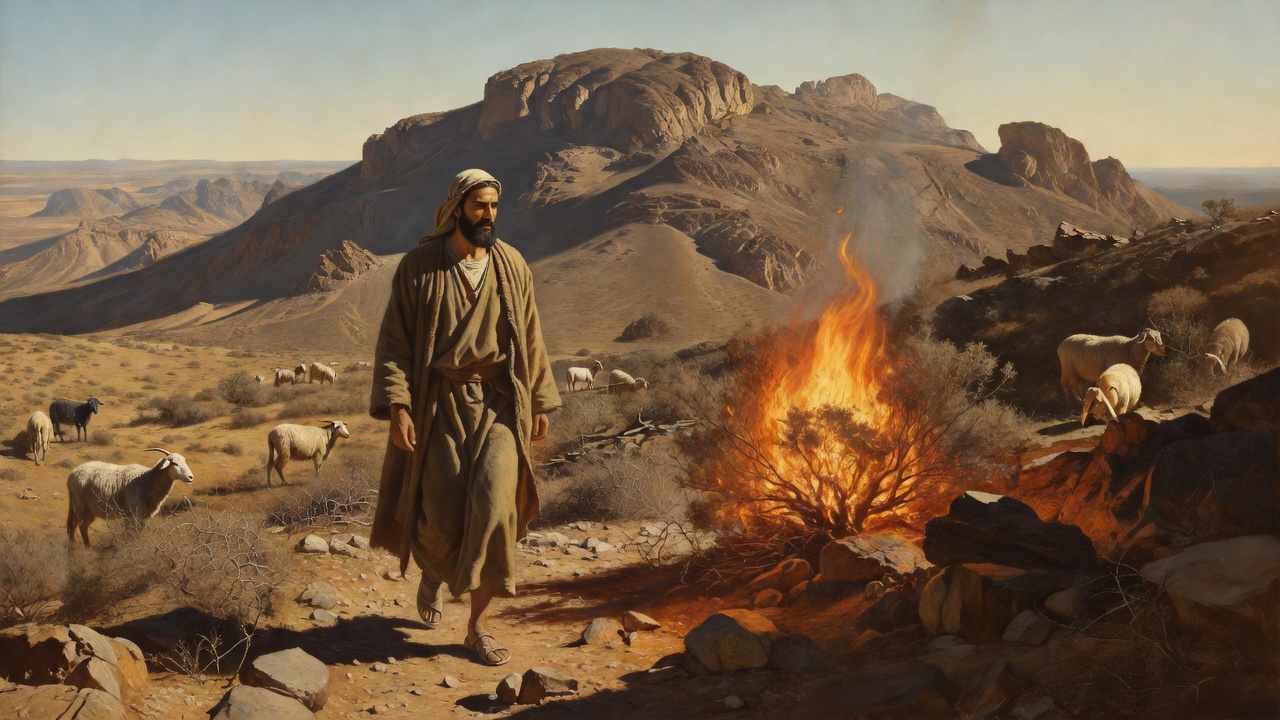
1Manòeq kô Môise ban trìu ka Jêtrô, baq mai haq, aih la pajàu da gùng Mađi-an, tiaq calùh trìu tŏc pah tau ka đùng hawit, trùh tawang da Boc Plình aih la wang Hôrep. 2Ƀình plình da Jêhowa mahnu loh ti haq ta pla ùnh taqne xèm yila tau. Haq ngan hnoq dìq ka xèm yila qnang cheo, mahaq ùh lòm pat. 3Môise hèm: Au cadiang lam ngan kan halac kô hagleq xèm yila cheo mahaq ùh dùh qmòe ka pat.
4Jò Chuaq Jêhowa hnoq Môise cadiang trùh ngan, Boc Plình oe taqne xèm yila creo: Môise! Môise! Haq padreo bàu: Hacô au kô. 5Boc Plình doe: Paq thia haten jang kô! Drah lêh da ìh jai qmat majah qmang aih nòe ìh qnang yòng qmat raq taneh hadròeh. 6Èh haq doe tam: Au kô Boc Plình da kan cadraq ìh, Boc Plình da Apraham, Boc Plình da Ysac, Boc Plình da Jacôp. Môise hi bàng dèh mat majah qmang aih haq yùq loq ngan hmoq Boc Plình.
7Chuaq Jêhowa doe: Joq au khoe hnoq kan nanxa da mangai da au oe tagùng Êdip. Au khoe tàng bàu wì haq crò hmoe taiq mangai broq gàu ƀài hapŏng ta wì haq, joq au loq kan xa ep da wì haq. 8Qmang aih, au khoe loh đòeq hu dèch wì haq loh khoe ka tì kŏng mangai Êdip, qnung ajèn enh aih tŏc tagùng tau aih la gùng lem alàng rai anòh anài, clàng qmòe sùa xam diac xùt, aih la gùng da mangai Cana-an, mangai Hêtit, mangai Amôrit, mangai Phêrêsit, mangai Hêwit, xam mangai Jêbusit. 9Kô, bàu crò hmoe da mangai Isorali khoe tŏc trùh ta au, èh au khoe hnoq mangai Êdip taqbroq ka wì haq qmang leq cadèh; 10Qmang aih manòeq kô lam ajang kô. Au hu thê ìh lam trùh ta Phara-ôn đòeq qnoh Isorali mangai da au loh khoe ka Êdip.
11Mahaq Môise doe: Au kô ìq cabô ma hùa trùh glàm Phara-ôn, đòeq hu qnoh mangai Isorali loh khoe ka gùng Êdip? 12Boc Plình doe: kô èh Au oe ti ìh, kô yiniq đòeq broq teo hadro am ka ìh loq au khoe thê ìh lam. Jò ìh khoe qnung mangai Isorali loh khoe ka gùng Êdip, aih èh pì hi patìh ka Boc Plình tabui wang kô. 13Môise padreo bàu ka Boc Plình: Kô èh au lam trùh ta mangai Isorali, anoe ka wì rameh: Boc Plình da kan cadraq pì thê au trùh tapì; mahaq tàng wì bòch: Yiniq haq aih cleq? aih èh au tèu wì qmang leq? 14Boc Plình doe: “Au kô raq Au kô”. Kô bàu đòeq ìh anoe ka mangai Isorali: cla “Au kô raq” ma khoe thê au trùh tapì.
15Boc Plình doe hòm ka Môise: Ìh anoe ka mangai Isorali qmang kô: Jêhowa Boc Plình da kan cadraq pì, Boc Plình da Apraham, Boc Plình da Ysac, Boc Plình da Jacôp, thê au lam trùh tapì. Aih raq yiniq mòeq đòe da au, enh qnhòng kô trùh qnhòng tau.
16Lam beq, tagop ƀài gucraq Isorali anoe ka wì haq rameh: Jêhowa Boc plình da an cadraq pì, Boc Plình da Apraham, Boc Plình da Ysac, Boc Plình da Jacôp khoe loh ti au rai doe rameh: Joq qnàng au khoe trùh hmàih ka pì, hnoq kan wì tabroq ka pì tagùng Êdip, 17dài au ma khoe jah doe: Au doeh pì loh enh kan xalep tagùng Êdip, đòeq aràng pì tŏc gùng da mangai Cana-an, mangai Hêtit, mangai Amôrit, mangai Phêrêsit, mangai Hêwit xam mangai Jêbusit, aih la gùng clàng sùa xam diac xùt. 18Ƀài gucraq da mangai Isorali wì haq tiaq bàu ìh, aih èh ìh xam ƀài gucraq Isorali drah lam glàm bùa da Êdip doe ka haq rameh: Chuaq Jêhowa, Boc Plình da mangai Isorali, khoe mahnu loh ti nhèn. Qmang aih manòeq kô dôq nhèn lam trùh tađùng hawit, adreo kô piq hì ka trong đòeq hi dèch ramènh ka Jêhowa Boc Plình nhèn. 19Mahaq au loq bùa da Êdip ùh jò leq caqnaih pì lam tàng joq ùh yŏc tì kŏng i cwìang rìm trong hu panan haq. 20Mahaq au qnoh dèh tì kŏng hu tabroq ka gùng Êdip xi ƀài kan halac da au taqne gùng aih, khoe aih wì haq hi caqnaih pì lam. 21Èh au broq ka mangai Êdip lem manoh tamèt ka mangai Isorali, aih èh jò loh lam pì ùh lam tì dech. 22Rìm ngai gucadrì ep bòch ƀài gucadrì ta aih, hloe xam ƀài mangai ma oe canòm đeh hnim pì ƀài ngè ma broq xi wang, xi ƀac xam eo cwàn, hu caxùnh am dèh ka kon calô cadrì da pì. Ƀài pì lôq mangai Êdip hreo hrua qmang aih èh.
¿Sabías que…?
El llamado de Moisés en la zarza ardente
- Moisés está pastoreando en Madián cuando comienza este capítulo. Los madianitas eran una tribu árabe nómada, descendiente de Madián, el cuarto hijo de Abraham con Cetura, cuyo nombre se explica como contienda. Vivían sobre todo en el desierto al norte de Arabia, y la península del Sinaí era tierra de pastoreo para sus rebaños; allí, tras huir de Egipto, Moisés llegó a ser siervo y luego yerno del sacerdote.Fuentes: el propio texto bíblico · Midian · Midian
- Su suegro es Jetro, llamado sacerdote de Madián. El Diccionario Bíblico de Easton (1897) identifica a ese sacerdote con Raguel y dice que, si los dos nombres corresponden a un mismo hombre, Raguel puede considerarse su nombre personal y Jetro, que significa excelencia, un título oficial.Fuentes: el propio texto bíblico · Jethro
- Moisés lleva el rebaño hasta Horeb, el monte de Dios. El nombre se explica como desierto, o monte, del suelo reseco, un término general para toda la cordillera de la cual el Sinaí era una de las cumbres; el Diccionario Bíblico de Easton (1897) da a la cordillera el nombre moderno de Jebel Musa y la describe como un enorme bloque de unas dos millas de largo por cerca de una milla de ancho, con una llanura muy espaciosa llamada Er Rahah en su extremo noreste, donde los israelitas acamparon después durante casi un año.Fuentes: el propio texto bíblico · Horeb
Notas escritas con ayuda de IA a partir de fuentes abiertas (Theographic Bible Metadata, CC BY-SA 4.0; Easton’s Bible Dictionary, dominio público) y revisadas antes de publicarse.
Lugares de este capítulo
- Midian · 28.495, 35.012 · versículo 1
- Mount Horeb · Hoy: Jebel Musa · 28.540, 33.973 · versículo 1
- Egypt · 30.129, 31.308 · versículos 7, 8, 10, 11, 12, 16, 17, 18, 19, 20, 22
Solo aparecen lugares identificados con alta confianza (90 % o más según las fuentes académicas reunidas por OpenBible). Mapa de la época: DARE (Digital Atlas of the Roman Empire), CC BY 4.0; mapa actual: © colaboradores de OpenStreetMap; lugares: OpenBible.info (CC BY 4.0).
Créditos y licencia de esta traducción
Hset Hadròeh
The New Testament in the Hre language of Vietnam, translated by Baq Thi
Copyright © 2024 Baq Thi
Language: (Hre)
This translation is made available to you under the terms of the
Creative Commons Attribution Share-Alike license 4.0.
You have permission to share and redistribute this Bible translation in any format and to make reasonable revisions and adaptations of this translation, provided that:
You include the above copyright and source information.
If you make any changes to the text, you must indicate that you did so in a way that makes it clear that the original licensor is not necessarily endorsing your changes.
If you redistribute this text, you must distribute your contributions under the same license as the original.
Pictures included with Scriptures and other documents on this site are licensed just for use with those Scriptures and documents.
For other uses, please contact the respective copyright owners.
Note that in addition to the rules above, revising and adapting God's Word involves a great responsibility to be true to God's Word. See Revelation 22:18-19.
2026-07-18
Fuente: http://ebible.org/hrebt/ · eBible.org