Apocalipsis 3
Parmeswar ke naawa poestak · Toca un versículo para ver sus referencias cruzadas.
Ek sanesa Sardes sahar ke iesaai log khaatien
1Oe bolies: Ie sab baat Sardes ke samaadj ke parie khaat liekh de:
Hamke Parmeswar ke poera Aatma aur saatgo tarai hai. Aur ab ham toelogse koetjh bataabe.
Ham djaaniela toelog kaun kharaab kaam kare hai. Manai log sotje hai kie toelog aapan djiewan Parmeswar khaatien bietaawe hai, bakie aise na hai. Toelog okare aage djaise maral manai baate. 2Djaag dja aur djaun toelogke samaadj me abbe thora attjha hai, oke sodjha kar, nahie to ohoe miet djaai. Ham to dekhiela kie toelog hamaar Parmeswar khaatien ek kaam poera na karle hai. 3Jaad kar kaise toelog khoes khabar soenke khoesiaalie se apanaile rahiele. Tab phien se oisahie ie sab baat pakarle rahiehe aur aapan tjaal-tjalan badal de. Bakie djab toelog na djagiehe, tab ham ekgo tjor ghat aisan tem par aabe kie toelog na sotjle rahiehe. 4Bakie toelog me se ekaatgo djane ab talak safa djiewan bietaawe hai. Oesab oeddjar kapra pahiene laaik hai aur hamaar saathe tjal sake hai.
5Dje djietiega, oe oeddjar kapra paaiga. Aur ham okar naam djiewan ke poestak me se na mietaabe. Ham aapan Baap ke aur okar parie log ke aage gawaahie debe kie oe hamaar hai.
6Pawietr Aatma iesaai ke samaadj log ke ie sanesa dewe hai. Aur dje ke kaan hai, oke tjaahie okar baat soene ke.
Ek sanesa Fielaadelfia sahar ke iesaai log khaatien
7Oe bolies: Ie sab baat Fielaadelfia ke samaadj ke parie khaat liekh de:
Ham pawietr aur sattja Waala baatie. Ham raadja Daawied ke aulaad ghat hoekoem tjalaabe. Djab ham koetjh kholiela tab koi na band kar sakiega. Aur djab ham koetjh band kariela tab koi na khol sakiega. Aur ab ham toelogse koetjh bataabe.
8Ham djaaniela kie toelog aapan djiewan bietaawe hai djaise Parmeswar ke barhia lage hai. Toelogke samaadj tjhota hai, aur eman barka dardja waalan na hai. Bakie tabbo toelog hamaar baat soenle rahiele. Toelog doesare ke aage hamaar naam na nahakarle. Ohie se ham toelog khaatien ekgo kamaarie khollie hai, aur koi na eke band kar sakiega. 9Dekh, toelogke doesman bole hai kie: „Hamlog Parmeswar ke djaatie baatie,” bakie ie djhoeth baat hai. Oesab saitaan ke samaadj me ke hai. Ham aise karabe kie oelog aaike toelogke gore gieriega aur oesabke bole ke parie kie ham tohielogke aapan djaatie ghat pjaar kariela. 10Ham toelogse bollie rahielie kie toelog bieswaas me hamke agoriehe djab talak ham na lautke aabe. Aur toelog hamaar baat soenle hai. Ohie se djab doenia bhar ke iensaan log ek barka moesiebat ke tem me adjmaawal djaaiga, tab ham toelogke batjaabe. 11Ham halieje aabe. Aur djaun me toelog bieswaas kare hai, ohie pakarle rahiehe, djeme toelogke ienaam miele.
12Dje djietiega, ham oke aapan Parmeswar ke mahal ke ek paawa ghat banaabe, tab oe oman sada khaatien rahie sakie. Ham aapan Parmeswar ke aur bhie okar sahar ke naam opar liekh debe. Oe sahar naawa Jeroesaalem rahiega aur Parmeswar oke swarag se oetaariega. Aur ham aapan naawa naam opar bhie liekh debe.
13Pawietr Aatma iesaai ke samaadj log ke ie sanesa dewe hai. Aur dje ke kaan hai, oke tjaahie okar baat soene ke.
Ek sanesa Laodiesea sahar ke iesaai log khaatien
14Oe bolies: Ie sab baat Laodiesea ke samaadj ke parie khaat liekh de:
Ham „Hoemkaarie bhare Waala” aur „bharosaadaar Gawaahia” bolaawal djaaila. Ham satj boliela. Ham soeroe me Parmeswar ke saara sansaar banailie hai. Aur ab ham toelogse koetjh bataabe.
15Ham djaaniela kie toelog aapan djiewan kaise bietaawe hai. Toelogke diel thandha na hai aur garam na hai. Bestar rahat kie toelog ekdam se thandha kie to garam rahiete. Ab toelog djaise phiekka garam paanie baate, 16aur ham tajaar baatie toelogke oegoel dewe ke. 17Toelog bole hai kie: „Hamlog dhanie baatie, hamlogke sab koetjh hai aur hamlogke koetjh djaroerie na hai.”
Bakie toelog na samdjhe hai kie toelogke haal ketana kharaab hai. Toelog diel ke garieb baate. Toelog djaise andha baate aur toelogke tjaahie aapan boeraai ke biese me djaise nange manai ghat sarmaai ke. 18Ohie khaatien ham toelogke raai deila hamse diel ke dhan kiene ke. Oe to djaise aagie me safa karal sona hai. Tab toelog sattje ke dhanie manai rahiehe. Hamse oeddjar kapra bhie kien le, tab toelogke na sarmaai ke parie. Aur hamse bhie dawaai maang aapan aakhie par lagaawe khaat, tab toelog dekh paihe kie Parmeswar ke aage toelogke haal ketana kharaab hai. 19Dje ke ham pjaar kariela, oesab djab boeraai karat rahe hai, tab ham oelogke daatab aur sadja deike siekhaabe. Ohie khaatien aapan djiewan badal de aur diel bhar se hamaar rasta par tjal. 20Soen, ham kamaarie lage thara baatie aur khoet-khoetaaila. Dje soenke hamaar khaat kholiega, ham okar diel me djaabe. Tab hamlog pjaara sanghatian ghat bhodjan karabe, ham okare sanghe aur oe hamare saathe.
21Ham djiet gailie hai, ohie se ham aapan Pieta ke sanghe raadja ke gaddie par baithal baatie. Aur dje djietiega, ham oke aapan sanghe gaddie par baithaabe.
22Pawietr Aatma iesaai ke samaadj ke ie sanesa dewe hai. Aur dje ke kaan hai, oke tjaahie okar baat soene ke.
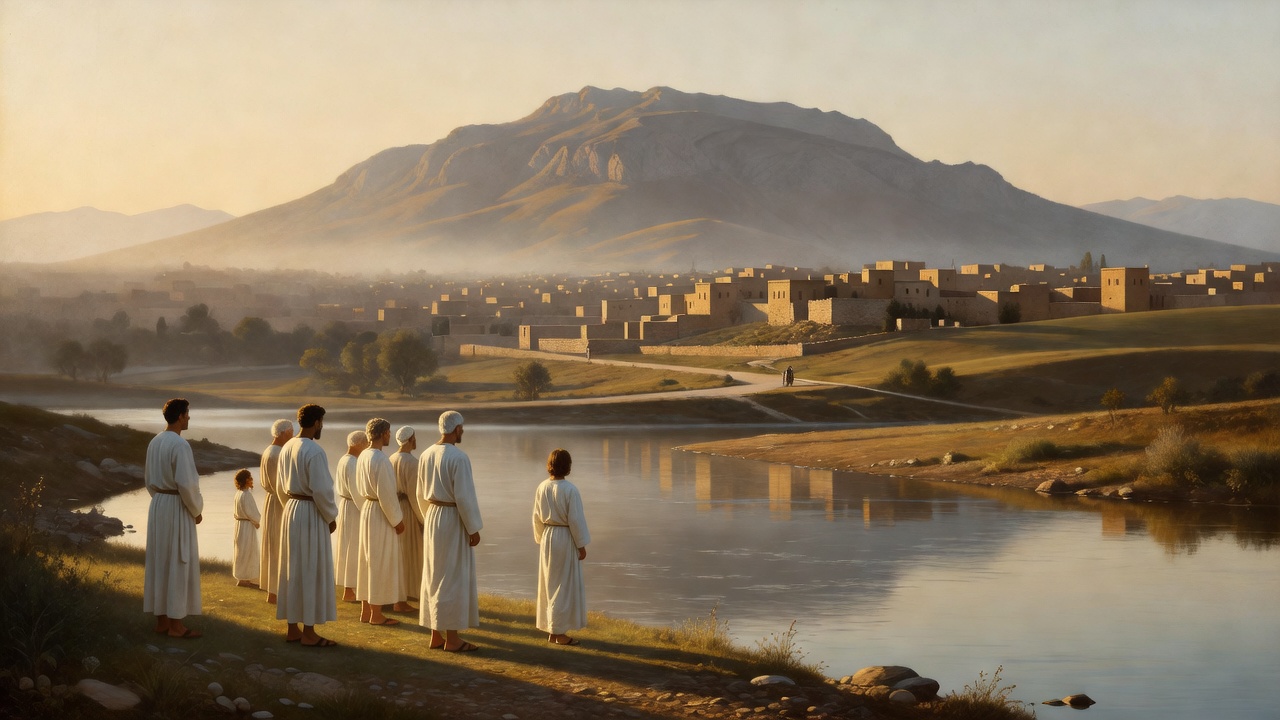
¿Sabías que…?
Cartas a Sardis, Filadelfia y Laodicea
- El capítulo 3 de Apocalipsis reúne cartas a iglesias de tres ciudades de Asia Menor. Sardis, la metrópoli de Lidia, estaba a orillas del río Pactolo, al pie del monte Tmolo. Filadelfia, nombre que significa “amor fraternal”, quedaba a unas veinticinco millas al sureste de Sardis; Laodicea estaba junto al Lico, donde se encuentran Frigia y Lidia, a unas cuarenta millas al este de Éfeso.Fuentes: Sardis · Philadelphia · Laodicea · el propio texto bíblico
- Laodicea se llamó primero Dióspolis y luego Roas. Después recibió el nombre de Laodicea por Laodice, esposa de Antíoco II, rey de Siria, quien la reconstruyó. El Easton's Bible Dictionary (1897) la presenta como una de las ciudades más importantes y prósperas de Asia Menor y como un antiguo centro destacado del cristianismo; en la carta se dice que esa iglesia afirma ser rica, haberse enriquecido y no necesitar nada.Fuentes: Laodicea · el propio texto bíblico
- La carta a Filadelfia habla de una “sinagoga de Satanás” y de personas que dicen ser judías, pero a quienes llama mentirosas. Satanás significa “adversario” o “acusador”, y en el Nuevo Testamento el nombre se usa de manera intercambiable con el diablo.Fuentes: Satan · el propio texto bíblico
Notas escritas con ayuda de IA a partir de fuentes abiertas (Theographic Bible Metadata, CC BY-SA 4.0; Easton’s Bible Dictionary, dominio público) y revisadas antes de publicarse.
Lugares de este capítulo
- Sardis · 38.488, 28.040 · versículos 1, 4
- Philadelphia · Hoy: Alaşehir · 38.350, 28.517 · versículo 7
- Jerusalem · 31.777, 35.234 · versículo 12
- Laodicea · Hoy: Laodicea on the Lycus · 37.836, 29.108 · versículo 14
Solo aparecen lugares identificados con alta confianza (90 % o más según las fuentes académicas reunidas por OpenBible). Mapa de la época: DARE (Digital Atlas of the Roman Empire), CC BY 4.0; mapa actual: © colaboradores de OpenStreetMap; lugares: OpenBible.info (CC BY 4.0).
Créditos y licencia de esta traducción
Parmeswar ke naawa poestak
New Testament in Hindustani, Caribbean (NS:hns:Hindustani, Caribbean)
copyright © 2010 Wycliffe Bible Translators, Inc.
Language: Hindustani, Caribbean
Translation by: Wycliffe Bible Translators, Inc.
Hindustani, Caribbean [hns], Suriname
Copyright Information
© 2010, Wycliffe Bible Translators, Inc. All rights reserved.
This translation text is made available to you under the
terms of the Creative Commons License: Attribution-Noncommercial-No Derivative Works.
( http://creativecommons.org/licenses/by-nc-nd/3.0/ )
In addition, you have permission to port the text to different file formats, as long as you
do not change any of the text or punctuation of the Bible.
You may share, copy, distribute, transmit, and extract portions
or quotations from this work, provided that you include the above copyright
information:
You must give Attribution to the work.
You do not sell this work for a profit.
You do not make any derivative works that change any of the actual words or punctuation of the Scriptures.
Permissions beyond the scope of this license may be
available if you contact
us with your request.
The New Testament
in Hindustani, Caribbean
© 2010, Wycliffe Bible Translators, Inc. All rights reserved.
This translation is made available to you under the terms of the
Creative Commons Attribution-Noncommercial-No Derivatives license 4.0.
You may share and redistribute this Bible translation or extracts from it in any format, provided that:
You include the above copyright and source information.
You do not sell this work for a profit.
You do not change any of the words or punctuation of the Scriptures.
Pictures included with Scriptures and other documents on this site are licensed just for use with those Scriptures and documents.
For other uses, please contact the respective copyright owners.
2014-04-25
Fuente: http://ebible.org/hnsNT/ · eBible.org