Salmos 127
Tuivang Holy Bible · Toca un versículo para ver sus referencias cruzadas.
1Bawipa ing im ama sak awhtaw, ip sakungkhqi ing a hoei nani bi ami sai. Bawipa ing khawk bau ama qeh awhtaw, qaltoeng khqi ing a hoei nani ami qeh hy. 2A hoei na mymcang hqit awh tho unawh buh ai thainaak aham khawmy ben than dy bi sai uhyk ti – anih ingkaw a lungnaak thlangkhqi venawh ihnaak ce pehy. 3Cakpa khqi ve Bawipa venawh kaw qo nik pangkhqi ni, canaa khqi ve amah a venawh kaw kutdo peek khqi ni. 4Tha awm hui awhkaw cakpa cun khqi ve qalkap kawk awm kut awhkaw la khqi ing myih hy. 5A lacung ce ce mihkhqi ing ak be hyp na ak ta thlang taw a zoseen hy. Vawkchawh awh a qaalkhqi mi aming noek qu awh chah am phyi kawm uh.
¿Sabías que…?
La bendición divina y la familia
- El encabezado identifica el Salmo 127 como un Cántico de las subidas atribuido a Salomón. Los primeros versículos enfatizan que los esfuerzos humanos, como edificar una casa, guardar una ciudad o trabajar largas jornadas por el pan, son vanos sin la intervención y bendición del Señor.Fuentes: el propio texto bíblico
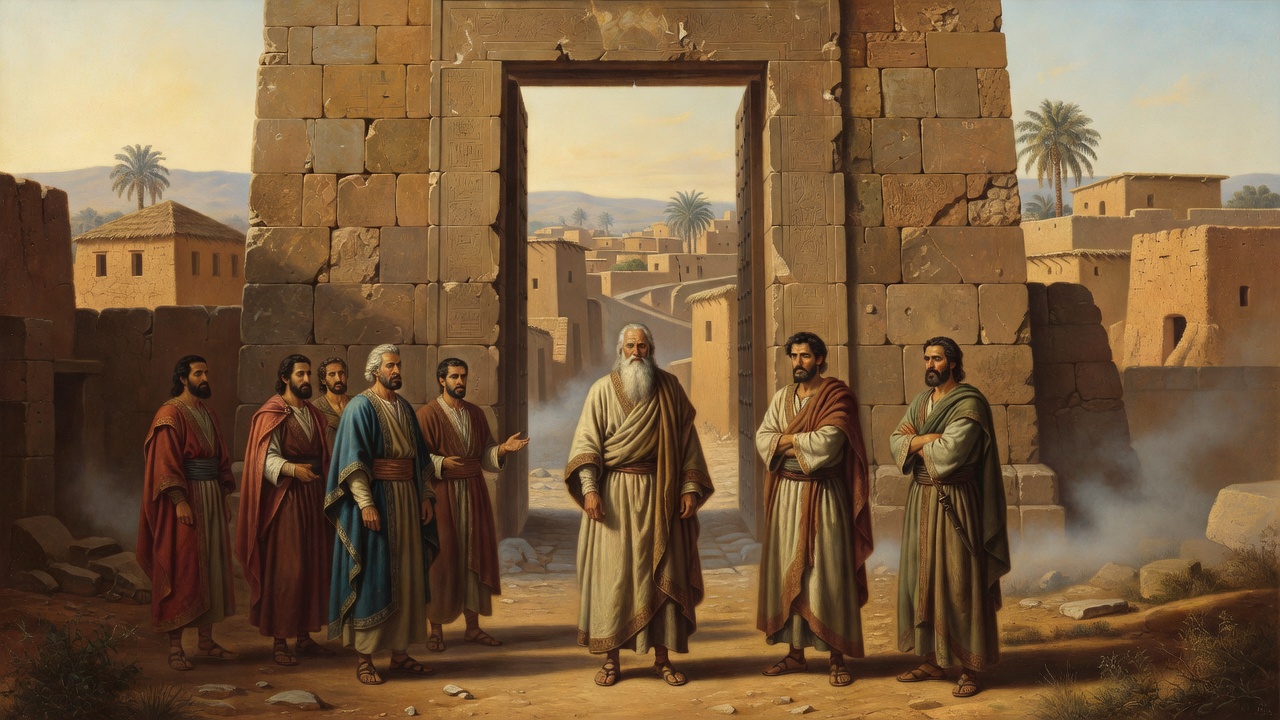
- El salmo compara a los hijos tenidos en la juventud con flechas en manos de un guerrero, presentándolos como una herencia y recompensa del Señor. Contar con un hogar lleno de ellos brinda respaldo y honor al confrontar a los adversarios en la puerta de la ciudad.Fuentes: el propio texto bíblico
Notas escritas con ayuda de IA a partir de fuentes abiertas (Theographic Bible Metadata, CC BY-SA 4.0; Easton’s Bible Dictionary, dominio público) y revisadas antes de publicarse.
Lugares de este capítulo
- Jerusalem · 31.777, 35.234 · versículo 1
Solo aparecen lugares identificados con alta confianza (90 % o más según las fuentes académicas reunidas por OpenBible). Mapa de la época: DARE (Digital Atlas of the Roman Empire), CC BY 4.0; mapa actual: © colaboradores de OpenStreetMap; lugares: OpenBible.info (CC BY 4.0).
Créditos y licencia de esta traducción
Tuivang Holy Bible
The Holy Bible in the Tuivang dialect of the Matu Chin language of Myanmar (Burma)
Copyright © 2020 Batupei Christian Fellowtship
Language: Tuivang (Chin, Matu)
Dialect: Tuivang
Copyright applies only in Myanmar. Outside Myanmar, this work is in the Public Domain.
This translation is made available to you under the terms of the
Creative Commons Attribution Share-Alike license 4.0.
You have permission to share and redistribute this Bible translation in any format and to make reasonable revisions and adaptations of this translation, provided that:
You include the above copyright and source information.
If you make any changes to the text, you must indicate that you did so in a way that makes it clear that the original licensor is not necessarily endorsing your changes.
If you redistribute this text, you must distribute your contributions under the same license as the original.
Pictures included with Scriptures and other documents on this site are licensed just for use with those Scriptures and documents.
For other uses, please contact the respective copyright owners.
Note that in addition to the rules above, revising and adapting God's Word involves a great responsibility to be true to God's Word. See Revelation 22:18-19.
2026-07-26
Fuente: http://ebible.org/hltthb/ · eBible.org