Isaías 50
Baibal Olcim · Toca un versículo para ver sus referencias cruzadas.
1BOEIPA loh, “Na manu ka tueih vaengkah yuuhlak cabu te ta melae. Nangmih taengah kan yoih vaengkah kai kah lai aka ba te unim. Namamih kathaesainah loh n'yoih tih na boekoek long ni na nu khaw a tueih ne. 2Balae tih ka pawk vaengah hlang ana om pawh? Ka khue vaengah aka doo om pawh? Tlannah ham te ka kut ngun khaw ngun a? Nang huul ham te ka khuiah thadueng a om moenih a? Kai kah tluungnah dongah tuipuei khaw ka khah. Tuiva khaw khosoek la ka khueh tih a nga khaw rhim. Tui om pawt tih tuihalh loh a duek sak. 3Vaan ke a muem ka khuk tih tlamhni te a himbai la ka khueh pah.
Sal Boengai
4Lamlum he olka nen khaw tungduel ham neh ming sak ham ka Boeipa Yahovah loh kai taengah lolmang cil m'paek. Mincang bal, mincang bal amah haenghang coeng. Kamah khaw ka hna ah lolmang la yaak sak ham n'haeng. 5Ka Boeipa Yahovah loh ka hna han cah dongah ka koek pawh, a hnuk la ka balkhong pawh. 6Kai aka taam rhoek taengah ka nam, ka maelhmai aka thool sak ham ka kam kaduen pah. Mingthae neh timthoeih khaw ka thuh tak pawh. 7Ka Boeipa Yahovah loh kai m'bom dongah ka hmaithae mahpawh. Te dongah ka maelhmai he hmailung bangla ka khueh tih yah ka poh mahpawh tila ka ming. 8Kai aka tang sak khaw yoei ngawn. Unim kai taengah aka oelh eh? Tun pai uh sih. Ka kah laitloek boei te unim? Kai taengla ha mop saeh. 9Ka Boeipa Yahovah loh kai m'bom ta he. U amah long nim kai m'boe sak eh? Amih ke himbai bangla boeih hmawn vetih bungbo long ni a caak eh. 10Nangmih khuiah BOEIPA aka rhih tih a sal kah ol aka hnatun te unim? Tamyin ah aka pongpa te tah anih ham a aa om pawh. Yahweh ming dongah pangtung saeh lamtah a Pathen dongah hangdang saeh. 11Nangmih boeih loh hmai aka hlae tih hmaipom aka vah rhoek loh namamih kah hmaipuei hmai khuiah pongpa uh. Ka kut lamkah hmaipom na tok te namah taengla ha pak vetih kosilungnan la na yalh bitni,” a ti.
¿Sabías que…?
El Siervo Obediente y la Reivindicación Divina
- En las costumbres legales del antiguo Cercano Oriente, el esposo emitía una carta de divorcio para formalizar la separación, y los deudores empobrecidos podían entregar a sus hijos en servidumbre. En Isaías 50:1, Dios utiliza estas metáforas jurídicas para demostrar que Israel no fue abandonado por una deuda divina ni por una anulación permanente del pacto, sino a causa de sus propias transgresiones.Fuentes: el propio texto bíblico
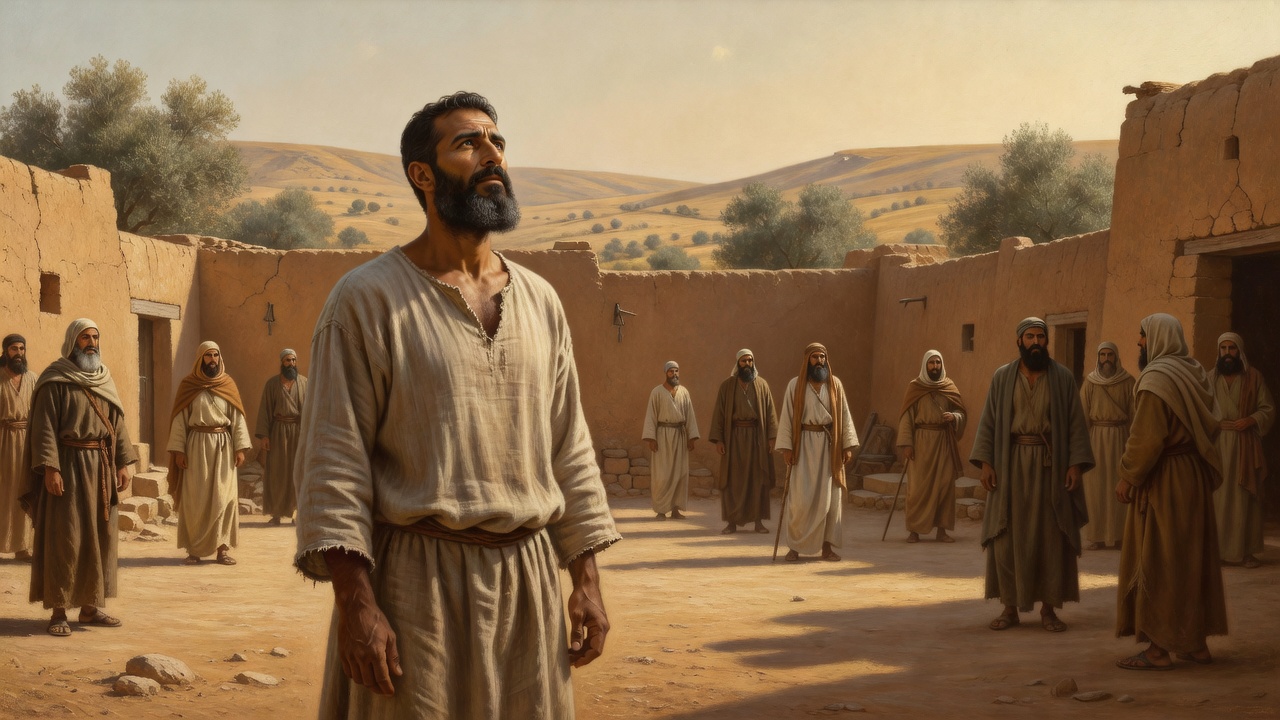
- El orador en Isaías 50:4–7 describe la actitud de un discípulo atento que soporta voluntariamente maltratos físicos, incluidos golpes, el arrancamiento de su barba y escupitajos. Poner el rostro 'como el pedernal' es una expresión vívida que denota una determinación inquebrantable y una firme confianza en Dios frente a la vergüenza pública y la hostilidad.Fuentes: el propio texto bíblico
Notas escritas con ayuda de IA a partir de fuentes abiertas (Theographic Bible Metadata, CC BY-SA 4.0; Easton’s Bible Dictionary, dominio público) y revisadas antes de publicarse.
Créditos y licencia de esta traducción
Baibal Olcim
The Holy Bible in the Matupi Chin language of Mynmar. Matupi Chin Standard Bible
Public Domain
Language: Matupi Chin (Chin, Matu)
Published in Mynmar, which is not a signatory to international copyright treaties. Copyright may apply locally in Mynmar, where this is released under a Creative Commons Attribution Share-Alike 4.0 license.
2026-09-21
Fuente: http://ebible.org/hltmcsb/ · eBible.org