Apocalipsis 7
Baibal Olcim · Toca un versículo para ver sus referencias cruzadas.
Israel Khuikah a Daeng Rhoek
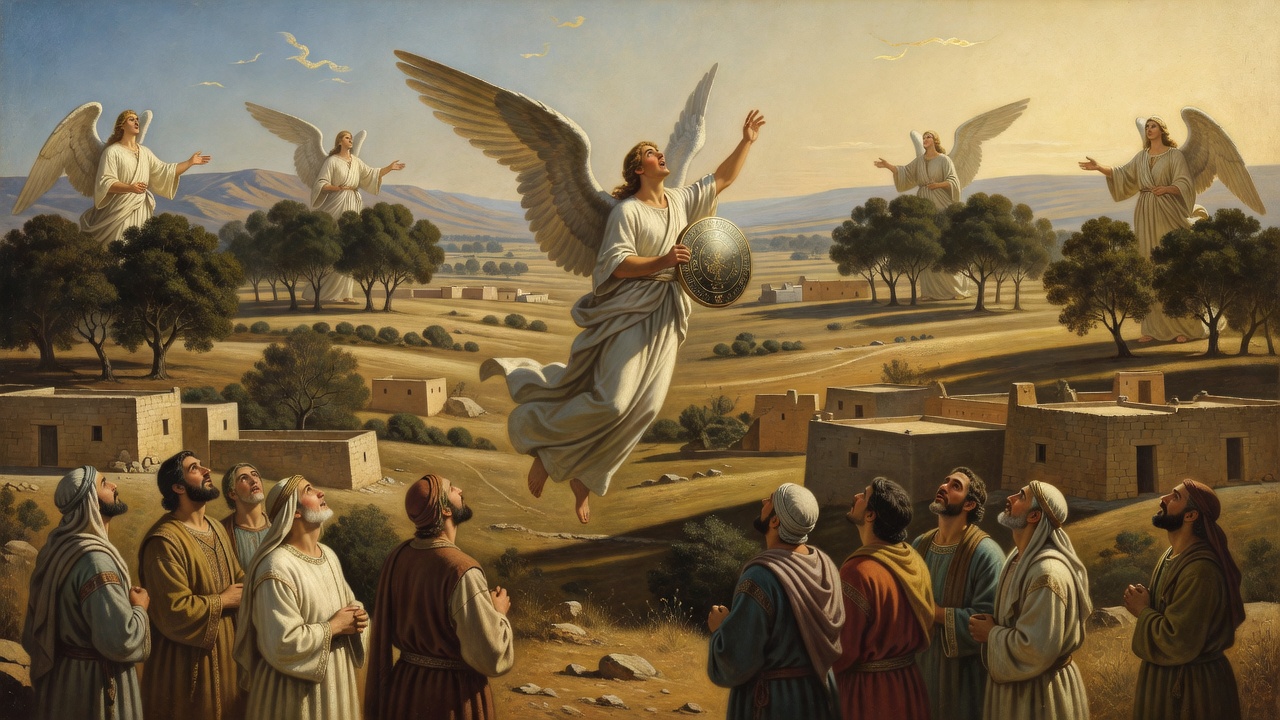
1He phoeiah diklai kil pali ah aka pai puencawn pali te ka hmuh. Diklai khohli pali te a oel uh. Te daengah ni khohli loh diklai dongah, tuili soah, thingkung boeih soah a hli pawt eh. 2Te phoeiah aka hing Pathen kah kutnoek aka pom puencawn pakhat te khomik kah khocuk lamloh ha thoeng te ka hmuh. Anih taengah diklai neh tuitunli te hmalaem sak ham a paek tangtae puencawn pali te ol ue neh a doek. 3“Kaimih Pathen kah sal te a tal dongah kutnoek ka daeng uh hlan hil diklai khaw, tuitunli khaw, thing khaw thae sak boeh,” a ti.
4Te vaengah kutnoek a daeng kah hlangmi te ka yaak. Israel koca boeih lamkah kutnoek a daeng te thawng yakhat thawng sawmli thawng li lo uh. 5Judah koca lamkah thawng hlainit loh kutnoek a daeng uh. Reuben koca lamkah thawng hlainit, Gad koca lamkah thawng hlainit, 6Asher koca lamkah thawng hlainit, Naphtali koca lamkah thawng hlainit, Manasseh koca lamkah thawng hlainit, 7Simeon koca lamkah thawng hlainit, Levi koca lamkah thawng hlainit, Isakhar koca lamkah thawng hlainit, 8Zebulun koca lamkah thawng hlainit, Joseph koca lamkah thawng hlainit, Benjamin koca lamkah thawng hlainit te kutnoek a daeng uh.
Aka Loeih Hlangping
9Te phoeiah hlangping muep tarha ka hmuh. Te rhoek te a tae thai moenih. Namtom boeih, pilnam koca rhoek neh ol com ol khui lamkah te tuca hmai neh ngolkhoel hmaiah pai uh. A kut dongkah rhophoe neh hnikul a bok a bai uh. 10Te phoeiah ol ue la pang uh tih, “Khangnah tah ngolkhoel soah aka ngol mamih Pathen neh Tuca kah ni,” a ti uh.
11Te phoeiah ngolkhoel taengvai ah aka pai puencawn rhoek neh, patong rhoek neh mulhing pali boeih loh, ngolkhoel hmaiah a maelhmai buluk uh tih Pathen te a bawk uh. 12“Amen, Mamih kah Pathen te yoethennah, thangpomnah, cueihnah, uemonah, hinyahnah, thaomnah neh thadueng tah kumhal ah kumhal duela om saeh! Amen,” a ti uh.
13Te phoeiah patong rhoek khuikah pakhat loh a doo tih kai taengah, “Hnikul a bok aka bai rhoek, amih he me lamkah aka om neh me lamkah nim ha pawk?” a ti.
14Te vaengah amah te, “Ka Boeipa namah loh na ming,” ka ti nah. Tedae kamah taengah, “He rhoek tah phacip phabaem len lamkah aka pawk rhoek ni. A hnikul te a suk uh tih Tuca kah thii neh a bok sak uh,” a ti. 15Te dongah Pathen kah ngolkhoel hmaiah om uh tih a bawkim ah khoyin khothaih amah a bawk uh. Ngolkhoel sokah aka ngol loh amih te a rhaeh thil. 16A bungpong uh voel mahpawh. Tuihal uh voel mahpawh. Khomik loh amih tlak thil voel pawt vetih kholing cungkuem loh do mahpawh. 17Ngolkhoel lakli kah tuca loh amih te a dawndah vetih amih te hingnah tuisih tui kungla long a tueng ni. Amih mik lamkah mikphi boeih te Pathen loh a huih ni.
¿Sabías que…?
Las tribus selladas y la gran multitud
- Apocalipsis 7 presenta el número de los sellados como 144,000, doce mil de cada una de las tribus de Israel nombradas en el capítulo. Israel era otro nombre de Jacob, el segundo de los hijos gemelos de Isaac y Rebeca; el Easton's Bible Dictionary (1897) explica el nombre de Jacob como alguien que sigue los talones de otro, o un suplantador.Fuentes: el propio texto bíblico · Jacob (Israel)
- Aunque Rubén era el hijo mayor de Jacob y Lea, la lista de los sellados comienza con Judá y luego nombra a Rubén. La lista incluye también tanto a José como a Manasés; Manasés era el hijo mayor de José, y Jacob lo adoptó a él y a su hermano Efraín como hijos propios.Fuentes: el propio texto bíblico · Reuben · Manasseh (son of Joseph)
- Después del sellado, la visión muestra una multitud demasiado grande para contarse, de toda nación, tribu, pueblo y lengua, de pie ante el trono y el Cordero, con vestiduras blancas y ramas de palma en las manos. Uno de los ancianos dice que han salido de la gran tribulación y han lavado sus vestiduras, dejándolas blancas en la sangre del Cordero.Fuentes: el propio texto bíblico
Notas escritas con ayuda de IA a partir de fuentes abiertas (Theographic Bible Metadata, CC BY-SA 4.0; Easton’s Bible Dictionary, dominio público) y revisadas antes de publicarse.
Créditos y licencia de esta traducción
Baibal Olcim
The Holy Bible in the Matupi Chin language of Mynmar with Strong's numbers
Public Domain
Language: Matupi Chin (Chin, Matu)
Published in Mynmar, which is not a signatory to international copyright treaties. Copyright may apply locally in Mynmar.
2026-07-16
Fuente: http://ebible.org/hlt/ · eBible.org