Amós 4
Baibal Olcim · Toca un versículo para ver sus referencias cruzadas.
Khosaknah neh Mueihla Rhongingnah
1He ol he Bashan vaitonu rhoek loh ya uh saeh. Samaria tlang ah tattloel a hnaemtaek uh tih khodaeng te a neet uh. A boei taengah khaw, “Te hang khuen lamtah ka o uh eh,” a ti na uh. 2Ka Boeipa Yahovah loh a cimcaihnah neh a toemngam coeng. Nangmih soah khohnin ha pai coeng te. Nangmih te a hlinghang neh n'doek vetih na hmailong kah te khaw ngavaih hling neh a doek ni. 3Te phoeiah a khaepdan kah huta te tah a puut longah na cet uh vetih Harmon la m'voeih ni. He tah BOEIPA kah olphong ni. 4Bethel te kun saeh lamtah boekoek Gilgal loh boekoek hamla yet saeh. Namah kah hmueih te mincang takuem ham neh namah kah parha pakhat te hnin thum ah vai khuen uh. 5Uemonah te tolrhu la phum uh. moeihoeihnah te pang puei uh lamtah yaak sak. Te dongah Israel ca rhoek te lungnah uh. He tah ka Boeipa Yahovah kah olphong ni.
Pathen kah Khoboe neh Israel kah Hnukpohnah
6Kai long khaw nangmih te na khopuei takuem ah no cimnah kam paek tih na hmuen takuem ah buh dongah vaitahnah om dae kai taengla na mael uh moenih. He tah BOEIPA kah olphong ni. 7Nangmih ham tah khonal te cangah duela hla thum koep ka hloh van. Khopuei pakhat dongah ka tlan sak dae khopuei khat dongah ka tlan sak moenih. Lo bong at dongah a tlan vaengah lo bong at dongah tlan pawt tih a soah rhae. 8Tui ok ham pataeng khopuei panit pathum te khopuei pakhat taengla a poengdoe uh coeng dongah a cung uh moenih. Tedae kai taengla na mael uh moenih. He tah BOEIPA kah olphong ni. 9Nangmih te mawn neh, dung neh muep kan ngawn coeng. Na dum neh na misur khaw, na thaibu neh na olive khaw lungmul loh a caak coeng. Tedae kai taengla na mael uh moenih. He tah BOEIPA olphong ni. 10Egypt longpuei kah bangla nangmih taengah duektahaw kan tueih coeng. Na tongpang rhoek te cunghang neh ka ngawn. Na marhang neh tamna la kang khuen tih na rhaehhmuen kah a rhongbo te na hnarhong khui la ka kun sak. Tedae kai taengla na mael uh moenih, he tah BOEIPA kah olphong ni. 11Pathen kah imrhong- Sodom neh Gomorrah bangla nangmih te kam palet tih hmai khui lamloh a yueh hmaipok bangla na om uh coeng. Tedae kai taengla na mael uh moenih. He tah BOEIPA kah olphong ni. 12Te dongah nang hamla he he ka saii ni. He he nang hamla ka saii ni. Israel nang na Pathen neh hum uh hamla sikim laeh. 13Tlang aka hlinsai tih khohli aka suen, a poeknah te hlang taengah aka phoe, khoyinnah te khothaih la aka saii, diklai hmuensang ah aka cawt kah a ming tah caempuei Pathen Yahweh pai ni.
¿Sabías que…?
Advertencias desoídas y el Dios de los Ejércitos
- Amós se dirige a las mujeres ricas y opresoras de Samaria llamándolas vacas de Basán. Samaria era la capital del reino del norte de Israel, construida sobre una colina, mientras que Basán era una región fértil al norte de Galaad, famosa por sus abundantes pastos.Fuentes: el propio texto bíblico · Samaria · Bashan
- El profeta invita con ironía al pueblo a llevar sacrificios y diezmos a Betel y a Gilgal. Ambos lugares poseían una profunda relevancia histórica y religiosa en Israel, pero se habían convertido en centros de rituales vacíos y transgresión.Fuentes: el propio texto bíblico · Bethel (of Palestine) · Gilgal
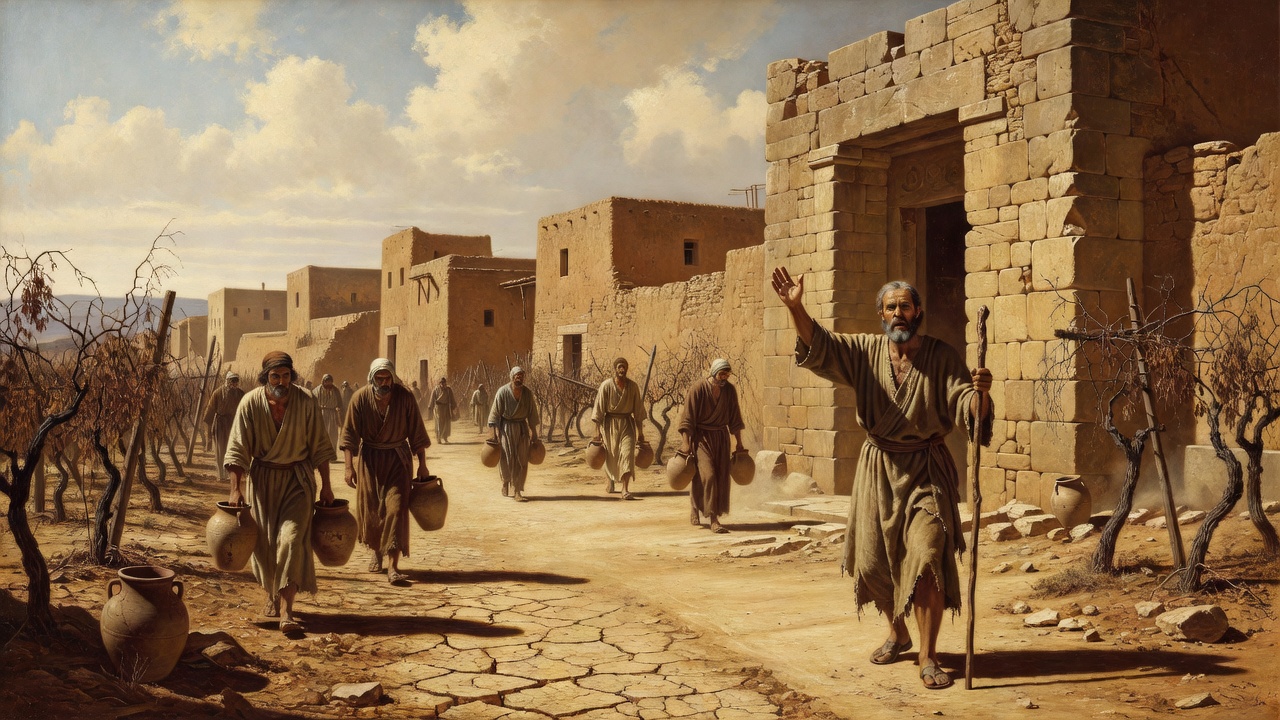
- Amós enumera una serie de advertencias divinas mediante desastres naturales y militares, como sequías severas, plagas de langostas, pestilencias semejantes a las de Egipto y derrotas en el campo de batalla. A pesar de cada calamidad, el texto repite el estribillo de que el pueblo no se volvió a Dios.Fuentes: el propio texto bíblico · Egypt
Notas escritas con ayuda de IA a partir de fuentes abiertas (Theographic Bible Metadata, CC BY-SA 4.0; Easton’s Bible Dictionary, dominio público) y revisadas antes de publicarse.
Lugares de este capítulo
- Bashan · 32.781, 35.935 · versículo 1
- Samaria · 32.276, 35.195 · versículo 1
- Egypt · 30.129, 31.308 · versículo 10
Solo aparecen lugares identificados con alta confianza (90 % o más según las fuentes académicas reunidas por OpenBible). Mapa de la época: DARE (Digital Atlas of the Roman Empire), CC BY 4.0; mapa actual: © colaboradores de OpenStreetMap; lugares: OpenBible.info (CC BY 4.0).
Créditos y licencia de esta traducción
Baibal Olcim
The Holy Bible in the Matupi Chin language of Mynmar with Strong's numbers
Public Domain
Language: Matupi Chin (Chin, Matu)
Published in Mynmar, which is not a signatory to international copyright treaties. Copyright may apply locally in Mynmar.
2026-07-16
Fuente: http://ebible.org/hlt/ · eBible.org