1 Juan 4
Baibal Olcim · Toca un versículo para ver sus referencias cruzadas.
Oltak Mueihla neh Laithae Mueihla
1Thintlo rhoek, mueihla boeih te tangnah uh boeh. Pathen kah mueihla la a om uh khaw nuemnai uh dae. Diklai ah laithae tonghma rhoek muep pongpa uh coeng. 2He nen ni Pathen kah Mueihla te m'ming uh. Jesuh Khrih pumsa la ha pawk tila aka phong mueihla boeih te Pathen kah mueihla ni. 3Jesuh aka phong mueh boeih te tah Pathen kah mueihla om pawh. Te tah Khrihrhal kah ni te. Te te ha pawk te na yaak uh coeng. Te dongah oepsoeh la Diklai ah om coeng. 4Oingaih rhoek, nangmih tah Pathen kah ca la na om uh dongah amih te na noeng uh. Nangmih ah aka om tah Diklai kah lakah tanglue ta. 5Amih tah Diklai kah ni. Te dongah Diklai kah a thui uh vaengah amih kah te Diklai loh a yaak tangloeng. 6Mamih tah Pathen kah ni. Pathen aka ming loh mamih kah te a yaak. Pathen kah la aka om mueh loh mamih kah ol ya pawh. Tahae lamkah tah, oltak mueihla neh tholhhiknah mueihla te m'ming uh.
Lungnah Loh Pathen a Ming
7Thintlo rhoek khat neh khat he lungnah sih. Lungnah tah Pathen kah ni. Te dongah hlang aka lungnah boeih tah Pathen kah a sak la om tih Pathen te a ming. 8Pathen tah lungnah la a om dongah aka lungnah pawt loh Pathen te a ming moenih. 9Hekah neh mamih taengah Pathen kah lungnah tah phoe. Amah lamloh hing sak ham Pathen loh khueh duen a capa te Diklai la han tueih coeng. 10Lungnah tah te khuiah ni a om. Mamih loh Pathen te n'lungnah moenih. Tedae amah loh mamih n'lungnah dongah mamih kah tholhnah kongah ni dawthnah la a capa te a han tueih. 11Thintlo rhoek, Pathen loh mamih n'lungnah tangloeng atah, mamih loh khat neh khat lungnah a kuek van. 12Pathen a hmuh noek moenih. Khat neh khat n'lungnah atah, Pathen he mamih ah om tih a lungnah loh mamih ah rhuemtuet la om.
13A Mueihla te mamih m'paek coeng dongah, amah dongah n'naeh uh tih mamih ah amah a naeh te m'ming uh. 14Pa loh Diklai khangkung la capa han tueih te mamih long khaw m'hmuh uh dongah m'phong uh. 15Jesuh te Pathen Capa ni tila aka phong te tah anih dongah Pathen om tih anih khaw Pathen khuiah om. 16Pathen loh mamih taengah a khueh lungnah te mamih loh m'ming uh tih n'tangnah uh. Pathen tah lungnah ni. Lungnah dongah aka om tah Pathen dongah om tih Pathen khaw anih ah naeh van. 17He nen he mamih taengah lungnah a cung daengah ni laitloeknah khohnin ah sayalhnah n'khueh uh eh. Amah a om bangla mamih khaw he Diklai ah n'om uh. 18Lungnah dongah rhihnah om pawh. Tedae lungnah a soep loh rhihnah te vil a voeih tih rhihnah loh dantatnah han khuen. Te dongah aka birhih tah lungnah dongah a soep moenih. 19Amah loh lamhma la mamih n'lungnah dongah, mamih loh n'lungnah uh.
Pathen kah Olpaek
20Khat khat loh Pathen te ka lungnah tila a thui tih a manuca te a hmuhuet atah laithae la om coeng.A hmuh nawn a manuca te aka lungnah pawt loh hmuh mueh Pathen te lungnah thai pawh. 21Pathen aka lungnah loh a manuca te khaw a lungnah van ham Amah lamkah olpaek he khaw n'dang uh.
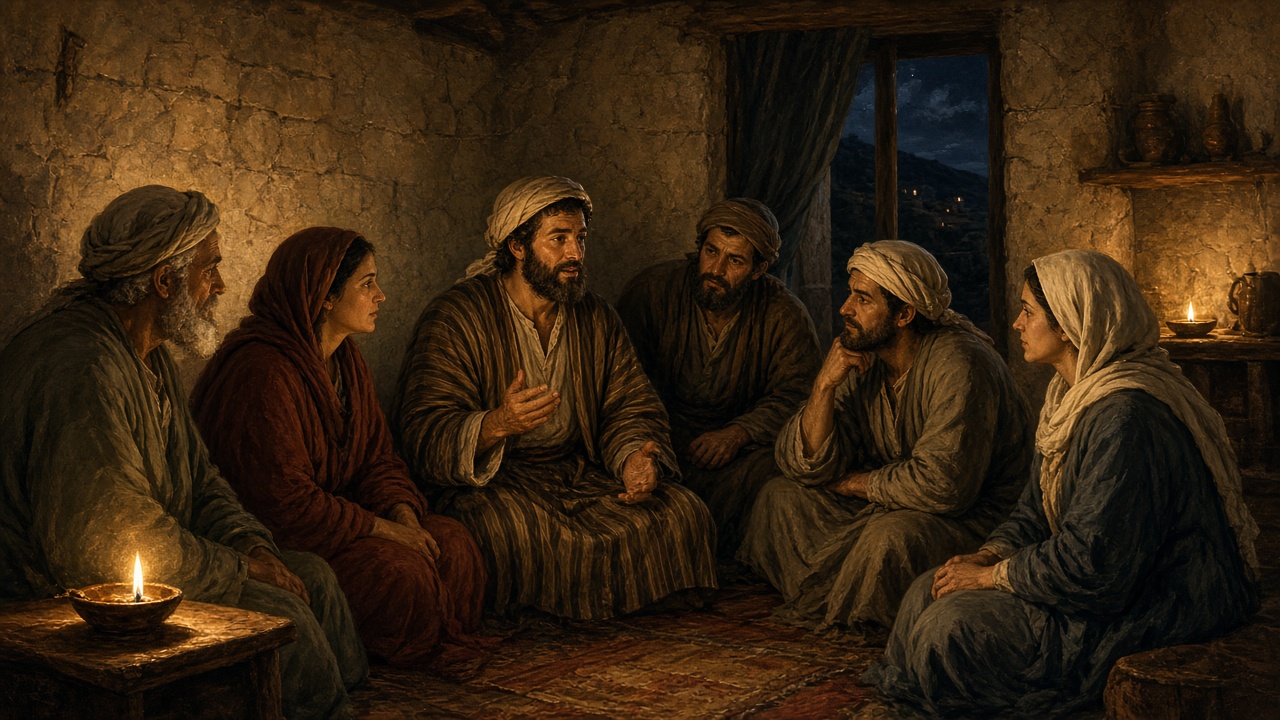
¿Sabías que…?
Probando los espíritus y el amor que viene de Dios
- A los lectores tratados como amados se les dice que no crean a todo espíritu, sino que prueben los espíritus, pues muchos falsos profetas han salido por el mundo. El Espíritu de Dios se reconoce cuando un espíritu confiesa que Jesucristo ha venido en carne; todo espíritu que no confiesa a Jesús no es de Dios y es el espíritu del anticristo, que ya está en el mundo.Fuentes: el propio texto bíblico
- El amor viene de Dios, y Dios es amor, de modo que quien no ama no conoce a Dios. El amor de Dios se reveló al enviar a su Hijo único al mundo como sacrificio expiatorio por los pecados, y a quienes han sido así amados se les dice que deben amarse unos a otros.Fuentes: el propio texto bíblico
- Nadie ha visto jamás a Dios, pero si nos amamos unos a otros, Dios permanece en nosotros y su amor se perfecciona en nosotros. Quien dice “Amo a Dios”, pero odia a su hermano, es mentiroso, pues quien no ama a su hermano, a quien ha visto, no puede amar a Dios, a quien no ha visto, y el mandamiento es que quien ama a Dios también ame a su hermano.Fuentes: el propio texto bíblico
Notas escritas con ayuda de IA a partir de fuentes abiertas (Theographic Bible Metadata, CC BY-SA 4.0; Easton’s Bible Dictionary, dominio público) y revisadas antes de publicarse.
Créditos y licencia de esta traducción
Baibal Olcim
The Holy Bible in the Matupi Chin language of Mynmar with Strong's numbers
Public Domain
Language: Matupi Chin (Chin, Matu)
Published in Mynmar, which is not a signatory to international copyright treaties. Copyright may apply locally in Mynmar.
2026-07-16
Fuente: http://ebible.org/hlt/ · eBible.org