Colosenses 3
U BULUNGANA U NIGA · Toca un versículo para ver sus referencias cruzadas.
1E Sunahan e hala pouts rilimiu a nitoatoa tara poata te hatakeien e Kristo tara tou mate i tanen. Ba limiu te kato silemiu a man ka ni Kolö, te kana e Kristo u Gohus tere Sunahan te gumna tara pal matou i tanen. 2Hakats hiton neiam a man kana i Kolö. Ma hakats talasi nami a man kana i puta. 3Taraha, e here nei alimiu u mate hakapa iam, na nitoatoa a mana i tamilimiu e mous gono mena e Kristo i rehina e Sunahan. 4E Kristo a mouna a nitoatoa i tamilimiu, ba poata te butu pouts nen romana, alimiu e ka gono has memoen tara hiharuto pan i tanen.
A nitoatoana i manasa na nitoatoa a tsimus
5Alimiu go hakapa nitoa niam u ngilina i puta te kana i peisamilimiu: a tsikolo na hahaloku, na markato a korkoriana, nu ngil u tagala u omi. Na limiu go ma ngilin gono bemi a peisamiu a man ka tara palair u katun. A markato teka e here nei a katun te hatsunonena u keisa.* 6A man markato teka e kato haraharaha koruena e Sunahan e antunana te hahuna mera noien romana u katun te hipus naren. 7Na limiu u roron kato has uam i iesana tara poata tu ka mia limiu i gusuna u mar katun u omi teka. 8Kaba i romana alimiu go ba niam u markato hoboto teka: a mamana mar raharaha, na markato te omi mena toa katun a tai, na markato te ranga homi silena a toa katun a tai, nu ranga u koreme. 9Ma hiagamogomomi, taraha alimiu u hapolasa ba neiam u ngilina i puta na markato i tanen. 10Na limiu e ka tala memiu u ngil nu hakhakats u tsimus u niga. E Sunahan te habutu rio limiu e kato here ranei limiu a peisanen ba te roron kato talasina. Na nonei e taguhu rano limiu te go atei haniga sil mena mien limiu ba te kato talasina. 11Na tara markato a tsimus teka, e Sunahan e ma lu kata ranei u Jiu nu katun te ma Jiuri, u katun te ka mer a hatoatongo tere Sunahan i pikpikören nu katun te moa. Ne Sunahan e ma hakats has ranei esi u katun halhal ne si u katunur i gusuna latu, nu katun te hahakui puku rer nu katun te pile ner a peisaren peisa. E moa. I romana e Kristo te panina, na nonei e kana i iahana u katun hoboto i tanen. 12E Sunahan e hopu kap sil rilimiu te go katun uam limiu i tanen, na nonei e ngil rano limiu. E kato uana teka, ba limiu te hiatatatagimu ba te niga mia tara palai. Alimiu go kato hatetenei iam a peisamilimiu ba te tami mia tara palai ba te ma sökanami. 13Alimiu go ma hakats sil balemi a ma tsi ka ma tsi omi tara katun. Te kato homina ta toa ta katun i tamilimiu, ba limiu te solopalemiu a nomi. Alimiu go tara pouts riam u katun ti kato homiia i tamilimiu, te mar tara pouts has meri e Sunahan alimiu tu kato homi uam limiu i tanen. 14Na ka teka te pan bala koruna: alimiu go hiangilngil iam. A markato teka e las gugono haniga rena a man ka hoboto ba nori te ka haniga hoboto nitoar. 15E Kristo e hala ranei limiu u tori u kokomoto. Na masalohana e tatei panina turu hakhakats hoboto i tamilimiu. E Sunahan e ngö gugono sil merai limiu tara toa pal katun te go ka haniga hoboto uam limiu. Ba limiu te haniga has uamiu i tanen. 16Alimiu go hakats hiton neiam u ranga tere Kristo nu mounen te niga balana. Alimiu go atei haniga iam ba te hiahihihatutsmiu tara mamana niatei i tamilimiu. Ba limiu te kömemiu u sam nu köman lotu nu köma te köma ria turu namnamei. Na poata te köma mia limiu, ba torimilimiu te haniga has uana tere Sunahan. 17Tara mamana ka hoboto te katoe milimiu na te poe milimiu, alimiu go kato mena mien te katun uami limiu tere Iesu a Tsunono. Na limiu go haniga mia tere Sunahan e Tamarara tara solone Iesu.
A markatona te gi ka haniga hoboto u
18Alimiu a tohaliou e go mamanieta riam a pal tson i tamilimiu, taraha a Tsunono e hanige iena a markato teka. 19Na limiu a pal tson e go ngil riam a tohaliou i tamilimiu ba te ma raharaha ramien. 20A galapien, alimiu go hengo haniga hiton riam u tamamilimiu nu tsinamilimiu, taraha a markato teka e kato hasasalena a Tsunono. 21A pal tson, alimiu go ma haraharaha remi a galapien i tamilimiu. Nori e namos sökana mer a raharaha. 22U katunun kui, alimiu go mamaniete iam u katun pan i tamilimiu tara mamana ka. Ma hengo las rami tara poata te tara kap rarien limiu te go ngil mena milimiu u haniga i taren. E moa. Alimiu e hengo hiton mera mien alimiu e ngilin hengomiu ba te hatsunonemiu a Tsunono i Kolö. 23Tara mamana ka te katoe milimiu, kui hatagala koru iam. E here nei alimiu e kui mia tara Tsunono i Kolö ba te ma kui talasi mia turu katun. 24Taraha, a Tsunono e hala ranei romana limiu u hamatana u niga. Alimiu e luemiu romana u hamatana te haputu rane ien u katun i tanen. Taraha, e Kristo nonei te kui sil korue milimiu. Nonei a Tsunono i tamilimiu. 25Na katun te kato homina e palis hase riou u markato u omi i tanen. E Sunahan e ma ngil kalakala ranei u katun pan nu katunun kui tara man ka ti katoen.
¿Sabías que…?
Vida nueva en un solo cuerpo y en el hogar
- Este capítulo presenta la vida transformada como un cambio de ropa. Se afirma que los lectores se han despojado del viejo hombre con sus prácticas y se han revestido del nuevo hombre, que se va renovando en conocimiento a imagen de su Creador. Luego se les pide que se vistan de un corazón compasivo, de bondad, humildad, mansedumbre y paciencia, y que por encima de todas estas virtudes se revistan de amor, vínculo de la perfecta unidad.Fuentes: el propio texto bíblico
- El capítulo enumera griego y judío, circunciso e incircunciso, bárbaro, escita, esclavo y libre, y declara que aquí no permanece ninguna de esas distinciones, porque Cristo es todo y está en todos.Fuentes: el propio texto bíblico
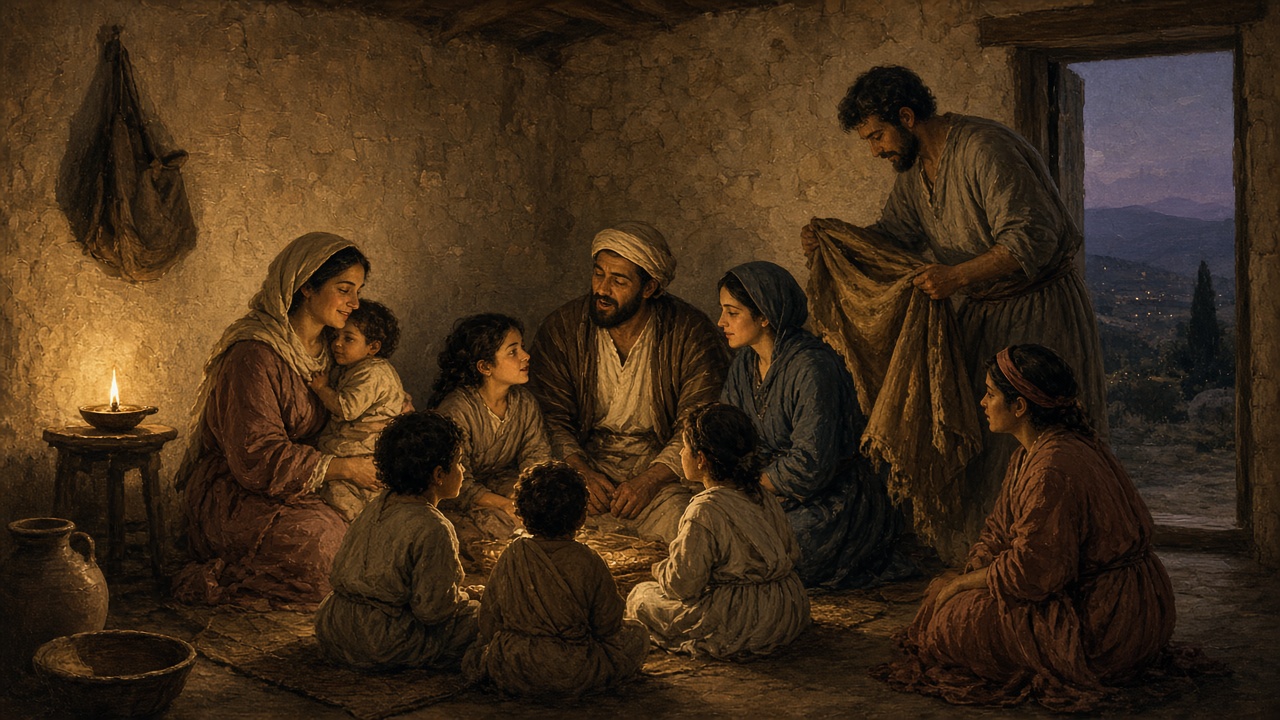
- El capítulo pasa luego a dar instrucciones para las relaciones del hogar: esposas y esposos, hijos y padres, y esclavos y sus amos terrenales. Se advierte a los padres que no provoquen a sus hijos, para que no se desalienten. A los esclavos se les dice que obedezcan con sinceridad de corazón, no solo mientras los observan, y que trabajen con todo su ser para el Señor y no para los hombres, con la promesa de una herencia de parte del Señor como recompensa; quien hace el mal recibirá el pago de lo que hizo, y no hay favoritismo.Fuentes: el propio texto bíblico
Notas escritas con ayuda de IA a partir de fuentes abiertas (Theographic Bible Metadata, CC BY-SA 4.0; Easton’s Bible Dictionary, dominio público) y revisadas antes de publicarse.
Créditos y licencia de esta traducción
U BULUNGANA U NIGA
The New Testament in the Halia Language of Papua New Guinea
Nupela Testamen long tokples Halia long Niugini
copyright © 2020 Wycliffe Bible Translators, Inc.
Language: Halia
Translation by: Wycliffe Bible Translators
This translation is made available to you under the terms of the
Creative Commons Attribution-Noncommercial-No Derivatives license 4.0.
You may share and redistribute this Bible translation or extracts from it in any format, provided that:
You include the above copyright and source information.
You do not sell this work for a profit.
You do not change any of the words or punctuation of the Scriptures.
Pictures included with Scriptures and other documents on this site are licensed just for use with those Scriptures and documents.
For other uses, please contact the respective copyright owners.
2022-06-08
Fuente: http://png.bible/hla/ · eBible.org