Génesis 29
Buk Niu In Hida Balu nol Dehet deng Apan-kloma ki in Dadi ka · Toca un versículo para ver sus referencias cruzadas.
Yakob lako lius se bakin Laban uma
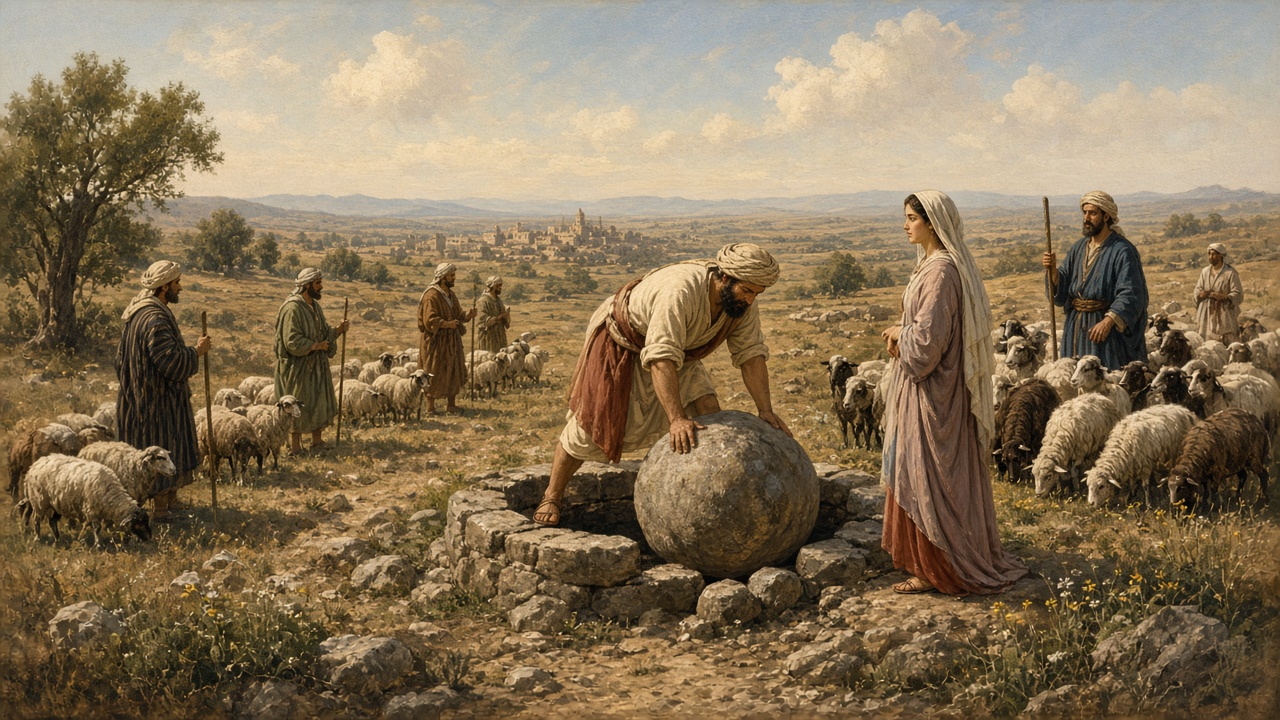
1Hidi na kon, Yakob laok napiut bus el leol-saken. 2Oe mesan na kon, un ngat net ui in kali mes dadani nol ingu mesa. Dadani se na lam, muik laen nol lae-blai bua tilu, man le haup in ninu se na. Mo muik baut tene mes tung kele ui in kali na. 3In biasa ka lam, eta laen nol lae-blai las nakbua son, halas-sam atuling in lolo-poa ka pekot batu la, le naus ui, halin ninung hmukit tas. Niun hidi kam, un tung ui la pait.
4Kon Yakob lako ketan atuil in lolo-poa ngas noan, “Mi deng ola?”
Oen siut noan, “Kaim deng iung Haran.”
5Kon Yakob ketan pait noan, “Mi taan auk baki Laban tam lo ka? Un na mo upung Nahor ana.”
Kon oen siut noan, “Kaim tanan.”
6Kon nam Yakob ketan napiut noan, “Un bana-banan te?”
Oen siut noan, “Blalan na babanan tuun. Olan ngat. Un ana bihaat in ngaal Rahel la poa oen laen nol lae-blai las, le maa ninung se ni kon nuan. Ku natang tukun.”
7Hidim Yakob tek pait noan, “Lelo li blatas nabale. Tiata banan dui ka, hmukit ol man nakbua se ni son nam, mi beles niun tia. Hidim mi sika-poa nolas lakos se epe kua, le halin oen kaa bluan pait.”
8Mo oen kaen noan, “Inah, boel ela lo! Kaim musti natang atuil in lolo-poa ngas maas totoang nol oen hmukit tas nakbua se nia, halas-sam kaim pekot nodat batu lia, le ninung hmukit tias.” 9Yakob aa nabael nol atuil nas sam, Rahel maa lius son nol un ama ka laen nol lae-blai las. Taom un man sika-poa hmukit nas.
10Nikit Yakob ngat net Rahel nol un hmukit tas kon, un laok pekot bian baut in tung kele ui in kali ka. Hidim un ninung bel un bakin na hmukit tas. 11Hidi nam un laok neko-lik Rahel le lilu. 12Hidim un dehet Rahel noan, “Pali! Auk niam, ku amam ma bata Ribka ana.” Kon Rahel lail pait lako le tek un ama ka.
13Nikit Laban ming Rahel in dehet ela deng Yakob, noan, un nam Ribka ana, kon Laban lail lako sod Yakob. Tutnalan kon, Laban nekon le likin, hidim un nol Yakob lako oen uma. Ti Yakob dehet totoang bel Laban. 14Kon Laban siut noan, “Baktebes, meman kit duat niam balu lo!”
Yakob saap Lea nol Rahel
14Dedeng Yakob daad nol un bakin Laban lius bulan mes son kon, 15Laban aa nolan noan, “Elia Yakob! Ku daek bel auk mosa tuun nam auk tao lo, undeng kit duat balu lo. Tiata ku nodan le baen ku bakun na?”
16Laban na mo muik ana bihata at dua. Kaka la ngala Lea. Mo pali la ngala Rahel. 17Lea na mo mata ka mamaun. Mo Rahel lam sila ka leok isi, hidim un apa ka natao. 18Yakob kom Rahel isi. Tiata un siut Laban noan, “Auk daek bel baki taun itu, sadi baki tade le auk saap nol Rahel.”
19Hidi kon Laban siut noan, “Auk tade! Undeng ku nia mo auk atulin, ta banan dui ku saap nol Rahel, lo kam atuil didang sapan nam banan lo. Tiata ku daad se lia tuun, le daek bel au.” 20Kon nam, Yakob daek taun itu, le bole lam haup Rahel. Mo un kom Rahel isi, tiata taun iut nas un nataka kam suma el lelo il siis.
21Kuhit nal taun iut nas kon, Yakob koka Laban noan, “Baki! Auk daek bel baki taun iut son. Tiata bel auk le saap nol Rahel tia.”
22Kon Laban tao fesat in sapa, le haep totoang atuil in se nusa na daleng ngas. 23Duman na, Laban bel Rahel lo, molam un bel Lea le tama lako se Yakob hleep in nini ka. Tiata Yakob niin nolan. Ola ka halas-sam Yakob tana noan, un in niin nola ka Lea. Kon nam Yakob lako tek Laban noan, “Tasao le baki nole auk eli lia? Auk daek hiti-late taun iut son, le haup Rahel! Mo taon elola le baki seda nini Lea lia?”
Kon Laban situn noan, “Ku komali ela deken! Muid kaim hadat in se ni kia lam, pali la boel saap muna deng kaka la lo. Tiata banan dui ka eli tuun! Ku natang le fesat in sapa ni dedeng itu las kuhit le, halas-sam ku haup Rahel. Sadi ku daek bel auk taun iut pait.” Hidi kon Laban bel un ata bihata mes ngala Silpa, le daid ata taung Lea.
28Yakob tade. Tiata fesat lelo iut nas kuhit kon, Laban bel Rahel le oen duas Yakob sapa. 29Hidim Laban bel un ata bihata mes pait, ngala Bilha, le daid Rahel ata. 30Hidi kon Yakob niin nol Rahel. Un namnau Rahel muun dui deng Lea. Kon un daek taplaeng pait taun iut bel un bakin na.
Yakob anan nas
31Mo AMA LAMTUA tana noan, Yakob namnau Rahel dui deng Lea. Tiata Ama Lamtua bel Lea le hua. Mo Rahel lam haup aan lo. 32Kon nam Lea behe, ti un hua tana-ana biklobe mesa. Un ngali tana-ana na Ruben (man nahin na noan, ‘olan ngat ta muik ana’), undeng un tek noan, “AMA LAMTUA meman ngat net auk in susa ki son. Undeng na le halas ni auk sapang ngi kon tade le tinang au.”
33Hidi na kon, Lea behe pait. Un haup ana biklobe mesa, ti un ngali tana-ana na ngala Simeon, (man nahin na nataka le ‘atuli ming son’), undeng un tek noan, “AMA LAMTUA ming son noan, auk sapang ngi tao hii auk lo. Tiata Un bel taplaeng auk tana-ana mes pait.”.
34Hidi nam Lea behe pait, kon un hua ana biklobe mes pait. Un ngali tana-ana na Lewi, undeng un tek noan, “Nini tana-ana nia lam, auk dasi la hidi son. Taon elola ko, auk sapang ngi napin nol au, undeng auk hua belen aan biklobe at tiul son.”
35Hidi na kon Lea behe pait, kon un haup tana-ana biklobe mes pait. Un ngali tana-ana na Yahuda (man nahin na noan, ‘naka’), undeng un tek noan, “Pait nia lam, auk naka AMA LAMTUA!” Hidi na kon, Lea hua pait lo.
¿Sabías que…?
Los matrimonios de Jacob en Harán
- Jacob huyó a Harán, donde vivía su tío Labán, en la tierra de la gente del oriente. La ciudad, también llamada ciudad de Nacor e identificada con Harran, estaba junto al Belik, afluente del Éufrates, unas setenta millas arriba de la unión del Belik con ese río, en la Alta Mesopotamia. Labán era hijo de Betuel y nieto de Nacor, hermano de Abraham; la hermana de Labán, Rebeca, era la esposa de Isaac.Fuentes: Haran · Laban · Nahor (brother of Abraham) · el propio texto bíblico
- El pozo estaba cerrado por una gran piedra, que los pastores apartaban solo después de que se habían reunido todos los rebaños, y luego volvían a colocar en su lugar. Raquel, cuyo nombre se da como “oveja”, era pastora y traía las ovejas de su padre; Jacob, que también había vivido como pastor, apartó la piedra y dio de beber al rebaño de su tío.Fuentes: Rachel · Jacob (Israel) · el propio texto bíblico
- Lea, la hermana mayor, es llamada “cansada”, y se la describe como de ojos débiles, o tiernos; Raquel, la menor, era bien formada y hermosa. Jacob sirvió siete años por Raquel, pero en el banquete de la noche Labán le dio a Lea, diciendo que allí no era costumbre entregar en matrimonio a la hija menor antes que a la mayor, y luego le dio a Raquel por otros siete años: catorce en total. Los primeros hijos de Lea fueron Rubén, cuyo nombre se da como “He aquí un hijo”, y después Simeón, Leví y Judá; al nombrarlos, habló de que el SEÑOR veía su aflicción, de que oía que ella no era amada, de que su esposo se apegaría a ella y de su alabanza al SEÑOR.Fuentes: Leah · Rachel · Reuben · el propio texto bíblico
Notas escritas con ayuda de IA a partir de fuentes abiertas (Theographic Bible Metadata, CC BY-SA 4.0; Easton’s Bible Dictionary, dominio público) y revisadas antes de publicarse.
Lugares de este capítulo
- East · Hoy: region around Amman · 31.955, 35.934 · versículo 1
- Haran · Hoy: Harran · 36.864, 39.033 · versículo 4
Solo aparecen lugares identificados con alta confianza (90 % o más según las fuentes académicas reunidas por OpenBible). Mapa de la época: DARE (Digital Atlas of the Roman Empire), CC BY 4.0; mapa actual: © colaboradores de OpenStreetMap; lugares: OpenBible.info (CC BY 4.0).
Créditos y licencia de esta traducción
Buk Niu In Hida Balu nol Dehet deng Apan-kloma ki in Dadi ka
Genesis and the New Testament in Helong
Kejadian dan Perjanjian Baru dalam bahasa Helong
copyright © 2011 Unit Bahasa dan Budaya
Language: Helong
Translation by: Wycliffe Bible Translators, Inc.
This translation is made available to you under the terms of the
Creative Commons Attribution-No Derivatives license 4.0.
You may share and redistribute this Bible translation or extracts from it in any format, provided that:
You include the above copyright and source information.
You do not make any derivative works that change any of the actual words or punctuation of the Scriptures.
Pictures included with Scriptures and other documents on this site are licensed just for use with those Scriptures and documents.
For other uses, please contact the respective copyright owners.
2022-03-11
Fuente: http://ebible.org/hegNTpo/ · eBible.org