Rut 3
KAKAƗYARI NIUKIEYA XAPAYARI WIXARIKAKƗ · Toca un versículo para ver sus referencias cruzadas.
Xuti meta Wuhutsi kememɨteyukaxei
1Merikɨtsɨ mu'eya Nuhemi mɨpaɨ katinitahɨawe:
―Neuxei neniwe. Xɨari peuyewetse nemɨmatsikuwawirienikɨ hakewa pemekani 'aixɨa 'anemekɨ tixaɨtɨ pekareuyehɨatɨ. 2Matsitɨ Wuhutsi te'uximayatsiriwamete wahetsɨa pepeta'axe, mɨkɨ pɨta'iwa. Mɨkɨ, 'ikɨ tɨkariyaritsie mana penuani tsewara matikatsiwatsie. 3Keneti'ɨwa, witsimu'ɨa keneu'atawirieka meta 'akemari 'aixɨa mɨ'anene kenanakatɨxɨaka. Kenemie tsewara matikatsiwatsie. Pepɨkaheyuhekɨatani kapa mɨpaɨ retimanikɨ, kepaukake mɨretahayewa rekwatɨ meta re'ietɨ 'anake. 4Kepaukari meyemie hekahunike, kene'a'ɨwiya hakewa mekahuni. 'Anake pepeyemie, 'ɨkayatsie pe'enuku'ɨkaripieme, mana pepekahuni. Hikɨ mɨkɨ yapetayɨni kepemɨtiyurieni.
5Xuti mɨpaɨ katinita'eiya:
―Yanepɨtiyurieni naime kepemɨnerahɨawe.
6Heyaka mɨrati'uximayatsiwatsie yapɨtikatɨa mu'eya kemɨtita'aitɨakai.
7Wuhutsi tiukwaka meta tiu'ieka, puyutemawiekai. Hikɨ kaneyani hekahunike tsewara matixeɨrie warita. Hikɨ Xuti 'arikeke 'anɨari 'umietɨ kanaye'ani hetsɨana, 'ɨkayatɨa 'enuku'ɨkaripieka mana kaniukahuni. 8Hikɨ Wuhutsi tɨkari hixɨapa kananutaniere, ta'aurie hawenike, 'ana 'ukaratsi puxei manuka'ɨkatsie 'ukaikame.
9Mɨpaɨ katinita'iwawiya:
―¿Kepaikɨ pepɨyɨane?
―Ne Xuti nepɨyɨane, mati'uximayatsiriwame. 'A'ɨkari kɨtsimeyari keneneukaketɨa, 'ekɨ hɨritɨarika pepexeiya pemɨnetsitiwitɨnikɨ, tatɨɨriyama 'anuiwaritsie miemete memakɨnekɨ temɨ'iwamarixikɨ.
10―Neniwe Yawé kematsi'ɨwiyani. Hikɨ hekwamekɨ kepemɨtiuyuri, pepɨ'ahekɨata kepemɨtiwiya 'amu'e hetsie, yaxeikɨata 'akɨnatɨkaitsie temari pemɨkawakuwaunekɨ, memɨkatehexeiya yatɨni memɨtehexeiya. 11Hikɨ neniwe pepɨkaheumaka. Tita pemɨreuyehɨwa naime yanepɨtiyurieni. Yunaitɨ neteɨterima yamepɨtemate 'ekɨ 'ukaratsi 'inɨari kepemɨtihɨkɨ yapemɨtikamiekɨ. 12'Aixɨatsɨ kani'aneni temɨ'iwamarixikɨ perutsɨ matsi 'akuxi xewitɨ 'apuyeika kemɨ'ane mɨhɨritɨarie para mɨmatsiparewienikɨ. 13Hikɨ tɨkaritsie 'ena keneu'ahayewa ximerike pepɨyemie. Xɨka mɨkɨ yara'eriwani, 'aixɨa kani'aneni yaketiuyurieni. Peru xɨka yakara'eriwani yamɨtiyurienikɨ, kaniyuritɨni Yawé mayenierekɨ, yurikɨ ne nepɨyɨhɨritɨa nepɨmatsiparewieni. Keneukaniri mana ximerikeri pekaniyemieni.
14Hikɨ manuka'ɨkatsie 'ukaitɨ kaniukatariyarieni, tuxakɨta 'anukukeka kaneyani, mɨpaɨ mɨrehɨawekaikɨ: «Xewitɨ mɨkaretimanikɨ kename 'ukaratsi 'ena hekuyeixɨa mɨrati'uritɨretsie».
15Hikɨta Wuhutsi mɨpaɨ katinitahɨawe:
―'Axikuri keneutawera, 'aixɨa ketinewiyani.
Xuti mɨpaɨ katiniuyurieni, kanitawera yuxikuri. Mana kanikayatsirieni tsewara xeitewiyari kiruyari. 'Ititɨtɨaku kiekaritsie kaneyani.
16Hikɨ kepauka Xuti meta'a yumu'e hetsɨa, kanita'iwawiya:
―Keperepariyarie, neniwe
Xuti naime pɨtitaxatɨa, tewi hetsiena mieme kemɨreyuri, 17mɨpaɨta kaniutayɨni:
―'Ikɨ tsewara pɨnetsihetɨtɨa xeitewiyari kiruyari, mɨpaɨ nerahɨawetɨ: “'Aixɨa pɨka'ane pe'amawetɨ pemeumieni 'amu'e hetsɨa”.
18Hikɨ Nuhemi mɨpaɨ katinitahɨawe:
―Neuxei neniwe, 'akuxi keneta'ikwewani ketiyɨni. Mɨkɨ tewi yumexɨitɨatɨ pɨkatihayewa, 'aixɨa tiyurienike hikɨ tukariyaritsie.
¿Sabías que…?
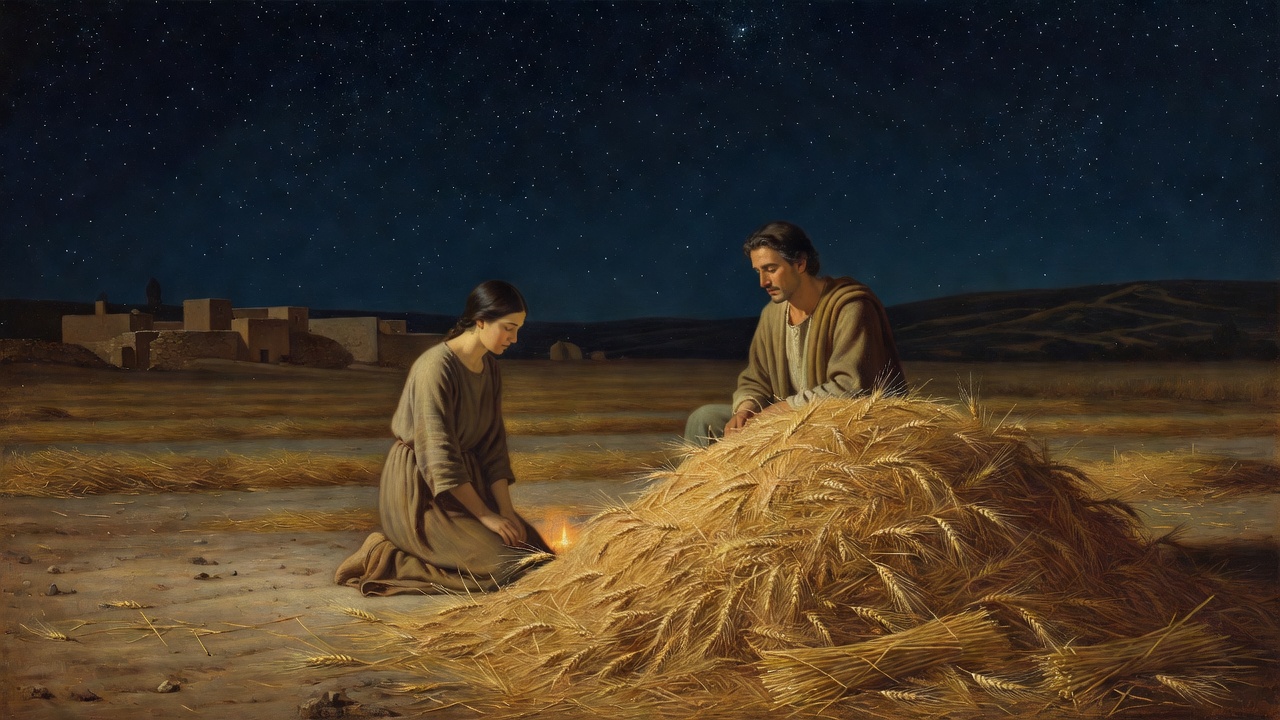
Rut en la Era
- El aventar la cebada solía realizarse al atardecer, cuando las brisas ayudaban a separar el grano de la paja. Propietarios como Booz pasaban la noche en la era durmiendo junto a las parvas para vigilar el grano cosechado.Fuentes: el propio texto bíblico
- Rut pidió a Booz que extendiera el borde de su manto sobre ella, una petición de protección y matrimonio bajo la costumbre del pariente redentor. Booz elogió su noble carácter y su lealtad al no buscar a hombres más jóvenes.Fuentes: el propio texto bíblico · Boaz
- Aunque Booz era un pariente adinerado de Noemí y de su difunto hijo Majlón, señaló que existía otro pariente más cercano que tenía el derecho legal prioritario para ejercer la redención.Fuentes: el propio texto bíblico · Boaz · Ruth
Notas escritas con ayuda de IA a partir de fuentes abiertas (Theographic Bible Metadata, CC BY-SA 4.0; Easton’s Bible Dictionary, dominio público) y revisadas antes de publicarse.
Créditos y licencia de esta traducción
KAKAƗYARI NIUKIEYA XAPAYARI WIXARIKAKƗ
The Holy Bible in the in Huichol language of Mexico, 2020 edition
La Santa Biblia en lengua huichol de México, edición 2020
copyright © 2020 Wycliffe Bible Translators, Inc.
Language: Huichol
Translation by: Wycliffe Bible Translators, Inc.
Huichol [hch], Mexico
Copyright Information
© 1988-2020, Wycliffe Bible Translators, Inc.
This translation text is made available to you under the
terms of the Creative Commons License: Attribution-Noncommercial-No Derivative Works.
( http://creativecommons.org/licenses/by-nc-nd/3.0/ )
In addition, you have permission to port the text to different file formats, as long as you
do not change any of the text or punctuation of the Bible.
You may share, copy, distribute, transmit, and extract portions
or quotations from this work, provided that you include the above copyright
information:
You must give Attribution to the work.
You do not sell this work for a profit.
You do not make any derivative works that change any of the actual words or punctuation of the Scriptures.
Permissions beyond the scope of this license may be
available if you contact
us with your request.
The Holy Bible
in Huichol
© 1988-2020, Wycliffe Bible Translators, Inc.
This translation is made available to you under the terms of the
Creative Commons Attribution-Noncommercial-No Derivatives license 4.0.
You may share and redistribute this Bible translation or extracts from it in any format, provided that:
You include the above copyright and source information.
You do not sell this work for a profit.
You do not change any of the words or punctuation of the Scriptures.
Pictures included with Scriptures and other documents on this site are licensed just for use with those Scriptures and documents.
For other uses, please contact the respective copyright owners.
2025-09-03
Fuente: http://ebible.org/hch/ · eBible.org