Juan 17
KAKAƗYARI NIUKIEYA XAPAYARI WIXARIKAKƗ · Toca un versículo para ver sus referencias cruzadas.
Ketsutsi kemɨtiyutanenewi yuhetsiemieme
1Merikɨtsɨ mɨpaɨ katinikuxatakaitɨni Ketsutsi, yuheima heutiniereka mɨpaɨ kaniutayɨni:
«Ne'ukiyari, tukariri kanaye'ani. Witsi'aneme kenayeitɨa 'aniwe, mɨkɨta 'aniwe witsipe'aneme mɨmatsi'ayeitɨanikɨ, 2heitserie pemipitɨa hepaɨ yunaime teɨteri wahepaɨtsita, mɨkɨ tukari mɨkaxɨwe mɨwapitɨakakɨ yunaime pemiyetuirie 'ekɨ. 3'Ikɨ tukari mɨkaxɨwe kanihɨkɨtɨni, memɨmatsimaikakɨ 'ekɨ pe'axewitɨ yuri pemɨkakaɨyari, memɨnetsimaikakɨ neta Ketsutsi Kɨritsitu pemɨnetsiheyenɨ'a. 4Ne kwiepa witsipe'aneme nekamenayeitɨani. Kepemɨnetiuhɨritɨa yanemɨtiyurienenikɨ, nekatinaye'atɨaniri. 5Hikɨri ne'ukiyari, 'ahetsɨa witsine'aneme kenenayeitɨa, witsinemɨ'anekai hepaɨ kwie kaxuawekaku 'akuxi.
Ketsutsi kemɨtiyutanenewi teyɨ'ɨkitɨwamete wahetsiemieme
6»Ne nepɨmatsi'utahekɨataxɨ 'ekɨ kepemɨ'ane mɨkɨ teɨteri wahɨxie, kwiepa memɨtama watsata miemete pemɨnetsiyetuiri wahɨxie, mepɨ'ateɨterimatɨkai, pepɨnetsiyetuiri mɨkɨ, 'aniukitsie yamekatenikahuni. 7Hikɨrixɨa mɨpaɨ mekatenetimani kename 'ahetsɨa timieme, tinaime pemɨnetiyetuiri. 8Niuki pemɨnetsiyetuiri nekaniwayetuirieni, mɨkɨrita mekanitanaki'erieni. Mɨpaɨ mekatenetimani, yurikɨ 'ahetsɨa nemeyetɨakɨ. Yuri mekateniuta'erieni kename penetsiheyenɨ'a. 9Wahetsiemieme nepɨmatsiwawirie. Kwiepa memɨtama wahetsiemieme nepɨkamatsiwawirie, mɨkɨ pemɨnetsiyetuiri wahetsiemieme pɨta nepɨmatsiwawirie, 'ateɨterima memɨhɨkɨkɨ. 10Naitɨ nepiini 'apiini katinihɨkɨtɨni, 'apiini nepiini tihɨkɨta. Wahetsie netiwiyatɨ witsine'anetɨ nekanayeitɨariwani. 11'Ari kwiepa nepɨka'uyeika, 'ikɨ matsi kwiepa mekaniu'uwani, ne 'ahetsɨa nekaniyemieni.
»Ne'ukiyari pemɨpatsie, keniwa'ɨwiyani mɨkɨ pemɨnetsiyetuiri 'ahetsɨa memɨmiemetekɨ, memɨyutaxewirekɨ ketemɨtetaxewi tame. 12Mexi wahamatɨa ne'uyeikakai nekaniwa'ɨwiyakaitɨni mɨkɨ pemɨnetsiyetuiri 'ahetsɨa memɨmiemetetɨkaikɨ. Nekaniwakweriekaitɨni, xewitɨ mɨkɨ pɨka'uta'unarie, 'iya xeikɨa 'unarikakɨ mɨ'ayumiemetɨkai kaniuta'unarieni 'utɨarika maye'anikɨ.
13»Hikɨ 'ahetsɨa nekaniyemieni, 'ipaɨ nekatinikuxatani kwiepa, yuhetsie netemawierika memexeiyanikɨ 'aye'arɨkame. 14Ne 'aniuki nekaniwayetuirieni, kwiepa memɨtama mekaniwaruti'uxiwe'erietɨkɨne kwiepa memɨkamiemetekɨ, ne kwiepa nemɨkamieme hepaɨ. 15Nepɨkamatsiwawirie pemɨwaranuwitɨnikɨ kwiepa memɨka'u'uwanikɨ, matsi nepɨmatsiwawirie pemɨwa'ɨwiyanikɨ tita 'axamɨti'ane hepaɨtsita. 16Kwiepa mepɨkamiemete ne kwiepa nemɨkamieme hepaɨ. 17Tita yuri mɨrainekɨ keniwapatani 'ahetsiemieme, 'aniuki kanihɨkɨtɨni tita yuri mɨraine. 18Kwiepa pemɨnetsiheyenɨ'a hepaɨ, neta nepɨwareutanɨ'axɨa kwiepa. 19Wahetsiemieme nepatsietɨ nepɨyɨane, mɨkɨrita 'ahetsiemieme memɨpatsienikɨ tita yuri mɨrainetsie metewiyatɨ.
Ketsutsi kemɨtiyutanenewi yunaime yuri memɨte'erie wahetsiemieme
20»'Ikɨ xeikɨa wahetsiemieme nepɨkamatsiwawirie. Matsi mɨkɨ nehetsie yuri memɨteta'erieni waniukikɨ, mɨkɨ wahetsiemieme nepɨmatsiwawirieta, 21yunaitɨ memɨyuxewinikɨ, ne'ukiyari 'aku, 'ekɨ nehetsie pemɨtiwiya hepaɨ, neta 'ahetsie nemɨtiwiya hepaɨ, mɨkɨrita tahetsie memɨtewiyanikɨ, kwiepa memɨtama yuri memɨteta'erienikɨ kename 'ekɨ penetsiheyenɨ'a. 22Witsine'aneme pemɨnetsi'ayeitɨa hepaɨ, neta mɨpaɨ me'aneneme nekaniwarayeitɨani memɨyuxewinikɨ tame temɨtetaxewi hepaɨ, 23ne wahetsie netiwiyakaku, 'ekɨta nehetsie petiwiyakaku, me'aye'atɨ memɨyutaxewirekɨ, kwiepa memɨtama memɨtemaikakɨ kename penetsiheyenɨ'a, kename mɨpaɨ petiwarutanaki'eri ne pemɨnetiutanaki'eri hepaɨ.
24»Ne'ukiyari, keyupaɨmeme pemɨnetsiyetuiri, mɨpaɨ pɨnetinake, hakewa nemeyeikani, mɨkɨta nehamatɨa meme'uwanikɨ, memɨnetsixeiyakɨ witsine'aneme kepemɨnerayeitɨa. Karikɨ 'ekɨ pekaneninaki'eriekaitɨni kwie 'akuxi kanewekaku.
25»Ne'ukiyari yapemɨtiyuriene kemɨtiheitserie, tsepa kwiepa memɨtama memɨkamatsihetimaiwawe, ne hɨrixɨa nepɨmatsimate. 'Ikɨ mɨpaɨ mekatenetimani kename penetsiheyenɨ'a. 26Ne nekaniwarutahekɨatɨani memɨmatsimaikakɨ 'ekɨ kepemɨ'ane, yaxeikɨa nekatiniwatahekɨatɨamɨkɨ, pemɨ'ahayewakɨ 'ekɨ pewanaki'erietɨ kepemɨnetinaki'eriekai ne, neta wahetsie nemɨtiwiyanikɨ».
¿Sabías que…?
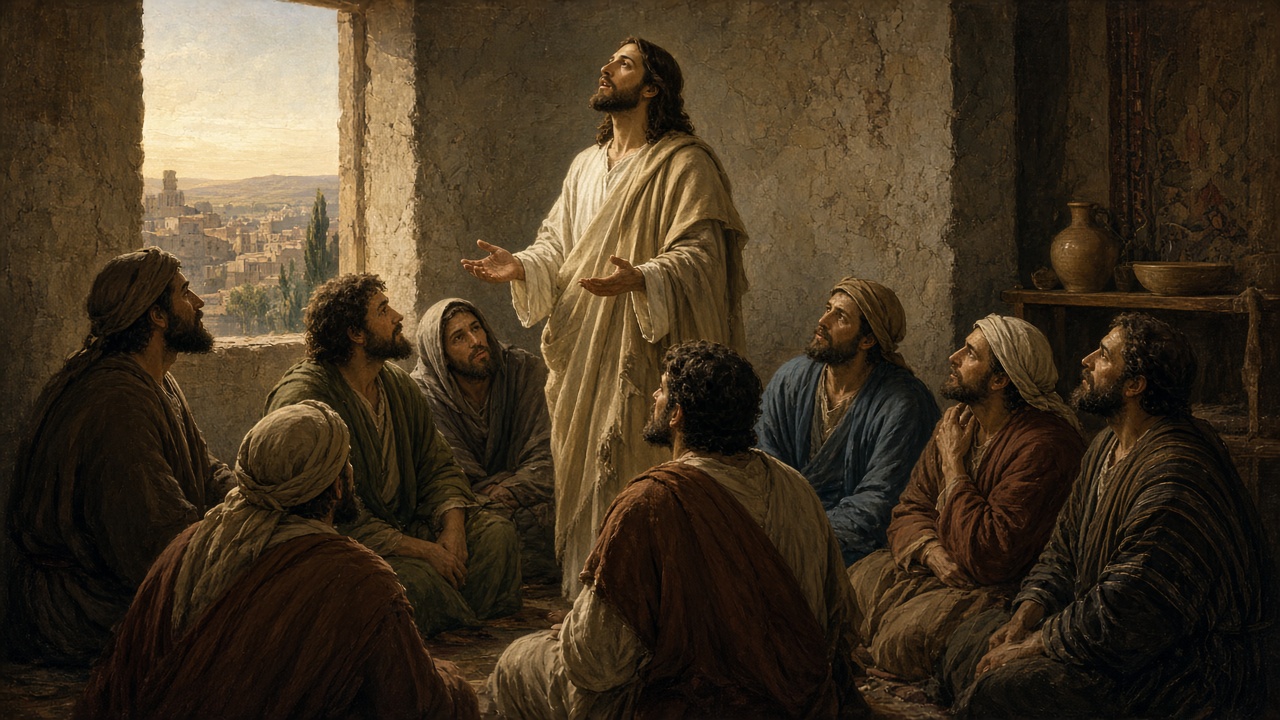
Juan 17: ha llegado la hora
- La oración comienza cuando Jesús, después de haber dicho estas cosas, alza los ojos al cielo y dice que ha llegado la hora. Se asocia con el Discurso del Aposento Alto, indicado como un día, y con la Semana Santa, indicada como ocho días.Fuentes: el propio texto bíblico · Upper Room Discourse · Holy Week
- Aquí la vida eterna es conocer al único Dios verdadero y a Jesucristo, a quien el Padre envió. Jesús también habla de la gloria que tenía con el Padre antes de que existiera el mundo y del amor del Padre por él antes de la fundación del mundo.Fuentes: el propio texto bíblico
- Ora por quienes el Padre le dio del mundo, los que han guardado la palabra, y también por quienes creerán por medio del mensaje de ellos, pidiendo que sean uno. No pide que sean sacados del mundo, sino que sean guardados del maligno y santificados por la verdad, que identifica como la palabra del Padre.Fuentes: el propio texto bíblico
Notas escritas con ayuda de IA a partir de fuentes abiertas (Theographic Bible Metadata, CC BY-SA 4.0; Easton’s Bible Dictionary, dominio público) y revisadas antes de publicarse.
Créditos y licencia de esta traducción
KAKAƗYARI NIUKIEYA XAPAYARI WIXARIKAKƗ
The Holy Bible in the in Huichol language of Mexico, 2020 edition
La Santa Biblia en lengua huichol de México, edición 2020
copyright © 2020 Wycliffe Bible Translators, Inc.
Language: Huichol
Translation by: Wycliffe Bible Translators, Inc.
Huichol [hch], Mexico
Copyright Information
© 1988-2020, Wycliffe Bible Translators, Inc.
This translation text is made available to you under the
terms of the Creative Commons License: Attribution-Noncommercial-No Derivative Works.
( http://creativecommons.org/licenses/by-nc-nd/3.0/ )
In addition, you have permission to port the text to different file formats, as long as you
do not change any of the text or punctuation of the Bible.
You may share, copy, distribute, transmit, and extract portions
or quotations from this work, provided that you include the above copyright
information:
You must give Attribution to the work.
You do not sell this work for a profit.
You do not make any derivative works that change any of the actual words or punctuation of the Scriptures.
Permissions beyond the scope of this license may be
available if you contact
us with your request.
The Holy Bible
in Huichol
© 1988-2020, Wycliffe Bible Translators, Inc.
This translation is made available to you under the terms of the
Creative Commons Attribution-Noncommercial-No Derivatives license 4.0.
You may share and redistribute this Bible translation or extracts from it in any format, provided that:
You include the above copyright and source information.
You do not sell this work for a profit.
You do not change any of the words or punctuation of the Scriptures.
Pictures included with Scriptures and other documents on this site are licensed just for use with those Scriptures and documents.
For other uses, please contact the respective copyright owners.
2025-09-03
Fuente: http://ebible.org/hch/ · eBible.org