Isaías 8
KAKAƗYARI NIUKIEYA XAPAYARI WIXARIKAKƗ · Toca un versículo para ver sus referencias cruzadas.
'Atsiriya, Yawé kemɨtikuyuitɨa
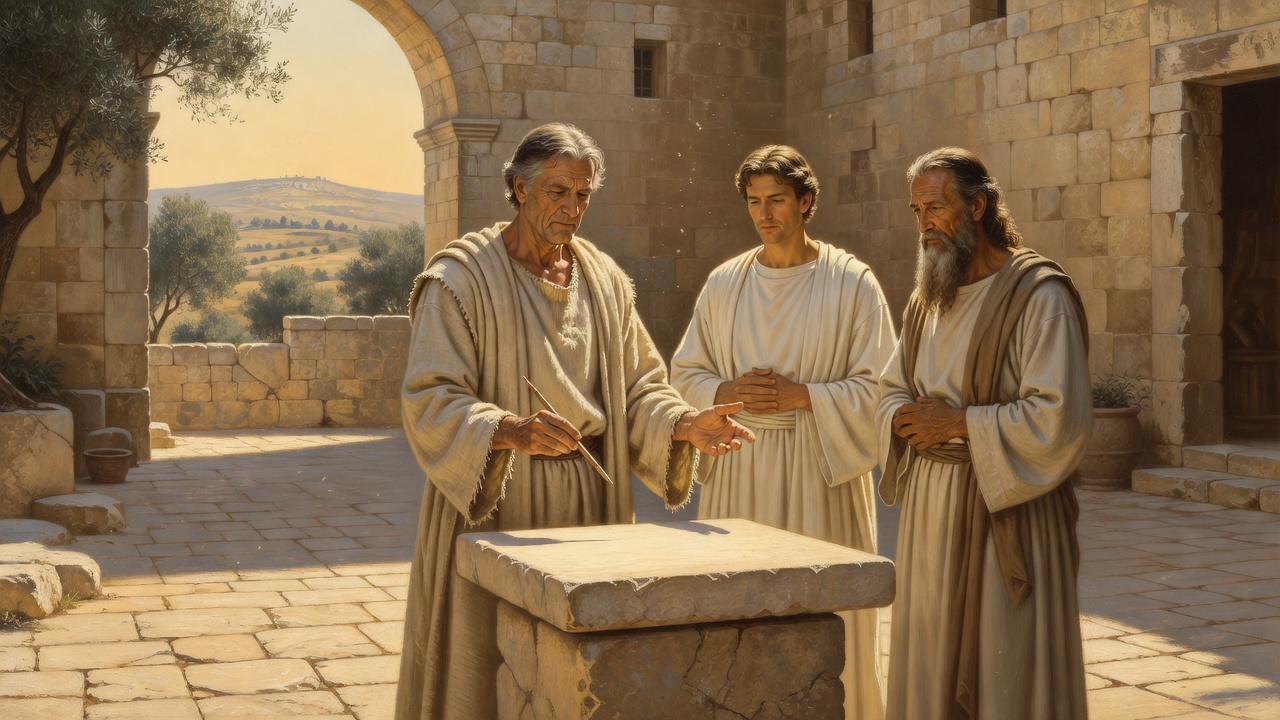
1Yawé mɨpaɨ kanetiniutahɨawe: «Xeime mexa 'a'atayeume keneuti'ɨka, ti'utɨwamekɨ mana ketinaka'utɨa: “Mahexi-Tsarari-Katsiwatsi hetsie timieme”. 2Ne nekaniwata'inimɨkɨ hipame 'aixɨa nemɨtiwamate memɨnenierekɨ, mawari wewiwame 'Uriyaxi meta Tsakariyaxi Kewerekiyaxi nu'aya».
3Hikɨ 'uka tixaxatame hamatɨa nekaniukahuni, mɨkɨ kaniutihukata, xeime nunutsi kaniutiniweni. Hikɨ Yawé mɨpaɨ kanetiniutahɨawe: «Mahexi-Tsarari-Katsiwatsi ketineuterɨwa. 4Mɨkɨ nunutsi “nepaapa” “nemaama” 'akuxi mɨtayɨni kayɨwekaku, Ramatsiku waɨkawa kemɨrexeiyakai meta Tsamariya piinitɨarika mɨra'iwakai 'Atsiriyatsie ti'aitame hetsɨa katinanɨtɨkiemɨkɨ».
5Yawé tawarita mɨpaɨ kanetiniutahɨawe:
6«'Ikɨ teɨteri memiku'eirikɨ
Tsiruhe hayari kayuwatɨ muhane
Xetsini hetsie pɨta memuyutemamawie
meta Xemariyaxi nu'ayatsie,
7Ti'aitame 'ari haa 'Eupɨrate hatɨayari wahetsie kaniwayenetɨamɨkɨ
haa waɨkawa mɨtɨrɨkaɨye:
ti'aitame 'Atsiriya kiekame kaniyɨanemɨkɨ kemɨtimariwe.
Naime haa manuyehapanekai tihɨniyame kanenatiyeuriexɨamɨkɨ,
hakewa meta'atɨkatsie panakayeurieni.
8Kura kwieyaritsie paitɨ kaniye'amɨkɨ, kanikayunitɨamɨkɨ,
kɨipitɨana paitɨ kaniuku'atɨyeimɨkɨ.
Neuxei 'Emanuheri, yu'anate taweratɨkaitɨ,
'akwie kemɨyewa kananukanamɨkɨ».
9'Ikɨ xekeneu'eni, nuiwarite,
yunaitɨ nuiwarite 'ateewa kietari:
Xekeneutihiwa kuyaxa miemekɨ,
xekanakawitekiexɨakuni.
Xekeneuyukuha'aritɨa kuyaxa xemuhukɨ,
xekanititsanariexɨakuni.
Xekeneuyukuha'aritɨa kuyaxa xemuhukɨ,
temɨxiki xepayeitɨarieni.
10Yaxeketeneu'utɨa kexemɨteyurieni,
matsi kanitayeitɨariemɨkɨ,
Yaxeketeneuxata,
matsi mɨkɨ yapɨkatiyɨni,
Kakaɨyari tahamatɨa muyeikakɨ.
Kakaɨyari teke'ayemakaka
11Yawé karima kaneniutahɨawe mɨpaɨ kanetinayehɨtɨani kename 'ikɨ teɨteri wahuye neka'uweiyani. Mɨpaɨ kanetiniutahɨawe:
12«Xeme 'ikɨ teɨteri 'iya memaye'unie memɨte'uterɨwa
xemeta mɨpaɨ mɨkɨ xepɨkate'uterɨwani,
tita mɨkɨ memɨtemakaxe xeme mɨkɨ xepɨkatemakaxeni,
meta xemɨmariutsiekakɨ xepɨkayupitɨaka.
13Yawé Naimekɨmɨtɨrɨkaɨye xeikɨa
xeme patsiekame xekanayeitɨakakuni,
mɨkɨ xeikɨa xekanayexeiyakakuni,
mɨkɨ xeikɨa xekanayemakaxekakuni.
14Yawé tuki kanihɨkɨtɨkamɨkɨ.
Matsi tete kanihɨkɨtɨkamɨkɨ hetsiena memɨtiketamɨrike
'Ixaheritsie nuiwarite memuyuhuta wahetsiemieme,
mɨkɨ tete puwarekaxɨrieni.
Kerutsareme kiekatari wahetsiemieme
Kaunari kanayeimɨkɨ meta winiyari.
15Yuwaɨkawatɨ mekanitiketamɨrixɨakuni,
mekanekaxɨrikuni meta mekanitimurixɨakuni.
Winiyari mekaniwɨtɨiyariekuni,
mɨkɨtsie mekaniwɨrikuni».
16Kepemɨtiwatahekɨatɨanikɨ mɨ'ayumieme 'aixɨa ketineu'uta,
keneutseyuma 'inɨari niukiyari memɨnetsi'aweiya watsata.
17Yawé katiniuhayewa
Kakuwu kiekarieya xeiyatɨ,
peru ne hetsiena netiwiyatɨ nepɨta'ikwewani,
mɨkɨtsie kenemɨtita'ikwewa nekanexeiyani.
18'Ena xepɨnetsixeiya, neniwemama Yawé mɨnetsiyetuiri wahamatɨa. 'Ixaheritsie 'uxa'atɨni kemɨtiyɨni 'inɨari tepɨhɨkɨ Yawé Naimekɨmɨtɨrɨkaɨye hetsiemieme, Tsiyuni hɨriyaritsie 'amuka.
19Xɨka xewitɨ mɨpaɨ xerahɨaweni: «Mɨkite wahamatɨa memɨtekuxata meta memɨtehetimamateke wikixi wahepaɨ me'utiyuatɨ wahetsɨa tepɨta'iwauni, ¿tamɨ kareuyewetse teɨteri yukakaɨyarixi memɨwarahɨawenikɨ meta mɨkite, memu'uwa wahetsiemieme?», 20ne mɨpaɨ nekatinixehahɨaweni: «'Inɨari niukiyari meta kepemɨtiwatahekɨatɨanikɨ mɨ'ayumiemetsie xeketenewiyani». Kemɨ'ane mɨkɨtsie tiwiyatɨ mɨtihayewa, 'uxa'atɨni pɨkakahekɨariwiyarieni.
21Xeme xekaniyeha'akuni kepauka xemu'uximatɨarieka meta xeyehakakwitɨwetɨ kwiepa naitsarie xeku'uwatɨ. 'Ana teikɨ xehenenieretɨ, ti'aitame meta Kakaɨyari wahepaɨtsita 'axaxekanitiyuakuni, 22meta kwiepa mekanenieretɨ, 'uximatɨarika xeikɨa mepɨxeiya, yɨriya meta marika 'etɨriya tsata, mewatiyɨwitsie yuheyemekɨ mekaneukaxɨriyakuni.
¿Sabías que…?
La Inundación Inminente y la Señal Fiel
- El nombre Maher-salal-has-baz significa "el despojo se apresura; la presa se precipita". A Isaías se le ordenó registrar este nombre públicamente ante testigos confiables —el sacerdote Urías y Zacarías— y luego dárselo a su hijo recién nacido, como señal de que Damasco y Samaria pronto serían saqueadas por el rey de Asiria.Fuentes: el propio texto bíblico · Maher-shalal-hash-baz · Urijah
- El pasaje contrasta las aguas de Siloé, que fluyen suavemente en Jerusalén, con las caudalosas aguas del río Éufrates. Como el pueblo rechazó la confianza serena, la imagen representa al rey invasor de Asiria arrasando la tierra como una inundación devastadora que llega hasta el cuello.Fuentes: el propio texto bíblico · Shiloah · River · Assyria
- Isaías se presenta a sí mismo y a sus hijos como señales y símbolos vivos dados por el Señor a Israel. En un tiempo de crisis nacional, advierte al pueblo que no debe consultar a médiums ni a espiritistas que murmuran, insistiendo en que deben buscar a Dios y Su testimonio.Fuentes: el propio texto bíblico
Notas escritas con ayuda de IA a partir de fuentes abiertas (Theographic Bible Metadata, CC BY-SA 4.0; Easton’s Bible Dictionary, dominio público) y revisadas antes de publicarse.
Lugares de este capítulo
- Assyria · 36.359, 43.153 · versículos 4, 7
- Damascus · 33.511, 36.306 · versículo 4
- Samaria · 32.276, 35.195 · versículo 4
- Shiloah · Hoy: Pool of Siloam · 31.771, 35.235 · versículo 6
- Euphrates · Hoy: Euphrates River · 31.004, 47.442 · versículo 7
- Jerusalem · 31.777, 35.234 · versículo 14
- Mount Zion · 31.772, 35.229 · versículo 18
Solo aparecen lugares identificados con alta confianza (90 % o más según las fuentes académicas reunidas por OpenBible). Mapa de la época: DARE (Digital Atlas of the Roman Empire), CC BY 4.0; mapa actual: © colaboradores de OpenStreetMap; lugares: OpenBible.info (CC BY 4.0).
Créditos y licencia de esta traducción
KAKAƗYARI NIUKIEYA XAPAYARI WIXARIKAKƗ
The Holy Bible in the in Huichol language of Mexico, 2020 edition
La Santa Biblia en lengua huichol de México, edición 2020
copyright © 2020 Wycliffe Bible Translators, Inc.
Language: Huichol
Translation by: Wycliffe Bible Translators, Inc.
Huichol [hch], Mexico
Copyright Information
© 1988-2020, Wycliffe Bible Translators, Inc.
This translation text is made available to you under the
terms of the Creative Commons License: Attribution-Noncommercial-No Derivative Works.
( http://creativecommons.org/licenses/by-nc-nd/3.0/ )
In addition, you have permission to port the text to different file formats, as long as you
do not change any of the text or punctuation of the Bible.
You may share, copy, distribute, transmit, and extract portions
or quotations from this work, provided that you include the above copyright
information:
You must give Attribution to the work.
You do not sell this work for a profit.
You do not make any derivative works that change any of the actual words or punctuation of the Scriptures.
Permissions beyond the scope of this license may be
available if you contact
us with your request.
The Holy Bible
in Huichol
© 1988-2020, Wycliffe Bible Translators, Inc.
This translation is made available to you under the terms of the
Creative Commons Attribution-Noncommercial-No Derivatives license 4.0.
You may share and redistribute this Bible translation or extracts from it in any format, provided that:
You include the above copyright and source information.
You do not sell this work for a profit.
You do not change any of the words or punctuation of the Scriptures.
Pictures included with Scriptures and other documents on this site are licensed just for use with those Scriptures and documents.
For other uses, please contact the respective copyright owners.
2025-09-03
Fuente: http://ebible.org/hch/ · eBible.org