Amós 4
KAKAƗYARI NIUKIEYA XAPAYARI WIXARIKAKƗ · Toca un versículo para ver sus referencias cruzadas.
1'Ikɨ niuki xeme xekeneu'eni, wakaitsixi Watsani miemete,
Tsamariya hɨriyaritsie xemu'uwa,
haweri memɨ'anene xemɨwananaima
meta tixaɨtɨ memɨkatehexeiya,
yɨkɨnama mɨpaɨ xemɨtewakɨhɨawe:
«Xeketatenahapaniri tepanu'ieni».
2Yawé naimekɨmɨyɨwe mɨpaɨ kanaineni kemɨtipatsiekɨ:
«Tukari kanaye'amɨkɨ xeme xenuiwaritsie, 'imatɨrieka mieme
kananuhaniemɨkɨ tepɨa 'utakeitsitɨarietɨ.
3Kuraru haxawakaku xekananetɨariekuni yu'utɨa xeheu'utɨ,
Heximuni hɨriyaritsie xekanitiyunitɨariekuni
—Yawé mɨpaɨ kanaineni—.
4»Xekenehu Weteri mana 'axaxeketeneyurieka.
Kirikari xekenehu manata yaxeikɨa 'axaxeketeneyurieka,
ximeri xeketenemawatɨweni,
meta hairieka tukaritsie tamamata hetsiemieme xeime xekeneyetuayani.
5Paa mukuxanariyarie xekenetitaiyani pamɨpariyutsi mawariyari mɨhɨkɨtɨnikɨ
meta hipame xeketeniwarutaxatɨa mawari memɨyetuanikɨ kememɨteyuwaɨriya.
Yaxeketeneuyuri yunaitɨ 'ixaheritsixi yamemɨtehetimanikɨ,
mɨkɨ xeme mɨxenakekɨ
—Yawé naimekɨmɨyɨwe mɨpaɨ kanaineni—.
'Ixaheritsixi kememɨkateyuwaɨriya
6»Ne haaka nekaniutixuawitɨani naitsarie xekiekaritetsie,
paa memɨkakwakakɨ yanepɨtiuyuri xemukutetɨkatsie.
Mɨyatɨtɨ, xeme nehetsɨa xepɨka'u'axɨa
—Yawé mɨpaɨ kanaineni—.
7»Ne yanepɨtiuyuri mɨkakawiyekɨ
kepauka meuyewekai 'akuxi haika metseri mɨtika'itsanatɨtsie.
Xeime kiekariyaritsie pukawiyexɨ,
xaɨtsieta hawaikɨ,
xeime 'etsarita xeikɨa pukawiyexɨ,
xaɨtsie pɨka'ukawiyexɨ, 'ayumieme pɨtiutiwa.
8Hau'erietɨ mekaneu'uwakaitɨni tsepa kemɨ'ane kiekaritsie teɨteri haa mekuwautɨwetɨ,
peru yaxeikɨa mepɨteheuharikukai.
Mɨyatɨtɨ, xeme nehetsɨa xepɨka'u'axɨa
—Yawé mɨpaɨ kanaineni—.
9»Wa'etsaripa 'utsikari wahekɨ nepɨwaru'uximatɨa meta mɨtitiwanikɨ,
'utsikari naime mepɨteheukuxɨxɨa waharawerita meta kaxie memɨwa'etsatsie,
wapiní meta wahuriwu.
Mɨyatɨtɨ, xeme nehetsɨa xepɨka'u'axɨa
—Yawé mɨpaɨ kanaineni—.
10»Waɨkawa 'uximatɨarika nepenɨ'a
'Ekipitu hepaɨ.
Temari 'aixɨa memɨ'anene 'ixiparakɨ nepɨwarukwi,
wakawayutsixi yunaitɨ meputiwiyarie.
Yanepɨtiuyuri yutsurita memi'ɨkwekɨ
mɨkite wa'ɨakariyari.
Mɨyatɨtɨ, xeme xepɨkanetsihaye'eri
—Yawé mɨpaɨ kanaineni—.
11»Ne nepɨxe'uka'unaxɨ
Tsuruma meta Kumuxa hepaɨ,
tɨɨyari xeikɨa xepuyuhayewaxɨ tai mihayewaxɨ hepaɨ.
Mɨyatɨtɨ, xeme xepɨkanetsi'aye'eri
―Yawé mɨpaɨ kanaineni―.
12»'Ixaheri, 'ayumieme hikɨta nepɨmetika'enitsitɨani,
yanemɨtiyurienikɨ,
'Ixaheri, keneyukuha'aritɨwani, 'akakaɨyari pemanunakekɨ».
13Ne nekanihɨkɨtɨni hɨri nemɨtiwewiwa,
meta 'eka nemunenetɨwa,
ne nekanihɨkɨtɨni tewi kemɨtiyurieni nemihekɨata,
meta hekɨariya yɨriya nemunenetɨwa,
meta kwie heima nemuyeika:
Yawé Kakaɨyari Naimekɨmɨtɨrɨkaɨye nekatinitewaka.
¿Sabías que…?
Advertencias desoídas y el Dios de los Ejércitos
- Amós se dirige a las mujeres ricas y opresoras de Samaria llamándolas vacas de Basán. Samaria era la capital del reino del norte de Israel, construida sobre una colina, mientras que Basán era una región fértil al norte de Galaad, famosa por sus abundantes pastos.Fuentes: el propio texto bíblico · Samaria · Bashan
- El profeta invita con ironía al pueblo a llevar sacrificios y diezmos a Betel y a Gilgal. Ambos lugares poseían una profunda relevancia histórica y religiosa en Israel, pero se habían convertido en centros de rituales vacíos y transgresión.Fuentes: el propio texto bíblico · Bethel (of Palestine) · Gilgal
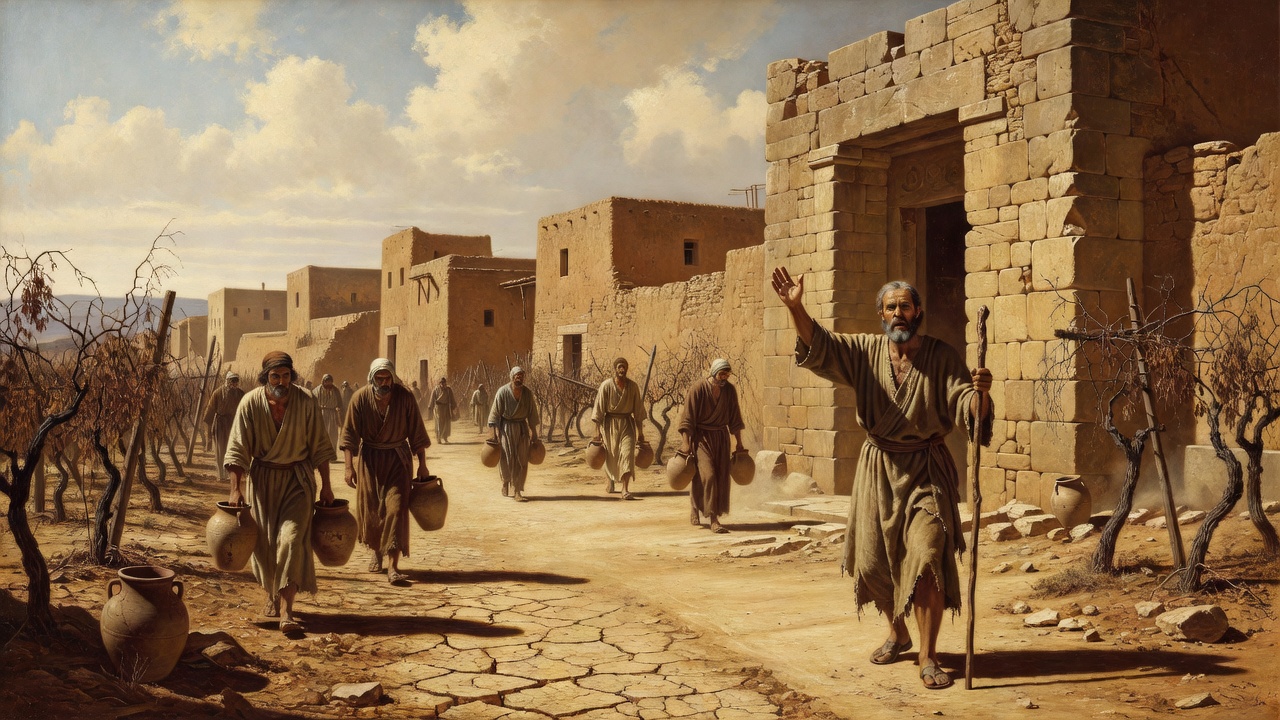
- Amós enumera una serie de advertencias divinas mediante desastres naturales y militares, como sequías severas, plagas de langostas, pestilencias semejantes a las de Egipto y derrotas en el campo de batalla. A pesar de cada calamidad, el texto repite el estribillo de que el pueblo no se volvió a Dios.Fuentes: el propio texto bíblico · Egypt
Notas escritas con ayuda de IA a partir de fuentes abiertas (Theographic Bible Metadata, CC BY-SA 4.0; Easton’s Bible Dictionary, dominio público) y revisadas antes de publicarse.
Lugares de este capítulo
- Bashan · 32.781, 35.935 · versículo 1
- Samaria · 32.276, 35.195 · versículo 1
- Egypt · 30.129, 31.308 · versículo 10
Solo aparecen lugares identificados con alta confianza (90 % o más según las fuentes académicas reunidas por OpenBible). Mapa de la época: DARE (Digital Atlas of the Roman Empire), CC BY 4.0; mapa actual: © colaboradores de OpenStreetMap; lugares: OpenBible.info (CC BY 4.0).
Créditos y licencia de esta traducción
KAKAƗYARI NIUKIEYA XAPAYARI WIXARIKAKƗ
The Holy Bible in the in Huichol language of Mexico, 2020 edition
La Santa Biblia en lengua huichol de México, edición 2020
copyright © 2020 Wycliffe Bible Translators, Inc.
Language: Huichol
Translation by: Wycliffe Bible Translators, Inc.
Huichol [hch], Mexico
Copyright Information
© 1988-2020, Wycliffe Bible Translators, Inc.
This translation text is made available to you under the
terms of the Creative Commons License: Attribution-Noncommercial-No Derivative Works.
( http://creativecommons.org/licenses/by-nc-nd/3.0/ )
In addition, you have permission to port the text to different file formats, as long as you
do not change any of the text or punctuation of the Bible.
You may share, copy, distribute, transmit, and extract portions
or quotations from this work, provided that you include the above copyright
information:
You must give Attribution to the work.
You do not sell this work for a profit.
You do not make any derivative works that change any of the actual words or punctuation of the Scriptures.
Permissions beyond the scope of this license may be
available if you contact
us with your request.
The Holy Bible
in Huichol
© 1988-2020, Wycliffe Bible Translators, Inc.
This translation is made available to you under the terms of the
Creative Commons Attribution-Noncommercial-No Derivatives license 4.0.
You may share and redistribute this Bible translation or extracts from it in any format, provided that:
You include the above copyright and source information.
You do not sell this work for a profit.
You do not change any of the words or punctuation of the Scriptures.
Pictures included with Scriptures and other documents on this site are licensed just for use with those Scriptures and documents.
For other uses, please contact the respective copyright owners.
2025-09-03
Fuente: http://ebible.org/hch/ · eBible.org