Salmos 27
Bib Sen An · Toca un versículo para ver sus referencias cruzadas.
Yon sòm David
1SENYÈ a se limyè mwen e sali mwen.
Se kilès pou m ta pè? SENYÈ a se
defans lavi mwen.
Se kilès k ap fè m gen laperèz?
2Lè malfektè yo te rive sou mwen
pou yo ta devore chè m,
advèsè mwen yo ak lènmi m yo
te chape tonbe.
3Malgre yon lame ta fè kan kont mwen, kè m p ap pè.
Malgre lagè leve kont mwen,
malgre sa, m ap gen konfyans.
4Yon sèl bagay ke m te mande a SENYÈ a;
se li mwen va chache:
pou m ta kab rete lakay SENYÈ a
tout jou lavi m yo,
pou m kab gade bèlte SENYÈ a, e
reflechi jis nan fon kè m nan tanp Li an.
5Paske nan jou twoub la,
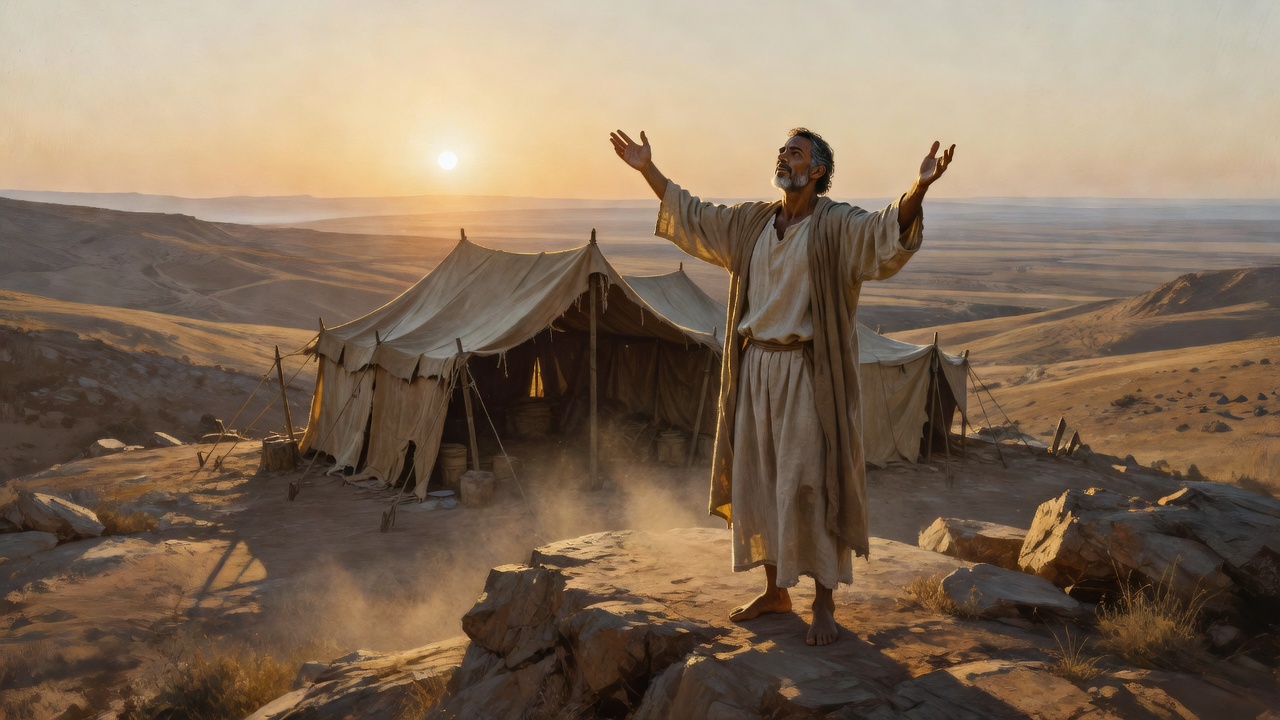
Li va kache mwen nan tabènak Li.
Nan plas sekrè kote tant Li an ye a,
se la Li va fè m kache.
Li va leve mwen sou yon wòch.
6Epi koulye a, tèt mwen va vin leve wo
sou lènmi m ki antoure m yo.
Konsa, mwen va ofri nan tant Li sakrifis avèk gwo kri lajwa.
Mwen va chante, wi, mwen va chante lwanj a SENYÈ a.
7Tande, O SENYÈ, lè m kriye avèk vwa m.
Fè m gras e reponn mwen.
8Lè Ou te di m: “Chache wè figi Mwen”,
kè m te di Ou: “Figi Ou menm, O SENYÈ,
se li mwen va chache.”
9Pa kache figi Ou de mwen.
Pa detounen sèvitè Ou a pa deyò nan kòlè Ou.
Se Ou ki konn sekou mwen.
Pa abandone mwen, ni kite m sèl,
O Bondye delivrans mwen an.
10Paske papa m ak manman m te abandone mwen,
Men SENYÈ a va ranmase mwen.
11Enstwi mwen nan chemen Ou, O SENYÈ.
Mennen m nan yon wout ki a nivo, akoz lènmi mwen yo.
12Pa livre mwen de dezi lènmi mwen yo,
paske fo temwen yo vin leve kont mwen,
sila k ap respire vyolans yo.
13Mwen toujou gen konfyans sa a:
ke m va wè bonte SENYÈ a nan peyi a vivan yo.
14Tann SENYÈ a.
Kenbe fòs Ou e kite kè Ou pran kouraj.
Wi, tann SENYÈ a.
¿Sabías que…?
Confianza en la Protección y Presencia de Dios
- El salmo asocia repetidamente la seguridad divina con el espacio sagrado, describiendo la presencia de Dios como un refugio, una tienda y una casa donde el adorador puede contemplar la hermosura de Dios y ofrecer sacrificios con música y alegría.Fuentes: el propio texto bíblico
- Las amenazas descritas abarcan desde ejércitos acampados y guerras hasta peligros jurídicos y personales, en particular testigos falsos que se levantan respirando violencia contra el salmista.Fuentes: el propio texto bíblico
- La expresión buscar el rostro de Dios es fundamental en la súplica del salmista, pues representa el anhelo de comunión relacional directa y favor divino, en contraste con el ocultamiento o el abandono.Fuentes: el propio texto bíblico
Notas escritas con ayuda de IA a partir de fuentes abiertas (Theographic Bible Metadata, CC BY-SA 4.0; Easton’s Bible Dictionary, dominio público) y revisadas antes de publicarse.
Créditos y licencia de esta traducción
Bib Sen An
The Holy Bible in Haitian Creole, 2023 update
copyright © 2017-2023 Ron Smith
Language: Kreyòl Ayisyen (Haitian)
Translation by: Ron Smith
Contributor: Felix Nixon
This translation is made available to you under the terms of the
Creative Commons Attribution Share-Alike license 4.0.
You have permission to share and redistribute this Bible translation in any format and to make reasonable revisions and adaptations of this translation, provided that:
You include the above copyright and source information.
If you make any changes to the text, you must indicate that you did so in a way that makes it clear that the original licensor is not necessarily endorsing your changes.
If you redistribute this text, you must distribute your contributions under the same license as the original.
Pictures included with Scriptures and other documents on this site are licensed just for use with those Scriptures and documents.
For other uses, please contact the respective copyright owners.
Note that in addition to the rules above, revising and adapting God's Word involves a great responsibility to be true to God's Word. See Revelation 22:18-19.
2026-06-11
Fuente: http://ebible.org/hatbsa/ · eBible.org