Apocalipsis 7
Cohamacʉ Yare Yahari Tjuel · Toca un versículo para ver sus referencias cruzadas.
Israe masa pjacʉrire Cohamacʉ to wama ña õhtore yahuha João
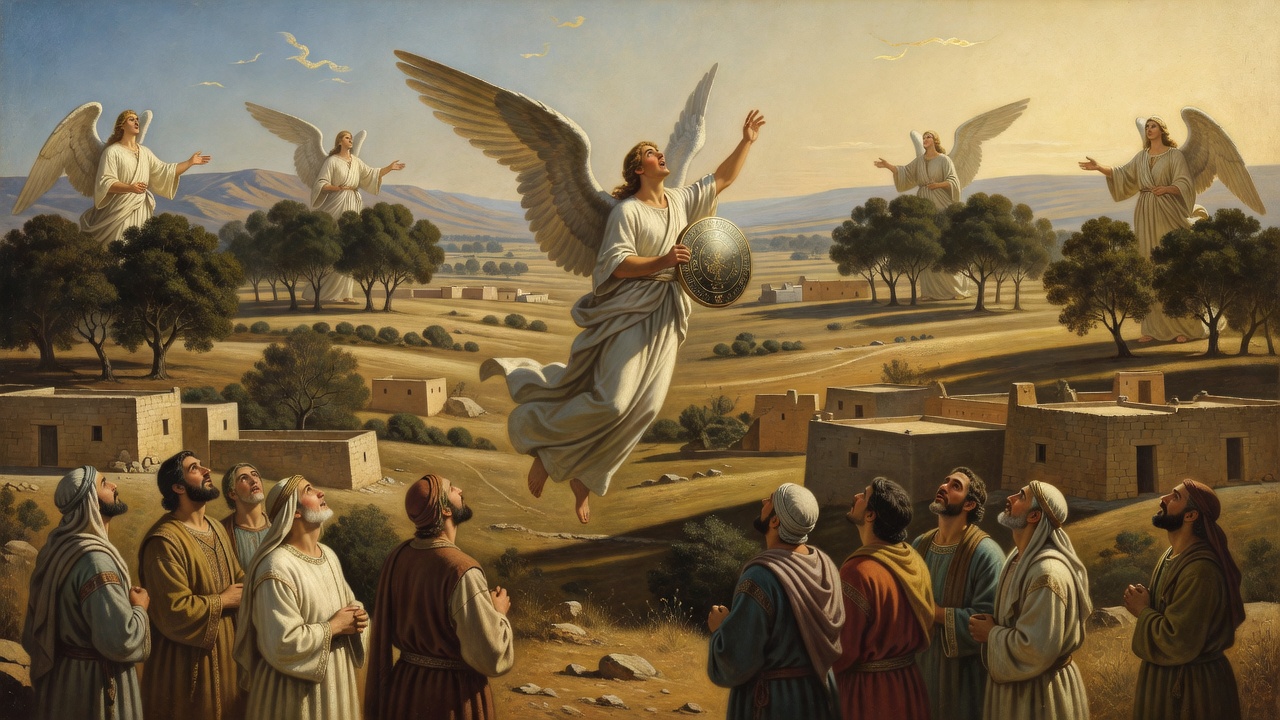
1Baharo pititiaro anjoare ñʉhi. Tina jipihtiropʉ wahahre. Cʉ̃iro nortepʉ waharo tópʉ tari wihnonore taerachʉ yoahre. Pairo surpʉ, pairo sʉ̃ mʉja taropʉ, pairo sʉ̃ sãanopʉ wahahre. Nortepʉ wahariro yoaro seheta yoahre tina cʉ̃hʉ. Ã jiro ahri yahpapʉ, pjiri mapʉ cʉ̃hʉre ne wihnono taerare. Ne cʉ̃dʉ yucʉcʉre wihnono wã ñuhmichʉ yoaerare. 2Ã yoa pairo anjore ñʉhi tjoa. Sʉ̃ mʉja taropʉ taro nihre tiro. Cohamacʉ catiriro to wama ña õnore na taro nihre tiro. Ã na taro paina pititiaro anjoare tiro sañurucuhre. Tina anjoa sehe ahri yahpare, pjiri ma cʉ̃hʉre Cohamacʉ to dojomehne dutiina jihre. 3Tinare sañurucuro õ sehe nihre anjo:
—Cohtasiniga. Cohamacʉre dahra cohtaina ti wʉhdʉa pocare to wamare õna tana nija. Sã ã õhto pano ahri yahpare, pjiri mare, yucʉri cʉ̃hʉre dojomehnesiniena tjiga mʉsa —nihre tiro paina pititiaro anjoare.
4Ã jiro Cohamacʉ to wama mehne ti wʉhdʉa pocare ti õhtinare “Õpeina jira”, ni yahuhre yʉhʉre cʉ̃iro. Israe masa doce curuari macaina ciento cuarenta y cuatro mil masa ti õhtina jiyuhti. 5Ahrina jiyuhti ti õhtina: Doce mil masa Juda panamana ji turiaina ti õhtina jihre. Paina doce mil masa Rubẽ panamana ji turiaina ti õhtina jihre. Paina doce mil masa Gad panamana ji turiaina ti õhtina jihre. 6Paina doce mil masa Aser panamana ji turiaina, paina doce mil masa Neftalí panamana ji turiaina, paina doce mil masa Manase panamana ji turiaina ti õhtina jihre. 7Paina doce mil masa Simeo panamana ji turiaina, paina doce mil masa Leví panamana ji turiaina, paina doce mil masa Isacar panamana ji turiaina ti õhtina jihre. 8Paina doce mil masa Zabulõ panamana ji turiaina, paina doce mil masa José panamana ji turiaina, paina doce mil masa Benjami panamana ji turiaina ti õhtina jihre. Tópeinata jipihtina masa ciento cuarenta y cuatro mil to wama mehne ti õhtina jihre.
Payʉ yehsea suhti tiinare yahuha João marine
9Baharo payʉ masare ñʉhi. Jipihtia yahpari macainare, jipihtia curuari macainare, jipihtia dʉseri durucuinare, jipihtia macari macainare cãinare Cristore cahmaina dihtare tói ducuinare ñʉhi. Pʉhtoro to dujiro panoi, Cordero panoi ducuhre tina masa. Payʉ masa jihre. Ã jia quihõ bihoina jierare. Yehsea suhti tiina jihre tina. Ã yoa pjaa põ pũrine cjʉahre. 10Ã jia tina jipihtina õ sehe ni tuaro sañurucuhre:
“Cohamacʉ jira sãre yʉhdʉchʉ yoariro.
Tiro to dujiroi dujiriro jira.
Cordero cʉ̃hʉ sãre yʉhdʉchʉ yoariro jira”,
ni sañurucuhre tina. 11Ã jia jipihtina anjoa, Jesu yaina pʉhtoa cʉ̃hʉ, soro bajuina mehne pʉhtoro to dujiro cahai ducuhre. Ã ducua to dujiro panoi doca caha sʉ, Cohamacʉre wahche payohre. 12Õ sehe ni wahche payohre tina:
“Ã tjira.
Cohamacʉ sã pʉhtoro mʉhʉre noano durucuja.
Noa yʉhdʉariro, masi pahñoriro jira mʉhʉ.
Mʉhʉre ‘Noana’, nija.
Mʉhʉre ño payoja.
Tua yʉhdʉariro jira mʉhʉ.
Mʉ tuaa mehne yoariro jira mʉhʉ.
Tó seheta jirucuriro jira mʉhʉ jipihtia dachoripe.
à tjira”,
ni wahche payohre tina.
13Ti ã nichʉ tʉhoro cʉ̃iro Jesu yaina pʉhtoa mehne macariro yʉhʉre õ sehe ni sinituhre:
—¿Ahrina yehsea suhti tiinare masijari mʉhʉ? ¿Ti tarirore masijari mʉhʉ? —ni sinitu ñʉhre yʉhʉre.
14To ã nichʉ tʉhocʉ:
—Masieraja —ni yʉhtihi.
—¿Noa jijari tina? —ni sinituhi tirore.
Yʉ ã nichʉ tʉhoro õ sehe nihre yʉhʉre:
—Ahrina ñabiaro yʉhdʉri dacho jichʉ cʉ̃no pjaina jira. Ti suhti cosawerina ti jiro seheta Cordero to di cohãno mehne ti ñaa buhirire cosawerina jira. Ã jia noano yehsea suhti tiina jira. 15Ã to cosawerina jia Cohamacʉ to dujiro panoi tirore ã ño payorucura. Dachoripe, ñaminipe tirore ã ño payorucura, sacerdotea Cohamacʉ wʉhʉi ti yoariro seheta. Ã jiro tina mehne ã jirucuro, tinare yoadohorohca Cohamacʉ “Soro wahari”, nino. 16Ne pari turi jʉca baasi tina. Ã jia ñahma yapiosi tina. Ne sʉ̃ dacho macariro siro tinare ne jʉ̃ pjasi. Tuaro sia tinare ñano yʉhdʉchʉ yoasi. 17Pʉhtoro dujiro potoi ducuriro Cordero tinare ñʉ wihborohca. Ovejare ñʉ wihboriro yoaro sehe tinare ñʉ wihborohca. Ã ñʉ wihboro mári pohtaripʉ catichʉ yoaa mári pohtaripʉ tinare mʉ tã wahcãnohca, ovejare ñʉ wihboriro to mʉ tãno seheta. Ã yoaro ã wahcherucuchʉ yoarohca tinare. Ã jia ne pari turi tiisi tina —ni yahuhre Jesu yaina pʉhtoa mehne macariro yʉhʉre.
¿Sabías que…?
Las tribus selladas y la gran multitud
- Apocalipsis 7 presenta el número de los sellados como 144,000, doce mil de cada una de las tribus de Israel nombradas en el capítulo. Israel era otro nombre de Jacob, el segundo de los hijos gemelos de Isaac y Rebeca; el Easton's Bible Dictionary (1897) explica el nombre de Jacob como alguien que sigue los talones de otro, o un suplantador.Fuentes: el propio texto bíblico · Jacob (Israel)
- Aunque Rubén era el hijo mayor de Jacob y Lea, la lista de los sellados comienza con Judá y luego nombra a Rubén. La lista incluye también tanto a José como a Manasés; Manasés era el hijo mayor de José, y Jacob lo adoptó a él y a su hermano Efraín como hijos propios.Fuentes: el propio texto bíblico · Reuben · Manasseh (son of Joseph)
- Después del sellado, la visión muestra una multitud demasiado grande para contarse, de toda nación, tribu, pueblo y lengua, de pie ante el trono y el Cordero, con vestiduras blancas y ramas de palma en las manos. Uno de los ancianos dice que han salido de la gran tribulación y han lavado sus vestiduras, dejándolas blancas en la sangre del Cordero.Fuentes: el propio texto bíblico
Notas escritas con ayuda de IA a partir de fuentes abiertas (Theographic Bible Metadata, CC BY-SA 4.0; Easton’s Bible Dictionary, dominio público) y revisadas antes de publicarse.
Créditos y licencia de esta traducción
Cohamacʉ Yare Yahari Tjuel
New Testament in Guanano
copyright © 2007 Wycliffe Bible Translators, Inc.
Language: Guanano
Translation by: Wycliffe Bible Translators, Inc.
Copyright Information
© 2007, Bible League International. All rights reserved.
This translation text is made available to you under the
terms of the Creative Commons License: Attribution-Noncommercial-No Derivative Works.
( http://creativecommons.org/licenses/by-nc-nd/3.0/ )
In addition, you have permission to port the text to different file formats, as long as you
do not change any of the text or punctuation of the Bible.
You may share, copy, distribute, transmit, and extract portions
or quotations from this work, provided that you include the above copyright
information:
You must give Attribution to the work.
You do not sell this work for a profit.
You do not make any derivative works that change any of the actual words or punctuation of the Scriptures.
Permissions beyond the scope of this license may be
available if you contact
us with your request.
The New Testament
in Guanano
© 2007, Wycliffe Bible Translators, Inc. All rights reserved.
This translation is made available to you under the terms of the
Creative Commons Attribution-Noncommercial-No Derivatives license 4.0.
You may share and redistribute this Bible translation or extracts from it in any format, provided that:
You include the above copyright and source information.
You do not sell this work for a profit.
You do not change any of the words or punctuation of the Scriptures.
Pictures included with Scriptures and other documents on this site are licensed just for use with those Scriptures and documents.
For other uses, please contact the respective copyright owners.
2014-08-06
Fuente: http://ebible.org/gvc/ · eBible.org