Juan 3
Cohamacʉ Yare Yahari Tjuel · Toca un versículo para ver sus referencias cruzadas.
Jesu Nicodemore yahuha
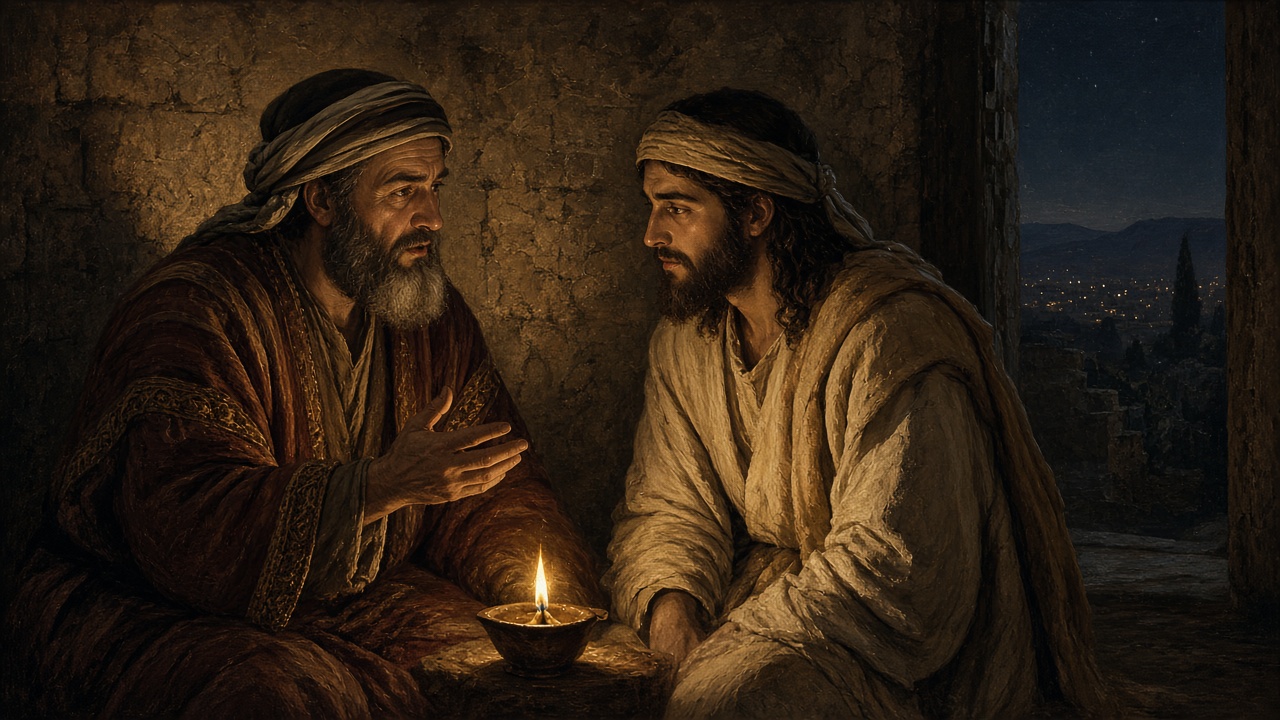
1Tí macai Nicodemo wama tiriro, judio masa pʉhtoa mehne macariro jire. Tiro fariseo curua macariro jire. 2Cʉ̃ ñami tiro Jesu cahai ta, tiro mehne õ sehe ni sʉhʉduri jire:
—Buheriro, mʉhʉ Cohamacʉ to buhe dutiro to warocariro mʉ jichʉ sã masija. Mʉhʉ payʉ tahari Cohamacʉ tuaa mehne yoa ñona. Cohamacʉ mʉhʉre to yoadohoerachʉ, mʉhʉ sehe to tuaa mehne ne ã yoa ñoaeraboa —niri jire Nicodemo Jesure.
3To ã nichʉ tʉhoro Jesu sehe õ sehe ni yahuri jire:
—Potocã mʉhʉre niita nija. Pari turi masa bajuariro yoaro sehe wahariro dihta mari pʉhtoro Cohamacʉ mehne ji masina —niha Jesu.
4—Cuenah. ¿Bʉcʉro sehe dohse yoa pari turi masa bajuabocari tiro? To pocoro niji suhtiropʉ majare sãa, pari turi bajua masieraboca tiro —niri jire Nicodemo.
To ã nichʉ tʉhoro Jesu õ sehe ni yʉhtiri jire tjoa:
5—Potocã niita nija mʉhʉre. Co mehne, Espíritu Santo to tuaa mehne pari turi masa bajuariro dihta mari pʉhtoro Cohamacʉ mehne ji masina. 6Numia nijipocosanumia jia, macanacãre masa bajuachʉ yoara. Espíritu Santo sehe masare Cohamacʉ pohna jichʉ yoara. 7“Pari turi masa bajuariro yoaro sehe wahariro dihta mari pʉhtoro Cohamacʉ mehne ji masina”, yʉ nichʉ, tʉho wisiecʉ tjiga. 8Espíritu Santo masare Cohamacʉ pohna to yoachʉ wihnono yoaro sehe jira. Wihnono to tariropʉ tara. To taro coa tachʉ mari tʉhoja. Ã tʉhopanahta to tarirore, to waharirore ne masieraja. Tó seheta yoara Espíritu Santo masare Cohamacʉ pohna jichʉ yoaro —niri jire Jesu Nicodemore.
9—Mʉ niare noano masieraja —niri jire Nicodemo.
10To ã nichʉ tʉhoro õ sehe niri jire Jesu:
—Mʉhʉ judio masare buheriro jipaihta, ¿dohseacʉ yʉ niare tʉhoerajari? 11Potocã mʉhʉre niita nija. Sã masirire, sã ñʉrire sã yahuja. Sã ã yahupachʉta ne mʉsa sã coyea judio masa ne tʉho duaerare. 12Ahri yahpa macaa mehne masa ti masa bajuari mehne mʉhʉre piti dahre yʉ buhe mʉhtarire “Potocã tjira”, nierara mʉsa. Ã nierana piti dahre buhero marieno Cohamacʉ yare yʉ yahuchʉ cʉ̃hʉre “Potocã tjira”, nisi mʉsa.
13’Ne cʉ̃iro mʉanopʉ Cohamacʉ cahapʉ wahariro ne pari turi tjua tasi. Yʉhʉ masʉno Cohamacʉ warocariro yʉhʉ dihta mʉanopʉ jiriro ahri yahpapʉ tahi. (Ã jicʉ yʉhʉ dihta Cohamacʉ yare mʉsare yahu masija.) 14Panopʉre masa marienopʉ Moise cjiro bronce wama tiri comaa mehne ti yoarirore agãre yucʉcʉ ti dapodʉ sohtoapʉ duhu õ dapoha. Yʉhʉ cʉ̃hʉre masʉno Cohamacʉ warocarirore tiro agãre to duhu õ daporiro seheta yʉhʉ cʉ̃hʉre duhu õ dapoahca. 15Yʉhʉre ti ã yoari baharo jipihtina yʉhʉre wacũ tuaina jipihtia dachoripe Cohamacʉ mehne ã jirucuahca —niri jire Jesu.
Cohamacʉ jipihtinare cahĩna
16Ã ni tuhsʉ õ sehe ni namori jire Jesu:
—Cohamacʉ jipihtina ahri yahpa macainare tuaro cahĩna. Ã jiro yʉhʉre to macʉnore cʉ̃irota jirirore Cohamacʉ warocare jipihtina yʉhʉre wacũ tuaina pichacapʉ ti wahaerahto cjihtore. Ã jia Cohamacʉ ya catia mehne ã catirucuahca tina. 17Cohamacʉ yʉhʉre to macʉnore masare buhiri dahre dutiro warocaerare ahri yahpapʉre. Masare pichacapʉ wahaborinare yʉhdʉchʉ yoahtiro cjihto sehere yʉhʉre warocare.
18’Yʉhʉre Cohamacʉ macʉnore wacũ tuainare ne buhiri dahresi Cohamacʉ. Yʉhʉre wacũ tuaeraina pinihtare Cohamacʉ buhiri dahre duti tuhsʉre. Masa yʉhʉre Cohamacʉ macʉnore cʉ̃irota jirirore ti wacũ tuaerari buhiri buhiri dahrerohca tinare. 19Yʉhʉ Cohamacʉ macʉno ahri yahpapʉ tacʉ buhriaro to noano marine to ñʉ masichʉ yoaro seheta Cohamacʉ yare noano masichʉ yoaja. Yʉ ã masichʉ yoapachʉta, yʉhʉre wacũ tuaeraina sehe yʉhʉre cahmaerara. Ti ñaa yoaa sehere noano cahmana. Ti ã cahmari buhiri tinare buhiri dahre duti tuhsʉre. 20Jipihtina ñaare ã yoarucuina baro ti ñaa yoaare duhu duaerara. Ã jia buhriaro to bajuro dahrero seheta ti ñaa yoarire “Bajuro dahreri” nia, yʉhʉre cahmaerara tina. 21Quihõno yoaina sehe yʉhʉre, yʉ buhea cʉ̃hʉre cahmana. Cohamacʉ yoadohoro mehne to yare ti yoaare yʉ noano bajuro dahrechʉ bʉo tierara tina. Ã jia yʉhʉre buhriaro yoaro sehe jirirore cahmana —ni yahuri jire Jesu.
Pari turi João masare bautisariro Jesure yahuha
22Baharo Jesu sãre to buheinare Judea yahpapʉ sʉho wahare. Tópʉ sʉro tó macaina mehne mahaa dachoricã tjua, tinare bautisare. 23João cʉ̃hʉ masare bautisaro niha Enón wama tiri macai. Enón Salim wama tiri maca cahai jire. Tói dia jire. Tói dia jichʉ João bautisaro niha masare. 24Tirore ti peresu yoahto pano Enóni masare bautisaro niha João.
25Tí pjare João buheina mehne macaina mahainacã judio masʉno mehne bautisaa macaare durucua niha. 26Ã jia tina João cahapʉ sʉa, tirore õ sehe ni yahuha:
—Buheriro, Jordão sie coapʉ mʉhʉ mehne jiriro “Tiro tjica”, mʉ niriro sehe mipʉre masare bautisaro nina. To ã yoachʉ jipihtina tiro cahapʉ dihta wahara —niha tina Joãore.
27Ti ã nichʉ tʉhoro João õ sehe ni yʉhtiha:
—Tiro tuariro to jichʉ Cohamacʉ sehe tirore ã jichʉ yoariro jira. 28“Cristo jieraja”, yʉ nichʉ tʉhore mʉsa. Ã jierapaihta to pano to waroca mʉhtariro jija yʉhʉ. 29Cristo mehne masa ti wahachʉ ñʉcʉ tuaro wahcheja. Õ sehe jira tí: Wamomaca dʉhtericoro to manʉno mehne jiro wahara. Wamomaca dʉhtehtirore cohtariro sehe dʉhtehtiro to namo tichʉ ñʉno to durucuchʉ tʉhoro tuaro wahchera. Ã jicʉ yʉhʉ wamomaca dʉhtehtirore cohtariro to wahcheriro seheta Cristo mehne masa ti wahachʉ ñʉcʉ tuaro wahcheja. 30Cristo sehere wacũ tuaro cahmana masare. Yʉhʉ sehere wacũ tuaeraro cahmana masare —ni yʉhtiha João.
Cohamacʉ macʉno mʉanopʉ tariro jira
31Ã ni tuhsʉro õ sehe ni namoha João:
—Mʉanopʉ tariro jipihtina yʉhdoro tuariro jira. Ahri yahpapʉ jiina jina ahri yahpa macaina jija mari. Ã jina ahri yahpa macaare durucuja mari. Mʉanopʉ tariro sehe jipihtina yʉhdoro tuariro jira. 32To ñʉri cjirire, to tʉhori cjirire tiro yahura. To ã yahupachʉta to yahuare masa sehe ne tʉho duaerara. 33Mʉanopʉ tariro to yahuare masa tʉhoa, tíre cahmaa, “Cohamacʉ potocã niriro jira”, nia nina tina. 34Ahriro Cristore Cohamacʉ warocarirore Espíritu Santo ya tuaare cũ pahñona Cohamacʉ. Ã jiro tiro Cohamacʉ ya durucuare yahura. 35Cohamacʉ to macʉnore tuaro cahĩna. Ã jiro jipihtina bui ti pʉhtoro ji dutire to macʉnore. Jipihtia pʉro ji dutire tirore. 36Cohamacʉ macʉnore wacũ tuaina sehe Cohamacʉ catia mehne ã catirucuahca. To macʉnore cahmaeraina sehe Cohamacʉ catia mehne jisi. Ã jiro Cohamacʉ tinare tuaro buhiri dahrerohca —niha João.
¿Sabías que…?
El nuevo nacimiento y el testimonio de Juan
- Nicodemo, cuyo nombre significa "el pueblo es vencedor", era fariseo y miembro del Sanedrín. Fue a Jesús de noche para conocer mejor su enseñanza, y el Evangelio lo llama líder de los judíos; Jesús se dirige a él como maestro de Israel.Fuentes: Nicodemus · el propio texto bíblico
- Después de esta conversación, Jesús y sus discípulos fueron a la zona rural de Judea, que bajo los romanos era la más meridional de las tres divisiones de Palestina. Juan también bautizaba en Enón, cerca de Salim, porque allí el agua era abundante; Salim, cuyo nombre significa "pacífico", quedaba al oeste del Jordán. Enón significa "manantiales", y el Diccionario Bíblico de Easton (1897) lo sitúa probablemente cerca del nacimiento superior del Wady Far'ah, un valle abierto lleno de manantiales que va del monte Ebal al Jordán.Fuentes: el propio texto bíblico · Judea · Aenon · Salim
- En este capítulo, Juan dice a sus discípulos que él no es el Cristo, sino que fue enviado delante de él, y el relato señala que aún no había sido encarcelado. El Diccionario Bíblico de Easton (1897) lo describe como el precursor de Jesús, de linaje sacerdotal, y dice que su misión fue objeto de profecía.Fuentes: el propio texto bíblico · John the Baptist
Notas escritas con ayuda de IA a partir de fuentes abiertas (Theographic Bible Metadata, CC BY-SA 4.0; Easton’s Bible Dictionary, dominio público) y revisadas antes de publicarse.
Lugares de este capítulo
- Jerusalem · 31.777, 35.234 · versículo 22
- Judea · Hoy: Judea 1 · 31.777, 35.234 · versículo 22
- Jordan · Hoy: Jordan River · 31.761, 35.558 · versículo 26
Solo aparecen lugares identificados con alta confianza (90 % o más según las fuentes académicas reunidas por OpenBible). Mapa de la época: DARE (Digital Atlas of the Roman Empire), CC BY 4.0; mapa actual: © colaboradores de OpenStreetMap; lugares: OpenBible.info (CC BY 4.0).
Créditos y licencia de esta traducción
Cohamacʉ Yare Yahari Tjuel
New Testament in Guanano
copyright © 2007 Wycliffe Bible Translators, Inc.
Language: Guanano
Translation by: Wycliffe Bible Translators, Inc.
Copyright Information
© 2007, Bible League International. All rights reserved.
This translation text is made available to you under the
terms of the Creative Commons License: Attribution-Noncommercial-No Derivative Works.
( http://creativecommons.org/licenses/by-nc-nd/3.0/ )
In addition, you have permission to port the text to different file formats, as long as you
do not change any of the text or punctuation of the Bible.
You may share, copy, distribute, transmit, and extract portions
or quotations from this work, provided that you include the above copyright
information:
You must give Attribution to the work.
You do not sell this work for a profit.
You do not make any derivative works that change any of the actual words or punctuation of the Scriptures.
Permissions beyond the scope of this license may be
available if you contact
us with your request.
The New Testament
in Guanano
© 2007, Wycliffe Bible Translators, Inc. All rights reserved.
This translation is made available to you under the terms of the
Creative Commons Attribution-Noncommercial-No Derivatives license 4.0.
You may share and redistribute this Bible translation or extracts from it in any format, provided that:
You include the above copyright and source information.
You do not sell this work for a profit.
You do not change any of the words or punctuation of the Scriptures.
Pictures included with Scriptures and other documents on this site are licensed just for use with those Scriptures and documents.
For other uses, please contact the respective copyright owners.
2014-08-06
Fuente: http://ebible.org/gvc/ · eBible.org