Gálatas 5
Cohamacʉ Yare Yahari Tjuel · Toca un versículo para ver sus referencias cruzadas.
Jesucristo yare noano tʉho ñahana, tíre duhuena tjiga
1Dutia yoaa mehne yʉhdʉ duaina tí dutiare dahra cohtaina ti dutipeina yoaro sehe jira. Cristo yaina wahana ti dutipeina mari jiare wijaana, Cristo mehne yʉhdʉja mari. Ã to yʉhdʉchʉ yoarina jina, to yare ã yoarucuga, “Tí dutia yoaa mehne yʉhdʉnahca”, ni tʉhoturo marieno.
2Mipʉre yʉhʉ Paulo ahrire yahuihtja mʉsare: “Circuncisiõre mari yoari mehne yʉhdʉnahca”, mʉsa ni tʉhotuna, Cristo mʉsare to yoadohorire yaba cjihti jierachʉ yoana nina mʉsa. 3Jipihtina circuncisiõre mʉsa yoari mehne yʉhdʉ duainare pari turi õ sehe ni yahuihtja yʉhʉ: Circuncisiõre mʉsa yoari mehne yʉhdʉ duana, paye Cohamacʉ dutiare yoa pahñoerana, yʉhdʉsi mʉsa. 4Dutia yoaa mehne yʉhdʉ duaina jina Cristo sehere cohãre mʉsa. Ã yoaina jina, Cohamacʉ mʉsare to cahĩrire, mʉsare to yʉhdʉchʉ yoa duarire cahmaerara mʉsa. 5Wiho mejeta mari sehe Espíritu Santo to tuaa mehne Cohamacʉre wacũ tuaja. Mari ã wacũ tuachʉ “Noaina, ñaa buhiri marieina jira”, ni ñʉna Cohamacʉ marine. To ã ni ñʉchʉ marine to yʉhdʉchʉ yoahtore masija mari. 6Cristo Jesu yaina jina circuncisiõre mari yoachʉ ne yaba cjihti jierara. Circuncisiõre mari yoaerachʉ cʉ̃hʉre ne yaba cjihti jierara. Wiho mejeta Cristo pinire wacũ tuana painare cahĩnahca mari. Tí wacũ tuaa sehe wiho waro jia nierara. Tí waro jia nina.
7Mʉsa Cristore noano wacũ tuasinimare. ¿Diina baro noaa buheare yʉhdʉrʉca dutiari mʉsare? 8Ti ya buhea Cohamacʉ mʉsare to pohnare cũriro to ya buhea jierara. 9Ahri yʉ nihtire wacũga mʉsa: Mahanocã pão bʉcʉaro trigo yʉbʉre noano sahserʉcʉ sʉra. (To ã sahserʉcʉ sʉriro seheta yʉ coyea judio masa ya buhea sehere mʉsa cahmarucuchʉ ñʉa payʉ masa mʉsa mehne macaina cʉ̃hʉ tí buheare cahmaboca tina cʉ̃hʉ.) 10Mari pʉhtoro Cristore wacũ tuaja mari. Ã jicʉ ahri yʉ nihtire masija yʉhʉ. Cristo to yoadohoa mehne paye buheare baharopʉre cahmasi mʉsa. Tíre masija yʉhʉ. Mʉsare dojomehne cohtaina dohse jiina jica. Tinare Cohamacʉpʉ buhiri dahrerohca.
11Yʉ coyea, “Dutia yoaa mehne yʉhdʉnahca”, ti nia buheare yʉ buheriro jichʉ judio masa yʉhʉre ñano yoaeraboa. Cristo crusai to yariari buheare yʉ buheri buhiri tina ñano yoara yʉhʉre. Cristo ya buhea mehne judio masa ya buheare yʉ buhe morechʉ yʉhʉre ñano yoaeraboa tina. 12Mʉsare dojomehne cohtaina mʉsare mahanocã mʉsa pjacʉ macari cahsarocãre yihso dutiina ti basi dihta yihsojaro.
13Yʉ coyea, “Dutia mehne yʉhdʉnahca”, ni tʉhotu dutierara Cohamacʉ mʉsare. Wiho mejeta “Dutia mehne yʉhdʉnahca”, ni tʉhotuina jierapanahta “To dutiare yʉhdʉrʉcajihna”, ni wacũena tjiga. Ã yoa mʉsa mehne macainare cahma cahĩna, tinare dahra cohtaina yoaro seheta yoadohoga tinare. 14Cʉ̃nota dutiare noano yoana, Cohamacʉ dutiare yoa pahñona nija mari. Õ sehe jira tí dutia: “Mʉ basi mʉ cahĩno seheta mʉ cahai jiina cʉ̃hʉre cahĩga”, ni dutia tiha. 15Ã jina wahiquina suaina yoaro sehe mʉsa basi cahma sayoena tjiga. Tuhsʉ, cahmachena tjiga. Mʉsa mehne macaina jipihtinare “Dojomehneri”, nina noano yoaga mʉsa.
Masa ñaare ti goa pjaare, Espíritu Santo to cahmaa cʉ̃hʉre yahuha Paulo
16Espíritu Santo to cahmariro seheta jirucuga mʉsa. Ã jina mʉsa ñaare mʉsa goa pjaare yoaena tjiga. 17Ñaare mʉsa goa pjachʉ tíre mʉsa yoachʉ, Espíritu Santo ñʉ yabira. To ã ñʉ yabichʉ tí ñaare duhunahca mʉsa. Ã jina ñaare mʉsa goa pjana, tíre yoana, Espíritu Santore ñʉ tuhtira mʉsa. Ã ñʉ tuhtina to cahmano sehe yoaerara mʉsa. Ã jina mʉsa goa pjaare mʉsa yoa duaro seheta yoa masierara mʉsa. 18Ã yoa Espíritu Santo to cahmaare yoaina jina “Dutia mehne mari yʉhdʉnahca”, ni tʉhotuerara mʉsa.
19Masa ñaare ti yoaare mari noano masi tuhsʉja. Õ sehe jira tí: Numino mehne ñano yoaa, mʉno mehne ñano yoaa, wʉana tia, tó sehe jia ñaare bʉo tiro marieno yoaa, 20“Cohamacʉ jira” ti nia masʉrine ño payoa, puti sitea, paye yaya ti yoaa, ñʉ tuhtia, cahma sayoa, doaa, suaa, to basi dihta cjʉa duaa, ñʉ tuhti cahma tju waa, cʉ̃ curua macaina pa curuare ñʉ tuhtia, paina yare tuaro cahmaa, cahaa, cahaa bose nʉmʉrine dahrea, tó sehe jia jira ñaare yoaa. Panopʉ mʉsare cuaro mehne yʉ niriro seheta mipʉ cʉ̃hʉre niihtja: Tí barore yoaina pʉhtoro Cohamacʉ to sʉho jiropʉre mʉanopʉre ne sʉsi.
22Espíritu Santo sehe marine õ sehe yoaina jichʉ yoara: Masare cahĩina, wahcheina, cuiro marieina, so suaeraina, painare noano yoaina, noaina, duhuro marieno Cohamacʉ cahmaare yoaina, painare yʉhdʉrʉca duaeraina, noano mehne yoaina, ti ñaa goa pjaare yoaeraina jichʉ yoara marine tiro. Tó sehe yoainare “Ã yoaena tjiga”, ne cʉ̃iro nierara. 24Cristo Jesu yaina jina mari ñaa goa pjaare yoa namoeraja. 25Espíritu Santo marine Cohamacʉ mehne ã jirucuchʉ yoarohca. Ã jina to cahmano seheta yoarucuina jijihna mari.
26“Painare masi yʉhdʉrʉcaja sã”, ni tʉhotuina jiena tjijihna mari. Ã jina mari mehne suachʉ yoaena tjijihna painare. Ã yoana mari mehne macaina noano ti wahachʉ ñʉna tinare sua tʉhotuena tjijihna.
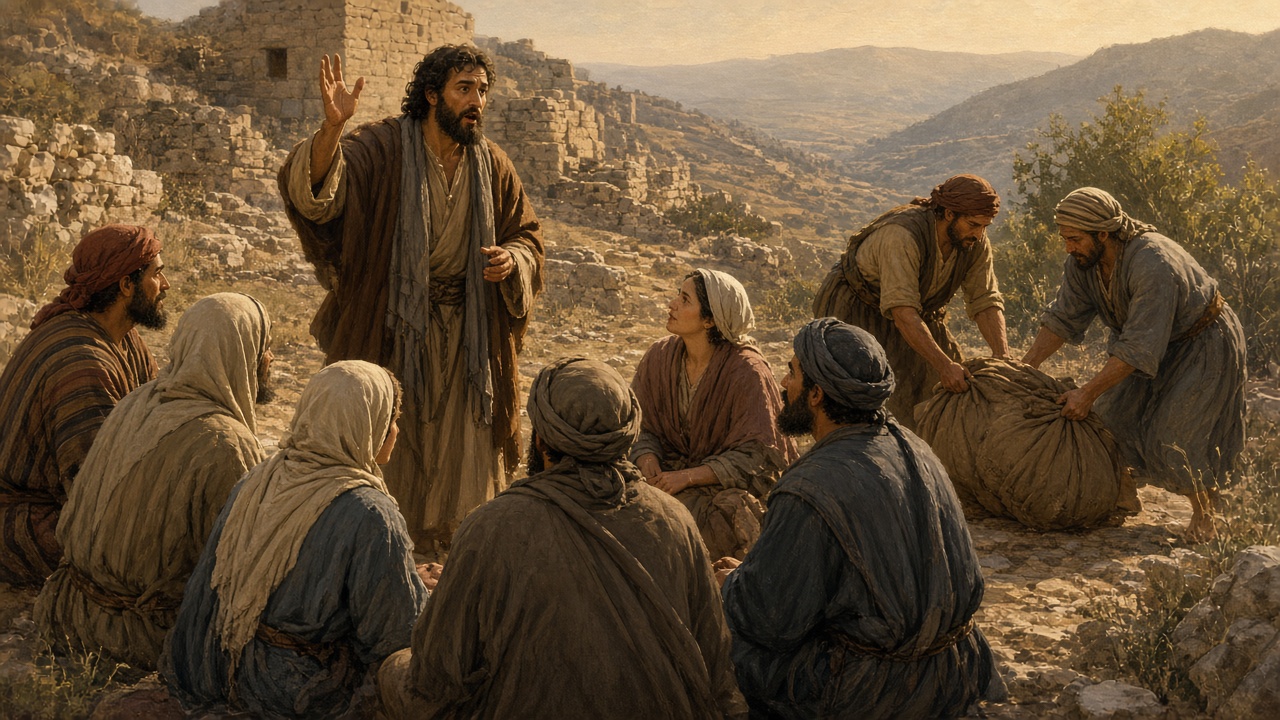
¿Sabías que…?
La libertad, la ley y el Espíritu
- Quien habla se identifica como Pablo y advierte que, si aquellos a quienes se dirige se dejan circuncidar, Cristo no les valdrá de nada, y que todo hombre que se hace circuncidar queda obligado a cumplir toda la ley. Un relato biográfico dice que el nombre de circuncisión de Pablo era Saulo y que el nombre Pablo probablemente le fue dado en la infancia para usarlo en el mundo de los gentiles, mientras que Saulo sería el nombre hebreo que usaría en casa.Fuentes: el propio texto bíblico · Paul
- La libertad se contrapone a un yugo de esclavitud: el capítulo dice que Cristo los ha libertado y les manda mantenerse firmes y no volver a quedar cargados con ese yugo. Fueron llamados a la libertad, no como una oportunidad para la carne, sino para servir unos a otros en amor, y toda la ley se cumple en el único precepto de amar al prójimo como a uno mismo.Fuentes: el propio texto bíblico
- Andar por el Espíritu se contrasta con satisfacer los deseos de la carne, que se oponen entre sí. Si las personas son guiadas por el Espíritu, no están bajo la ley; el capítulo enumera las obras de la carne y el fruto del Espíritu, y dice que contra tales cosas no hay ley.Fuentes: el propio texto bíblico
Notas escritas con ayuda de IA a partir de fuentes abiertas (Theographic Bible Metadata, CC BY-SA 4.0; Easton’s Bible Dictionary, dominio público) y revisadas antes de publicarse.
Créditos y licencia de esta traducción
Cohamacʉ Yare Yahari Tjuel
New Testament in Guanano
copyright © 2007 Wycliffe Bible Translators, Inc.
Language: Guanano
Translation by: Wycliffe Bible Translators, Inc.
Copyright Information
© 2007, Bible League International. All rights reserved.
This translation text is made available to you under the
terms of the Creative Commons License: Attribution-Noncommercial-No Derivative Works.
( http://creativecommons.org/licenses/by-nc-nd/3.0/ )
In addition, you have permission to port the text to different file formats, as long as you
do not change any of the text or punctuation of the Bible.
You may share, copy, distribute, transmit, and extract portions
or quotations from this work, provided that you include the above copyright
information:
You must give Attribution to the work.
You do not sell this work for a profit.
You do not make any derivative works that change any of the actual words or punctuation of the Scriptures.
Permissions beyond the scope of this license may be
available if you contact
us with your request.
The New Testament
in Guanano
© 2007, Wycliffe Bible Translators, Inc. All rights reserved.
This translation is made available to you under the terms of the
Creative Commons Attribution-Noncommercial-No Derivatives license 4.0.
You may share and redistribute this Bible translation or extracts from it in any format, provided that:
You include the above copyright and source information.
You do not sell this work for a profit.
You do not change any of the words or punctuation of the Scriptures.
Pictures included with Scriptures and other documents on this site are licensed just for use with those Scriptures and documents.
For other uses, please contact the respective copyright owners.
2014-08-06
Fuente: http://ebible.org/gvc/ · eBible.org